
United Airlines Boeing 737 MAX 9 Suffers Mid-Air Water Leak, Soaking Passenger Bags on Boston Flight

Published
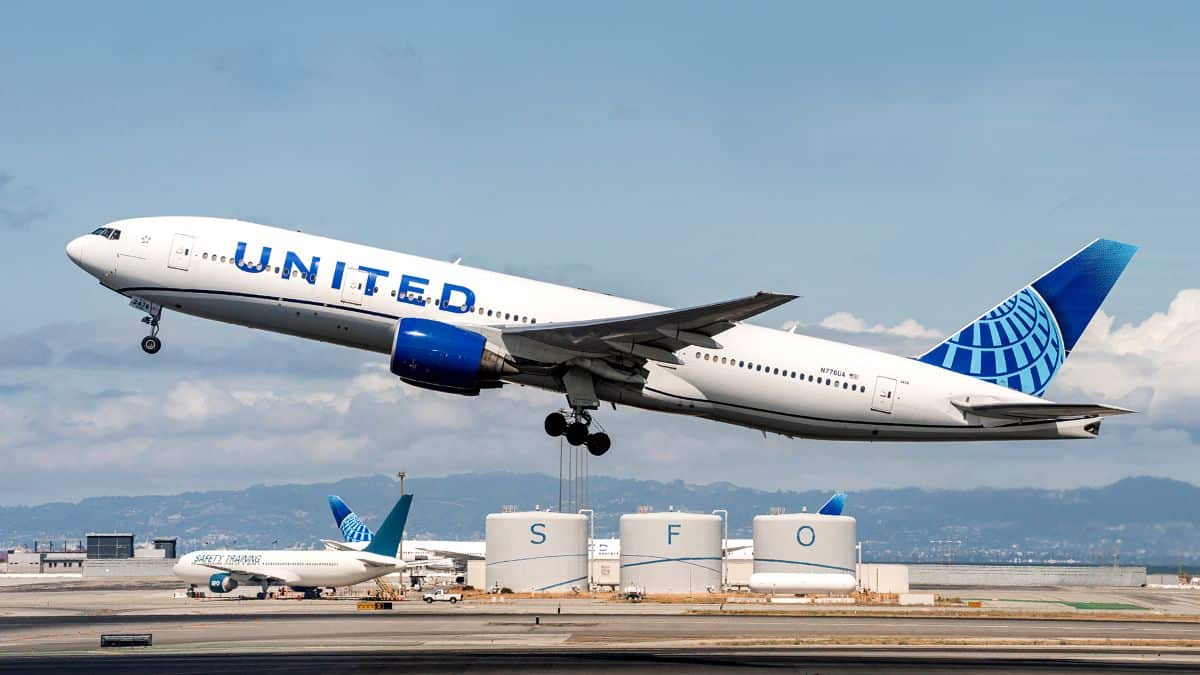
A United Airlines flight travelling from San Francisco to Boston experienced an unexpected cabin plumbing problem on 18 October 2026, when water leaked from a lavatory and soaked passenger belongings across three seating rows. The Boeing 737 MAX 9 continued to its destination after cabin crew stopped the leak.
The incident affected Flight UA2634, which was operating a scheduled domestic service between San Francisco International Airport and Boston Logan International Airport. According to aviation news outlet AIRLIVE, the aircraft was cruising over South Dakota when the water leak was discovered.
Advertisement
Advertisement
Although the disruption created uncomfortable conditions for several passengers, the aircraft landed safely in Boston without further reported complications.
Water Leak Discovered at 35,000 Feet During United Airlines Flight
United Airlines Flight UA2634 departed San Francisco International Airport on Sunday afternoon, 18 October 2026, for its cross-country journey to Boston.
Advertisement
Advertisement
The service was operated by a Boeing 737 MAX 9 aircraft carrying registration N17418.
According to the published incident report, the flight was travelling at approximately 35,000 feet over South Dakota when crew members identified water escaping from the mid-cabin lavatory.
Advertisement
Advertisement
The leak allowed water to move through interior wall panels and enter the passenger seating area.
Water subsequently collected around seats and reached personal belongings stored beneath and near the affected rows.
Advertisement
Advertisement
The incident interrupted an otherwise routine domestic flight and required immediate attention from cabin crew.
Passenger Bags Soaked Across Three Rows of Aircraft
The water leak reportedly affected passenger belongings in Rows 7, 8 and 9.
Carry-on luggage and other personal items stored near the cabin floor became wet as water spread from the lavatory area.
For passengers travelling with clothing, documents or electronic equipment, unexpected water exposure can create inconvenience and potential damage.
Advertisement
Advertisement
However, the original report did not specify how many passengers experienced damaged belongings or whether any compensation claims were submitted.
It also did not establish the precise mechanical defect responsible for the plumbing failure.
The incident nevertheless illustrates how a relatively localised cabin equipment problem can affect passengers beyond the area where the malfunction begins.
Cabin Crew Shut Off Water Supply to Control Leak
A United Airlines flight attendant responded by locating the primary water supply valve serving the affected mid-cabin lavatory.
The crew member shut off the valve, stopping the water flow and preventing the leak from continuing.
This action allowed the flight to proceed towards Boston without a reported diversion.
Advertisement
Advertisement
Cabin crew members are responsible for responding to a wide range of operational situations, including onboard equipment failures, passenger medical incidents and cabin safety concerns.
In this case, identifying the water supply control was the key step in containing the disruption.
The available account does not indicate that the leak affected the aircraft’s flight controls, engines or other essential operating systems.
Boeing 737 MAX 9 Completes Journey to Boston Safely
Despite the unexpected plumbing problem, United Airlines Flight UA2634 continued its scheduled journey.
The Boeing 737 MAX 9 landed at Boston Logan International Airport at approximately 11.15 pm Eastern Daylight Time on 18 October 2026.
No emergency landing, diversion or injuries were reported in the original account.
Advertisement
Advertisement
The aircraft’s successful arrival meant passengers could complete their journey without the additional travel disruption that an unscheduled landing might have caused.
The available information does not confirm whether maintenance engineers subsequently inspected or repaired the affected lavatory.
United Airlines had also not been quoted in the supplied report regarding the cause of the leak or its response to affected passengers.
Why Cabin Maintenance Matters for Airline Passenger Experience
Aircraft lavatories rely on plumbing, water supply controls and associated equipment that require regular maintenance.
Although these systems are separate from the aircraft’s primary flight-control functions, failures can affect cabin cleanliness, passenger comfort and the condition of personal belongings.
For airlines operating frequent domestic services, maintaining cabin equipment is an important part of delivering reliable journeys.
Advertisement
Advertisement
Unexpected plumbing problems can also create additional work for cabin crews, ground maintenance teams and customer service personnel.
Passengers whose belongings become wet during a flight may need to document any damage and contact the airline about its claims procedures.
The United Airlines incident highlights the importance of prompt crew intervention and effective maintenance practices in limiting the impact of onboard equipment failures.
United Airlines Incident Highlights Importance of Rapid Cabin Response
The reported water leak aboard Flight UA2634 caused inconvenience to passengers seated near the affected lavatory but did not prevent the aircraft from reaching Boston safely.
The flight attendant’s intervention stopped the water flow before the journey ended.
While the underlying plumbing defect remains unconfirmed, the incident demonstrates how effective cabin crew action can contain an unexpected equipment problem and support the safe completion of a scheduled flight.
United Airlines Flight UA2634 completed its San Francisco to Boston journey safely despite a lavatory leak that soaked passenger belongings across three rows. Cabin crew quickly shut off the water supply, preventing further leakage. The incident highlights the importance of aircraft maintenance, crew preparedness and passenger comfort during commercial flights.
Advertisement
