
Flights Cancelled Around Asia at Bahrain, Shanghai and More Airports with 5,414 Delays and 472 Cancellations

Updated
Published
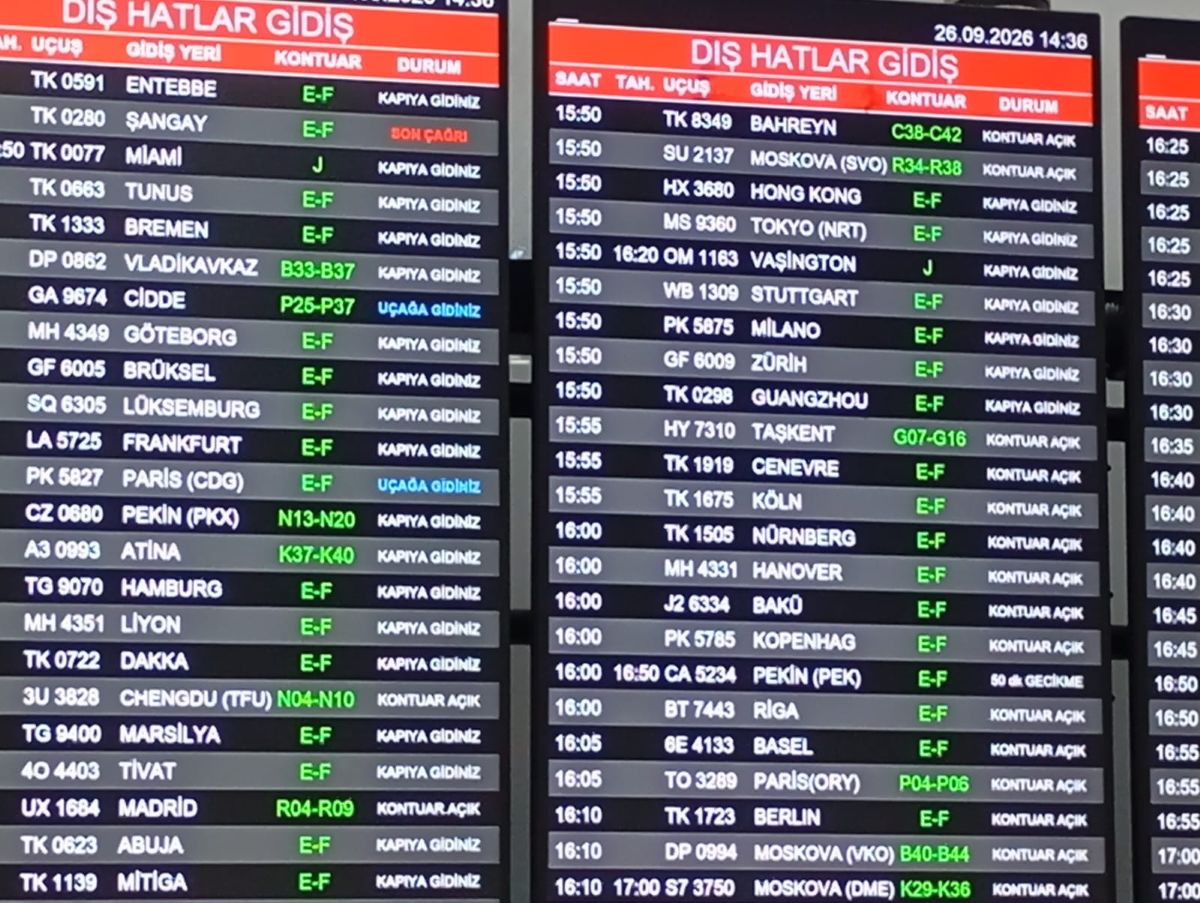
Flights cancelled around Asia have caused widespread travel disruption, with airports in Bahrain, Shanghai and more major aviation hubs reporting 5,414 delays and 472 cancellations. Consequently, thousands of passengers face longer waiting times, missed connections and unexpected changes to their travel plans. Meanwhile, airports across China, Indonesia, India, Thailand and the Middle East continue to experience operational challenges. Severe weather, reduced visibility, regional airspace restrictions and security concerns have added pressure to airline schedules. Furthermore, major airports in Dubai, Jakarta, Beijing and Tokyo have recorded significant delays. As disruptions spread across international and domestic routes, airlines must adjust operations and manage affected passengers. Therefore, travellers should monitor flight updates, confirm departure times and check rebooking options before travelling.
Which Asian Airports Have Recorded the Highest Flight Disruptions?
China accounted for several of the largest airport delay figures in the dataset. Tianshan recorded 341 delays and five cancellations, while Shanghai Pudong reported 293 delays and 11 cancellations. Beijing Capital registered 212 delays and eight cancellations, compared with 192 delays and five cancellations at Beijing Daxing.
Shanghai Hongqiao experienced 120 delays and seven cancellations. Guangzhou Baiyun recorded 165 delays and four cancellations, while Xianyang reported 132 delays and nine cancellations.
In Japan, Tokyo Haneda registered 284 delays but only one cancellation. Bangkok Suvarnabhumi in Thailand recorded 264 delays and three cancellations.
Advertisement
Advertisement
How Were Indonesia, India and Southeast Asia Affected?
Indonesia experienced substantial disruption. Jakarta Soekarno-Hatta recorded 211 delays and 39 cancellations, making it one of the most cancellation-affected airports in the supplied figures. Sultan Hasanuddin reported 82 delays and seven cancellations, while Bali’s Ngurah Rai registered 76 delays and six cancellations.
In India, Delhi’s Indira Gandhi International recorded 101 delays and seven cancellations. Bengaluru’s Kempegowda International reported 61 delays and 10 cancellations, while Navi Mumbai International registered five delays and 12 cancellations.
Advertisement
Advertisement
Elsewhere, Manila’s Ninoy Aquino International recorded 121 delays and three cancellations. Vietnam’s Noi Bai International reported 133 delays and six cancellations, while Da Nang International experienced 51 delays and six cancellations.
Which Airlines Have Experienced the Most Cancellations and Delays?
Chinese airlines recorded some of the highest disruption volumes. China Eastern reported 46 cancellations, representing 1% of its listed operations, alongside 386 delays, or 16%. Air China registered 25 cancellations (1%) and 199 delays (11%).
China Southern recorded three cancellations (0%) and 302 delays (13%). China Express reported six cancellations (1%) and 159 delays (36%), while Tianjin Airlines experienced 14 cancellations (4%) and 73 delays (22%).
In India, Akasa Air recorded 30 cancellations (12%) and seven delays (2%). SpiceJet reported six cancellations (6%) and 32 delays (36%). Air India registered two cancellations (0%) and 29 delays (5%), while Air India Express recorded one cancellation (0%) and 52 delays (11%).
How Did Indonesian, Japanese and Southeast Asian Carriers Perform?
Indonesia’s Batik Air recorded 28 cancellations (9%) and 62 delays (21%). Citilink reported 14 cancellations (5%) and 29 delays (10%), while Garuda Indonesia registered three cancellations (1%) and 47 delays (19%).
Japan’s All Nippon Airways reported one cancellation (0%) and 98 delays (17%). Air Do recorded two cancellations (3%) and 20 delays (30%).
Advertisement
Advertisement
Vietnam’s VietJet Air experienced one cancellation (0%) and 150 delays (43%), while Vietnam Airlines reported six cancellations (1%) and 44 delays (11%).
Malaysia’s AirAsia registered four cancellations (0%) and 76 delays (16%). Malindo Air reported two cancellations (1%) and 73 delays (45%).
In the Philippines, PAL Express recorded three cancellations (1%) and 62 delays (38%). Philippine Airlines registered two cancellations (1%) and 24 delays (19%).
How Have Middle Eastern Airports and Airlines Been Affected in Asia?
Disruptions extended beyond East and Southeast Asia into major Middle Eastern aviation centres.
Dubai International recorded 173 delays and 24 cancellations, while Abu Dhabi’s Zayed International registered 116 delays and 18 cancellations. Bahrain International reported 17 delays and seven cancellations.
Saudi Arabia’s King Khalid International recorded five delays and 43 cancellations, while King Abdulaziz International reported 120 delays and 16 cancellations.
Advertisement
Advertisement
Among regional carriers, flydubai recorded 20 cancellations (7%) and 53 delays (18%). Etihad Airways reported 18 cancellations (5%) and 88 delays (25%). Air Arabia registered eight cancellations (3%) and 51 delays (21%).
Saudia reported 16 cancellations (2%) and 60 delays (11%), while Gulf Air recorded five cancellations (3%) and 10 delays (7%).
What Are the Main Reasons Behind Flight Disruptions Across Asia?
What Are the Main Reasons Behind Flight Disruptions Across Asia?
Saudi Arabia faces one of the clearest documented causes of disruption. According to Reuters on 20 October, attacks on Riyadh’s King Khalid International Airport earlier this month prompted airlines to suspend services. Although the airport reopened, operators must obtain permission from Saudi aviation authorities for arrivals and departures.
Air India, IndiGo, Etihad Airways, Qatar Airways, Lufthansa Group and Philippine Airlines are among the carriers affected by cancellations or extended suspensions. Some restrictions extend into November.
Indonesia: Forest Fires and Dangerous Haze Disrupt Aviation
Advertisement
Advertisement
Indonesia’s Ministry of Transportation confirmed that forest-fire smoke had affected 2,604 domestic flights between 11 August and 19 October 2026.
The cumulative figures included 1,129 delays, 1,420 cancellations or postponements, 23 diversions and six flights returning to their departure airports.
The ministry specifically identified Sultan Mahmud Badaruddin II Airport in Palembang among the affected locations. Reduced visibility has forced airlines and airport authorities to adjust schedules to maintain operational safety.
China: Low Visibility, Frost and Snow Raise Aviation Concerns
China’s Civil Aviation Administration has published an aviation weather outlook identifying low clouds, reduced visibility, localised frost and snowfall risks across several regions.
Its advisory highlights potential low-visibility conditions in parts of southern and southwestern China, alongside frost in northern, eastern, southwestern and northwestern areas. Snow is also forecast in parts of northeastern China and northern Xinjiang.
Advertisement
Advertisement
Thailand: Heavy Rainfall and Gusty Winds Threaten Bangkok Flights
Thailand’s Meteorological Department issued a warning on 20 October covering 21–25 October. It forecasts persistent rainfall, isolated heavy to very heavy rain and gusty winds in several regions, including Bangkok and its surrounding areas.
Bangkok Suvarnabhumi Airport recorded 264 delays and three cancellations in your dataset.
Heavy rain and thunderstorms can restrict runway operations, slow ground handling and affect arrival spacing. However, the warning alone does not establish that weather caused those 264 delays.
What Can Affected Passengers Do Now?
- Passengers travelling through affected Asian airports should check their flight status directly through official airline websites or mobile applications before leaving for the airport.
- Travellers with connecting flights should confirm both departure and onward services, particularly when transferring through Shanghai, Beijing, Jakarta, Bangkok or Dubai.
- Those facing cancellations should contact their airlines about alternative flights, refunds and applicable passenger assistance. Travellers experiencing extended delays should retain booking confirmations, receipts and airline notifications when requesting reimbursement or making insurance claims.
- Passengers should also allow additional time for airport procedures and monitor departure information for last-minute gate changes.
Data Verification Notice
Our editorial team compiled and carefully reviewed real-time aviation statistics recorded on 20 October 2026 at 4:22 pm US Eastern Time (21 October 2026 at 12:22 am Gulf Standard Time).
Primary Sources: FlightAware and Local Correspondent.
Advertisement
Advertisement
Verification Process: Our human editorial team independently examined and cross-checked the reported figures to maintain accuracy and reliability. Timestamped flight records, operational data logs and archived tracking snapshots have been securely preserved for future reference, historical verification and editorial accountability.
Important Note: Flight delays and cancellations reflect real-time aviation activity and operational conditions at the time of data collection. Figures may change as airlines update their schedules and airport operations evolve. Consequently, minor differences may appear between these recorded statistics and the latest information available from airport terminals, airline websites or departure gates.
For more information on previous flight disruptions affecting airports across Asia, read our earlier reports here.
Advertisement
Verified by Rana Pratap
