
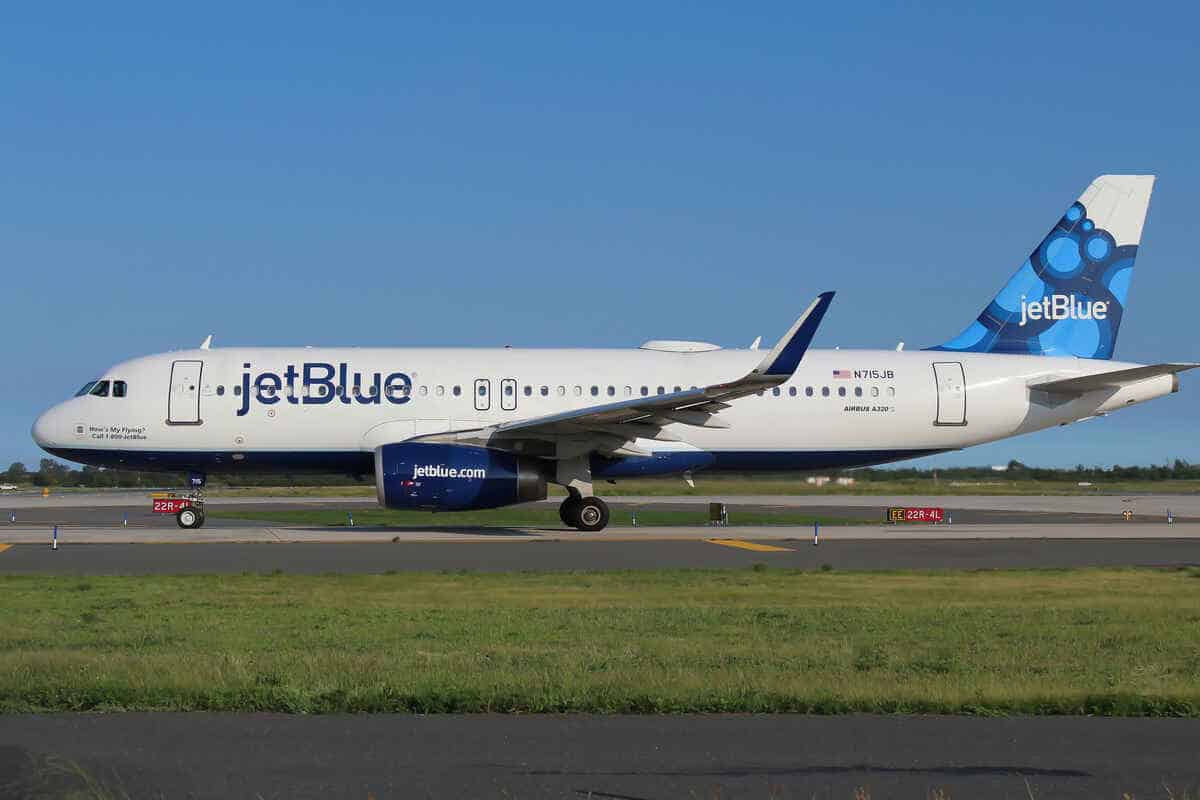
JetBlue Flight JBU372, Airbus A220-300, to New York Diverts Back to Salt Lake City: Here’s What Happened Before the Unexpected Return, United States is gaining interest because the planned flight made an unplanned return to Utah rather than proceeding to New York. However, JetBlue Flight JBU372, operated by an Airbus A220-300, has returned to Salt Lake City, where it took off. As of now, the company has not disclosed any information about the reasons behind the unplanned return. This article covers the actual flight history, operations, and the implications of the return for passengers. Readers are encouraged to check out the full article on Travel And Tour World.
JetBlue Flight 372 departed Salt Lake City International Airport (SLC) at approximately 10:39 pm MDT on 31 July 2026 for its scheduled overnight service to New York John F. Kennedy International Airport (JFK). Flight tracking information indicates the aircraft, registered N3276J, left Gate B34 and became airborne at around 10:51 pm MDT, beginning what would normally be a transcontinental journey across the United States.
Instead of continuing eastbound, the flight later returned to Salt Lake City. Tracking data shows the aircraft landed safely at approximately 12:26 am MDT on 1 August 2026, around 1 hour and 51 minutes after departure. The return meant passengers arrived back at the airport well before the expected arrival time in New York. At the time of publication, JetBlue had not released a public statement explaining why the aircraft discontinued its journey, and no official indication has been provided regarding whether the diversion resulted from a technical issue, weather, operational requirements, or another precautionary reason.
A return to the departure airport is one of the safest and most carefully managed decisions an airline can make. Flight crews continuously monitor aircraft systems, weather conditions, airport operations and passenger situations throughout every journey. If anything develops that could affect the planned flight, pilots work closely with air traffic controllers and the airline’s operations centre before deciding whether continuing or returning offers the safest outcome.
Advertisement
Advertisement
Many diversions are precautionary rather than emergency events. Airlines may return because of a maintenance indication, changing weather, air traffic restrictions, medical concerns or operational factors that require further inspection. Modern aircraft are designed with multiple redundant systems, allowing crews to assess situations calmly while following established procedures. Returning to a well-equipped airport, especially the point of departure where maintenance teams and airline staff are already available, often enables faster inspections and better passenger support. Safety remains the overriding priority in every operational decision.
Flight tracking records indicate that JetBlue Flight 372 departed Salt Lake City shortly before 11 pm local time and remained airborne for just under two hours before returning to Utah. The aircraft involved carried the registration N3276J, and publicly available tracking information recorded a total flight time of approximately 1 hour and 51 minutes before landing safely back at Salt Lake City International Airport.
The available operational data confirms the flight’s departure and subsequent return but does not identify the reason behind the diversion. Flight tracking services display aircraft movements, departure and arrival times, routes, and basic operational details, yet they do not provide access to cockpit communications or airline maintenance records. As a result, any explanation beyond the confirmed return would be speculative. Until JetBlue or relevant aviation authorities publish additional information, the exact circumstances behind the decision remain officially unconfirmed.
Passengers affected by a diversion usually receive assistance from the airline once the aircraft reaches the ground. Depending on the circumstances, travellers may be transferred to another aircraft, wait while engineers inspect the original aircraft, or be rebooked onto later services. The exact process depends on aircraft availability, crew duty limits, airport operations and the nature of the interruption.
Advertisement
Advertisement
For travellers on JetBlue Flight 372, the immediate priority would have been a safe arrival back in Salt Lake City. Airlines generally communicate updates through airport staff, mobile applications, email notifications and customer service teams. If delays become extended, passengers may also receive information regarding accommodation, meal vouchers or alternative travel arrangements where applicable. Although unexpected diversions can disrupt schedules, they also demonstrate the aviation industry’s commitment to making operational decisions that place passenger and crew safety ahead of maintaining the published timetable.
JetBlue Flight 372 (JBU372), operated by aircraft N3276J, departed Salt Lake City International Airport for New York John F. Kennedy International Airport late on 31 July 2026 but later diverted back to Salt Lake City instead of continuing to New York. Flight tracking information shows the aircraft landed safely at 12:26 am MDT on 1 August 2026 after spending about 1 hour and 51 minutes airborne. The airline has not publicly confirmed the reason for the diversion.
In conclusion, JetBlue Flight JBU372 landed safely at its destination, Salt Lake City, and that was the objective all along. On the other hand, the cause of the unscheduled landing will become more clear with time as the airline discloses further information. Keep watching for our latest and most accurate aviation news.
Advertisement
Advertisement
Advertisement













Saturday, September 5, 2026

Friday, September 4, 2026

Saturday, September 5, 2026

Saturday, September 5, 2026

Thursday, September 3, 2026

Wednesday, September 2, 2026

Saturday, September 5, 2026