
Envoy Air Flight ENY3825, Operated by American Airlines, an Embraer E175LR from Nashville to Tampa Diverts to Gainesville Regional Airport on July 27: All Details

Published
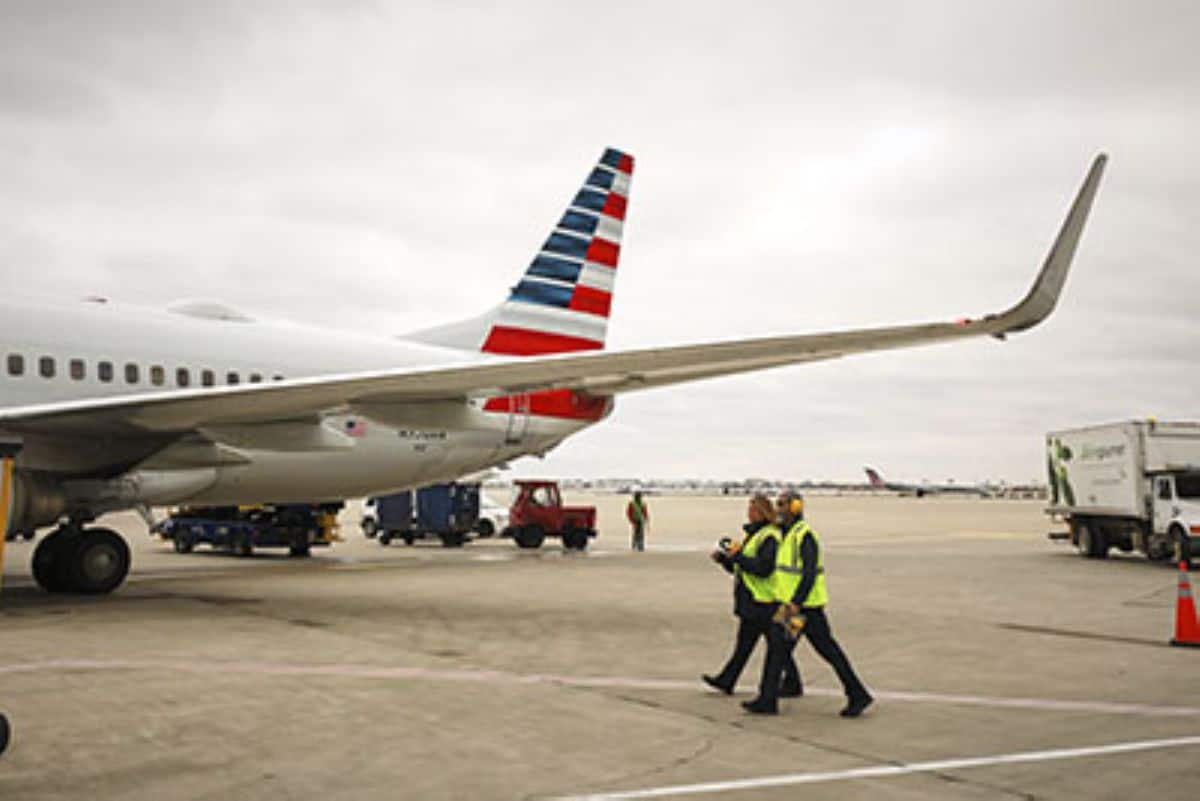
Image generated with Ai
Envoy Air Flight ENY3825, operated by American Airlines, an Embraer E175LR from Nashville to Tampa, diverts to Gainesville Regional Airport on July 27, disrupting the planned journey. Envoy Air Flight ENY3825, operated by American Airlines, an Embraer E175LR from Nashville to Tampa, diverts to Gainesville Regional Airport on July 27 after the crew changes course. However, no official cause has been confirmed. The diversion may have followed weather, a technical indication, a medical concern, air traffic restrictions, or another operational issue. The crew selected Gainesville as a suitable alternate airport and placed safety before the original schedule for everyone aboard.
Why Did the Nashville to Tampa Flight Divert to Gainesville?
No verified explanation was included in the supplied flight information, so the exact reason the aircraft diverted to Gainesville Regional Airport remains unconfirmed. Flight diversions can happen because of severe weather near the destination, a technical indication, an onboard medical issue, congestion, runway restrictions, air traffic control instructions, or another operational concern that makes continuing to the original airport less suitable.
Advertisement
Advertisement
Pilots receive extensive training to assess changing conditions and select the safest practical option, even when that decision causes delays or inconvenience for travellers. A diversion does not automatically mean the aircraft faced a major emergency, because crews frequently act early and cautiously when they believe landing at another airport will reduce risk, support passenger welfare, or allow the aircraft to receive further checks.
Until the airline or a relevant aviation authority releases a confirmed statement, assigning a cause would be speculative and could mislead readers. The most accurate conclusion is that the flight left Nashville for Tampa, changed course during the journey, and landed at Gainesville because the operating crew or airline determined that continuing to Tampa was not the preferred option at that time.
Advertisement
Advertisement
Why Might Gainesville Have Been Selected as the Alternate Airport?
Gainesville Regional Airport is located in northern Florida and can accommodate regional commercial aircraft such as the Embraer E175 involved in this diversion. Its runway, terminal services, air traffic facilities, and access to ground support make it a practical alternate for some flights operating across Florida when their original destination becomes unavailable or unsuitable.
The choice of a diversion airport usually depends on several factors, including the aircraft’s position, remaining fuel, weather, runway length, airport operating hours, maintenance support, emergency services, and the availability of gates or ground staff. Airline dispatchers, air traffic controllers, and the flight crew may work together to identify the airport that offers the best combination of safety, proximity, and operational capability.
Advertisement
Advertisement
Gainesville may also have offered a more convenient landing option than returning to Nashville or continuing towards another major Florida airport, although the supplied data does not confirm the crew’s reasoning. The decision would have been based on real-time information available to the pilots and airline operations team, rather than simply the geographical distance between Gainesville and Tampa.
How Would the Diversion Affect Passengers Travelling to Tampa?
Passengers on the flight would likely have faced a delay because the aircraft landed at an airport different from the one shown on their original booking. After arriving in Gainesville, travellers may have remained on board, entered the terminal, waited for the same aircraft to continue, transferred to another flight, or received ground transport, depending on the cause and the airline’s operational response.
Advertisement
Advertisement
Those with connecting flights, hotel reservations, rental cars, business meetings, or onward travel from Tampa could have experienced further disruption. Airlines normally review affected itineraries and may rebook passengers, provide revised travel information, or arrange alternative transport when a diversion prevents a flight from reaching its destination within a reasonable period.
Travellers should rely on direct airline notifications, official airport updates, and booking information rather than social media speculation, especially when the cause has not been confirmed. They should also keep boarding passes, receipts, and written delay notices, because these documents may be useful when requesting reimbursement, travel insurance support, or assistance under the airline’s applicable customer service policies.
What Happens After a Regional Aircraft Lands Following a Diversion?

Image generated with Ai
Once the Embraer E175 landed at Gainesville, the flight crew, airline operations staff, airport personnel, and maintenance teams would have assessed the situation before approving any further movement. Depending on the reason for the diversion, the aircraft could have undergone a technical inspection, received fuel, waited for improved weather, obtained medical assistance for a passenger, or remained on the ground until operational restrictions were resolved.
Pilots normally complete formal reports after an unscheduled diversion, while airline dispatchers review the aircraft’s condition, crew duty limits, available airport resources, and onward routing options. If the aircraft is cleared to continue, passengers may resume the journey on the same plane, but if further inspection or crew replacement is required, the airline may deploy another aircraft or arrange alternative travel.
Advertisement
Advertisement
The lack of an immediate public explanation is not unusual, because airlines often need time to verify information before issuing a statement. Operational teams may prioritise passenger handling and aircraft safety first, while public communication follows only after the relevant details have been confirmed by qualified staff.
What Does This Diversion Show About Aviation Safety?
The event shows how commercial aviation relies on precautionary decision-making when a flight cannot continue exactly as planned. Diversions are disruptive, but they are also an established safety tool that allows pilots to respond to changing conditions before those conditions develop into a more serious problem.
Modern aircraft such as the Embraer E175 contain monitoring systems that help crews identify technical irregularities, while pilots remain in contact with airline dispatchers and air traffic controllers throughout the journey. These systems support fast decisions, but the final choice to divert rests on the crew’s assessment of the safest available course.
The Nashville-to-Tampa flight therefore ended in Gainesville because the operating team chose an alternate landing airport, although the exact cause remains officially unconfirmed in the available information. For passengers, the central point is that the aircraft landed safely at a suitable airport, while any further claim about weather, technical trouble, or another specific cause would require confirmation from the airline or an aviation authority.
Envoy Air Flight ENY3825 did not reach Tampa as planned after leaving Nashville on July 27. Instead, the Embraer E175LR diverted to Gainesville Regional Airport. No official statement has confirmed the exact cause. Possible reasons include poor weather, a technical warning, an onboard medical issue, air traffic restrictions, or another operational concern. The crew chose Gainesville because it offered a suitable place to land and assess the situation. The diversion does not automatically signal a major emergency. It shows that the pilots prioritised safety, changed the route when necessary, and protected passengers before considering the original timetable and travel plans.
Image: American Airlines
Advertisement
