
Saudi Arabia Joins UAE and Others in Triggering Oman Tourism Revenue Spike in June as Spending Falls Before and After the Khareef Season

Published
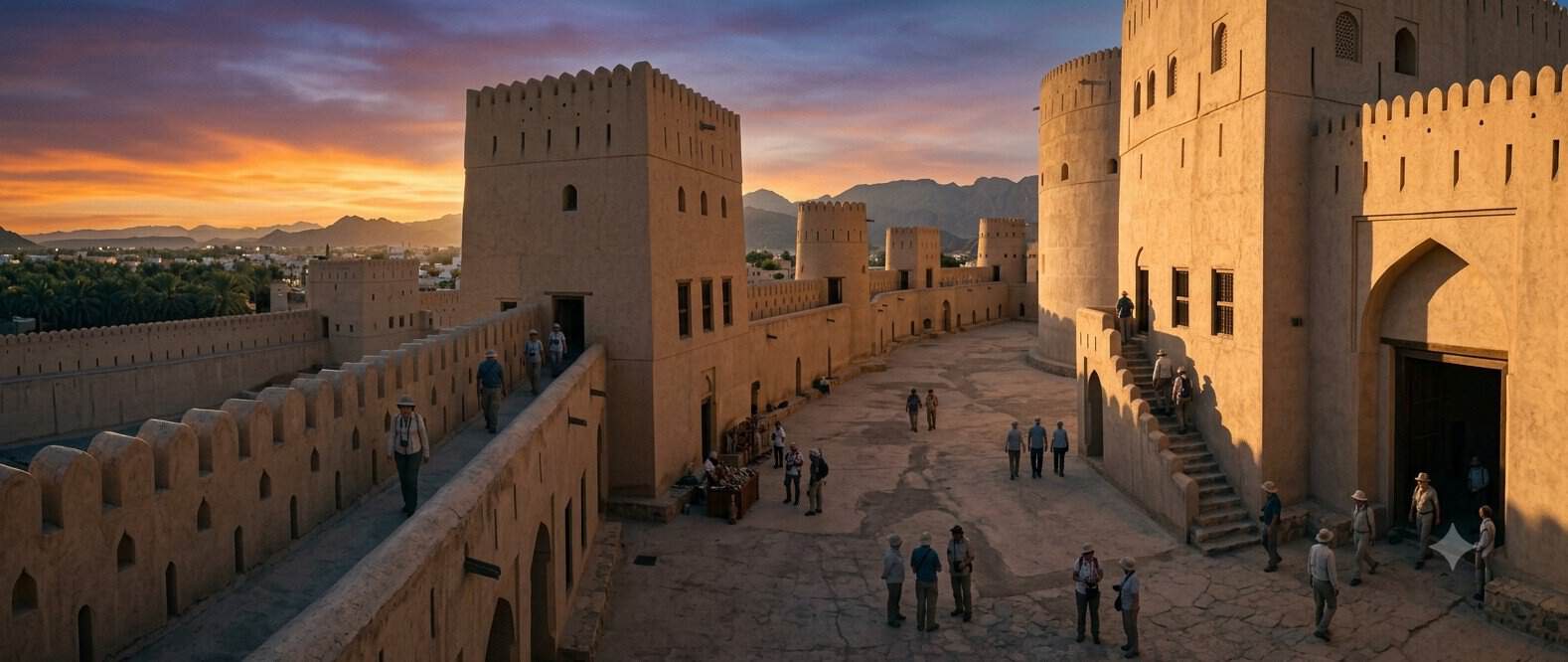
Image generated with Ai
The tourist dollars spent in Oman in June 2026 show the first real signs of potential for the Sultanate’s economy to diversify since Independence. The beginning of the summer across the Arabian Peninsula, particularly in the UAE and KSA, creates a situation where the population travels for leisure. The data from September 2026 shows June tourist spending positively impacted the national economy, despite tourism usually slowing in the months leading up to and following Khareef. June tourists helped bolster Oman’s growing economy in a positive way.
Background: The Unique Appeal of the Khareef Season
The Sultanate of Oman presents one of the most remarkable climatic phenomena in the Middle East. During the summer months, when temperatures across the Arabian Peninsula routinely exceed 45 degrees Celsius, the southern Dhofar Governorate experiences the Khareef, a seasonal monsoon that transforms the arid, rocky landscape into a lush, verdant oasis. This striking geographical anomaly has historically positioned Salalah and its surrounding mountainous areas as a vital sanctuary for domestic and regional tourists seeking immediate respite from the extreme heat. The mist-shrouded mountains, flowing waterfalls, and cool, continuous drizzle create an environment that feels entirely disconnected from the broader Gulf climate. Over the past few decades, the Omani government has strategically capitalised on this natural asset, transforming what was once a quiet, locally appreciated regional secret into an internationally recognised tourism destination.
Advertisement
Advertisement
The infrastructure supporting the Khareef season has evolved immensely, transitioning from basic seasonal tented camps to a highly sophisticated network of luxury resorts, comprehensive multi-lane road networks, and an expanded international airport capable of handling significant seasonal surges. This evolution is not merely a matter of increasing bed capacity; it represents a fundamental shift in Oman’s approach to national economic diversification. By creating a compelling reason for tourists to visit during the traditionally quiet summer months, Oman has successfully engineered a secondary peak season that fiercely rivals winter tourism in other parts of the world. The Khareef is no longer just a weather event; it is a critical economic engine that drives substantial revenue across aviation, hospitality, retail, and local municipal services. Understanding the operational dynamics of this season is absolutely essential for comprehending the broader economic strategies of the Sultanate as it aggressively moves toward a post-oil economy.
Climatic Anomaly in the Arabian Peninsula
The meteorological mechanics of the Khareef are driven by the Indian Ocean monsoon system, which gently brushes against the southern coast of Oman from late June through early September. This sustained period of dense cloud cover and light, persistent rain drastically lowers ambient temperatures to a highly comfortable 20 to 25 degrees Celsius. For residents of Saudi Arabia and the United Arab Emirates, this provides an easily accessible, culturally familiar, and highly attractive alternative to exhausting long-haul flights to Europe or Southeast Asia. The appeal is magnified by the shared cultural, religious, and linguistic ties that make Gulf Cooperation Council (GCC) citizens feel immediately at home in Oman. The topography of Dhofar, featuring steep escarpments that trap the moisture from the sea, creates a hyper-localised microclimate. Just a few hundred kilometres to the north lies the Rub’ al Khali (the Empty Quarter), one of the hottest and driest deserts on earth, making the green transformation of Dhofar seem almost miraculous to first-time visitors from the wider GCC.
Advertisement
Advertisement
Evolution of Tourism Infrastructure in Dhofar
To accommodate the burgeoning regional demand, the Ministry of Heritage and Tourism has meticulously overseen a massive expansion of Dhofar’s hospitality infrastructure. According to official data from the National Centre for Statistics and Information (NCSI), the number of licensed accommodation establishments in Dhofar reached 114 in 2025, up significantly from 64 in 2024 and just 52 in 2023. This rapid, structured development includes high-end five-star international resorts, family-oriented serviced apartments, and boutique eco-lodges specifically designed to minimise environmental impact on the delicate local ecosystem. This infrastructure is specifically designed to handle the massive influx of visitors during the Khareef, ensuring that the quality of service remains impeccably high even at peak occupancy rates. Furthermore, the expansion of municipal utilities, including advanced water desalination, robust power grids, and high-speed telecommunications networks, ensures that the modern tourist’s expectations are not just met, but exceeded, regardless of the remote location of some luxury eco-camps.
Advertisement
Advertisement
Latest Official Developments as of September 2026
As of late September 2026, newly released official data from the NCSI reveals unprecedented, record-breaking success for the Omani tourism sector. The latest verified statistics underscore a robust recovery and expansion phase, definitively surpassing all pre-pandemic benchmarks and significantly eclipsing the already strong performance of 2025. Between 21st June and 31st August 2026, the Dhofar Governorate welcomed an astonishing 1,116,051 visitors, marking an 8.6 percent increase from the 1,027,255 visitors securely recorded during the exact same period in the previous year. This immense growth is a profound testament to the persistent, magnetic allure of the Khareef and the unparalleled success of targeted, data-driven marketing campaigns orchestrated by the Omani government across the wider GCC.
The sheer volume of these regional arrivals required a meticulously coordinated operational response from national authorities, encompassing streamlined border control management, dynamic aviation scheduling, and enhanced municipal services to ensure a safe, seamless experience for well over a million guests. August 2026 alone accounted for a staggering 643,602 of these arrivals, representing the absolute peak of the monsoon season when the greenery is at its most vibrant and visually spectacular. However, the defining economic narrative of 2026 is uniquely characterised by the massive early surge in June, which set a powerful, cash-rich financial precedent for the remainder of the season.
Record-Breaking Visitor Arrivals in 2026
The precise demographic composition of these 1.116 million visitors reveals deep, actionable insights into Oman’s primary tourism markets. Domestic tourism indisputably remains the foundational bedrock of the Khareef season, with loyal Omani nationals comprising 73.2 percent of the total volume, translating to 816,719 individual visitors. This massive internal movement of people stimulates essential domestic wealth redistribution, effectively channelling significant funds from the administrative and commercial capital region of Muscat directly into the southern provincial economy of Dhofar. Meanwhile, visitors from other GCC nations reached an impressive 183,861 through August 2026, decisively reinforcing the region’s supreme importance as a primary target demographic for high-value tourism.
Accommodation and Hospitality Sector Milestones
The national hotel sector has simultaneously reported stellar, market-leading performance metrics that clearly demonstrate structural industry health. Early in the year, well prior to the commencement of the Khareef, NCSI data definitively showed that three-to-five-star hotels across the Sultanate generated over OMR 96.15 million (approximately USD 249.7 million) in total revenues by the end of April 2026. During this preliminary period, the hospitality sector welcomed 696,911 guests, maintaining a solid occupancy rate of 50.2 percent. This foundational, robust revenue stream provided the hospitality sector with incredibly strong financial liquidity heading into the demanding summer months. When the June spike inevitably commenced, hotels in Salalah and the wider Dhofar region were perfectly, strategically positioned to capitalise on the sudden influx, effectively driving national hospitality revenues to absolute record heights as premium rooms and luxury suites were booked at peak seasonal rates.
The Impact of Saudi Arabia and the UAE on the June Surge
The Oman tourism revenue spike in June is fundamentally attributable to rapidly changing travel patterns and evolving consumer preferences among citizens and affluent expatriates residing in Saudi Arabia and the UAE. Traditionally, the vast bulk of international Khareef visitors arrived in late July and August, corresponding neatly with regional school summer holidays and the absolute climatic peak of the monsoon’s visual spectacle. However, 2026 has witnessed a pronounced, highly lucrative shift in this timeline. Eager to escape the oppressive early summer heat of the northern Gulf and desperately looking to avoid the intense, overwhelming crowding characteristic of August, a substantial cohort of highly affluent travellers from major metropolises such as Riyadh, Jeddah, Dubai, and Abu Dhabi actively initiated their holidays in June.
Advertisement
Advertisement
This early arrival window dynamically triggered an unexpected and highly lucrative revenue spike for the Omani hospitality sector. Because these early visitors almost exclusively book premium, five-star accommodations and frequently stay for extended periods before the peak mass-market crowds arrive, their per capita expenditure is notably exceptional. Official financial estimates strongly highlight that GCC visitors, particularly those crossing from Saudi Arabia and the UAE, boast a significantly higher daily spend than domestic tourists. For instance, based on comprehensive 2025 expenditure data published by the NCSI, the average spending per GCC visitor was calculated at approximately OMR 155, which is markedly and structurally higher than the OMR 103 average recorded for Omani domestic visitors. When this specific, high-yield demographic consciously shifted its travel window forward to June, it directly fueled the aforementioned revenue spike, effectively pulling forward a substantial portion of the entire season’s projected hospitality income and fundamentally altering the cash flow dynamics of the Dhofar region.
Cross-Border Tourism from the GCC
The immediate geographical proximity of the UAE and Saudi Arabia makes cross-border land travel highly feasible and incredibly popular. Many large extended families actively opt to drive, taking full advantage of the modern, highly maintained international highway networks seamlessly connecting the GCC nations. The road journey itself has organically become part of the holistic holiday experience, allowing tourists to transition from the harsh desert environments into the sudden, shocking greenery of the Dhofar mountains. The Omani government has masterfully facilitated this trend by radically streamlining land border crossing procedures. By rapidly implementing advanced digital customs clearance protocols, deploying biometric verification systems, and ensuring that the land checkpoints are heavily staffed during the June rush, wait times have been slashed. This supreme operational efficiency directly translates into a significantly more welcoming first impression, actively encouraging lucrative repeat visits year after year.
Flight Capacities and Land Border Crossings
While overland travel remains deeply entrenched in regional culture, civil aviation has played a genuinely crucial role in generating the June revenue spike. Leading regional carriers, prominently including Oman Air, SalamAir, Emirates, flydubai, and Saudia, proactively and significantly augmented their daily flight frequencies to Salalah International Airport starting in early-to-mid June. This massive, coordinated increase in airlift capacity allowed time-poor corporate professionals and business owners from the UAE and Saudi Arabia to seamlessly take extended weekend breaks, further contributing heavily to the early financial surge. The seamless, digital integration of bespoke air travel packages with luxury hotel stays has definitively proven to be a highly lucrative, highly scalable model for the Omani tourism industry, bypassing the traditional bottlenecks of terrestrial travel.
Analysing the Oman Tourism Revenue Spike in June
Understanding the complex temporal distribution of tourism spending in Oman requires a rigorous, data-led close examination of the periods immediately preceding and strictly following the Khareef season. Historically, regional tourism spending falls precipitously before the monsoon rains firmly establish themselves in late June, and it reliably crashes again after the season abruptly concludes in late September. The protracted period between April and early June is typically viewed as a sluggish shoulder season, broadly characterised by exceptionally lower hotel occupancy rates, drastically reduced retail expenditure, and minimal international footfall in the southern governorates.
However, the unprecedented dynamic indicators definitively observed in 2026 powerfully indicate a permanent structural shift in consumer behaviour. The Oman tourism revenue spike in June effectively, and incredibly profitably, shortened this dreaded low-spending pre-Khareef window. By successfully attracting high-spending, luxury-oriented GCC tourists significantly earlier in the summer calendar, Oman has masterfully managed to smooth out the volatile annual revenue curve, providing vulnerable local SMEs and massive resort conglomerates alike with much-needed, vital cash flow earlier in the operational cycle. This early, massive financial influx actively acts as a robust financial buffer against the inevitable, structural spending contraction that predictably occurs post-Khareef. Once the monsoon rains finally subside, the heavy clouds part, and the lush landscape inevitably begins to dry and brown in late September, visitor numbers naturally plummet. The regional Dhofar economy consequently enters a decidedly quieter, restorative phase until the more traditional winter tourism season picks up momentum across the northern and central regions of the Sultanate.
Advertisement
Advertisement
Pre-Khareef Spending Dynamics
The tense weeks immediately leading up to the Khareef are absolutely critical for local businesses operating in Dhofar. They strictly involve significant, high-risk capital outlay as hotels frantically renovate, restaurants extensively restock perishable supply chains, and municipal authorities rush to finalise crucial infrastructure upgrades. Historically, this preparatory period was marked by desperately low daily revenue generation. The strategic shifting of the GCC tourist influx forward into June has fundamentally, permanently altered this historical financial dynamic. It crucially allows agile businesses to rapidly recoup their heavy preparatory investments almost immediately upon opening their doors, thereby drastically improving the overall financial health, liquidity, and operational resilience of the local private sector.
Financial Influx During the Early Monsoon
The early June arrivals are particularly, uniquely valuable because they intentionally interact with the local regional economy differently than the sprawling August crowds. Early visitors frequently, and enthusiastically, engage in exceptionally high-margin niche activities. These include booking private, expert-guided ecological tours, securing reservations at premium fine-dining establishments, and committing to extended luxury villa stays, well before the sheer, overwhelming volume of August mass-market tourists necessitates a fundamental shift toward basic, volume-driven service delivery. This high-yield, lower-volume operational paradigm witnessed in June is a core, undeniable driver of the revenue spike, elegantly demonstrating that the economic quality of the tourist demographic is just as critical—if not more so—than the absolute, raw quantity of arrivals.
Post-Khareef Spending Contraction
Despite the undeniable financial triumphs of the early summer, the pragmatic Omani government remains acutely, realistically aware of the sharp, inevitable spending drop that reliably, historically occurs precisely after the Khareef concludes. As schools comprehensively reopen across the entire GCC in early September and ambient temperatures finally begin to moderate in neighbouring countries, the unique, weather-driven selling proposition of Dhofar temporarily diminishes. Official state policy is therefore increasingly, aggressively focused on developing permanent, year-round attractions to expertly mitigate this dreaded post-season financial slump, actively aiming to maintain a reliable baseline of economic activity that can sustainably support permanent, rather than just seasonal, employment in the local hospitality sector.
Government Announcements and Strategic Tourism Initiatives
The truly remarkable, record-breaking performance of the 2026 summer tourism season is absolutely not a product of mere serendipity or random chance. Rather, it is the direct, calculated result of meticulous long-term planning, aggressive regional marketing, and strategic foresight executed by the Ministry of Heritage and Tourism. Official government announcements aggressively distributed in the months strictly leading up to the Khareef season detailed highly comprehensive, digitally sophisticated marketing campaigns specifically targeting high-net-worth demographics residing within Saudi Arabia and the UAE.
These visually stunning campaigns purposefully emphasised not only the obvious, immediate climatic relief magically offered by Dhofar, but also aggressively highlighted the region’s deeply rich cultural heritage, thrilling adventure tourism opportunities, and bespoke, high-end luxury experiences exclusively available in the Sultanate. The Omani government has actively, transparently collaborated with major private sector stakeholders—from airline executives to international hotel operators—to absolutely ensure that the national tourism brand is projected flawlessly and consistently across all digital and traditional platforms. Furthermore, the proactive authorities have forcefully implemented strict, uncompromising regulatory frameworks explicitly designed to actively prevent predatory price gouging during the peak season. This ensures that Oman strictly remains a highly competitively priced, high-value destination relative to its global alternatives. This relentless, institutional focus on delivering exceptional value for money is absolutely crucial for retaining the fierce, long-term loyalty of GCC tourists who possess multiple, easily accessible regional and international travel options.
Advertisement
Advertisement
Ministry of Heritage and Tourism’s Forward Planning
The Ministry of Heritage and Tourism has been fundamentally instrumental in orchestrating a highly unified, cohesive national approach to the entire Khareef season. By seamlessly coordinating complex logistics with the Royal Oman Police, the Ministry of Health, and various local Dhofar municipalities, they have successfully ensured that the massive, sudden influx of well over a million visitors does not dangerously overwhelm local civil infrastructure. Preventative public health measures, rapid emergency response capabilities, and highly sophisticated digital traffic management systems were all systematically upgraded and rigorously tested well in advance of the June arrivals. This reflects a highly mature, exceptionally capable tourism administration that prioritises visitor safety equally with revenue generation.
Alignment with Oman Vision 2040
The undeniable, verified successes of the 2026 tourism season are inextricably, deeply linked to the broader, ambitious macroeconomic objectives of Oman Vision 2040. This comprehensive national blueprint explicitly, repeatedly identifies sustainable tourism as a critical, non-negotiable pillar for long-term economic diversification, aggressively aiming to permanently reduce the country’s historical, vulnerable reliance on volatile hydrocarbon export revenues. By systematically cultivating a highly sustainable, exceptionally high-value tourism industry, the Omani government is rapidly creating secure, long-term employment opportunities for educated Omani youth, actively stimulating private sector enterprise, and fostering a far more resilient, diversified macroeconomic environment. The spectacular June revenue spike serves as undeniable, empirical validation that these long-term, visionary strategies are currently yielding massive, tangible financial results.
Detailed Statistics: Dissecting the 2026 Data
A rigorous, granular analysis of the authoritative data officially provided by the National Centre for Statistics and Information (NCSI) reveals the complex, highly lucrative economic anatomy of the 2026 Khareef season. To fully, properly grasp the sheer magnitude of the 2026 financial performance, it is absolutely necessary to first look at verified historical expenditure patterns to establish a baseline. During the 2025 Khareef season, total visitor spending across all categories was officially, precisely estimated at OMR 124.64 million, representing a very solid, healthy increase from OMR 120.52 million in 2024, and significantly up from the OMR 102.63 million recorded during the 2023 recovery phase. This undeniably clear trajectory of consistent, year-on-year financial growth perfectly set the structural stage for the phenomenal achievements subsequently witnessed in 2026.
The exact expenditure breakdown meticulously compiled by the NCSI is particularly revealing for economic planners. In 2025, direct accommodation costs accounted for the absolute lion’s share of tourist spending, firmly capturing 39.5 percent of the total revenue, equating to a massive OMR 49.24 million. This clearly underscores the critical, foundational importance of the hotel and resort sector in actively extracting maximum financial value from the incoming tourist influx. Furthermore, expenditure on food and beverages accounted for 22.9 percent (totalling OMR 28.51 million), while the remaining funds were distributed across travel tickets and retail expenditures. Given the astonishing fact that total hotel revenues in the Dhofar region officially expanded by nearly 20 percent between 2024 and 2025 (reaching an impressive OMR 56.91 million), the structural economic stage was perfectly, inevitably set for the massive, unprecedented early June spike witnessed so clearly in 2026.
Nationality Breakdown of Visitors
The specific demographic composition of incoming visitors provides essential, highly actionable market intelligence for future infrastructure planning. The highly impressive 8.6 percent overall growth in 2026 visitor numbers (which peaked at 1.116 million by the absolute end of August) was undeniably fueled heavily by fierce domestic brand loyalty. However, the immense strategic, financial value of the 183,861 GCC visitors formally recorded cannot possibly be overstated. Because their per capita, daily spending is significantly, structurally higher across all tracked metrics, they exert a vastly disproportionate, highly positive influence on total regional revenue generation. The early, eager arrival of thousands of Saudi and Emirati tourists in June fundamentally, permanently shifted the baseline financial dynamics of the entire tourist season.
Advertisement
Advertisement
Revenue Segmentation Across the Hospitality Sector
The tremendous financial impact of the Khareef is robustly felt across absolutely all tiers and classifications of the hospitality industry. While the flashy headline figures routinely focus on exclusive, five-star luxury beachfront resorts, the vast mid-tier, three-to-four-star segment also experienced truly exceptional, often sold-out occupancy rates. This highly diverse, multi-tiered accommodation ecosystem is fundamentally vital for long-term growth; it guarantees that Oman strictly remains highly accessible to a broad, diverse spectrum of tourists. This ranges from ultra-high-net-worth individuals actively seeking highly exclusive, private villa retreats, right through to middle-class, multi-generational families requiring highly affordable, comfortable, and practical lodging. The immense overall OMR 96.15 million revenue officially recorded by three-to-five-star hotels nationwide by April 2026 forcefully demonstrated the sector’s incredible, fundamental financial strength even before the monsoon rains had begun to fall.
Expenditure by Category: Accommodation versus Dining
Rigourously analysing the specific sub-categories of tourist spending provides a flawlessly clear, data-backed roadmap for targeted future foreign and domestic investment. The NCSI data explicitly shows that while baseline accommodation spending is currently growing at a highly robust rate, overall expenditure on food and beverages is expanding at a slightly, noticeably slower pace. This divergence indicates a massive, untapped market opportunity for the aggressive development of high-end dining, international franchises, and bespoke experiential culinary concepts within Dhofar, which could effortlessly further drive up the highly coveted average spend per visitor metric.
Policy Implications for the Broader Economy
The sustained, rapid growth of the Khareef season necessitates continuous, highly responsive policy refinement from central government to ensure that the physical expansion remains environmentally and economically sustainable. The Omani government is deeply, structurally committed to strictly preserving the pristine, unique natural environment of Dhofar, which correctly views as the foundational, irreplaceable asset of the entire regional tourism industry. Strict, uncompromising policies regulating commercial land use, enforcing heavy industrial waste management, and severely limiting vehicular access to highly sensitive ecological zones have recently been fortified. The supreme objective is to aggressively maximise direct economic yield without ever compromising the fragile ecological integrity of the green mountains, hidden wadis, and pristine coastal plains.
Enhancing Sustainable Tourism
Sustainable tourism is absolutely no longer a peripheral, marketing-driven concept; it is now central, mandatory to Oman’s entire developmental ethos. Aggressive initiatives to heavily promote eco-friendly public transport, strictly reduce single-use plastics in all hospitality venues, and financially support local agricultural producers supplying hotel kitchens are being actively, loudly championed by the Ministry of Heritage and Tourism. By expertly positioning Dhofar as a premier, globally recognised sustainable destination, Oman is highly successfully appealing to a rapidly growing, highly lucrative global demographic of environmentally conscious luxury travellers.
Visa Regulations and Regional Integration
To expertly facilitate the entirely seamless, frictionless movement of high-value regional tourists, Oman has continuously, intelligently refined its international visa policies. For citizens and legal residents of the GCC, cumbersome border formalities have been almost entirely eliminated. The rapid implementation of unified, cross-border regional tourism initiatives and highly simplified, instant electronic visa processes for affluent expatriates currently residing in Saudi Arabia and the UAE has undeniably been a massive, primary catalyst for the June revenue surge, completely removing annoying bureaucratic friction from the crucial travel decision-making process.
Advertisement
Advertisement
Industry Impact: From Aviation to Local Businesses
The profound, far-reaching ripple effects of the tourism spike are vibrantly felt throughout every layer of the Omani economy. The civil aviation sector has undeniably been a primary, massive beneficiary of this trend. Salalah International Airport, which has fortunately undergone highly significant, visionary expansion in recent years, seamlessly serves as the critical, high-capacity gateway for high-spending international arrivals. The incredibly robust, highly profitable performance of the aviation sector during the frantic summer months actively helps to heavily cross-subsidise quieter operational routes during slower periods, massively strengthening the overall, long-term viability of the national transport infrastructure.
Airlines Ramping Up Frequency
To successfully meet the absolutely unprecedented, highly concentrated demand witnessed in June 2026, both domestic and major regional airlines rapidly executed aggressive capacity adjustments. The strategic deployment of massive wide-body aircraft—such as Boeing 777s—on traditionally short-haul routes from Dubai, Abu Dhabi, and Riyadh to Salalah vividly illustrates the sheer, overwhelming volume of daily passenger traffic. This logistical triumph required intense, real-time coordination between airline network planning departments, civil aviation regulatory authorities, and ground handling airport management teams.
The Ripple Effect on SME Revenue
Beyond the massive, multinational corporate entities, the truly transformative economic impact of the Khareef is highly visible in the rapidly burgeoning Small and Medium Enterprise (SME) sector. Highly motivated local Omani entrepreneurs proactively providing bespoke tour guiding, authentic traditional Omani culinary experiences, and high-quality artisanal retail have happily reported absolute record earnings. The central government’s highly active, financially supportive promotion of SME participation ensures that the massive financial benefits of the tourism boom are distributed equitably, fairly, and broadly among the local Dhofari population.
Economic Implications and National Growth
From a high-level macroeconomic perspective, the rapid, massive injection of hundreds of millions of Omani Rials directly into the Dhofar economy over a highly concentrated, frantic three-month period powerfully acts as a massive economic stimulus. It aggressively bolsters national foreign exchange reserves, actively supports the strict stability of the national currency, and provides a highly visible, globally recognised demonstration of Oman’s impressive economic diversification capabilities in an era of global economic uncertainty.
Diversification Away from Hydrocarbons
For many decades, major Gulf economies have relied dangerously heavily on highly volatile oil and gas revenues. Oman’s highly successful, meticulously planned cultivation of the Khareef season serves as an absolute premier, textbook case study in sustainable post-oil economic development. The vast revenues generated by luxury tourism are inherently far more sustainable and significantly less subject to brutal global commodity price shocks. The specific, verified June spike absolutely proves that Oman can independently create compelling, highly demand-driven economic events entirely independent of global energy markets.
Advertisement
Advertisement
Job Creation and the Labour Market
The modern hospitality and tourism sectors are intrinsically, highly labour-intensive, making them truly excellent, highly reliable engines for national job creation. The massive, ongoing expansion of luxury hotel capacity and related ancillary services in Dhofar has directly generated many thousands of high-quality employment opportunities specifically for Omani nationals. Through highly targeted, state-funded training programmes, the government is strictly ensuring that its citizens are fully equipped with the precise skills necessary to confidently assume senior leadership roles within this critical sector, flawlessly fulfilling another key, non-negotiable objective of Vision 2040.
Tourism, Business, and Public Impact
The sudden, massive influx of well over 1.1 million visitors into a relatively concentrated, environmentally sensitive geographic area undeniably, heavily impacts the local host community. However, the Omani government has masterfully managed this complex social dynamic with truly exceptional cultural sensitivity and foresight. The Khareef season is respectfully treated not just as a raw economic event; it is widely celebrated as a profound, meaningful cultural exchange, actively fostering deeper, lasting ties of brotherhood, respect, and mutual understanding between Omani citizens and their visiting GCC neighbours.
Cultural Exchange and Regional Brotherhood
The deeply shared language, Islamic religion, and conservative social customs make Oman an incredibly welcoming, highly comfortable environment for visiting Saudi and Emirati families. This intrinsic cultural alignment is a massive, irreplaceable competitive advantage that cannot be artificially replicated. Visitors feel deeply comfortable, safe, and highly respected, which translates immediately and directly into incredibly high levels of repeat, multi-generational visitation. The Khareef fundamentally serves as a joyous, massive annual reunion of sorts for the broader, integrated Gulf community.
Preserving National Heritage Amidst High Footfall
Expertly balancing massive, record-breaking tourist numbers with the absolute preservation of fragile cultural and historical sites is a highly delicate, complex task. The Ministry of Heritage and Tourism has successfully implemented highly sophisticated, data-driven crowd management protocols at incredibly popular, sensitive destinations such as the ancient Frankincense Trail, fragile historical forts, and natural freshwater springs. These strict, unyielding measures strictly ensure that the very beautiful attractions drawing millions of visitors are not accidentally degraded or destroyed by their overwhelming presence.
Future Outlook: Navigating the Remaining Quarters of 2026
As the frantic 2026 Khareef season inevitably concludes and the lush landscape slowly begins to dry, the strict strategic focus of the Omani government rapidly shifts toward actively maintaining this massive economic momentum. The absolute immediate priority is to expertly manage the predictable post-season spending contraction. While the Oman tourism revenue spike in June undeniably provided an incredibly excellent, highly lucrative early boost, ensuring complete year-round financial viability remains the ultimate, overarching policy goal for regional planners.
Advertisement
Advertisement
Strategies to Extend the Tourist Season
To aggressively mitigate the inevitable autumnal drop in regional visitors, national tourism authorities are now actively, heavily promoting Salalah as a highly premium, warm winter destination specifically targeted at European tourists desperately seeking winter sun. By intelligently leveraging the world-class, expensive infrastructure already developed for the Khareef, Oman can seamlessly, profitably transition from a regional summer refuge into a massive international winter retreat. This highly logical dual-season strategy is absolutely essential for strictly maximising the long-term financial return on massive state capital investment in Dhofar’s luxury hospitality sector.
Preparing for 2027 and Beyond
Looking firmly ahead, the truly exceptional, record-breaking results of 2026 will undoubtedly serve as a highly elevated new baseline for all future economic planning. The government is already meticulously analyzing the vast troves of demographic data, highly specific spending patterns, and minor infrastructure stress points identified during this season to aggressively refine their operational approach for 2027. Continued, heavy investment in sustainable green technologies, seamless digital tourism services, and highly bespoke, high-end experiential offerings will definitively ensure that Oman strictly remains at the absolute, undisputed forefront of regional tourism, successfully capturing the imagination—and vast expenditure—of affluent travellers for many decades to come.
Advertisement
