
Mondial de la Bière 2026 Rio de Janeiro: Ultimate Guide to Pier Mauá Craft Beer Festival, Tickets, and Travel Tips

Published

Image generated with Ai
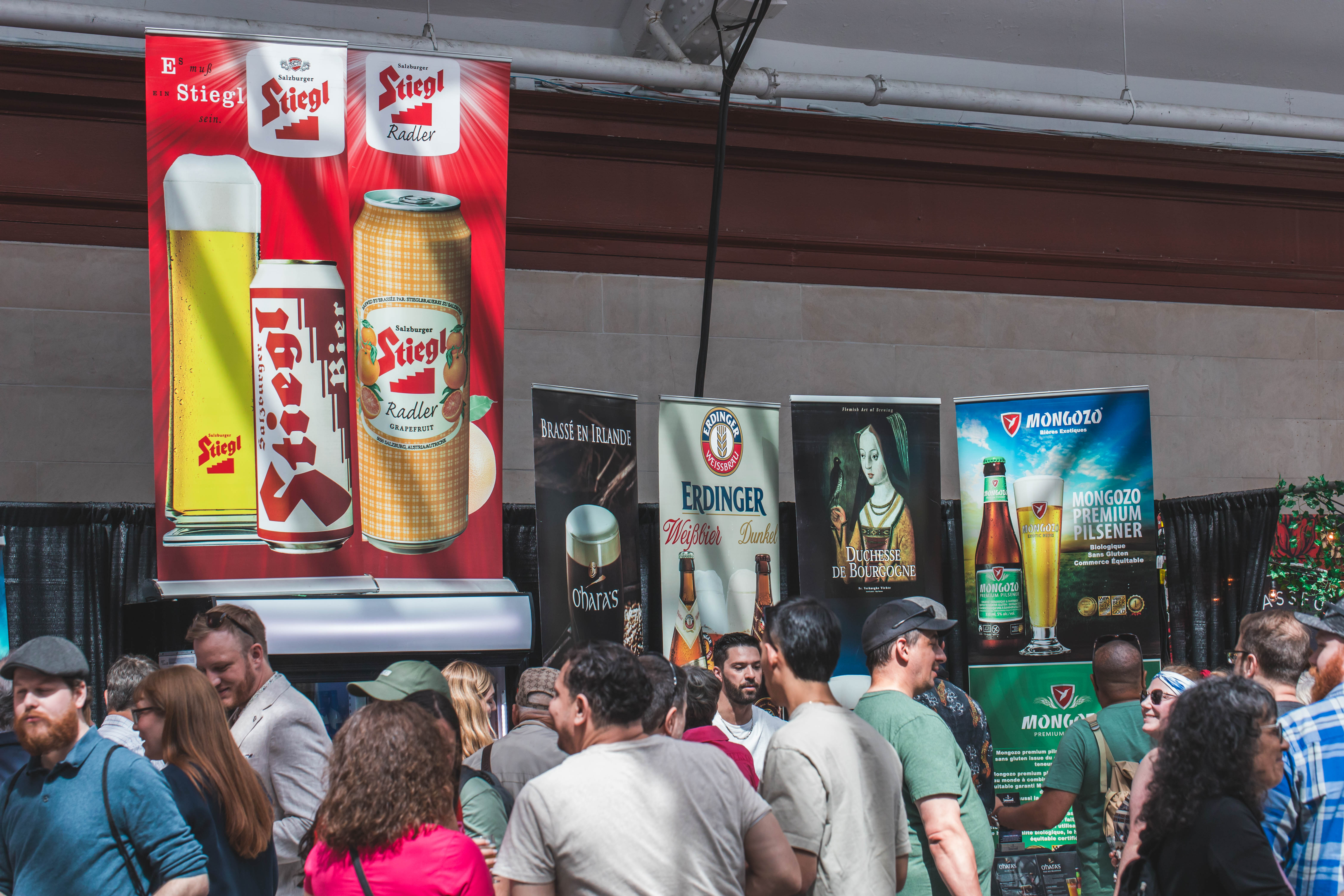
The cultural landscape of Rio de Janeiro is frequently shaped by large-scale international gatherings, among which Mondial de la Bière 2026 holds a prominent position as a premier celebration of craft brewing. Originating internationally and finding a massive, enthusiastic following in Brazil, this festival has historically served as a central meeting point for master brewers, industry innovators, and enthusiasts of specialized beverages. The upcoming edition is scheduled to take place at the iconic Pier Mauá, situated along Av. Rodrigues Alves, 10 – Praça Mauá. This historic maritime terminal provides a sweeping backdrop of the Baía de Guanabara, merging industrial heritage with modern urban revitalization. Over multiple days, including October 30, 2026, the venue transforms into a bustling ecosystem dedicated to sensory exploration, where attendees can examine hundreds of national and international beer labels, engage directly with producers, and immerse themselves in a comprehensive lifestyle program that includes live musical performances and curated culinary stations.
Impact on Travellers
For domestic and international visitors journeying to Rio de Janeiro, the staging of Mondial de la Bière 2026 generates a dynamic surge in tourism and hospitality engagement. Travelers arriving in the city experience a multifaceted cultural immersion that extends far beyond standard sightseeing. The influx of tourists stimulates local hotels, boutique guesthouses, and regional gastronomy, fostering a lively exchange of ideas between global visitors and local residents. Attendees are afforded a unique opportunity to explore specialized microbreweries that might otherwise remain inaccessible outside regional distribution networks. Furthermore, the integration of diverse food trucks, high-end gastronomy, and live acoustic or electronic sets ensures that travelers encounter a holistic celebration of modern Brazilian leisure culture within a secure and organized environment.
Advertisement
Advertisement
Industry Insights
Within the broader beverage sector, Mondial de la Bière 2026 functions as a crucial barometer for market trends, consumer preferences, and technological advancements in sustainable brewing. Industry professionals utilize this platform to launch experimental formulations, test novel hop profiles, and gauge public reception toward organic or locally sourced ingredients. Craft breweries rely heavily on the visibility provided by the festival to establish B2B networks, secure distribution channels, and elevate brand prestige in a fiercely competitive market. Analysts observe that events of this scale accelerate the maturation of the independent brewing sector by encouraging knowledge transfer, promoting quality control standards, and highlighting the economic viability of artisanal production models on a macro level.
Practical Information
Attending Mondial de la Bière 2026 requires careful adherence to operational guidelines established by event organizers and ticketing platforms such as Ingresse. Digital access protocols dictate that tickets must be acquired exclusively through authorized channels. Upon arrival at Pier Mauá, visitors are mandated to present their digital ticket via the official mobile application alongside a valid, government-issued photo identification document. Strict policies govern entry requirements, and refunds or exchanges are regulated strictly under consumer protection laws, factoring in time constraints relative to the event date. Attendees are advised to monitor official announcements regarding token systems or cashless payment wristbands utilized inside the festival grounds for purchasing beverages and food items.
Advertisement
Advertisement
Comparison with Previous Policies or Developments
When evaluated against previous iterations, the organizational framework of Mondial de la Bière 2026 reflects a heightened emphasis on digital integration, streamlined access control, and enhanced environmental sustainability measures. Earlier editions often relied on physical ticketing structures and fragmented payment methods, which occasionally led to extended queues at entry points and concession stands. In contrast, contemporary operational policies mandate fully digital mobile credentials to minimize paper waste and accelerate throughput at the gates of Pier Mauá. Additionally, crowd management strategies have been refined through data-driven spatial planning, ensuring that pedestrian flow remains optimized even during peak attendance hours across the multi-day festival schedule.
Advertisement
Advertisement
Venue, Ticket Guidelines for Fans, and Traveler Commute
The historic Pier Mauá serves as the definitive home for the event, offering expansive indoor and open-air zones optimized for large-scale cultural gatherings. For fans securing entry, ticket guidelines mandate that purchases be verified strictly through official platforms to prevent fraudulent access; third-party acquisitions are strongly discouraged by organizers. Attendees must ensure their mobile devices are fully charged to display the mandatory digital entry pass at the checkpoint.
Regarding commuter logistics for travelers navigating toward Rio de Janeiro, reaching Pier Mauá is highly accessible via the city’s integrated public transit network. Visitors can utilize the VOLT Carioca (Light Rail), which features a dedicated stop directly at Praça Mauá, seamlessly connecting passengers arriving from the Novocaine Rio Bus Terminal or Santos Dumont Airport. Alternatively, municipal bus lines and licensed taxi or ride-sharing services provide direct drop-off zones near Av. Rodrigues Alves, ensuring that local and international commuters can arrive and depart with maximum convenience and safety.
Offical Image Credits- https://festivalmondialbiere.qc.ca/assets/images/media/mondialbiere-2024-90.jpg
Advertisement
