
United Airlines Operated American Airlines Flight AA4543, an Embraer E175 from Nantucket to Washington Diverts to Philadelphia International Airport, United States: Travel Information for 14 July

Published
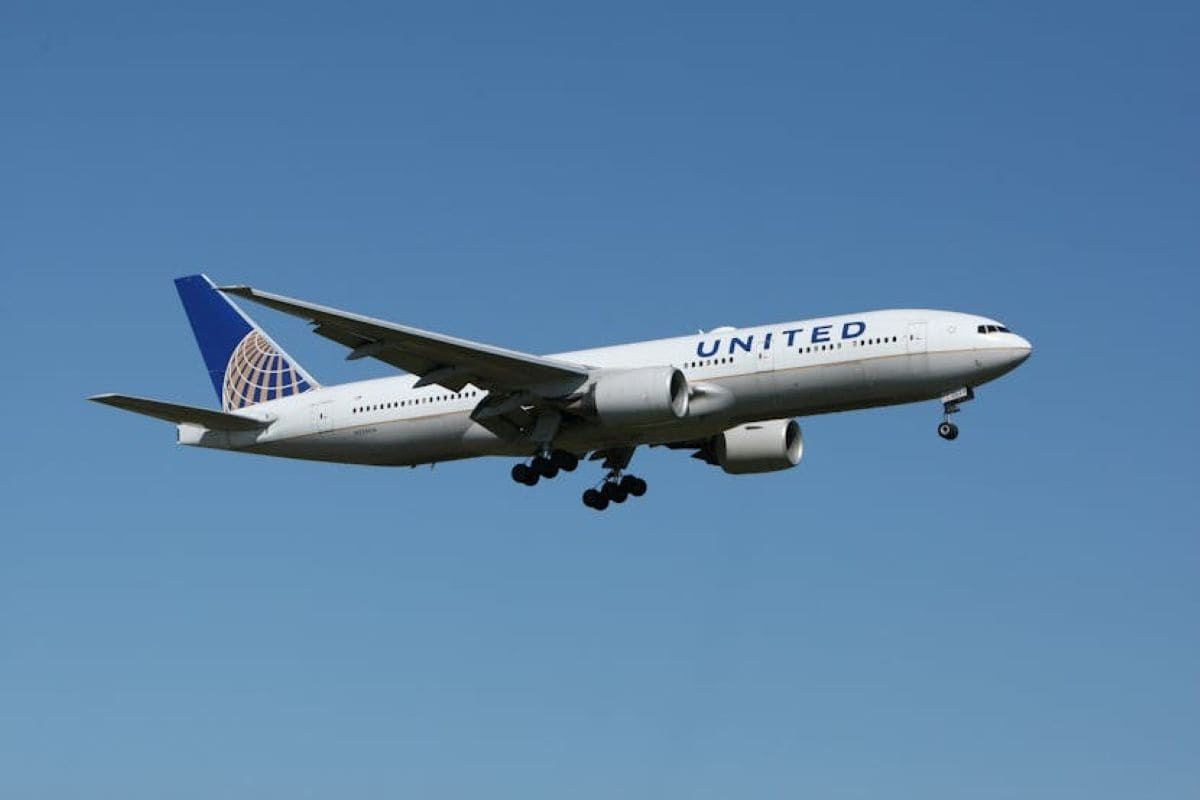
Image generated with Ai
An American Eagle flight bound for Washington, D.C., was forced to make an unscheduled landing in Pennsylvania on Tuesday, highlighting the complex operational choices airlines must navigate during regional transit disruptions.
Passengers faced unexpected disruption on 14 July when American Airlines flight AA4543 from Nantucket to Washington diverted to Philadelphia. Discover why this Embraer E175 made a sudden detour and what it means for your local travel.
An unexpected schedule change disrupted regional summer travel on 14 July. The morning service of American Airlines flight AA4543 from Nantucket to Washington altered its path abruptly. Consequently, air traffic control directed the scheduled Embraer E175 regional jet to abandon its approach to the capital. The aircraft instead executed a safe, tactical diversion to Philadelphia International Airport in the United States. Furthermore, operating carrier Republic Airways confirmed all passengers landed securely despite missing their primary destination. Travelers quickly sought critical travel information as the airline worked to resolve the sudden East Coast transit backlog.
American Airlines flight AA4543, operated by regional partner Republic Airways, departed Nantucket, Massachusetts, but never reached its intended destination at Washington Reagan National Airport. The Embraer E175 aircraft, carrying the registration N422YX, was safely diverted to Philadelphia International Airport after encountering operational constraints that blocked its approach into the nation’s capital. Passengers faced unexpected travel delays as flight dispatchers and the flight crew elected to switch to their designated alternate airport rather than risk prolonged holding patterns.
Advertisement
Advertisement
Why did American Airlines flight AA4543 divert to Philadelphia?

Image generated with Ai
The primary catalyst behind the diversion of flight AA4543 stems from the severe airspace congestion and sudden weather shifts that frequently plague the busy Mid-Atlantic aviation corridor during peak summer travel periods. When atmospheric instability or heavy traffic restricts arrivals at major metropolitan airports, air traffic control routinely instructs incoming aircraft to enter holding patterns until landing slots become available.
Advertisement
Advertisement
Because Washington Reagan National Airport operates under highly rigid geographical restrictions and limited runway capacity, even minor disruptions can cascade into significant regional backlogs. The flight crew, monitoring their fuel consumption closely against these mounting air traffic delays, determined that burning through their mandatory contingency fuel while waiting for clearance was entirely unfeasible. Consequently, the pilots executed a standard tactical decision to abandon the approach to Washington and head toward a more accessible regional airfield.
How do airlines select an alternate airport during mid-flight disruptions?
Aviation regulations mandate that every commercial flight plan must designate a viable alternate airport before the aircraft is even allowed to push back from the departure gate. Flight dispatchers evaluate these backup destinations based on runway lengths, weather forecasts, and the specific airline’s infrastructure footprint at the prospective diversion site.
Philadelphia International Airport serves as a premier logistical hub for American Airlines, making it the most logical choice for absorbing diverted regional traffic moving along the East Coast. By landing at a major corporate hub rather than a smaller regional airfield, the airline ensures immediate access to dedicated ground crews, customer service representatives, and maintenance personnel. This strategic placement allows the carrier to manage displaced passengers much more efficiently, whether that involves rebooking them on alternative flights or arranging ground transportation to their final destinations.
Advertisement
Advertisement
What role does fuel management play in a pilot’s decision to divert?
Pilots calculate their fuel requirements using a strict mathematical formula that factors in the trip duration, taxiing time, movement to an alternate destination, and a legally mandated forty-five-minute safety reserve. The exact moment a pilot decides to divert is dictated by reaching a predetermined threshold known within the aviation industry as the “bingo fuel” limit.
Once the aircraft’s fuel remaining drops to this critical baseline, the captain is legally obligated to exit any holding patterns and steer immediately toward the designated backup airport. Remaining in the air near a congested destination past this point compromises safety margins and leaves the flight crew with dangerously few options if conditions worsen. For the crew of flight AA4543, the decision to divert to Philadelphia was a direct, calculated response to preserving these essential safety buffers rather than gambling on changing conditions at their primary destination.
Advertisement
Advertisement
What happens to passengers after a commercial flight is diverted?
Once a diverted aircraft lands safely at an alternate airport, the local operations team immediately initiates a complex customer care protocol to handle the unexpected influx of travelers. Depending on the projected duration of the disruption, the airline may keep passengers on the tarmac to wait out a brief weather window or deplane them into the terminal.
If the underlying issues at the original destination cannot be resolved quickly, the airline will officially cancel the remaining leg of the flight and begin the process of rebooking passengers. Travelers are then distributed across subsequent scheduled flights, accommodated on hastily arranged replacement aircraft, or provided with alternative ground transit options to complete their journeys. Ground crews in Philadelphia quickly worked to process the passengers from the Nantucket flight, mitigating the frustration of the disruption by leveraging the hub’s expansive regional network.
The standard flight route from Nantucket to Washington Reagan National Airport presents unique logistical challenges during peak summer periods. Severe airspace congestion over the Potomac river basin triggered extended holding patterns on 14 July. Meanwhile, the Embraer E175 jet reached its strict legal fuel reserve threshold while waiting for an available landing slot. Rather than risking a low-fuel emergency, the flight crew selected Philadelphia International Airport as their designated safety alternate. This strategic United States aviation hub offered optimal runway capacity and extensive ground support networks. Ultimately, the decision protected passenger safety while navigating highly restricted metropolitan airspace.
Operational diversions remain a vital component of modern commercial aviation safety across the United States. Although the sudden detour of American Airlines flight AA4543 caused immediate inconvenience, the crew handled the situation flawlessly. Passengers arriving unexpectedly in Pennsylvania received updated travel information regarding subsequent connecting options to Washington. Moreover, the robust logistical infrastructure at Philadelphia International Airport allowed the carrier to process the affected travelers efficiently. This event underscores how dynamic weather patterns and slot constraints shape daily transit schedules. Ultimately, safety protocols dictated this necessary rerouting from Nantucket on 14 July.
Advertisement
