
Greece Tourism Industry Faces New Pressure as International Arrivals Rise but Average Visitor Spending Falls

Published
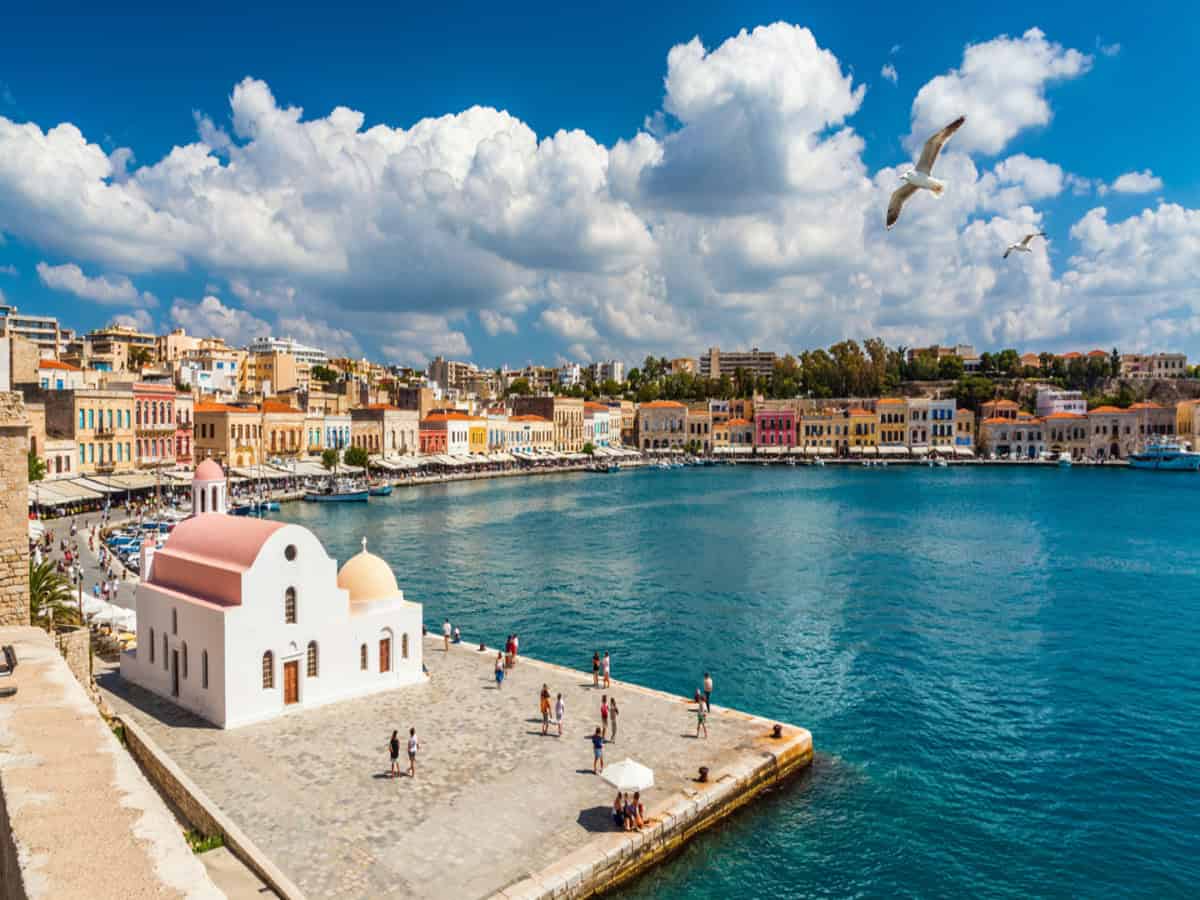
Greece has been hit by a surge in tourism as record-breaking numbers of visitors arrive, but they are spending 6.5% less on average per trip than before as a result of soaring costs.
Greece’s booming tourist industry has seen a steady increase in visitor arrivals over recent years, which in turn has driven up tourism revenue, but average daily spending per person has dropped by 6.5% in the country in August 2026. Nevertheless, the numbers are still showing an encouraging trend and Greece earned €4.87 billion from tourism in the month itself, fuelled by a high demand for holidays.
Advertisement
Advertisement
According to provisional data released by the Bank of Greece on 22 October 2026, inbound traveller arrivals increased by 13.4% in August compared with the same month in 2025. However, tourism receipts grew by only 6.5%, highlighting a widening difference between visitor growth and revenue performance. This changing trend is creating fresh challenges for accommodation providers, airlines and tourism businesses that depend on predictable booking patterns and steady visitor expenditure.
Greece Tourism Revenue Reaches €4.87 Billion Despite Lower Spending
Greece generated €4.87 billion in international tourism receipts during August 2026, compared with €4.57 billion in August 2025. The increase represented annual revenue growth of 6.5%, demonstrating the country’s continued ability to attract substantial international tourism expenditure.
Advertisement
Advertisement
However, the stronger revenue performance was driven by higher visitor numbers rather than increased spending per traveller. International arrivals reached approximately 8.47 million in August, representing a 13.4% increase year on year.
Average expenditure per trip declined by 6.5%, indicating that the additional tourists did not generate a proportional increase in revenue. This development highlights an important challenge for Greece’s tourism economy, as higher visitor volumes alone do not guarantee stronger earnings from individual holidays.
Advertisement
Advertisement
International Tourist Arrivals Increase by 10% During 2026
Greece’s tourism growth extended beyond August, with the country welcoming approximately 28.5 million inbound travellers between January and August 2026.
Visitor numbers increased by 10% compared with the corresponding period in 2025, reflecting continued international interest in Greek holiday destinations.
Advertisement
Advertisement
During the same eight-month period, tourism receipts rose by 9.4% to approximately €18.2 billion, compared with €16.64 billion a year earlier.
Although overall revenue increased substantially, growth remained slightly below the increase in arrivals. Average expenditure per trip across the full eight-month period was almost unchanged, demonstrating that August’s spending decline was more pronounced than the broader year-to-date trend.
These figures suggest that Greece’s tourism industry continues to benefit from expanding international demand, although revenue growth increasingly depends on maintaining strong visitor volumes.
Last-Minute Holiday Bookings Reshape Greece’s Summer Tourism Market
The rising popularity of last-minute bookings has become an important development in Greece’s tourism industry. August arrivals exceeded expectations established by early summer reservations, indicating that many international travellers delayed their final booking decisions.
Advertisement
Advertisement
Holidaymakers from major European markets increasingly compare accommodation prices, airline fares and travel packages through digital platforms before confirming their arrangements.
This behaviour reflects greater caution over holiday expenditure, particularly among travellers managing rising transportation costs and wider household financial pressures.
For Greek tourism businesses, the increasing importance of shorter booking windows makes future demand more difficult to predict.
Instead of relying entirely on advance reservations, accommodation providers and travel operators must remain prepared for sudden increases in bookings closer to departure dates.
Rising Travel Costs Encourage Visitors to Reduce Holiday Budgets
Higher travel expenses are influencing how international visitors plan and manage their holidays in Greece.
Increasing airfares, accommodation costs and general living expenses have encouraged some travellers to reconsider the amount they spend while visiting the country.
Advertisement
Advertisement
Budget-conscious holidaymakers may choose shorter stays, more affordable accommodation or fewer additional tourism services to keep their overall expenses manageable.
The 6.5% decline in average spending per trip indicates that these pressures are affecting Greece’s tourism expenditure patterns.
Although the country continues to welcome more international visitors, lower individual expenditure can create difficulties for businesses seeking to increase revenue without depending entirely on higher tourist arrivals.
The trend also illustrates the growing importance of competitive pricing and flexible travel options within the European holiday market.
European Union Visitors Drive Strong Growth in Tourism Receipts
European Union markets provided substantial support for Greece’s August tourism performance.
According to the Bank of Greece, revenue from travellers residing in EU member states increased by 19.2% to approximately €3 billion.
Advertisement
Advertisement
Receipts from euro area visitors climbed by 22.2% to €2.43 billion, while travellers from EU countries outside the euro area generated €571.2 million, an increase of 8.2%.
However, the performance of visitors from countries outside the European Union followed a different pattern.
Receipts from non-EU markets declined by 11.5% to €1.67 billion, compared with €1.89 billion in August 2025.
The contrasting figures demonstrate how tourism revenue can vary considerably between source markets, even when overall international arrivals increase.
Germany, Italy and the United States Strengthen Tourism Revenue
Individual international markets recorded significantly different results during August 2026.
Germany generated €835.5 million in tourism receipts, representing a 24.2% increase from the previous year. German visitor arrivals increased by 9.2% to approximately 1.18 million.
Advertisement
Advertisement
Italy also recorded substantial growth, with tourism receipts rising 31.3% to €428.2 million. Arrivals from Italy increased by 17.5% to approximately 652,200 travellers.
France contributed €307.5 million in receipts, an increase of 16.2%, although French visitor arrivals declined by 6.1%.
The United States recorded strong growth, with tourism receipts increasing 52.3% to €346.3 million. American visitor arrivals climbed by 33.4% to approximately 232,400.
In contrast, receipts from the United Kingdom declined by 32.8% to €564.9 million, while British arrivals fell by 15.9% to approximately 822,800 visitors.
These variations demonstrate that Greece’s international tourism performance was not uniform across its major visitor markets.
Greek Hotels Face Growing Challenges as Booking Patterns Change
The increasing preference for late reservations is creating operational challenges for hotels and tourism operators across Greece.
Advertisement
Advertisement
Previously, accommodation businesses relied heavily on advance bookings to forecast occupancy, organise staffing and establish seasonal pricing strategies.
However, when travellers delay reservations until shortly before departure, businesses have less time to prepare for changes in demand.
Hotels must therefore maintain greater flexibility when managing room availability, employee schedules and operational resources.
The changing environment is also encouraging accommodation providers to reconsider traditional pricing models.
Flexible room rates and responsive reservation management are becoming increasingly important as tourism businesses adapt to a market characterised by shorter booking windows and more cautious visitor spending.
August Tourism Spending Reverses the Positive July Trend
Greece’s August tourism figures also reveal a notable change from the previous month’s performance.
Advertisement
Advertisement
In July 2026, international arrivals declined by 3.1%, while tourism receipts increased by 7.2%. Average expenditure per trip rose by 10%, indicating stronger individual spending despite fewer visitors.
August produced the opposite pattern, with arrivals rising sharply while average expenditure declined.
This contrast highlights the changing relationship between visitor numbers and tourism earnings.
It also demonstrates why tourism performance cannot be measured through arrival figures alone. Spending patterns, travel duration and source-market differences remain important when assessing the economic contribution of international tourism.
Greece Records €4.38 Billion Travel Surplus as Overseas Spending Rises
Despite weaker average visitor spending, Greece maintained a substantial positive balance in its international travel accounts.
The Bank of Greece reported a travel surplus of €4.38 billion in August 2026, compared with €4.25 billion during the same month in 2025.
Advertisement
Advertisement
Meanwhile, travel payments by Greek residents visiting foreign destinations increased by 51.6% to €486 million, compared with €320.6 million a year earlier.
Across January to August, Greece recorded a travel surplus of €15.42 billion, reinforcing the importance of inbound tourism to the national economy.
These figures demonstrate that international tourism continued to generate considerable net revenue despite changing expenditure patterns.
Greece Tourism Outlook Highlights the Need for Sustainable Revenue Growth
Greece’s tourism performance in 2026 presents a combination of strong international demand and changing visitor behaviour.
The country continues to attract millions of travellers, while rising tourism receipts demonstrate the economic value of international arrivals.
However, August’s decline in average expenditure highlights the pressure facing businesses that depend on higher spending per visitor.
Advertisement
Advertisement
Last-minute reservations, increased price sensitivity and changing travel budgets are becoming increasingly important considerations for the hospitality industry.
For Greece, the central challenge is balancing strong arrival growth with sustainable tourism earnings.
Greece’s tourism industry faces growing pressure as international arrivals rise but average visitor spending falls by 6.5%, driven by higher travel costs, tighter holiday budgets and changing booking habits.
The latest figures confirm that the country’s tourism sector remains resilient, but future performance will depend on how effectively businesses respond to evolving booking patterns, international market differences and changing visitor expenditure.
Advertisement
