
Transavia Airlines Flight TO4770 from Paris Orly to Sevilla Diverts to Madrid Shocks Travellers, Raising Fresh Questions Over Airline Operations

Published
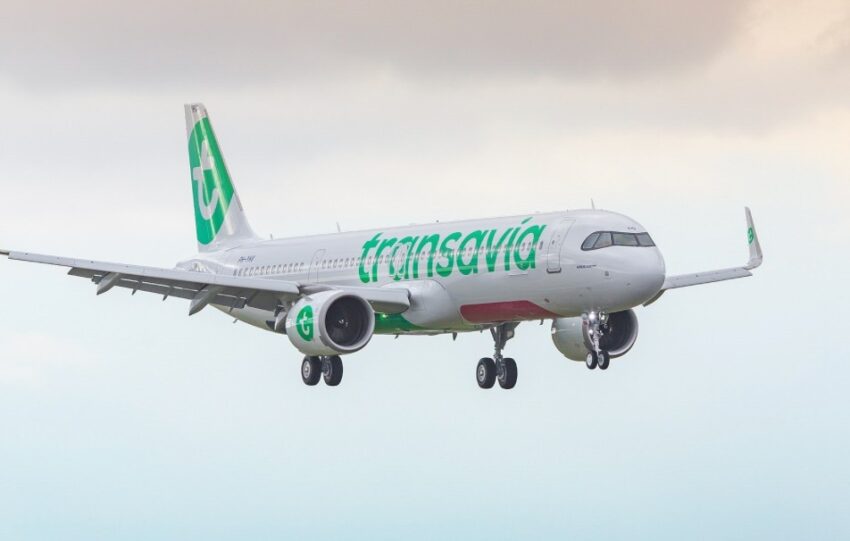
Image generated with Ai
Transavia Airlines Flight TO4770 from Paris Orly to Sevilla Diverts to Madrid Shocks Travellers, Raising Fresh Questions Over Airline Operations after the unexpected route change disrupted passenger journeys and placed airline operational decision-making under renewed scrutiny across the European aviation network
Transavia Airlines Flight TO4770 from Paris Orly to Sevilla Diverts to Madrid Shocks Travellers, Raising Fresh Questions Over Airline Operations has become a major talking point after the unexpected change in destination interrupted a routine European journey. The Transavia Airlines Flight TO4770 from Paris Orly to Sevilla Diverts to Madrid Shocks Travellers, Raising Fresh Questions Over Airline Operations incident has prompted passengers and aviation observers to examine how airlines respond when flights cannot continue as originally planned. Meanwhile, the aircraft completed its journey safely after landing in Madrid instead of Sevilla, highlighting the aviation industry’s unwavering commitment to safety before schedules. Consequently, travellers experienced disruption, while airline operational teams immediately shifted their focus towards managing passenger arrangements and maintaining network stability.
Advertisement
Advertisement
Furthermore, flight diversions remain an established part of commercial aviation whenever circumstances make the planned destination unsuitable for landing. Although the precise reason behind this diversion has not been officially confirmed, the event demonstrates that operational decisions are made carefully and methodically to protect passengers, crew and aircraft. As airlines continue operating thousands of flights every day across Europe and beyond, unexpected changes occasionally occur, but established contingency procedures ensure services remain safe, organised and professionally managed throughout every stage of the journey.
A Transavia flight operating from Paris Orly to Sevilla did not complete its planned journey to its intended destination and instead diverted to Madrid before landing safely. While the image confirms the flight diversion, no official reason is shown, meaning the exact cause remains unconfirmed.
Advertisement
Advertisement
The France aviation sector is once again drawing attention after a Transavia airlines flight diversion affected passengers travelling between Paris and Sevilla. According to the available flight information, Transavia flight TO4770 departed from Paris Orly Airport with Sevilla as its scheduled destination, but the aircraft ultimately diverted to Madrid instead of arriving in Sevilla. Although the aircraft landed safely, the unexpected operational change highlights how airlines continually adjust flights whenever operational, technical, weather or other safety-related circumstances arise. Even though this event occurred in Europe rather than the United States (USA), similar flight diversion procedures are routinely followed by airlines worldwide, including throughout the United States, where passenger safety always takes precedence.
The airlines, flight diversion, divert, United States, and USA aviation sectors all operate under internationally recognised safety standards whenever an aircraft cannot continue to its planned destination.
Advertisement
Advertisement

Image generated with Ai
Why Did The Transavia Flight Divert To Madrid Instead Of Sevilla?
The available flight information confirms that Transavia flight TO4770, operating between Paris Orly Airport and Sevilla, landed in Madrid instead of Sevilla after diverting during its scheduled service. However, the displayed information does not specify why the aircraft changed destination, meaning no official explanation has yet been confirmed from the available evidence.
A flight diversion can occur for numerous reasons without indicating any serious emergency. Airlines may decide to divert because of adverse weather, runway restrictions, airport congestion, aircraft technical indications, passenger medical situations, operational planning or air traffic control requirements. Similar decisions occur every year across Europe, the United States, and the USA, where airlines constantly balance operational efficiency with safety. Until an official statement becomes available, attributing the diversion to any specific cause would be speculative. What remains clear is that the aircraft safely reached Madrid, demonstrating the industry’s established procedures whenever a flight diversion becomes the safest operational option.
Advertisement
Advertisement
What Does A Flight Diversion Mean For Passengers And Airlines?
A flight diversion usually means an aircraft lands at an airport different from its scheduled destination because continuing the planned journey is considered unsuitable or unsafe under the prevailing circumstances. For passengers, this often creates delays, revised travel arrangements and additional ground transportation before reaching their original destination.
Modern airlines maintain detailed contingency procedures for these situations. Once an aircraft chooses to divert, airline operations teams coordinate with airport authorities, ground handlers, air traffic control and passenger service departments to minimise disruption. Whether the event occurs in Europe, the United States, or elsewhere, the priority remains protecting passengers, crew and aircraft. Airlines operating within the USA follow comparable procedures established by aviation regulators, reinforcing the industry’s consistent safety culture. Although diversions inconvenience travellers, they are regarded as evidence that operational decision-making is functioning exactly as intended whenever circumstances change unexpectedly.
What Can Travellers Learn From This Paris To Sevilla Diversion?
The diversion involving the Paris to Sevilla service serves as another reminder that commercial aviation remains a highly regulated industry where safety decisions always override scheduling considerations. Even when passengers experience inconvenience, a diversion generally reflects precaution rather than danger.
Travellers should monitor airline notifications, remain attentive to airport announcements and keep flexible travel arrangements whenever possible. Airlines frequently provide updates regarding replacement transport, revised arrival information or rebooking assistance after a flight diversion. Events such as this also demonstrate why comprehensive travel insurance and flexible onward reservations can prove valuable. Whether travelling across Europe, the United States, the USA, or other international destinations, passengers benefit from understanding that decisions to divert are made to preserve safety above operational convenience, reinforcing confidence in modern commercial aviation.
Advertisement
Advertisement
The available flight information confirms that Transavia flight TO4770 operating between Paris Orly and Sevilla diverted to Madrid before landing safely. Although the precise reason has not been publicly confirmed from the available evidence, the event illustrates how airlines prioritise operational safety above schedules. Every flight diversion represents a carefully evaluated decision intended to reduce risk rather than create concern. Similar procedures are followed daily across Europe, the United States, the USA, and global aviation networks, ensuring passengers reach safety even when flights must unexpectedly divert from their planned destinations.
The diversion of Transavia Airlines Flight TO4770 from Paris Orly to Madrid instead of its scheduled destination of Sevilla illustrates how commercial aviation prioritises safety above operational convenience. Although the unexpected change disrupted passenger travel plans, the aircraft landed safely and airline procedures were successfully implemented. Until an official explanation is released, the exact reason remains unconfirmed. Nevertheless, the incident reinforces the importance of contingency planning, operational flexibility and coordinated decision-making, ensuring passengers remain protected whenever unforeseen circumstances require an aircraft to divert from its intended destination.
Advertisement
