
Heacham Norfolk Feels Like Provence With Lavender Fields and Beautiful Coastal Views

Published
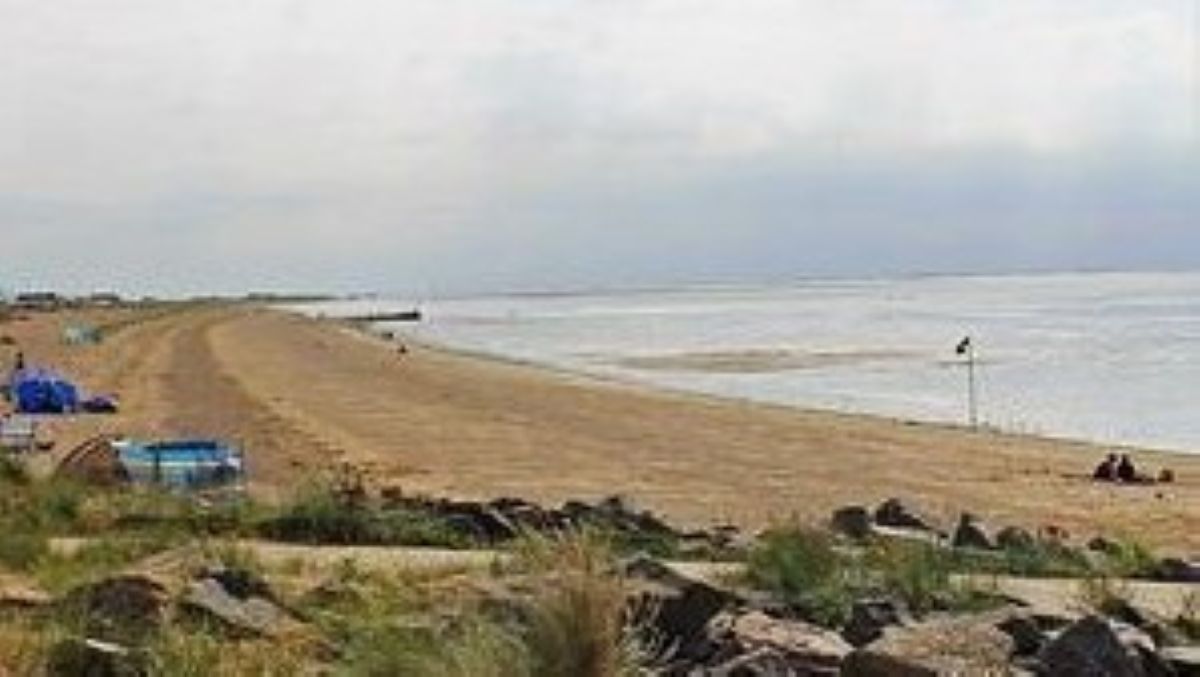
Heacham, Norfolk, combines sprawling lavender patches and a wide, peaceful beach in one English village. Heacham has been compared to Provence, where purple fields are one of the defining sights of southern France. Heacham’s lavender field is even now the “English Provence” according to Visit Norfolk, the county’s tourism board. But west Norfolk’s own lavender patch is much more than a bit of pretty summer colour; visitors can visit Norfolk Lavender and relax on two beaches of contrasting character, delve into history stretching back thousands of years and explore the rest of the Norfolk coast from the village itself.
Why Does Heacham Feel Like a Corner of Provence
The strongest connection comes from lavender. Official tourism information describes Norfolk Lavender at Heacham as a major local attraction, with landscaped grounds around historic Caley Mill, a lavender distillery, herb gardens and a national lavender collection.
Advertisement
Advertisement
Visit Norfolk goes even further, directly comparing the lavender fields of Provence with Heacham. Its tourism information says the West Norfolk lavender operation dates from 1932 and covers about 100 acres. That scale helps explain why summer visitors can encounter a landscape that feels unexpectedly continental without leaving England.
The visual appeal peaks when lavender brings strong purple colour to the countryside. Visit West Norfolk advises that the fields bloom during the summer season, making this the most relevant period for travellers specifically chasing the Provence-style experience.
Advertisement
Advertisement
What Can Travellers See at Norfolk Lavender
Norfolk Lavender at Caley Mill offers considerably more than fields for photographs. Visitors can explore landscaped grounds, see different lavender varieties, learn about harvesting and discover the traditional distillation process used to turn lavender into aromatic products.
Official visitor information also lists a herb garden, plant centre, tearoom, farm shop and rare-breed animal centre among the attractions. The main site and farm shop offer free admission, while some areas and activities carry separate charges. The attraction remains open throughout the year, although travellers wanting the strongest lavender displays should plan around the summer flowering period.
Advertisement
Advertisement
This makes Heacham particularly suitable for a short break combining countryside, gardens and coast rather than a beach-only holiday.
What Makes Heacham’s Two Beaches Different
Heacham can be found on the west Norfolk coast, overlooking The Wash. The lengthy sandy beach is one more attraction to encourage visitors to linger in the area for more than just a brief brush with the lavender. The official tourist literature names two main beaches, with slightly different atmospheres.
More facilities are available at North Beach. Visitors can enjoy an amusement arcade, a caf, a fish bar and beach huts. At South Beach, there is a caf and gift shop and toilets are located at each beach; accessibility and disabled facilities are also shown.
There are quiet beaches along the broader West Norfolk coast, but please remember to check tide conditions before swimming. Local guidance recommends ‘be aware of the tides’ as one of the main safety tips for the coast.
Is Heacham Worth Visiting for Its History
Heacham adds substantial history to its countryside-and-coast appeal. Norfolk County Council’s heritage records document evidence of human activity stretching back thousands of years, including Neolithic, Bronze Age, Iron Age and Roman discoveries.
The present village has deep medieval roots. Official tourism information highlights St Mary the Virgin Church, while the Norfolk Historic Environment Record documents medieval structures, later historic buildings and archaeological finds across the parish.
Advertisement
Advertisement
Heacham later developed as a seaside destination after the railway between King’s Lynn and Hunstanton opened during the 1860s. The railway no longer provides direct passenger trains to Heacham, so travellers should not rely on claims that they can take a direct train from Cambridge into the village.
How Can Travellers Reach Heacham
The convenient gateway for rail travellers is Kings Lynn. An official tourist guide states that Norfolk Lavender is 15 miles away from the station at Kings Lynn. Bus routes link Hunstanton and Kings Lynn with Heacham; there is a walk between the centre of the village and the beach.
Road access to Heacham is via the A149. Local roads serve the village, beaches and lavender attraction. When visiting the beaches pay-and-display parking is available at North Beach and South Beach; in total 80 spaces at North Beach and 20 at South Beach, including spaces for disabled drivers.
Travellers heading on holiday in summer should arrive early to beat the rush during lavender displays and coastal trips.
What Should Travellers Know Before Visiting
For a lavender-focused visit, target the summer flowering season and check current opening information before travelling. Beach visitors should check tides and weather conditions, particularly before swimming or walking far across exposed areas at low tide.
Useful points for planning include:
- Best for: lavender, coastal walks, photography, gardens and relaxed short breaks.
- Main gateway: King’s Lynn for rail passengers.
- Beaches: North Beach and South Beach.
- Lavender attraction: Caley Mill, Heacham.
- Road access: primarily via the A149.
- Best lavender period: summer.
- Beach access: both main beaches have parking and public facilities.
Heacham does not have to look south to come up with the reasons to visit. Its unique blend of purple summer scenery, free-flowing Norfolk coastline, historical setting and village charms make the UK an alternative destination for those times when flight to Provence is not on the agenda.
Advertisement
