
Iran And United States Clash Near Larak Island Sends Shockwaves Across UAE, Qatar, Saudi Arabia, Bahrain, Kuwait And Oman As Strait Of Hormuz Crisis Threatens Gulf Aviation, Tourism Growth, Cruise Travel And Global Connectivity

Published
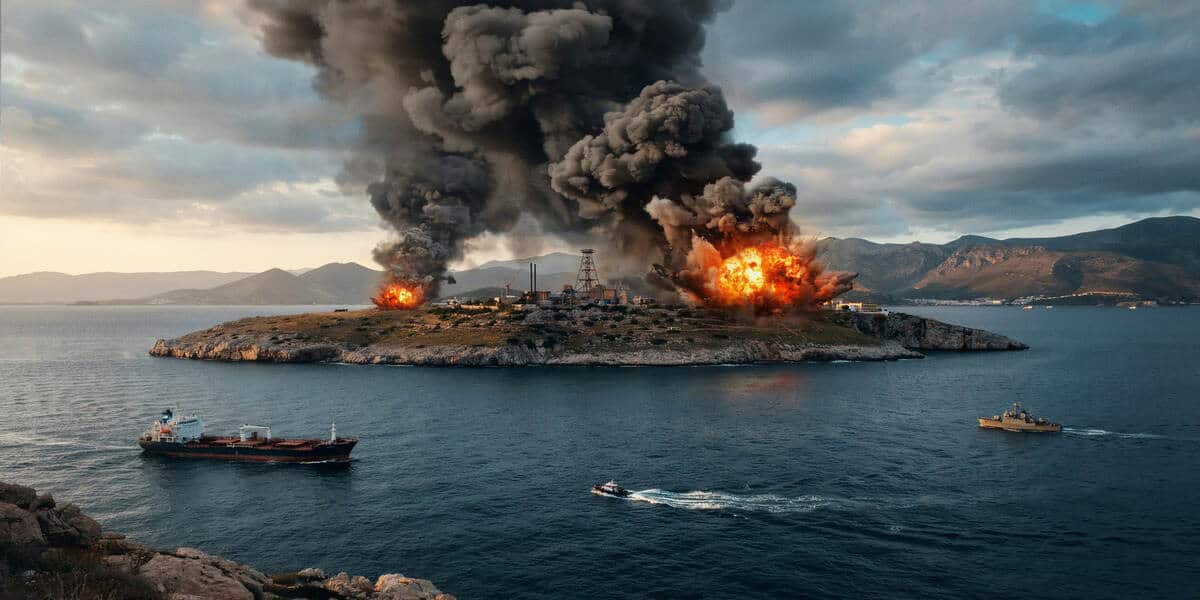
Image generated with Ai
Rising tensions between Iran and the United States near the Strait of Hormuz are creating fresh concerns for UAE, Qatar, Saudi Arabia, Bahrain, Kuwait and Oman as the region faces potential challenges to aviation, tourism, shipping and global travel connectivity. The strategic waterway remains a crucial link for international energy and maritime trade, meaning any instability around Larak Island and surrounding areas could quickly influence airline operations, fuel prices, passenger confidence and the future growth plans of Gulf tourism markets. With millions of travellers relying on Middle Eastern aviation hubs every year, governments and businesses are closely watching how the situation develops.
Iran and the United States are facing a dangerous new escalation near the Strait of Hormuz after military activity around Larak Island intensified fears over Gulf aviation, tourism, shipping and global energy stability. The development has placed the strategic waterway at the centre of international attention as governments, airlines and businesses assess the possible impact on regional security and travel connectivity.
Larak Island holds major strategic importance because of its location near the Strait of Hormuz, one of the world’s most critical maritime passages. The narrow waterway connects the Persian Gulf with the Gulf of Oman and remains a key route for global energy shipments, commercial shipping and regional trade.
Any instability around this area can create immediate pressure on international markets, airlines and tourism industries. From Dubai and Doha to Riyadh and Muscat, Gulf countries are closely monitoring developments because regional stability remains essential for maintaining passenger confidence, aviation operations and tourism growth.
Advertisement
Advertisement
Larak Island Crisis Places Strait Of Hormuz At Centre Of Global Attention
The Strait of Hormuz has long been considered one of the most important economic corridors in the world. Its strategic location makes it vital for energy transportation, maritime trade and international connectivity.
Larak Island is positioned close to this major shipping route, increasing its strategic importance during periods of military tension.
Advertisement
Advertisement
A prolonged escalation in the region could influence:
- Global oil markets
- Airline fuel costs
- International flight operations
- Maritime shipping routes
- Tourism demand
- Passenger confidence
The Gulf region has developed into a major global travel hub, connecting millions of passengers between Asia, Europe, Africa and North America. Any disruption around the Strait of Hormuz could create wider consequences for international mobility.
Advertisement
Advertisement
UAE Faces Growing Aviation And Tourism Pressure
The United Arab Emirates remains one of the most important aviation and tourism centres in the Middle East. Dubai and Abu Dhabi have transformed into global gateways, attracting millions of visitors and operating some of the busiest international flight networks.
Rising tensions near the Strait of Hormuz could create challenges for UAE aviation because airlines depend heavily on stable Gulf air routes.
Possible aviation impacts include:
- Flight route adjustments
- Longer journeys
- Increased fuel consumption
- Operational delays
- Additional security measures
Dubai’s tourism industry has built a reputation for luxury travel, shopping, business tourism and international events. However, regional uncertainty can influence traveller decisions and future bookings.
Advertisement
Advertisement
Hotels, airlines and tourism businesses across the UAE are expected to continue watching developments closely to protect visitor confidence and maintain international connectivity.
Qatar’s Global Travel Network Faces Regional Uncertainty
Qatar has emerged as one of the world’s leading aviation and tourism hubs through Doha’s international connectivity.
The country plays a major role in connecting passengers between continents, making regional airspace stability extremely important.
A worsening security situation around the Strait of Hormuz could affect:
- International transit passengers
- Airline scheduling
- Business travel
- Tourism movement
Qatar has invested heavily in expanding its tourism sector, attracting visitors through luxury hospitality, cultural attractions and major international events.
Maintaining safe and reliable air connectivity remains essential for Qatar’s tourism ambitions and global aviation position.
Advertisement
Advertisement
Saudi Arabia’s Tourism Transformation Depends On Regional Stability
Saudi Arabia is undergoing one of the largest tourism transformations in the world under its Vision 2030 strategy.
The kingdom is developing:
- Luxury tourism destinations
- Entertainment projects
- Heritage attractions
- Religious tourism facilities
- International visitor infrastructure
However, regional security remains a major factor influencing global traveller confidence.
Saudi Arabia is also one of the world’s most important energy producers, meaning instability around Gulf shipping routes could affect energy markets and transportation costs.
Higher fuel prices could create additional pressure on airlines and potentially increase travel expenses for passengers worldwide.
Bahrain Watches Aviation And Visitor Movement Closely
Bahrain’s tourism sector depends heavily on regional and international visitors.
Advertisement
Advertisement
The country has promoted itself as a destination for:
- Cultural tourism
- Business travel
- Luxury experiences
- Regional short breaks
However, any major security concern near the Gulf could influence visitor sentiment.
Potential challenges include:
- Reduced short-term bookings
- Airline schedule changes
- Increased travel caution
- Higher operating expenses
Bahrain’s close geographic connection to Gulf shipping and aviation networks means regional developments can quickly affect its tourism environment.
Kuwait Faces Potential Impact From Gulf Security Concerns
Kuwait remains closely connected to Gulf economic and transport networks.
The country’s aviation, business travel and tourism sectors depend on stable regional conditions.
Advertisement
Advertisement
Possible consequences from prolonged tensions could include:
- Changes in airline operations
- Passenger uncertainty
- Increased transportation costs
- Pressure on travel demand
As a Gulf nation located near major energy routes, Kuwait remains sensitive to developments affecting the wider Strait of Hormuz region.
Oman’s Strategic Location Makes Stability Critical
Oman has a unique position because it sits near the Gulf of Oman and the entrance to the Strait of Hormuz.
The country has been expanding its tourism appeal through:
- Natural landscapes
- Coastal destinations
- Desert adventures
- Heritage tourism
Oman has positioned itself as a peaceful and culturally rich destination for international travellers.
However, regional instability could influence maritime activity, flight connectivity and visitor confidence.
Advertisement
Advertisement
The country’s strategic location also makes it an important player in maintaining regional communication and stability.
Gulf Airlines Could Face Higher Costs And Route Challenges
Aviation is one of the industries most affected by geopolitical uncertainty.
If tensions increase around the Strait of Hormuz, airlines may need to make operational changes.
These could include:
- Adjusting flight paths
- Using longer routes
- Carrying additional fuel
- Reviewing schedules
- Increasing operational planning
Fuel costs remain one of the biggest expenses for airlines. Any increase in energy prices could eventually affect ticket prices and airline profitability.
International carriers connecting through Gulf hubs may continue reviewing their operations based on changing security conditions.
Advertisement
Advertisement
Global Tourism Could Feel The Impact Of Gulf Instability
The Middle East has become one of the fastest-growing tourism regions in the world.
Countries including the UAE, Qatar, Saudi Arabia and Oman have invested billions into attracting international visitors.
However, tourism growth depends on:
- Safety perception
- Stable transportation
- Reliable flights
- Traveller confidence
Even when destinations remain open, security concerns can influence booking behaviour.
Travellers may delay holidays, choose alternative destinations or wait for clearer conditions before making travel plans.
Tourism businesses across the Gulf will continue monitoring developments because visitor confidence is a key driver of growth.
Advertisement
Advertisement
Oil, Shipping And Aviation Markets Remain Closely Connected
The Strait of Hormuz remains a vital route for global energy transportation.
Any disruption in this region could affect:
- Oil prices
- Shipping costs
- Aviation fuel expenses
- Global inflation pressures
Higher energy prices often create wider consequences for travel industries.
Airlines may face increased operating costs, while passengers could experience higher fares on certain international routes.
Shipping companies may also review operations depending on security assessments and maritime conditions.
Travellers Planning Gulf Trips Should Stay Updated
Travellers heading to Gulf destinations should remain aware of changing conditions and follow official travel guidance.
Advertisement
Advertisement
Important steps include:
- Checking airline updates before departure
- Confirming flight schedules
- Monitoring government advisories
- Keeping flexible travel arrangements where possible
Airlines generally make decisions based on operational and security evaluations to protect passengers and crew.
Gulf Travel Future Depends On The Next Phase Of Iran–US Tensions
The latest escalation around Larak Island has increased global attention on the Strait of Hormuz and highlighted the vulnerability of one of the world’s most important travel and energy corridors.
For the UAE, Qatar, Saudi Arabia, Bahrain, Kuwait and Oman, maintaining aviation stability and protecting tourism growth remain major priorities.
The Gulf region has become a powerful force in global travel, but continued growth depends on peace, security and reliable connectivity.
The Strait of Hormuz is not only a regional passage. It is a global economic and travel lifeline. Any prolonged disruption could affect airlines, travellers, tourism businesses and markets far beyond the Middle East.
Advertisement
Advertisement
Rising Iran–US tensions around the Strait of Hormuz are putting Gulf travel, aviation and tourism networks under pressure as the UAE, Qatar, Saudi Arabia, Bahrain, Kuwait and Oman face growing concerns over regional stability. The strategic corridor’s importance for flights, shipping and energy supplies means any escalation could reshape travel confidence and global connectivity across the Middle East.
The growing tensions between Iran and the United States near the Strait of Hormuz have highlighted how closely connected Gulf security, aviation, tourism and global trade have become. For the UAE, Qatar, Saudi Arabia, Bahrain, Kuwait and Oman, maintaining stability is essential to protecting international flights, attracting visitors and supporting long-term tourism ambitions. While Gulf countries continue strengthening their travel and hospitality sectors, any prolonged uncertainty around this strategic corridor could create challenges for airlines, travellers and businesses worldwide. The future impact will depend on how the situation develops, but the Strait of Hormuz remains a critical point where regional security decisions can influence global travel and economic confidence.
Advertisement
