
Buenos Aires Marathon Brings Global Runners Into a City Bursting With Spring Energy

Published
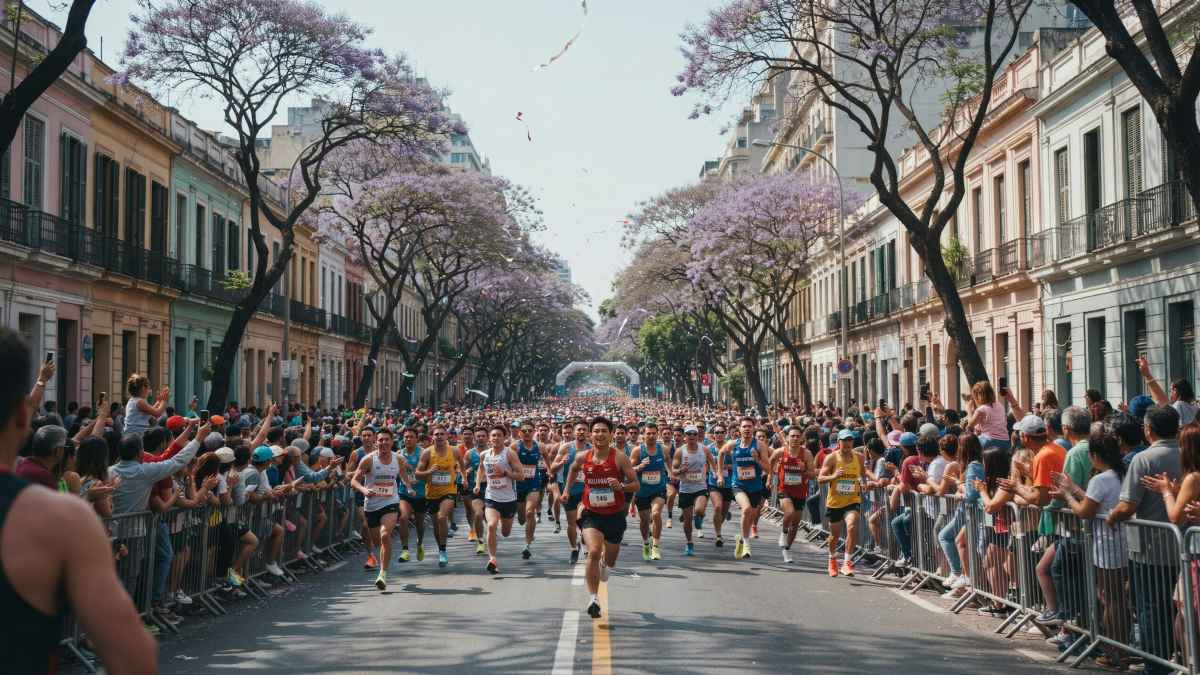
Image generated with Ai
The city of Buenos Aires launched its spring season with a distinctive combination of sport, travel abroad, outdoors, and food as many people came to the city to participate in the 2026 Buenos Aires International Marathon held on September 20. The distance of the race was 42 kilometres, and there were 16,384 runners representing 64 nations who ran the race in Buenos Aires. In this marathon, there were 5,769 foreigners who participated in the race, making the race an international tourism event. In the spring of Buenos Aires, there will be warm weather, blooming streets, and outdoor activities.
A Marathon With an International Footprint
The Buenos Aires Marathon is one of the biggest events on Argentina’s sporting calendar and has been held continuously since 1984, apart from 2020.
The 2026 route began and finished around Avenida Figueroa Alcorta and Dorrego, taking runners through several of the capital’s best-known districts. Recoleta, Retiro, Puerto Madero, La Boca and central Buenos Aires all featured along the course, bringing major landmarks directly into the sporting spectacle.
Advertisement
Advertisement
For international participants, this creates a distinctive form of sports tourism. The race itself becomes one part of a wider city visit, with runners able to combine training, competition, sightseeing, restaurants and cultural experiences.
Spring Arrives Across the City
Advertisement
Advertisement
The marathon also landed at the moment Buenos Aires begins its seasonal shift towards outdoor life.
The city’s official tourism office describes late September through December as the period when its trees begin to bloom, with jacarandas among the most recognisable species. Their violet flowers become particularly prominent along Buenos Aires’ streets and avenues, creating one of the city’s most distinctive springtime landscapes.
In September 2026, the city was actively promoting outdoor experiences ranging from parks and gardens to ecological reserves, music and open-air activities. The official tourism programme described the season as a period for spending more time outdoors as temperatures rise.
For visitors arriving for the marathon, that seasonal change provides a natural extension to the race weekend.
Recoleta Adds Culture and Dining
Recoleta becomes especially attractive during this period because visitors can combine some of Buenos Aires’ most recognisable cultural sites with restaurants, cafés and pedestrian-friendly streets.
Advertisement
Advertisement
The marathon route itself passed near the Recoleta Cemetery, allowing runners to experience the neighbourhood as part of the race before returning later as tourists.
Spring also encourages longer evenings outdoors. For visitors staying several days, Recoleta can work as a base for combining heritage attractions with Argentine dining and neighbourhood exploration.
Puerto Madero Brings a Modern Contrast
Further south, Puerto Madero offers a markedly different side of the capital.
The revitalised former port district is characterised by waterfront development, restaurants, parks and access to the Costanera Sur Ecological Reserve. Buenos Aires tourism authorities describe it as one of the city’s greenest districts, with extensive open spaces alongside its urban architecture.
For marathon visitors, the area also has a direct connection with the race because the 2026 course passed through Puerto Madero.
Advertisement
Advertisement
That makes it possible to combine a sporting itinerary with waterfront dining, walking and sightseeing without travelling far from the central city.
Parrilla Culture Fits the Spring Season
Food remains another major reason for extending a marathon trip.
Buenos Aires’ parrilla tradition is deeply connected to the city’s identity, with traditional and contemporary restaurants serving Argentine beef alongside increasingly varied cuts and dining styles. The city’s tourism authority describes parrillas as an important part of both local gastronomy and the culture of socialising around food.
As spring encourages outdoor dining, the appeal of restaurant terraces becomes even stronger.
For runners, the post-race meal can become part of the destination experience, turning recovery time into an opportunity to explore Argentine cuisine.
Advertisement
Advertisement
Sports Tourism Gains Momentum
The marathon arrived during a broader period of attention on sports tourism in Buenos Aires.
The city hosted the International Sports Tourism Forum on 29 September as part of FIT 2026, bringing together tourism and sports-industry representatives to discuss one of the sectors identified by organisers as having significant global tourism impact.
The timing is notable because the marathon demonstrates the type of international event that can connect sport with accommodation, restaurants, transport, retail and sightseeing.
The 2026 race alone brought thousands of overseas athletes, while supporters and accompanying travellers added another potential layer of visitor demand.
A City Designed for the Extended Stay
The strength of Buenos Aires during the marathon season is in the reality that this sporting event is not an isolated phenomenon. A tourist can go running through Palermo and Recoleta in the morning, discover historical Buenos Aires, have lunch in a restaurant and spend another day in Puerto Madero or in the parks of the city. In addition, the month of September had FIT, cultural events, concerts and spring programs, all contributing to making visitors stay in Buenos Aires after the competition. For the capital of Argentina, the 2026 marathon was not only a big sporting event but also an important part of a bigger tourism story for springtime.
Advertisement
