

Poland Expands Adriatic Express Train Service for Summer Two Thousand and Twenty-Six with More Weekly Departures, New Stops in Slovenia and Italy, and Enhanced Cross-Border Connections to the Adriatic Coast

Published
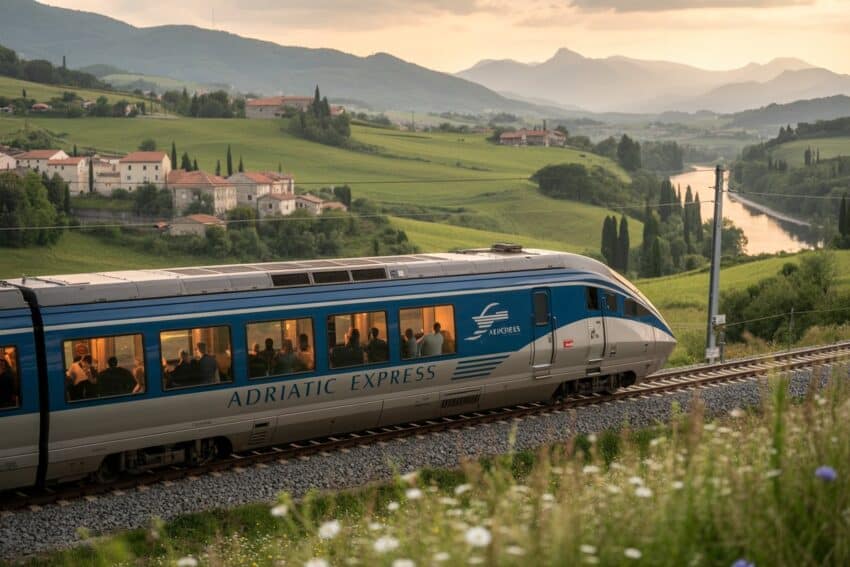
PKP Intercity, Poland’s national rail operator, has announced exciting plans to expand its popular Adriatic Express train service for Summer 2026. The expanded service will feature more departures, additional stops, and enhanced cross-border connections between Poland and the Adriatic coast, providing travelers with more options for efficient, sustainable travel across Europe. The service, which connects Warsaw to Rijeka, Croatia, will now include more frequent departures, a longer operating window, and additional stops, making it even more accessible for tourists and commuters.
Starting in Summer 2026, passengers can expect the Adriatic Express to offer six weekly rotations between Warsaw and Rijeka, up from four rotations in 2025. The new timetable is expected to improve accessibility and comfort, with overnight sleeper cabins, couchettes, and a full-service train experience. The additional stops will also make the service more attractive for travelers looking to explore Slovenia, Italy, and other key destinations in the region.
Advertisement
Advertisement
Expanded Service and New Stops
Originally introduced in 2025, the Adriatic Express connected Warsaw to Rijeka with a scenic, long‑distance overnight rail service. The expansion in 2026 is a major leap for both Poland’s rail network and European rail travel. The service’s new weekly rotations will increase accessibility for a wider range of passengers, while the addition of multiple new stops will connect even more cities.
Starting next summer, the Adriatic Express will have new detached carriages serving Ljubljana in Slovenia, allowing passengers to travel to Koper — Slovenia’s coastal city. There will also be direct bus connections to Trieste, Italy, included under the same ticket, offering seamless access to Italy’s northern Adriatic region. These added routes make the Adriatic Express a key player in European cross‑border rail services.
Advertisement
Advertisement
A Sustainable Travel Alternative
The Adriatic Express represents an exciting shift toward sustainable travel options in Europe. As concerns about the environmental impact of short‑haul flights grow, long‑distance rail services like the Adriatic Express offer a cleaner, quieter, and more eco‑friendly alternative. The train, operating with modern LNER Azuma trains, allows passengers to sleep comfortably on long journeys and wake up at their destination without the stress of crowded airports or long queues.
For tourists looking to explore the beauty of the Adriatic coast, the train journey offers an unparalleled experience. Travelers can enjoy scenic landscapes of the Slovenian Alps, the Italian countryside, and Croatia’s Adriatic beaches without the hassle of changing trains or planes. The added stops also give tourists an opportunity to explore Ljubljana, Koper, and Trieste, all while making use of the efficient, well-connected rail system.
Advertisement
Advertisement
For Poland, this expansion of rail services strengthens ties with neighboring Slovenia, Italy, and Croatia, making it easier for people to travel across the region. The service also encourages more cross-border tourism, fostering stronger cultural and economic connections across central and southern Europe. The Adriatic Express service fits into a wider European trend towards increased rail integration and sustainable travel practices.
A Comfortable and Scenic Experience
The Adriatic Express offers more than just a way to get from one city to another — it’s an experience. Passengers can enjoy overnight sleeper compartments equipped with comfortable beds, bedding, and air conditioning. Meals are also available onboard, providing travelers with a chance to experience local cuisine and enjoy a stress‑free journey as they head to their destination. This type of rail service is becoming increasingly popular in Europe, especially as more people look for relaxing and scenic travel options.
Advertisement
Advertisement
The return of overnight sleeper trains is a significant step toward revitalizing long‑distance rail travel across the continent, offering a nostalgic experience for some and a convenient travel option for others. The convenience of waking up in a new city — without the need to book hotels or deal with the stress of flying — makes the Adriatic Express an ideal choice for many travelers.
What’s New in Summer 2026
The Adriatic Express is expected to depart from Warsaw Central Station and make stops in Katowice, Kraków, Vienna, Ljubljana, and Rijeka, before reaching its final destination in Pula, Croatia. The return route will operate in reverse, with the train arriving back at Warsaw Central in the morning. The service will operate six times a week, with nighttime departures to allow passengers to rest during the journey.
The service’s expansion will also include additional connections to Trieste, Italy, and Slovenia, making it easier for tourists to explore more of the region. The combination of comfortable accommodations and scenic views ensures that passengers can make the most of their time on the train and enjoy a relaxing travel experience.
How to Book Your Tickets
Ticket sales for the Summer 2026 Adriatic Express services will open in late 2025. The service is expected to be highly popular, so early booking is advised to secure a seat, especially during peak travel periods. Passengers will be able to purchase tickets via the PKP Intercity website or through the official train booking channels. Special discounts for early bookings and group travel will be available to make the service even more affordable.
The Adriatic Express returns for Summer 2026, with expanded service from Warsaw to Rijeka, featuring additional stops and increased frequency. This iconic train journey offers passengers a comfortable, scenic, and eco‑friendly alternative to flying, connecting key cities and regions along the Adriatic coast. Bookings are expected to open in late 2025, with high demand expected. The revival of this service marks an important moment for European rail travel, contributing to a sustainable and efficient transportation system across the continent.
Advertisement
