
UK Aligns with Germany and More as Poland Powers Baltic Tourism Growth with Gdańsk, Sopot and Gdynia

Published
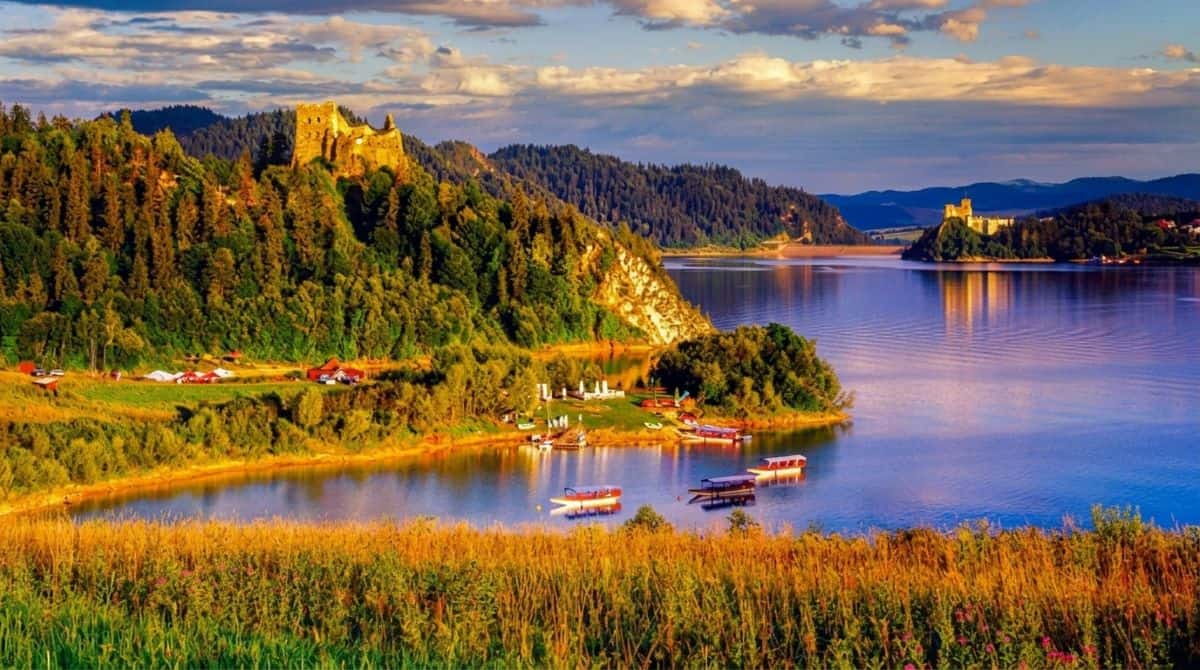
Poland is giving international travellers a fresh reason to look north, with Gdańsk, Sopot and Gdynia emerging as one of Europe’s most versatile Baltic tourism destinations. The three-city region blends historic streets, sandy beaches, waterfront culture, modern architecture and lively city breaks in a single journey. For travellers from the UK and Germany, the appeal is growing fast, supported by strong air links, rising visitor demand and easy access through Gdańsk Airport. Germany remains a major market for Poland’s Baltic coast, while London leads Gdańsk’s international route traffic. Spain, Italy and the United States are also being targeted as Poland expands its global tourism reach.
Poland Is Selling Three Baltic Experiences Instead of One
The Polish Tourism Organisation placed the Tricity at the heart of the second instalment of “POLAND. More than you expected”, released on 8 September 2026.
The concept matters because the three cities do not compete for exactly the same traveller. They complement one another.
| Baltic destination | What travellers gain | Strategic strength |
|---|---|---|
| Gdańsk | Historic streets, architecture, museums, maritime heritage and beaches | Large international visitor base and expanding air connectivity |
| Sopot | Beach time, its famous pier, entertainment, resort hotels and cultural events | Very high summer hotel occupancy and international spending |
| Gdynia | Modernist architecture, waterfront experiences and contemporary city culture | New UNESCO World Heritage recognition and rising autumn demand |
POT’s campaign presents this contrast as a strength. Gdańsk leads with history and cultural heritage. Sopot delivers recreation and the seaside atmosphere. Gdynia adds a modern urban and maritime identity. The current paid campaign is operating in Germany, the UK, Italy, Spain and the United States, carries a PLN 7 million budget and runs until 15 December 2026.
Advertisement
Advertisement
For travellers, that creates a simple advantage: one Baltic trip can deliver several different styles of holiday without requiring a completely new destination for each experience.
Poland’s Tourism Growth Gives the Tricity Push Real Weight
The campaign is arriving while Poland’s tourism economy is expanding.
Advertisement
Advertisement
Between January and April 2026, 11.7 million tourists used registered accommodation in Poland, an increase of 7.9% compared with the same period of 2025. The number of domestic tourists rose 6.7%, but foreign tourist numbers climbed faster, increasing 12.2%.
Poland’s Ministry of Sport and Tourism said continuation of that growth could result in a record 22.8 million foreign tourists during 2026. That figure remains a projection rather than a final annual result.
Advertisement
Advertisement
Summer data add another layer. Statistics Poland estimates that 10 million tourists stayed in accommodation during July and August 2026, up 2.5% year on year. They generated 29.4 million overnight stays, an increase of 3.7%. These are preliminary flash estimates, but they point to continuing demand at the height of the travel season.
For international visitors considering Poland, the important shift is therefore larger than a marketing campaign. The destination is receiving more visitors while simultaneously trying to spread them across different experiences and seasons.
Germany Is Already the Giant Behind Poland’s Baltic Tourism
Germany gives the strategy its strongest existing international base.
Statistics Poland recorded 2.1 million tourists in Polish coastal accommodation during July and August 2025, generating about 9 million overnight stays. Foreign visitors represented roughly 400,000 of those tourists.
Advertisement
Advertisement
Germany alone supplied 198,700 coastal visitors, representing 50.3% of all foreign tourists staying in the coastal areas measured by Statistics Poland. German travellers generated another striking figure: 770,400 overnight stays, equivalent to 60.2% of foreign overnight stays along the Polish coast.
That changes how the campaign should be understood. Poland does not need to introduce the Baltic coast to Germany from zero. Its bigger opportunity is to convince existing German coastal travellers to look beyond a conventional seaside stay and combine the beach with Gdańsk’s heritage, Gdynia’s architecture and the wider Tricity experience.
UK Travellers Gain From Gdańsk’s Expanding Air Gateway
Britain plays a different role. Here, air connectivity is a major advantage.
Gdańsk Lech Wałęsa Airport handled 3,694,606 passengers during the first half of 2026, up 11% from a year earlier. Aircraft movements rose 14%, while charter passenger traffic increased 15.8%.
Most importantly for the UK market, London was the airport’s busiest destination, accounting for 242,149 passengers during the six-month period. Oslo followed with 217,333 and Copenhagen with 201,926.
Gdańsk itself already attracts a sizeable international audience. City information shows that approximately 4.9 million people visited in 2025, including more than 1.4 million overseas visitors. Germany contributed around 331,300 visitors, while the UK supplied about 54,600.
Advertisement
Advertisement
For British travellers, this is what makes the Tricity proposition particularly compelling: Gdańsk operates as the international gateway, but the holiday does not have to end at the city boundary.
Sopot Shows Why the Baltic Is More Than a Sightseeing Break
Sopot gives travellers a completely different reason to stay longer.
Nearly 714,000 people visited Sopot Pier during summer 2026, while the Forest Opera welcomed more than 87,000 concertgoers. Average hotel occupancy remained exceptionally strong despite variable weather, reaching 85% in June, 87% in July and 90% in August.
Payment data released through Sopot’s tourism organisation also showed transactions from visitors representing 132 countries during June and July. Among the highest-spending foreign markets in June were Norway, Germany, the UK, the United States and Sweden.
For travellers, those occupancy levels carry a practical message. Sopot should not automatically be treated as an inexpensive add-on that can always be booked at the last minute during summer. Its strongest months already attract substantial demand.
Gdynia Gives Poland a Powerful New Reason to Travel Outside Summer
Gdynia may provide the most important long-term shift in the Tricity story.
Advertisement
Advertisement
The Gdynia Modernist City Centre entered the UNESCO World Heritage List in 2026. UNESCO describes the district as a compact modernist urban ensemble reflecting the rapid transformation of Gdynia into a major Polish sea gateway between the two world wars. The inscribed property covers 87.9 hectares, with a 335.88-hectare buffer zone.
The tourism effect is already becoming visible. Gdynia City Hall reported an 83% year-on-year increase in autumn accommodation bookings in data covering city-break stays. The city moved from seventh to fifth in the cited ranking of Polish autumn destinations.
That is particularly important for travellers who dislike peak-season crowds. Gdynia gives the Baltic coast an increasingly credible autumn proposition built around architecture, culture, events and the waterfront rather than beach weather alone.
What Travellers Should Take From Poland’s Baltic Push
The strongest feature of the Tricity is not any single attraction. It is the ability to change the character of a trip without changing the wider destination.
Travellers planning a future Baltic break can use the three cities differently:
- Choose Gdańsk as the cultural and international gateway, particularly when air access and historic sightseeing matter most.
- Add Sopot for beaches, resort life and entertainment, while remembering that summer hotel demand can be high.
- Use Gdynia to extend the trip into architecture, maritime culture and UNESCO heritage, especially for an autumn or year-round city break.
- Think beyond leisure travel. POT-backed activity in late August and early September 2026 also presented Gdańsk, Sopot and Gdynia to international meetings and incentive-travel specialists from Belgium, the Netherlands, Türkiye and Denmark.
Spain Expands the Tricity’s Western European Growth Opportunity
Spain also deserves attention because it is one of the five markets directly included in the current international campaign. That points to Poland seeking growth beyond its mature German base and established northern European connections.
Advertisement
Advertisement
France should be treated differently for factual accuracy. It is not one of the five markets named in the final paid “POLAND. More than you expected” rollout, although POT’s broader 2026 planning includes France within Poland’s city, cultural and architectural tourism activity, including promotion connected with Gdynia and the wider Tricity. This distinction is important because it separates Poland’s current media buy from its broader European market-development strategy.
Poland’s Baltic Tourism Growth Is Becoming a Year-Round Traveller Story
The emerging strength of Gdańsk, Sopot and Gdynia lies in their differences. Gdańsk gives travellers history, international access and a major city-break base. Sopot turns the same journey into a Baltic resort holiday. Gdynia adds modernism, maritime character and newly recognised UNESCO heritage.
Germany already provides enormous coastal demand. The UK benefits from strong Gdańsk air links. Spain, Italy and the United States are receiving direct campaign attention, while other European markets remain part of Poland’s wider tourism strategy.
The result is a more valuable proposition for travellers: Poland’s Baltic coast no longer needs to be viewed only as a summer beach destination. It is increasingly positioned as a flexible European trip where heritage, sea, culture, architecture, entertainment and business travel can sit inside one connected destination experience.
In conclusion, UK aligns with Germany and more as Poland powers Baltic tourism growth with Gdańsk, Sopot and Gdynia, giving travellers more reasons to choose the Polish coast in every season. The region is gaining an increasing international audience thanks to strong flights and Sopot’s beach and resort character, as well as Gdynia’s increasing cultural profile. Germany is still a major market and UK customers have easy access via air. These three Baltic cities are assisting Poland to create a more diverse, accessible and appealing tourist product that will go beyond the summer vacation.
Advertisement
