
Why Private Farms Are Suddenly the Ultimate Secret Summer Escape in Syria You Cannot Afford to Miss This Year

Published
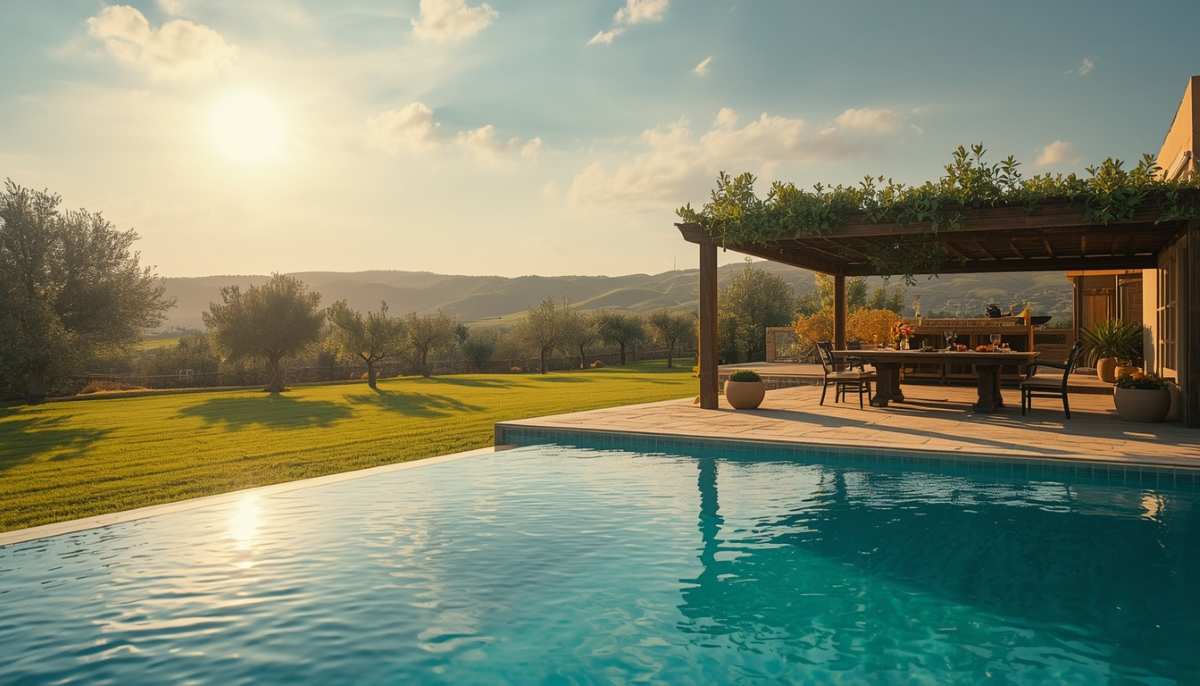
With the cost of traditional summer holidays rising in recent years, private farms have taken a central place in the summer leisure plans of many Syrians across the country. As traditional coastal resorts and commercial tourism destinations become financially out of reach for a growing number of families, a quiet yet profound transformation in domestic travel is being observed. Economic pressures, combined with a collective desire for accessible relaxation, have driven a massive surge in the rental and development of private agricultural estates and countryside retreats. For travelers seeking respite from urban heat and financial strain, understanding this trend is essential for planning an affordable, rejuvenating summer getaway.
The traditional paradigm of packing bags for crowded coastal hotels or expensive mountain resorts is actively being phased out by economic necessity. Instead, an innovative form of localized escape has taken root in the fertile plains and agrarian peripheries of major Syrian cities. Families are no longer measuring their summer success by how far they travelled, but rather by the serenity, privacy, and economic sustainability of their chosen destination. This paradigm shift highlights a remarkable resilience among citizens, who continuously find creative ways to maintain their quality of life despite broader financial headwinds.
People Also Ask: Understanding the Private Farm Phenomenon
To fully grasp the scope of this domestic tourism evolution, several key questions frequently raised by travelers must be addressed.
- Why are private farms becoming popular for summer holidays in Syria? Private farms offer a cost-effective, private, and spacious alternative to commercial hotels, making them ideal for families seeking budget-friendly escapes.
- What amenities are typically included in Syrian private farm rentals? Most properties feature private swimming pools, landscaped gardens, shaded outdoor seating areas, and fully equipped kitchens for family gatherings.
- How has the rise of rural rentals impacted local economies? The boom has provided a vital supplementary income for landowners and agricultural communities, stimulating rural development and micro-entrepreneurship.
The Economic Catalyst Behind Rural Retreats
The soaring inflation rates and escalating transportation costs associated with traditional tourism hubs have fundamentally altered holiday habits. According to data published by economic analysts and governmental bureaus regarding consumer price indices, hospitality and leisure expenses have experienced significant upward trajectories over the past several years. Consequently, vacationers have been forced to reevaluate their discretionary spending. Private farms, often located within a short driving distance from major urban centres like Damascus, Homs, and Aleppo, present a practical solution. By eliminating expensive hotel overheads and long-distance travel expenses, these rural properties deliver high-value leisure experiences at a fraction of the cost.
Advertisement
Advertisement
Furthermore, fuel price fluctuations and transportation logistics have rendered long-distance travel burdensome. A short, manageable drive to the countryside minimizes fuel consumption and reduces the physical exhaustion typically associated with long journeys. Families can pool resources, rent a spacious estate collectively, and drastically reduce per-person vacation expenditures. This financial democratization of leisure ensures that summer relaxation is no longer reserved exclusively for the affluent but remains accessible to the broader working and middle classes.
Redefining Hospitality: Features and Appeal of Countryside Estates
The modern private farm experience has evolved far beyond basic agricultural land. Properties are increasingly retrofitted specifically for recreational hosting. Expansive orchards are transformed into serene backdrops for multi-generational family reunions, weekend barbecues, and private celebrations. Swimming pools, once considered a luxury exclusive to upscale resorts, are now standard features in a vast majority of rented farm estates. Furthermore, the inherent privacy offered by these walled or fenced properties ensures a controlled, secure environment where families can unwind without the congestion typically found in public parks or crowded beaches.
Advertisement
Advertisement
Inside these estates, comfort meets rustic charm. Landowners have heavily invested in modern upgrades, including air-conditioned indoor quarters, reliable backup power systems, and well-maintained outdoor barbecue stations. Children can roam freely across safe, green expanses, playing traditional outdoor games away from the digital distractions of urban life. Adults find solace beneath the cooling canopy of fruit trees, enjoying uninterrupted conversations accompanied by the natural soundtrack of rural breezes and rustling leaves. This synthesis of modern domestic comfort and rustic isolation underpins the enduring appeal of the Syrian countryside retreat.
Environmental and Agricultural Implications
Beyond leisure, the popularity of private farm tourism intersects deeply with the agricultural sector. Landowners who previously relied solely on seasonal crop yields are finding a lucrative secondary revenue stream through short-term leisure leasing. This dual-purpose utilization of rural land encourages better maintenance of orchards, olive groves, and green spaces. Local municipalities and agricultural ministries have noted that agritourism initiatives help preserve rural landscapes against rapid urban encroachment. By integrating tourism with agricultural preservation, rural regions are experiencing renewed economic vitality while retaining their natural charm.
Advertisement
Advertisement
This symbiotic relationship between agriculture and tourism also fosters environmental mindfulness. Maintaining lush, green properties requires careful water management and sustainable land care, practices that benefit the surrounding ecosystem. As landowners upgrade their estates to attract discerning vacationers, the overall aesthetic and ecological health of the countryside improves. Visitors, in turn, develop a deeper appreciation for agricultural heritage, creating a cultural bridge between urban dwellers and rural cultivators that strengthens community bonds across the nation.
Planning Your Private Farm Summer Getaway
Securing a desirable private farm during peak summer months requires strategic planning. Because demand peaks between June and August, early reservations are strongly advised. Travelers are encouraged to inspect property listings thoroughly, verify water and electricity availability—often supplemented by private generators or solar installations—and negotiate transparent rental agreements. By embracing this resourceful approach to domestic travel, families can enjoy refreshing, memorable, and economically sustainable summer vacations across the Syrian countryside.
To maximize the experience, vacationers should coordinate grocery shopping in local rural markets rather than urban supermarkets, thereby supporting local farmers and artisans directly. Packing essential recreational gear, establishing clear guidelines for property care with hosts, and planning activities that respect the tranquility of the neighbourhood will ensure a harmonious stay. Ultimately, the private farm trend is far more than a temporary economic workaround; it is a sustainable, enriching cultural movement redefining how leisure is experienced throughout the region.
Advertisement
