
Qatar Airways Saudi Routes Return in Winter Boost for Qassim, Taif, Yanbu and Tabuk

Updated
Published
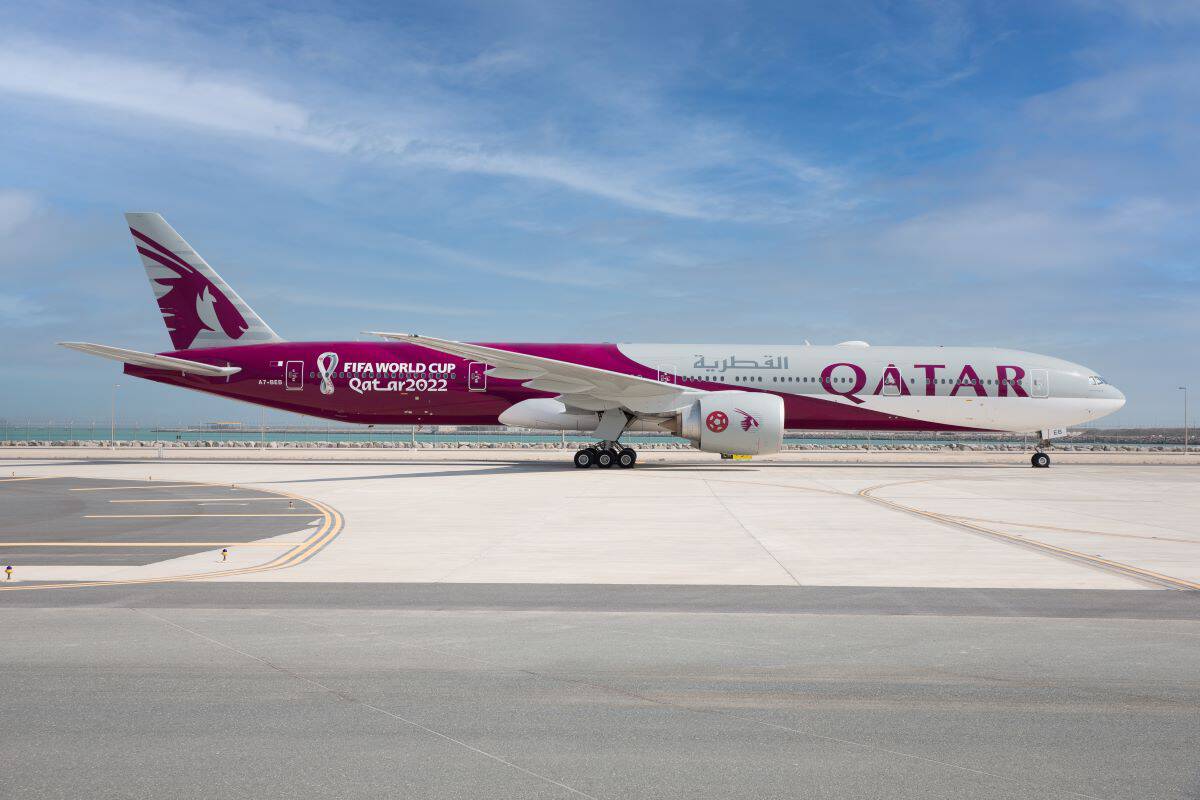
Qatar Airways Saudi routes are coming back this winter. Doha will be linked with Qassim, Taif, Yanbu and Tabuk. There will be eight flights each week.
The phased restoration started on 1 September 2026. Qatar Airways will begin with Qassim on 25 October then Taif on 31 October. After that Yanbu will open on 2 January 2027. Tabuk will open on 3 January.
Advertisement
Advertisement
Qatar Airways will operate than 155 flights each week which is more than 10 percent higher than its summer schedule. For travellers for tourism businesses and, for airports this move gives wider global connections through Hamad International Airport. It also supports Saudi Arabia’s fast‑growing visitor economy and aviation strategy.
Qatar Airways Saudi Routes Return Through a Phased Winter Programme
Qatar Airways is rebuilding its Saudi Arabian network with the confirmed restoration of scheduled flights from Doha to Qassim, Taif, Yanbu and Tabuk. The state-owned carrier announced the winter programme on 1 September 2026, setting out separate launch dates across the closing months of 2026 and the opening days of 2027.
Advertisement
Advertisement
The first resumed service will connect Hamad International Airport in Doha with Prince Naif bin Abdulaziz International Airport in Qassim on 25 October 2026. Qatar Airways will initially operate the route on Sunday, before adding a Friday service from 30 October.
Flights to Taif International Airport will return on 31 October, operating every Wednesday and Saturday. The restoration will then continue after the New Year, with Yanbu returning on 2 January 2027 and Tabuk following on 3 January.
Advertisement
Advertisement
Each route will receive two weekly return flights. Together, the four resumptions will add eight departures from Doha and eight corresponding flights from Saudi Arabia every week.
According to the official Qatar Airways announcement, bookings are available through the airline’s website and mobile application.
Confirmed Qatar Airways Saudi Winter Schedule
| Saudi destination | Airport code | Resumption date | Operating days | Weekly frequency |
|---|---|---|---|---|
| Qassim | ELQ | 25 October 2026 | Sunday; Friday from 30 October | 2 |
| Taif | TIF | 31 October 2026 | Wednesday and Saturday | 2 |
| Yanbu | YNB | 2 January 2027 | Wednesday and Saturday | 2 |
| Tabuk | TUU | 3 January 2027 | Thursday and Sunday | 2 |
The schedules are published in local time and remain subject to the airline’s operational requirements. Passengers should therefore confirm their flight time when booking and check it again before travelling.
Complete Flight Timings for Qassim, Taif, Yanbu and Tabuk
The restored Qatar Airways Saudi routes have been timed to connect the four regional gateways with the airline’s Doha hub. Hamad International Airport provides onward services across the Middle East, Europe, Africa, Asia, the Americas and the Indian subcontinent.
Doha to Qassim Flights
Qatar Airways flight QR1194 will leave Doha at 08:15 every Sunday and arrive in Qassim at 10:00. The return flight, QR1195, will depart Qassim at 11:05 and reach Doha at 12:40.
From 30 October, the additional Friday service will leave Doha at 09:05 and arrive at 10:50. Its return sector will depart Qassim at 11:50 and arrive in Doha at 13:25.
Advertisement
Advertisement
The two-flight pattern gives Qassim a direct international connection to Doha at the end of each week and the beginning of the next. It can support both short leisure trips and longer itineraries involving onward transfers.
Doha to Taif Flights
The Taif service will operate every Wednesday and Saturday from 31 October 2026. Flight QR1206 will depart Doha at 07:35 and land in Taif at 10:00.
Flight QR1207 will leave Taif at 11:00 and arrive in Doha at 13:10. The Wednesday and Saturday schedule can serve weekend demand while also providing a midweek travel option.
Taif International Airport has particular importance for western Saudi Arabia. The government-backed Saudipedia aviation guide identifies it as an international airport serving tourism demand and providing an aviation gateway for pilgrims because of its proximity to Makkah.
Doha to Yanbu Flights
From 2 January 2027, QR1216 will operate from Doha to Yanbu every Wednesday and Saturday. The flight will leave at 07:30 and arrive at 10:15.
The return service, QR1217, will depart Yanbu at 11:20 and reach Doha at 13:35. This timetable will reconnect Yanbu directly with Qatar after the route’s suspension from the operating network.
Advertisement
Advertisement
Yanbu stands on Saudi Arabia’s Red Sea coast and combines industrial, commercial and visitor demand. Its airport, Prince Abdulmohsin bin Abdulaziz International Airport, is among the international gateways overseen within Saudi Arabia’s national airport system.
Doha to Tabuk Flights
Qatar Airways will restore Tabuk services on 3 January 2027. Flight QR1220 will leave Doha at 07:25 every Thursday and Sunday, arriving in Tabuk at 10:20.
Flight QR1221 will depart Tabuk at 11:20 and land in Doha at 13:45. The schedule provides travellers with two weekly opportunities to reach Qatar Airways’ wider international network without first making a domestic connection through Riyadh or Jeddah.
Tabuk is also an important gateway to north-western Saudi Arabia. The province is served by Prince Sultan bin Abdulaziz International Airport, NEOM Bay Airport and Red Sea International Airport, according to official Saudi reference material.
Saudi Network Will Exceed 155 Weekly Flights
The four route resumptions form part of a wider increase in Qatar Airways’ Saudi capacity. The airline says it will operate more than 155 weekly flights to Saudi Arabia during the winter season, representing an increase of more than 10 per cent from its summer programme.
That total extends well beyond the eight weekly services being restored across Qassim, Taif, Yanbu and Tabuk. The airline also maintains high-frequency operations to major Saudi business and population centres, including Riyadh, Jeddah and Dammam.
Advertisement
Advertisement
Qatar Airways increased its Riyadh schedule from 35 to 49 weekly flights in June 2026. That change brought the route to seven daily services, giving passengers a broad choice of departure times and onward connections in Doha.
The airline reported that it had transported more than 2.3 million passengers between Saudi Arabia and its international network during the 12 months preceding the September announcement. This figure covers passengers connecting between the Kingdom and destinations across Qatar Airways’ wider system, rather than only point-to-point travel between Saudi Arabia and Qatar.
The scale of that traffic helps explain why regional routes matter. Saudi travellers do not need to end their journey in Doha. They can use Hamad International Airport as a connecting hub, while inbound passengers can reach secondary Saudi destinations through a single transfer.
Qatar Airways Expands Its Reach Across Saudi Arabia
Once all four services return, the airline’s published Saudi network will cover 13 destinations:
- Abha
- AlUla
- Qassim
- Dammam
- Hail
- Jeddah
- Madinah
- NEOM
- Riyadh
- Tabuk
- Taif
- The Red Sea
- Yanbu
The carrier has stated that its NEOM service is expected to resume during the second half of 2027. That makes the route a future network component rather than an active winter service, and passengers should not interpret it as part of the four-route restoration beginning in October.
This geographical spread is significant. Riyadh, Jeddah and Dammam remain major commercial and population centres, but the wider network reaches tourism, heritage, pilgrimage, industrial and emerging development markets.
Advertisement
Advertisement
Qatar Airways launched three weekly flights to Hail on 5 January 2026, making it the carrier’s thirteenth Saudi gateway at that time. The official Hail launch announcement said the route was intended to improve access from Africa, the Indian subcontinent, the Middle East and Southeast Asia.
The airline had also opened a three-times-weekly service to Red Sea International Airport in October 2025. That route connected Doha with a tourism development on Saudi Arabia’s western coast and expanded international access to the destination through Qatar Airways’ global network.
The return of Qassim, Taif, Yanbu and Tabuk therefore strengthens an established pattern: connecting multiple Saudi regions to Doha rather than concentrating the carrier’s capacity exclusively on the Kingdom’s largest cities.
Saudi Aviation Growth Supports the Expansion
The new winter schedule enters a Saudi aviation market that has expanded rapidly. The Saudi General Authority of Civil Aviation reported that the Kingdom’s airports handled approximately 140.9 million passengers in 2025, an increase of 9.6 per cent from the previous year.
According to GACA’s official 2025 aviation results, international passengers accounted for approximately 76 million journeys, while domestic traffic reached around 65 million. Totals may not reconcile perfectly because the figures were published in rounded form.
The 2025 result followed record activity in 2024, when Saudi airports handled 128 million passengers, approximately 905,000 flights and 1.2 million tonnes of air cargo. GACA also reported that the Kingdom was connected to more than 170 destinations during that year.
Advertisement
Advertisement
Growth on this scale creates opportunities for foreign airlines, airport operators and tourism businesses. It also increases pressure on infrastructure, passenger processing and operational reliability. Additional flights can only generate lasting economic value when airports can manage demand without damaging service quality.
GACA publishes operational performance reports covering critical stages of the passenger journey. These include check-in, security, passport processing, customs, baggage delivery and services for passengers with reduced mobility.
The regulator’s monitoring framework is relevant to the restored regional services because Qassim, Taif, Tabuk and Yanbu will receive passengers who may be transferring from long-haul flights. Consistent airport processing will influence whether those travellers view the connection as practical and dependable.
National Aviation Strategy Creates a Wider Policy Context
Saudi Arabia’s aviation expansion is linked to its wider economic transformation agenda. The National Aviation Strategy seeks to strengthen the Kingdom’s position as an international transport and logistics centre while supporting tourism, trade and investment.
The strategy is broader than the development of a single hub. It involves major international airports, regional gateways, airlines, cargo facilities, infrastructure investment and improved connections between Saudi cities and overseas markets.
Restoring flights to four regional airports supports that decentralised objective. It gives travellers more direct access to individual provinces, reducing the need to arrive through Riyadh, Jeddah or Dammam and then continue by domestic air or road.
Advertisement
Advertisement
Regional international services may also improve the distribution of visitor spending. A traveller landing directly in Taif or Tabuk can begin a local itinerary immediately. That creates possible demand for hotels, transport operators, restaurants, attractions, guides and retail businesses in the destination.
However, flight availability does not guarantee tourism growth by itself. Routes need sustained demand from residents, overseas visitors, businesses and connecting passengers. Competitive pricing, convenient schedules, destination promotion and cooperation between airports and travel companies will determine their longer-term performance.
Tourism Records Strengthen the Commercial Case
Saudi Arabia’s visitor economy provides an important commercial foundation for the restored routes. The Ministry of Tourism reported approximately 123 million domestic and inbound tourists in 2025, representing continued growth in the national tourism market.
The Saudi Vision 2030 Annual Report for 2025 placed tourism spending at approximately US$81 billion and recorded 5,937 licensed tourism facilities. The Ministry of Tourism separately reported around 122.6 million domestic and inbound tourists, reflecting the use of rounded figures across official publications.
Saudi Arabia has raised its national tourism ambition to 150 million annual visits by 2030. This target includes both domestic and international tourism, so it should not be interpreted as a target for foreign arrivals alone.
The Ministry of Tourism previously reported nearly 30 million international visitors in 2024. It also placed inbound tourist spending at approximately SAR169 billion that year, an increase of 19 per cent compared with 2023.
Advertisement
Advertisement
These figures reveal two relevant trends. First, Saudi Arabia is generating a substantial domestic travel market. Second, international tourism has become an increasingly important source of receipts.
The four restored routes can serve both sides of that market. Saudi residents may use Doha for leisure, business or long-haul connections. International passengers can travel through Doha to reach Saudi destinations that receive fewer direct intercontinental services than Riyadh or Jeddah.
Why Qassim Matters to the Winter Network
Qassim occupies a strategic position in central Saudi Arabia. Its principal urban centres include Buraydah and Unaizah, while the province is associated with agriculture, heritage, traditional markets and desert landscapes.
Prince Naif bin Abdulaziz International Airport gives the region direct access to domestic and selected international markets. The restoration of Doha services adds another hub connection, potentially widening access from Europe, Asia, Africa and the Americas.
Qassim can attract several categories of demand. Residents may travel internationally through Doha, while business passengers can access a region with significant agricultural and commercial activity. Leisure travellers can include Qassim within itineraries focused on Saudi culture, food and heritage.
The Friday and Sunday schedule may be especially useful for short trips. Yet the twice-weekly frequency also creates limitations. Passengers whose plans change may have to wait several days for the next direct flight or travel through another Saudi airport.
Advertisement
Advertisement
Travel agents should therefore compare connection times and ticket conditions carefully. A low-frequency direct route can offer convenience, but it requires more disciplined planning than a daily service.
Taif Gains Stronger Tourism and Pilgrimage Access
Taif is known for its elevated setting, milder seasonal climate, rose cultivation and cultural attractions. Its location near Makkah also gives its airport relevance to religious travel, although entry arrangements and access rules remain separate from the availability of a flight.
The resumed Doha route can broaden access for visitors arriving from international markets through Hamad International Airport. It may also serve Saudi residents travelling abroad and passengers visiting family or conducting business.
The Wednesday and Saturday operation gives Taif two distinct weekly travel windows. Saturday departures can accommodate some weekend itineraries, while Wednesday provides a midweek alternative.
Taif’s tourism value extends beyond its proximity to Makkah. The destination has its own natural, agricultural and cultural identity. Official Saudi tourism platforms promote its rose farms, mountain landscapes and heritage experiences.
Air connectivity could help package Taif with other western Saudi destinations. Visitors might combine it with Jeddah, Makkah where eligible and permitted, Al Baha or other parts of the region. Such itineraries would require suitable ground transport and careful journey planning.
Advertisement
Advertisement
The route could therefore benefit accommodation providers and local experience operators, but the effect will depend on how effectively Taif is sold as a destination rather than simply an arrival point.
Yanbu Reconnects a Red Sea Business and Leisure Market
Yanbu combines port, industrial and tourism functions on Saudi Arabia’s western coast. It is known for its waterfront, beaches and access to Red Sea environments, while also supporting major energy, manufacturing and logistics activity.
This mixed economic profile can create more balanced demand than a route dependent on one type of traveller. Corporate passengers may travel for industrial or commercial reasons. Residents can use Doha for global connections, while leisure visitors can access Yanbu’s coastal attractions.
The restored Wednesday and Saturday schedule offers two weekly services from January 2027. Its timing may support leisure weekends, business visits and connections from international flights arriving in Doha.
Prince Abdulmohsin bin Abdulaziz International Airport is part of Saudi Arabia’s network of international gateways. Government reference data show that the airport handled international operations before the current Qatar Airways restoration, demonstrating that the facility is not being converted into an international airport solely for this route.
Yanbu’s position may also allow it to serve broader Red Sea itineraries. However, travellers should distinguish Yanbu from Red Sea International Airport, which is a separate gateway serving The Red Sea tourism development farther north.
Advertisement
Advertisement
Tabuk Strengthens Access to North-Western Saudi Arabia
Tabuk is a major urban and administrative centre in north-western Saudi Arabia. The wider province contains desert, mountain, coastal and heritage environments and is central to several emerging tourism and development corridors.
Prince Sultan bin Abdulaziz International Airport serves Tabuk city, while the province also contains NEOM Bay Airport and Red Sea International Airport. The presence of three aviation gateways reflects the geographical scale and growing strategic importance of the region.
The Doha–Tabuk route will operate every Thursday and Sunday from 3 January 2027. It provides another international option for residents and supports access for business and leisure travellers connecting through Qatar.
Tabuk could benefit from Qatar Airways’ strength in markets across Asia, Europe, Africa and the Indian subcontinent. The route may also support corporate movement linked to development activity in north-western Saudi Arabia.
Nevertheless, Tabuk, NEOM and The Red Sea should not be treated as interchangeable airport markets. They serve different locations and passenger needs. Travellers must select the airport closest to their final destination and examine the available ground-transfer arrangements before booking.
Doha’s Hub Role Is Central to the Strategy
The commercial value of the restored flights depends heavily on Hamad International Airport. Qatar Airways operates to more than 160 destinations in its summer 2026 network, allowing passengers from regional Saudi airports to connect through Doha.
Advertisement
Advertisement
A traveller leaving Qassim, Taif, Yanbu or Tabuk may therefore reach a broad overseas network with one airport transfer. Conversely, an international passenger can connect in Doha and arrive directly in one of the four Saudi regions.
This model is particularly valuable where local demand is insufficient to support direct flights to numerous long-haul destinations. A hub consolidates passengers from several origins onto connecting services, making a wider route portfolio commercially possible.
Connection quality will be important. Passengers consider the total journey, not only the regional flight. Transfer time, terminal navigation, baggage handling, punctuality and disruption support can determine whether an itinerary remains attractive.
Qatar Airways has also deployed widebody aircraft with Starlink connectivity on selected high-volume Saudi services. The carrier reported operating more than 685 Starlink-equipped flights across Riyadh, Jeddah and Dammam in July 2026. This feature applies to eligible aircraft and should not be assumed for the four returning regional routes.
Business and Trade Implications
The expansion can support business travel between Qatar and Saudi Arabia while linking Saudi regional markets with international commercial centres. Qassim has a significant agricultural economy, Yanbu is an industrial and port centre, Tabuk sits within a major development region, and Taif supports tourism, agriculture and services.
Twice-weekly frequencies will not provide the flexibility of a daily business route. Even so, they can support planned visits, project travel, trade delegations and conferences.
Advertisement
Advertisement
The routes may also help small and medium-sized businesses reach suppliers, investors and customers abroad. Passengers can connect through Doha instead of travelling domestically to a larger Saudi gateway before beginning an international journey.
A shorter or simpler itinerary can reduce indirect costs such as hotel nights, ground transfers and working time lost in transit. The actual saving will differ according to fares, connection times and the passenger’s final destination.
Cargo capacity may provide an additional benefit, although Qatar Airways did not publish route-specific cargo volumes in its September announcement. It would therefore be premature to estimate the freight impact of the four services.
Impact on Airports and Local Tourism Businesses
Regional airports gain more than aircraft movements when an international route returns. New services require passenger handling, security, border processing, baggage services, catering, ground operations and coordination between airlines and airport authorities.
This can support airport activity and strengthen the case for future connectivity. A well-performing route can demonstrate demand to other airlines, while weak loads or poor financial results can have the opposite effect.
Local tourism businesses may gain access to visitors who previously faced a more complicated journey. Hotels, destination management companies, tour operators and car-hire providers can build packages around the published operating days.
Advertisement
Advertisement
The twice-weekly schedules also require careful product design. A standard three-night or seven-night package may work well on certain routes, while other durations may not match the flight pattern.
Travel companies should avoid advertising services as daily or implying that all four routes begin simultaneously. Qassim and Taif resume in October 2026, while Yanbu and Tabuk do not return until January 2027.
What Travellers Need to Check Before Booking
Passengers should confirm that their chosen date falls after the relevant route’s resumption. They should also verify the airport code because several Saudi destinations are served by airports within the same broad region.
The correct codes are ELQ for Qassim, TIF for Taif, YNB for Yanbu and TUU for Tabuk. Doha uses DOH.
International travellers must separately check Saudi entry requirements. A confirmed airline ticket does not establish eligibility to enter the Kingdom. Visa rules depend on nationality, purpose of travel and personal circumstances.
Saudi Arabia’s official eVisa portal provides eligibility and application information. The official terms state that applicants need a qualifying passport with at least six months’ validity remaining from the date of entry.
Advertisement
Advertisement
Visitors should also check rules related to religious travel, health documentation, baggage, transit and onward travel. Requirements can change, so official government and airline information should be reviewed close to departure.
Where an itinerary involves separate tickets, passengers should establish whether baggage will be transferred automatically. They should also allow sufficient time for immigration, baggage collection and rechecking if the journey is not protected as one through booking.
Policy and Economic Implications
The restoration of the four routes aligns with Saudi Arabia’s efforts to diversify its economy and distribute tourism development across multiple regions.
Large hubs remain essential, but regional international connectivity can spread commercial opportunities more widely. It can direct travellers towards provinces that may otherwise sit outside standard first-time itineraries centred on Riyadh, Jeddah and Madinah.
Tourism spending can move through several layers of a local economy. Accommodation, food, transport, retail, cultural attractions and guided activities can all benefit when visitors stay in a destination rather than merely transit through it.
Aviation also has wider costs and constraints. Airport infrastructure must keep pace with demand, while airlines face fuel, fleet, staffing and airspace considerations. Route success must therefore be assessed through sustained operations and passenger demand, not announcement figures alone.
Advertisement
Advertisement
The 10 per cent winter increase is a clear capacity indicator, but it is not a forecast of passenger growth or economic returns. Qatar Airways has not published expected load factors, fares, visitor spending or route-level revenue for these four services.
Future Outlook for Qatar–Saudi Connectivity
The winter expansion indicates continued confidence in Saudi demand. More than 155 weekly flights provide Qatar Airways with a substantial presence in the market, while the return of four regional gateways broadens the geographical reach of that capacity.
Future development will depend on bookings, operating conditions and the performance of individual routes. Twice-weekly services often function as a starting point that can be increased if demand proves strong, but Qatar Airways has not announced frequency increases beyond the confirmed schedule.
NEOM is expected to return to the network in the second half of 2027. That prospective restoration would deepen the airline’s coverage of north-western Saudi Arabia, although exact dates and schedules require a later official announcement.
The broader outlook remains supported by Saudi aviation and tourism growth. Record airport traffic, rising international spending and the national target of 150 million annual domestic and inbound visits create favourable conditions.
Still, travellers and tourism businesses should base decisions on published schedules rather than assumed expansion. Confirmed services begin with Qassim and Taif in October 2026, followed by Yanbu and Tabuk in January 2027.
Advertisement
Advertisement
Conclusion
The restoration of Qatar Airways routes brings Qassim, Taif, Yanbu and Tabuk back into connection with Doha and more than 160 onward destinations. The phased timetable adds eight flights helping the airline push its Saudi schedule past 155 flights each week. This expansion comes at a time when Saudi aviation and tourism are seeing record demand making the case stronger, for regional connectivity.. The real value of these new services will depend on reliable operations, competitive fares and smooth transfer options. For travellers and businesses the confirmed flights mean choice and better access. For Saudi Arabia this network growth supports a vision of a connected, diverse and internationally open visitor economy.
[Source:- Gulf Business]
Image Credit:- Qatar Airways
Advertisement
