
Iceland Lights Up With New Geothermal Escapes

Published
Iceland, Hveragerði and the Reykjanes Peninsula are heading into one of the most exciting periods of travel in the country as fall approaches with its extended nights, Northern Lights viewing and geothermal adventure. The launch of the Reykjaböðin Geothermal Lagoon in Hveragerði has introduced yet another point of interest to a place that is already famous for its hot springs, hiking and volcanoes, with a healthy influx of foreign visitors leading into the fall period.
Hveragerði Adds A New Geothermal Attraction
Hveragerði has long been associated with Iceland’s geothermal landscape, earning attention for its hot springs, steaming ground and access to the Reykjadalur valley.
Advertisement
Advertisement
The opening of the Reykjaböðin Geothermal Lagoon in early September adds a new wellness attraction to this setting. Positioned near the base of the Reykjadalur hiking valley, the lagoon gives visitors another way to experience Iceland’s geothermal environment alongside outdoor activities.
The combination is particularly suited to autumn travel, when cooler air creates a natural contrast with warm geothermal water.
Advertisement
Advertisement
Reykjadalur Connects Hiking With Wellness
The Reykjadalur area is one of Hveragerði’s best-known outdoor attractions, with hiking routes leading through a geothermal valley where visitors can experience hot springs and dramatic landscapes.
A trip to the area can combine walking with a geothermal experience, creating an itinerary that brings together two major elements of Icelandic tourism.
Advertisement
Advertisement
For international visitors, this combination also provides an alternative to the more heavily visited attractions around Reykjavik and the Golden Circle.
Northern Lights Season Begins
Autumn marks the return of longer hours of darkness across Iceland, creating increasingly favourable conditions for visitors hoping to see the Northern Lights.
The September equinox around 22–23 September is traditionally an important period for aurora tourism because nights become progressively darker while travel conditions can remain more accessible than during the depths of winter.
The Northern Lights remain a natural phenomenon, and visibility depends on factors including darkness, cloud cover and solar activity. Travellers therefore typically combine several nights in Iceland with flexible evening plans to improve their opportunities.
Solar Activity Adds Interest
The current phase of Solar Cycle 25 has generated strong interest in aurora viewing, particularly among travellers planning dedicated Northern Lights holidays.
Periods of elevated solar activity can create stronger auroral displays, although no specific display can be guaranteed at a particular location or time.
Advertisement
Advertisement
For Iceland’s tourism industry, the aurora season creates demand for evening excursions, specialist photography trips, rural accommodation and guided tours.
Visitors staying outside Reykjavik can also benefit from darker skies and reduced artificial light when weather conditions allow.
Reykjanes Adds A Volcanic Dimension
The Reykjanes Peninsula remains one of Iceland’s most distinctive volcanic tourism regions.
Located between Reykjavik and Keflavík International Airport, the peninsula combines lava fields, geothermal areas, coastal landscapes and volcanic features.
For international visitors, its location makes it convenient to incorporate into an Iceland itinerary either immediately after arrival or before departure.
The region’s proximity to the airport also supports short breaks, allowing travellers with limited time to experience Iceland’s volcanic and geothermal landscapes without travelling deep into the country.
Advertisement
Advertisement
Keflavík Keeps International Travel Moving
Keflavík International Airport remains Iceland’s principal gateway for international visitors, connecting the country with major markets across Europe and North America.
For autumn travellers, the airport provides direct access to Reykjavik, the Reykjanes Peninsula and wider southern Iceland.
The continued operation of international flight corridors supports the seasonal tourism network at a time when demand begins shifting towards Northern Lights trips, geothermal breaks and winter-oriented experiences.
Travellers can therefore combine an airport arrival with geothermal attractions before continuing towards Reykjavik or other parts of the country.
Autumn Extends Iceland’s Tourism Calendar
Iceland’s tourism season has increasingly moved beyond the traditional summer peak.
Autumn offers a mixture of experiences that are difficult to combine during the brighter months. Visitors can still enjoy hiking and sightseeing during daylight hours while having opportunities to search for the Northern Lights after dark.
Advertisement
Advertisement
Geothermal attractions remain available regardless of the season, providing another year-round component to the country’s visitor economy.
This combination allows accommodation providers, tour operators, restaurants and attractions to continue serving international travellers after the busiest summer period.
More Than An Aurora Holiday
The Northern Lights may be one of Iceland’s biggest autumn attractions, but the country’s tourism offering extends well beyond the aurora.
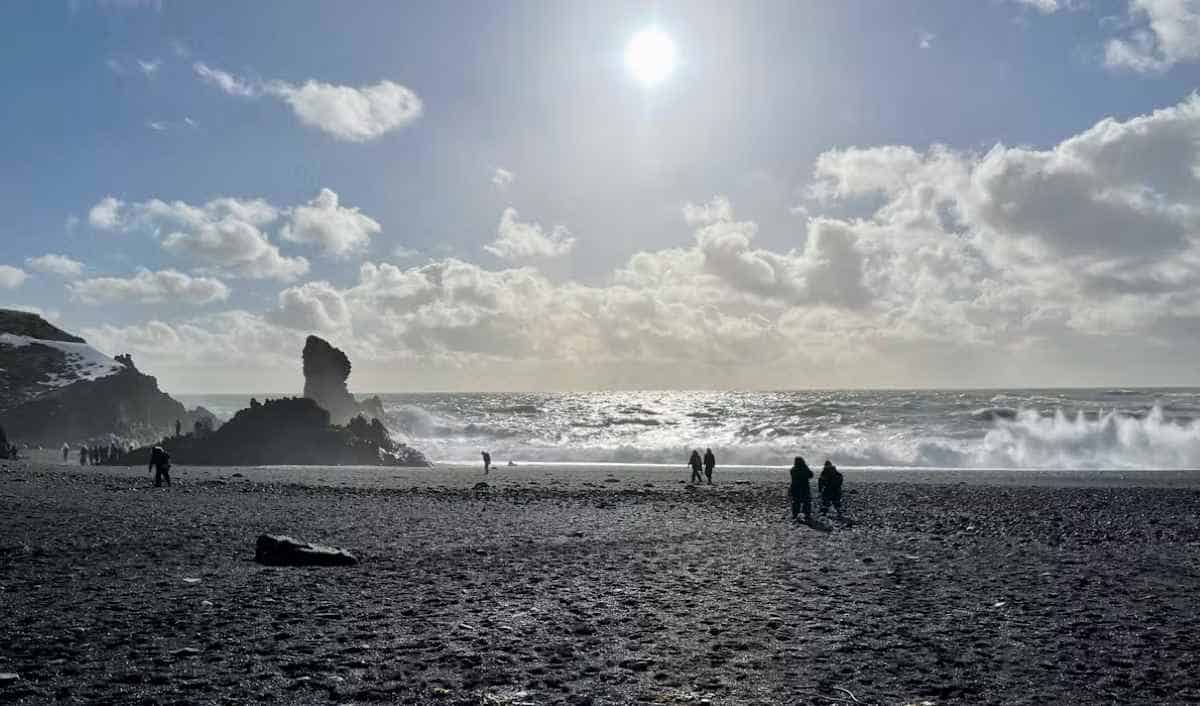
Travellers can combine evening aurora excursions with waterfalls, glaciers, lava landscapes, black-sand beaches and geothermal experiences.
In Hveragerði, hiking around Reykjadalur can become part of a wider wellness itinerary. Around Reykjanes, volcanic landscapes and coastal scenery provide a contrasting experience to the geothermal pools.
This variety makes Iceland particularly suitable for visitors who want to combine adventure, nature and relaxation within a single journey.
Geothermal Tourism Meets The Northern Lights
The inauguration of Reykjaböðin brings yet another element to Iceland’s autumn tourism offer as international interest in seeing the Northern Lights becomes increasingly common. The tourist will have their day exploring the Icelandic volcanoes or hiking around Hveragerði before spending their night in a geothermal environment as the temperature starts to drop and their evenings enjoying the night skies, looking for Northern Lights activity. As autumn comes to Iceland, Hveragerði and the Reykjanes peninsula finds itself in an important convergence point between several significant travel trends – Northern Lights tourism, geothermal tourism, volcanic tourism and off-peak season travel. With significant international traffic coming to Iceland until September, Iceland enters the darker days with an interesting mix of natural tourism and tourism experiences in Iceland.
Advertisement
