
Malta Tourism Growth 2026 Outpaces Spain, France and Italy as Europe’s Mediterranean Travel Race Takes an Unexpected Turn

Published
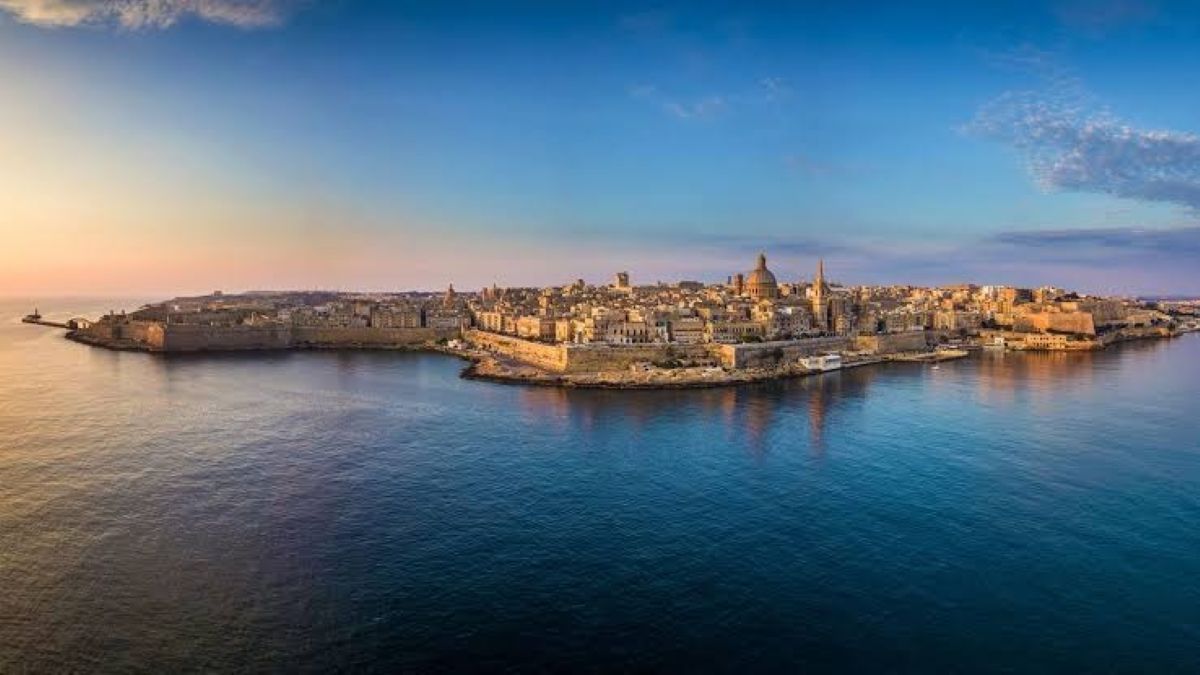
Malta’s tourism growth in 2026 is challenging the Mediterranean’s established holiday powerhouses, with overnight stays rising far faster than the European Union average. Eurostat recorded a 9.9% increase in accommodation nights on the island during January–June, against EU growth of 1.7%. Spain, France and Italy still command vastly larger tourism markets, however, making growth rates only part of the story. Malta also welcomed 2.13 million international tourists and generated €1.80 billion in visitor expenditure during the first half. Meanwhile, Spain received almost 70.4 million foreign tourists by August. The emerging contest raises a crucial question: which destination is turning tourism demand into lasting economic value?
Malta’s Mediterranean Momentum Outpaces the European Average
The latest comparable figures reveal a striking performance from Malta, an island destination competing against countries with far greater territory, accommodation capacity and international recognition. Eurostat recorded approximately 6.20 million overnight stays in Malta during the first half of 2026, up 9.9% year on year. The EU total reached 1.321 billion nights, representing growth of 1.7%. Malta therefore expanded almost six times as quickly as the European average, although its absolute visitor volume remained comparatively small.
Advertisement
Advertisement
The second-quarter figures reinforce that momentum. Malta registered 3.61 million accommodation nights between April and June, an increase of 9.0%, or approximately 300,000 additional nights. Across the EU, accommodation demand rose by just 1.2% during the same quarter. Malta ranked among the fastest-growing member states, although Lithuania recorded a slightly higher 9.8% increase.
This performance does not mean Malta has overtaken Europe’s tourism giants. Instead, it demonstrates how a smaller destination can expand more rapidly from a lower starting base. The more revealing question is whether this momentum translates into longer stays, stronger hotel performance and greater visitor spending. Those measures determine whether headline growth reflects a deeper improvement in tourism activity.
Advertisement
Advertisement
Four Countries Reveal Two Very Different Races
A common reporting period offers the fairest way to compare Malta with Spain, France and Italy. Eurostat’s second-quarter figures reveal both the enormous differences in market size and the contrasting pace of expansion. Italy and Spain recorded approximately 148 million and 142 million accommodation nights respectively, while France recorded almost 126 million. Malta’s 3.61 million nights represent a much smaller market, despite its faster growth.
| Destination | Accommodation nights, Q2 2026 | Annual growth | What the figures reveal |
|---|---|---|---|
| Italy | 147.9 million | +3.9% | Large market with strong expansion |
| Spain | 141.9 million | +0.5% | Huge volume, slower growth |
| France | 125.9 million | +1.6% | Substantial demand, moderate growth |
| Malta | 3.61 million | +9.0% | Small market, rapid expansion |
| EU | 849.8 million | +1.2% | Overall quarterly benchmark |
The contrast is particularly clear when comparing growth rates. Malta’s second-quarter increase exceeded Italy’s by 5.1 percentage points, France’s by 7.4 points and Spain’s by 8.5 points. Yet Italy added approximately 5.5 million nights in the quarter, illustrating how a slower-growing giant can generate far more additional demand than a rapidly expanding island.
Advertisement
Advertisement
For tourism businesses, these figures tell different stories. Malta’s growth could indicate expanding demand for accommodation and experiences, while Italy’s absolute increase demonstrates the commercial significance of scale. Spain and France remain formidable markets even when their growth rates fall below those of smaller competitors.
Malta’s Visitor Boom Comes With a Spending Paradox
Malta’s national statistics reveal a second dimension to the growth story. The island welcomed 2,131,825 international tourists between January and June 2026, an 18.1% annual increase. Their stays generated approximately 11.8 million nights, up 10.1%, while total expenditure reached €1.796 billion, rising 14.8%. These figures suggest that visitor demand is expanding faster than accommodation nights alone would indicate. However, higher total spending does not automatically mean higher spending by each visitor.
Advertisement
Advertisement
| Malta’s inbound tourism indicators | January–June 2026 | Annual change |
|---|---|---|
| International tourist arrivals | 2.13 million | +18.1% |
| International visitor nights | 11.8 million | +10.1% |
| Total visitor expenditure | €1.796 billion | +14.8% |
| Expenditure per tourist | €842 | Down from €866 |
| Average stay in June | 5.6 nights | Monthly figure |
The divergence between arrivals and nights deserves particular attention. Arrivals grew eight percentage points faster than overnight stays, suggesting that average stay duration may be under pressure. The published figures are rounded, so a precise average should be calculated from the underlying monthly totals before drawing a definitive conclusion. Even so, the trend raises a commercially important question: is Malta attracting more short-break visitors, or is its visitor mix changing in other ways?
Spending offers another clue. Total expenditure grew more slowly than arrivals, while expenditure per tourist fell from €866 to €842. This indicates that the island’s expanding visitor base is not necessarily generating proportionately higher spending from each traveller. For hotels, restaurants and tour operators, the distinction matters because visitor volume and visitor value are separate measures of commercial performance.
Malta’s June figures also reveal the importance of paid accommodation. Rented establishments accounted for 89.2% of inbound guest nights that month, while average expenditure reached €176.80 per tourist night. The island recorded 458,223 inbound tourists in June alone, up 18.5% year on year. Yet overnight stays rose by a more modest 3.9% that month, highlighting the need to distinguish arrivals from actual accommodation demand.
Spain’s Giant Market Tells a Different Story
Spain remains the clearest demonstration of why a tourism growth race cannot be judged by percentages alone. The country received 70,362,493 international tourists between January and August 2026, an increase of 5.4%. August alone brought 12.26 million arrivals, up 9.2% from the same month in 2025. These totals give Spain a scale that Malta cannot approach, even during an exceptional period of growth.
Advertisement
Advertisement
Visitor expenditure strengthens Spain’s position. International tourists spent €99.892 billion during the first eight months of 2026, up 8.0% year on year. August expenditure reached €17.838 billion, increasing 9.2%, while average daily expenditure rose 1.9% to €202. Average spending per tourist stood at €1,455 for the month, broadly unchanged from a year earlier.
The distinction between spending per trip and spending per day is useful for holidaymakers and industry analysts. A destination can generate more revenue because it welcomes additional visitors, charges higher prices or encourages greater daily expenditure. However, these effects do not necessarily mean that each tourist spends more over the entire trip.
Spain’s hotel indicators show this complexity. Hotel overnight stays increased 1.4% in August, while the hotel price index rose 6.3%. Average revenue per occupied room reached €166.90, up 7.3% year on year. Occupancy by available bed places stood at 76.13%.
| Spain’s August 2026 indicator | Latest reported figure |
|---|---|
| International arrivals | 12.26 million |
| Hotel overnight stays | 48.80 million |
| Occupancy by available bed places | 76.13% |
| Average revenue per occupied room | €166.90 |
| Annual hotel price-index change | +6.34% |
For travellers, the practical implication is straightforward. Strong visitor numbers do not guarantee better value, particularly when hotel prices rise faster than overnight demand. Meanwhile, businesses must distinguish increased room revenue from increased profitability, since labour, energy, maintenance and other operating costs also influence margins.
France’s Strength Lies Beyond Summer Arrivals
France presents a different competitive model, combining a large domestic tourism market with substantial international demand. Eurostat recorded approximately 125.9 million accommodation nights in France during Q2 2026, up 1.6% annually. The country’s absolute increase reached around two million nights, placing it among the EU’s largest contributors to additional accommodation demand.
France’s national figures offer a more detailed view of the accommodation market. INSEE recorded 84.2 million nights in collective tourist accommodation, excluding campsites, during the second quarter. That represented annual growth of 1.0%. Hotels accounted for 61.1 million nights, up 1.4%, while holiday and other short-stay accommodation declined 0.5%.
Advertisement
Advertisement
The difference between these series matters. Eurostat’s broader accommodation measure includes campsites, whereas the cited INSEE collective-accommodation release excludes them. Readers should therefore avoid comparing those totals as though they measure precisely the same market.
France’s hotel performance also varied by category. Four- and five-star establishments recorded 20.9 million nights in Q2, increasing 4.2% year on year. Three-star hotels recorded 25 million nights, up 3.7%, while one- and two-star hotels experienced a 2.1% decline.
This divergence suggests that France’s hotel market is not moving uniformly. Higher-category properties are gaining demand, while lower-category hotels face different conditions. For the industry, that distinction may matter more than the national growth rate alone. For visitors, it reinforces the value of comparing accommodation categories, locations and travel dates rather than assuming one national trend applies everywhere.
Italy Adds Millions of Nights Despite Slower Growth
Italy’s performance shows why the Mediterranean competition remains more complicated than Malta’s headline growth suggests. The country recorded approximately 147.9 million accommodation nights in Q2 2026, with annual growth of 3.9%. It also added roughly 5.5 million nights compared with the same quarter a year earlier, the largest absolute increase among EU countries in Eurostat’s release.
Istat’s national tourism statistics provide further context. Italy recorded almost 47 million arrivals during Q2, while accommodation nights reached approximately 148 million. Arrivals fell 0.8% year on year, even as nights increased 3.9%. This divergence suggests that average stay duration or the composition of visitors may have changed, although those factors need to be tested against the detailed data.
International guests accounted for 61.6% of Italian accommodation nights. Their nights rose 4.6%, compared with 2.7% growth among domestic visitors. The average stay across accommodation establishments was 3.15 nights, increasing to 3.34 nights for foreign visitors.
Advertisement
Advertisement
Italy therefore demonstrates a different form of tourism strength. Malta is expanding quickly from a smaller base, while Italy combines substantial scale with rising overnight demand. That makes it essential to separate percentage growth from the absolute number of additional nights when assessing the commercial opportunity for accommodation providers, attractions and destination-management organisations.
Why Malta’s Visitor Mix Matters More Than Its Size
One of Malta’s most distinctive characteristics is its dependence on international visitors. Eurostat found that non-residents accounted for 95.2% of the island’s accommodation nights during the first half of 2026, the highest share among EU countries. The comparable shares were much lower in destinations with larger domestic tourism markets.
This dependence creates both opportunity and exposure. International demand can sustain accommodation businesses beyond the domestic holiday market, but changes in airline capacity, source-market spending or travel costs may have an outsized effect. Malta’s strong growth should therefore be assessed alongside its concentration of foreign demand and the resilience of its principal visitor markets.
The source-market figures offer further insight. British, Italian and Polish residents represented 45.6% of Malta’s inbound tourists in June 2026. Meanwhile, 52.7% of inbound tourists during the first half visited Gozo and Comino, including same-day and overnight visitors. These figures indicate that visitor demand extends beyond Valletta and Malta’s principal island, although they do not establish how evenly tourism spending reaches individual communities.
What the Numbers Mean for Holidaymakers
The data offer useful guidance for travellers, but they do not identify a universal winner for affordability or value. Malta’s rapid expansion may bring more accommodation choices and tourism services, yet growing demand can also put pressure on prices and popular attractions. Visitors should compare actual travel dates, accommodation categories and total trip costs before assuming that a smaller destination will be cheaper.
Spain’s hotel-price increase offers a particularly clear warning. Its 6.3% annual rise in the hotel price index exceeded the 1.4% growth in August hotel nights. That divergence suggests that demand and pricing can move at different speeds. However, it does not establish that every Spanish destination became more expensive by the same amount.
Advertisement
Advertisement
Travellers seeking quieter periods should examine monthly demand rather than relying on annual averages. Malta’s first-half growth, for example, does not establish that every month or locality experienced the same increase. Likewise, national accommodation statistics cannot determine whether a particular beach, town or hotel remains crowded.
For business travellers, France’s 6% increase in business tourism during Q2 offers another useful signal. Its recovery suggests that travel demand extends beyond leisure holidays, potentially supporting hotels and urban destinations outside the peak summer period.
A Fairer Way to Measure Tourism Success
The four destinations illustrate why tourism performance needs several measures. Arrivals reveal how many visitors enter a country, while overnight stays indicate how much accommodation demand they generate. Receipts measure spending, and occupancy shows how intensively available accommodation is being used. None of these indicators alone measures profitability, resident satisfaction or the environmental cost of tourism.
| Measure | What it reveals | What it cannot prove alone |
|---|---|---|
| International arrivals | Inbound visitor volume | Length of stay or spending |
| Accommodation nights | Demand for tourist accommodation | Profitability or visitor satisfaction |
| Tourism receipts | Aggregate visitor expenditure | How much businesses retain |
| Hotel occupancy | Use of available hotel capacity | Whether room rates are affordable |
| Spending per tourist | Average expenditure per visitor | Whether spending rose after inflation |
The historical baseline also matters. Comparing 2026 with 2025 identifies immediate momentum, but a longer series is needed to determine whether a destination has surpassed its pre-pandemic performance or merely recovered from a weaker period. Analysts should also account for inflation, changing accommodation capacity and differences in statistical coverage.
For tourism businesses, the priority is to monitor the relationship between demand, pricing and operating costs. For destination authorities, the challenge is to distribute visitor spending while protecting infrastructure, local communities and environmental assets. For travellers, the practical lesson is to compare specific destinations and dates instead of relying on national growth rankings.
Malta’s Challenge Is Only Just Beginning
Malta has emerged as one of the EU’s strongest tourism-growth performers in 2026, but it has not displaced Spain, France or Italy in absolute market size. Its 9.9% first-half increase in accommodation nights, rising visitor expenditure and expanding international arrivals provide a compelling case for closer attention. Yet falling expenditure per tourist and the gap between arrival growth and overnight stays show why the island’s performance needs careful interpretation. Spain retains formidable scale, Italy is adding substantial accommodation demand, and France benefits from a broad tourism market. The real contest is not simply who attracts more visitors, but who converts demand into lasting economic value.
Advertisement
Advertisement
Frequently Asked Questions
1. Why Is Malta’s Tourism Growth Outpacing Spain, France and Italy in 2026?
Malta recorded a reported 9.9% increase in accommodation nights during the first half of 2026, compared with 1.7% across the EU. Its smaller tourism market means that a relatively modest increase in visitor numbers can generate a higher percentage growth rate than in established destinations.
2. How Many Tourists Visited Malta in the First Half of 2026?
Malta welcomed approximately 2.13 million international tourists between January and June 2026, representing an 18.1% increase year on year. Total visitor expenditure reached approximately €1.796 billion during the period.
3. Is Malta More Popular Than Spain, France and Italy?
Not in terms of total visitor numbers. Spain alone received approximately 70.36 million international tourists between January and August 2026. Malta’s stronger growth rate indicates expanding demand, but it does not mean the island attracts more tourists overall.
4. Which Country Recorded the Most Accommodation Nights in the Second Quarter of 2026?
Among the four destinations, Italy recorded the most accommodation nights, with approximately 147.9 million between April and June. Spain followed with 141.9 million, France recorded 125.9 million, and Malta registered approximately 3.61 million.
5. Are Tourists Spending More Money in Malta in 2026?
Malta’s total tourist expenditure increased by 14.8% during the first half of 2026, reaching approximately €1.796 billion. However, average expenditure per tourist declined from €866 to €842, showing that higher aggregate spending does not necessarily mean greater spending per visitor.
6. What Does Malta’s Tourism Boom Mean for Travellers?
Growing demand could influence hotel prices, accommodation availability and pressure on popular attractions. Travellers should compare seasonal prices, transport costs and accommodation options before booking, as faster tourism growth does not automatically make a destination cheaper or less crowded.
Advertisement
