
Bolivia Moves Alongside Ecuador and More Countries as South America Updates Travel Advisory Over Demonstrations and Security Risks

Published
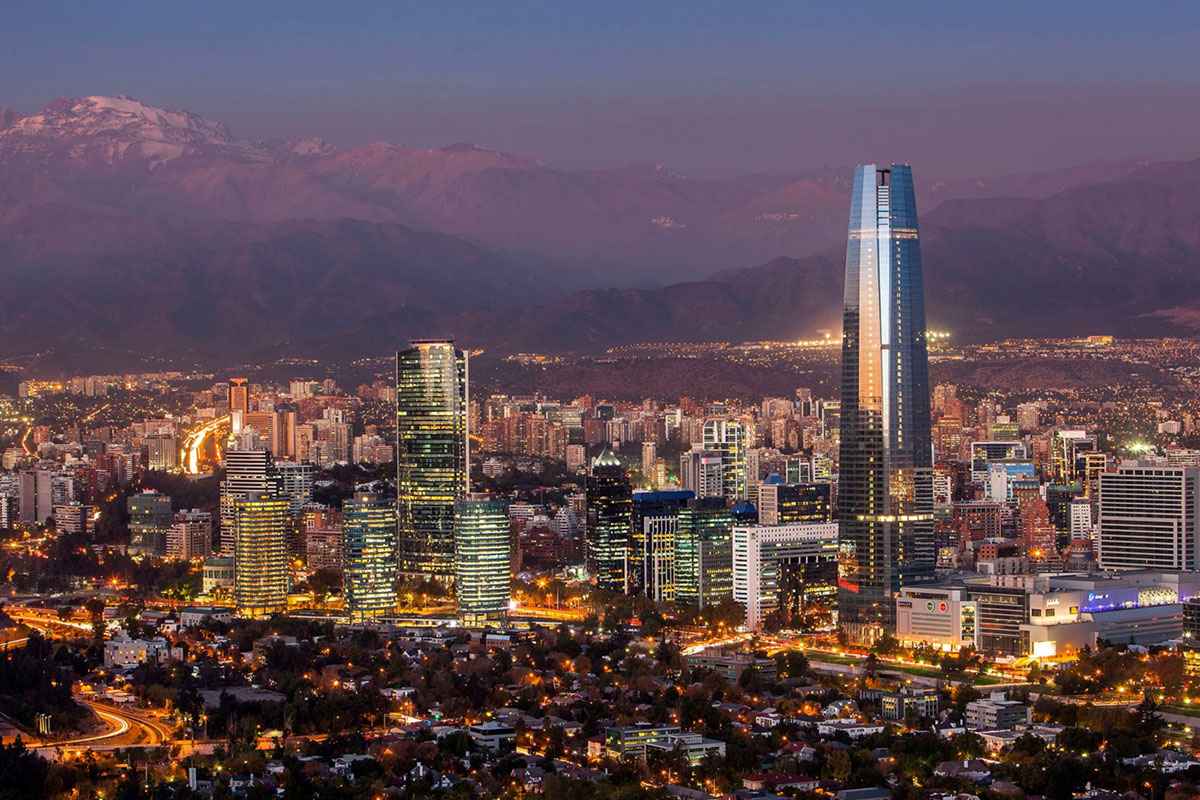
Several South American destinations are facing heightened travel concerns as the final quarter of 2026 begins, with Chile, Bolivia, Ecuador and Brazil subject to updated US travel guidance relating to demonstrations, civil unrest, crime and wider security risks. Travellers are being urged to monitor official advisories, avoid demonstrations and prepare for sudden disruption to transport and daily movement.
The countries have different risk profiles, but the common concerns include political demonstrations, road blockades, public transport disruption, organised crime and localised security incidents. Brazil is also facing reported restrictions affecting US consular operations, adding another layer of concern for American travellers requiring assistance.
Advertisement
Advertisement
Why are South American countries under fresh travel warnings?
Travel advisories are designed to alert visitors to conditions that could affect personal safety, mobility and access to essential services. In the countries highlighted for Q4 2026, the risks vary significantly by location.
Chile is primarily facing concerns over demonstrations and associated disruption, while Bolivia continues to experience political unrest and road blockades. Ecuador faces a combination of civil unrest and organised-crime risks, including kidnapping concerns.
Advertisement
Advertisement
Brazil’s broader security environment includes violent crime and risks associated with certain areas, while the reported suspension of physical US consular services adds an additional concern for American travellers.
What is the travel advisory level for Chile?
Chile is listed at Level 2: Exercise Increased Caution under the US travel advisory system.
Advertisement
Advertisement
Large-scale demonstrations can occur in Santiago and other urban areas with little advance notice. Such events can disrupt public transportation, including metro services and local bus networks.
For visitors, the principal issue is not simply the demonstration itself but the possibility of sudden changes to transport routes and access around affected areas.
Travellers should avoid political gatherings and monitor local developments before travelling across cities where demonstrations are taking place.
Why should travellers be cautious in Bolivia?
Bolivia is also subject to a Level 2: Exercise Increased Caution designation, although specific areas carry higher warnings.
Political unrest, demonstrations and road blockades remain important concerns for visitors. Blockades can have an immediate impact on road travel and public transportation, potentially leaving travellers unable to reach airports, hotels or onward destinations.
Visitors should avoid attempting to cross physical blockades and maintain alternative travel plans where possible. Travellers moving between cities should also allow additional time in case roads or transport networks are disrupted.
Advertisement
Advertisement
What risks are travellers facing in Ecuador?
Ecuador carries a Level 2: Exercise Increased Caution advisory, alongside higher-level restrictions applying to specific territories.
The country’s security environment includes civil unrest, public strikes and threats associated with organised crime. Kidnapping and terrorism-related risks are also highlighted in travel guidance.
The combination of political disruption and criminal activity means that risk levels can vary substantially between provinces and individual locations.
Travellers should therefore examine the specific guidance applying to their intended destination rather than treating Ecuador as having one uniform security profile.
Why has Brazil become a major Q4 travel concern?
Brazil remains under a Level 2: Exercise Increased Caution designation, with security concerns including violent crime, risks in certain urban areas and criminal activity.
The supplied information also highlights a reported development involving US diplomatic facilities. According to the information provided, physical consular services at US Embassy and Consulate locations were suspended from 2 October 2026 because of security concerns.
Advertisement
Advertisement
American travellers in Brazil should therefore avoid approaching diplomatic facilities during any suspension and monitor official US Embassy and Department of State updates for changes to services.
How could demonstrations affect travellers across the region?
Demonstrations can affect tourism even when visitors are not directly involved. Roads may be blocked, public transport can be suspended and access to airports, attractions and accommodation can become more difficult.
Chile and Bolivia are particularly relevant in this respect, with demonstrations and blockades identified as key concerns.
Travellers should avoid areas where protests are taking place, follow instructions from local authorities and avoid attempting to pass through barricades.
What should tourists do before travelling to these countries?
Visitors should check the latest official travel advisory for their destination immediately before departure and continue monitoring it during their trip.
Travellers should also keep copies of passports, visas, insurance details and other essential documents separately from the originals. Flexible transport arrangements can be particularly useful where demonstrations or road closures are possible.
Advertisement
Advertisement
Travel insurance should be reviewed carefully to understand coverage for disruption, medical treatment and evacuation where applicable.
Which countries require the greatest planning?
All four destinations require travellers to pay attention to local conditions, but the specific planning requirements differ.
Chile requires awareness of demonstrations and urban transport disruption. Bolivia requires additional preparation for roadblocks and political demonstrations. Ecuador requires careful consideration of regional security differences because of organised crime and kidnapping risks.
Brazil requires attention to crime risks, location-specific security conditions and the status of US consular services for American citizens.
Q4 2026 South America Travel Advisory Matrix
| Country | Base Advisory | Main Concerns | Traveller Response |
|---|---|---|---|
| Chile | Level 2 | Large demonstrations and transport disruption | Avoid protests and monitor local transport |
| Bolivia | Level 2, with higher-risk areas | Political unrest, demonstrations and roadblocks | Avoid blockades and maintain alternative routes |
| Ecuador | Level 2, with higher-risk areas | Civil unrest, organised crime and kidnapping | Check regional restrictions and limit exposure to high-risk areas |
| Brazil | Level 2 | Violent crime and security concerns | Follow local security guidance and monitor consular updates |
Could travel disruption continue through Q4 2026?
Travel conditions can change rapidly when demonstrations, strikes or political events occur. A destination that is accessible one day can experience significant transport disruption the next.
For this reason, travellers should not rely solely on information obtained when booking their trip. Official government advisories, local authorities, airlines and accommodation providers can provide more timely information when disruptions occur.
Advertisement
Advertisement
The situation also means that travellers should retain flexibility in their itineraries, particularly when moving between cities or regions by road.
What does the latest warning mean for South America tourism?
The advisories highlight the importance of destination-specific travel planning across South America. The continent remains a major tourism region, but security conditions can vary considerably between countries, cities and provinces.
For tourism businesses, accurate communication about local conditions is equally important. Hotels, tour operators and destination organisations can help travellers by providing practical information on transport disruptions, alternative routes and local safety procedures.
For visitors, the key lesson is that a national travel advisory does not necessarily mean every tourist area faces the same level of risk.
The latest Q4 2026 travel warnings highlight Chile, Bolivia, Ecuador and Brazil as South American destinations where travellers should exercise increased caution because of demonstrations, political unrest, road blockades, organised crime and other security concerns. Chile faces disruption from large-scale demonstrations, while Bolivia continues to experience political unrest and blockades.
Ecuador presents a more complex combination of civil unrest and organised-crime risks, including kidnapping concerns in specific areas. Brazil remains subject to a Level 2 advisory, with violent crime and reported US consular-service restrictions adding to the security picture. Travellers should check official guidance before departure, avoid demonstrations and blockades, maintain flexible itineraries and follow local authority instructions throughout their journey.
Advertisement
