
San Francisco Aligns Phoenix and More in Powering Las Vegas Tourism with Over Large Number of Tourists Through Digital Growth and Partnerships in 2026

Published
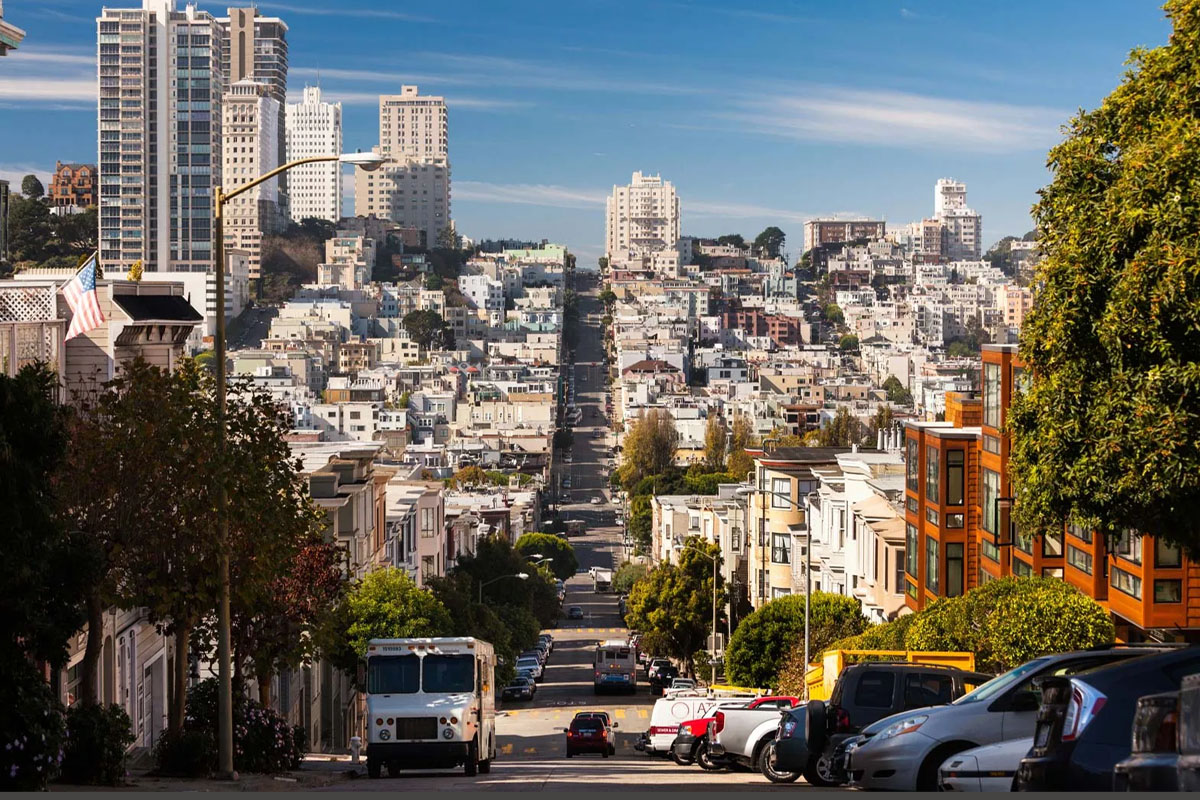
Las Vegas is strengthening its tourism recovery in 2026 as major US feeder markets including Los Angeles, San Francisco, New York, Chicago and Phoenix support visitor demand across leisure, conventions, sports and entertainment. The destination is combining targeted digital marketing with major events, new attractions and convention infrastructure to broaden its appeal beyond traditional casino tourism.
The Las Vegas Convention and Visitors Authority is using increasingly sophisticated geographic and demographic targeting to reach potential travellers, while major investments in entertainment and events are creating additional reasons to visit. The strategy comes as Las Vegas seeks to rebuild visitor volumes amid economic uncertainty, elevated travel costs and changing consumer behaviour.
Advertisement
Advertisement
Which US cities are driving Las Vegas tourism in 2026?
Southern California remains one of the most important source markets for Las Vegas. Los Angeles and San Diego provide substantial drive-in and short-haul air traffic, making the region particularly valuable for weekend breaks, entertainment trips and spontaneous travel.
San Francisco and Phoenix also represent important short-haul aviation markets. Their proximity and air connectivity allow Las Vegas to attract visitors looking for relatively short leisure trips.
Advertisement
Advertisement
Meanwhile, New York and Chicago play an important role in longer-haul travel. These metropolitan areas are particularly relevant to the convention and corporate segments, which have become an increasingly important part of Las Vegas’ tourism recovery.
Why are Los Angeles and San Diego important to Las Vegas?
Southern California has traditionally been one of Las Vegas’ strongest visitor markets because of its geographical proximity and extensive road and air connections.
Advertisement
Advertisement
Travellers from Los Angeles and San Diego can reach the destination relatively quickly, supporting both planned holidays and shorter trips. The market is particularly important when consumers become more price-conscious, as visitors can choose shorter stays without the cost and time associated with longer-distance travel.
Targeted promotions aimed at West Coast consumers are therefore an important part of Las Vegas’ strategy for maintaining visitor volume while broader economic conditions remain uncertain.
Advertisement
Advertisement
How are San Francisco and Phoenix supporting the recovery?
San Francisco and Phoenix provide significant regional air traffic for Las Vegas. Both markets offer large populations with established travel connections to Nevada.
Las Vegas tourism operators have increasingly used digital campaigns to target specific traveller groups rather than relying solely on broad destination advertising. This allows marketing organisations and resorts to focus promotional spending on consumers with stronger travel propensity and higher potential spending.
For Las Vegas, the strategy is particularly important as airlines adjust networks and consumers become more selective about discretionary travel.
Why are New York and Chicago important for convention tourism?
New York and Chicago are significant long-haul domestic feeder markets for Las Vegas, particularly for business travel, conventions and corporate events.
Advertisement
Advertisement
Las Vegas has built a global reputation as a major meetings destination, and convention traffic provides an important complement to leisure visitors. Large events can also generate demand across hotels, restaurants, entertainment venues, transport providers and retail businesses.
The city’s convention infrastructure continues to support this strategy, with major facilities and hotel properties capable of hosting large-scale national and international events.
How is Las Vegas using digital marketing to attract visitors?
Las Vegas has increasingly moved towards precision digital marketing, using geographic, demographic and behavioural data to identify potential visitors.
The LVCVA has approved substantial marketing resources to stimulate demand, with campaigns designed to reach specific traveller segments rather than treating the entire US population as a single market.
Higher-income consumers are an important target because they have greater potential spending power across hotels, restaurants, entertainment, shopping and gaming.
This approach allows Las Vegas to use digital advertising more efficiently while responding to changes in travel demand and consumer confidence.
Advertisement
Advertisement
What is ‘whale hunting’ doing for Las Vegas tourism?
Major resort operators are also using digital loyalty programmes and customer data to identify and retain high-value travellers, sometimes described within the gaming industry as whale hunting.
MGM Resorts International and Caesars Entertainment have extensive loyalty ecosystems that provide insight into customer behaviour and spending patterns. These systems can support personalised offers and targeted marketing.
The strategy is particularly valuable when overall visitor volumes fluctuate because attracting fewer but higher-value customers can help support resort revenues.
Is Las Vegas moving beyond traditional casino tourism?
Las Vegas has spent years diversifying its visitor proposition beyond gambling, and entertainment, sports, conventions and major attractions are now central to the city’s tourism strategy.
The Sphere has become one of the city’s most recognisable entertainment landmarks, adding a highly visual attraction to the Las Vegas skyline and creating another reason for visitors to travel to the destination.
Its concerts, immersive productions and large-scale visual experiences contribute to the wider entertainment ecosystem surrounding the Strip.
Advertisement
Advertisement
How important is sports tourism to Las Vegas?
Sports have become one of the most powerful diversification strategies for Las Vegas.
The city has established a growing calendar of major events involving Formula 1, the Las Vegas Raiders, WWE and NASCAR, among others. These events attract visitors who may not otherwise have chosen Las Vegas as a destination.
The Formula 1 Las Vegas Grand Prix, in particular, has positioned the city as a global sports and entertainment destination, bringing together racing, hospitality, nightlife and luxury experiences.
Sports tourism can also generate substantial visitor spending beyond event tickets, benefiting hotels, restaurants, transport providers and entertainment businesses.
Why are conventions still crucial to Las Vegas?
Las Vegas remains one of the strongest convention destinations in the United States, supported by large-scale venues and extensive hotel capacity.
The Las Vegas Convention Center has undergone a major investment programme, strengthening the city’s ability to host large trade shows, corporate meetings and international events.
Advertisement
Advertisement
The Consumer Electronics Show is among the most prominent examples, attracting more than 140,000 attendees in a recent edition and demonstrating the scale of events that Las Vegas can accommodate.
Convention visitors are valuable because they often stay during weekdays and generate spending across multiple sectors of the local economy.
Could Las Vegas exceed 40 million visitors in 2026?
The supplied market projections indicate that Las Vegas could exceed 40 million visitors in 2026, reflecting expectations of a broader tourism recovery.
However, the pace of recovery will depend on several factors, including consumer spending, airline capacity, hotel pricing, economic conditions and the performance of major events.
The city’s diversified visitor proposition provides some protection against weakness in any single segment. Leisure, conventions, sports and entertainment can collectively support demand even when individual markets experience fluctuations.
What makes Las Vegas’ tourism strategy different?
Las Vegas is increasingly combining data-driven marketing, experiential tourism and large-scale infrastructure rather than relying exclusively on its traditional casino identity.
Advertisement
Advertisement
Its strategy connects specific feeder cities with targeted advertising while using attractions such as Sphere, major sporting events and conventions to create reasons for visitors to travel.
The approach also allows the destination to target different types of consumers. A visitor from Los Angeles may be attracted by a weekend entertainment trip, while a traveller from Chicago or New York may arrive for a convention and extend the stay for leisure.
What does the Las Vegas recovery mean for US tourism?
Las Vegas’ recovery highlights the importance of diversification in modern destination marketing. Cities competing for visitors are increasingly using data, entertainment, sport, business events and personalised digital campaigns to build demand.
For Las Vegas, the combination of nearby domestic feeder markets and major long-haul cities provides a broad foundation for recovery. The destination can also leverage its existing hotel capacity, convention infrastructure and entertainment ecosystem to generate additional spending.
The strategy demonstrates how a major tourism city can adapt its marketing and visitor proposition as traveller behaviour changes.
Las Vegas is entering an important phase of its tourism recovery, with Los Angeles, San Francisco, Phoenix, New York and Chicago among the key US markets supporting visitor demand. Southern California remains crucial for drive and short-haul travel, while New York and Chicago provide valuable convention and corporate traffic.
Advertisement
Advertisement
At the same time, Las Vegas is using digital targeting, personalised marketing, sports, entertainment and convention infrastructure to diversify its tourism economy. Sphere, Formula 1, major sports events and large conventions are expanding the destination’s appeal beyond gambling. With projections pointing towards more than 40 million visitors in 2026, Las Vegas is positioning itself as an increasingly diversified global tourism and events hub.
Advertisement
