
Laos Neighboring Nations Spark Record Breaking Visitor Surges Throughout For Ultimate Travel Discovery, Find Out Now

Published
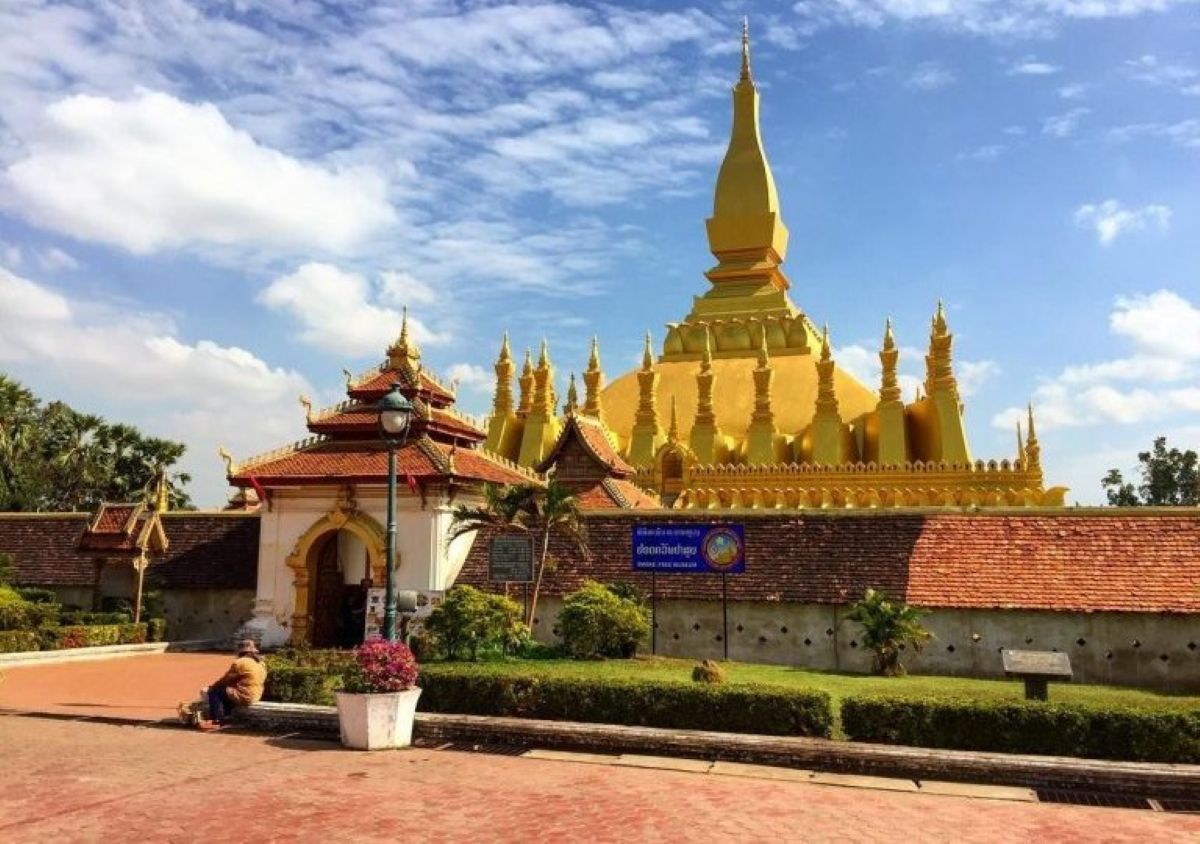
Image Credit visitlaos.org
There is something about seeing a place that has stayed away from the crowds of mass tourism slowly begin to shine on the world stage. As more travelers look for cultural experiences, Thailand, China and Vietnam are helping boost tourism in Laos in 2026. The movement is strong and real spreading across Asia like a wave. Walking through valleys covered in mist, in Laos or riding a train across borders brings a sense of discovery that nothing else can give. This kind of partnership feels warm and real. It opens the way for travelers to find beauty in its truest form. It shows that when neighboring countries come together adventure and the desire to wander grow stronger without any effort.
Advertisement
Advertisement
Comprehensive Statistical Overview of International Arrivals and Regional Market Breakdown During the First Half of the Year
During the initial half of the calendar year, Laos successfully welcomed nearly 2.6 million international tourists, reflecting a remarkable 9.9% increase compared to the corresponding period from the previous year. This steady influx demonstrates how critical regional connectivity has become for global holidaymakers seeking authentic cultural experiences, traditional architecture, and untouched natural landscapes. Furthermore, major neighboring territories continue to act as the primary engines behind this upward surge, ensuring that local hospitality sectors thrive continuously through sustained high occupancy rates and heightened economic engagement.
Advertisement
Advertisement
Industry observers noted that Thailand remained the primary source market, contributing 833,738 arrivals, which translates to 32.2% of the overall total. Following closely behind, China accounted for 26.1%, while Vietnam secured the third position with 22.6%. Together, these three vital nations delivered over 2 million travelers, making up approximately 81% of all international entries into Laos during the first six months. Meanwhile, the broader ASEAN community remained the leading regional market with nearly 1.47 million visitors, supplemented by 813,313 travelers from the broader Asia-Pacific region and 222,099 visitors arriving from Europe.
Analyzing Future Tourism Outlooks, Strategic Revenue Targets, and Global Travel Impacts Across International Frontiers
Advertisement
Advertisement
Looking ahead, sustained momentum and crucial infrastructure enhancements—such as the Laos-China Railway—position Laos firmly on track to meet its ambitious annual goal of attracting between 5 million and 6 million international visitors. Moreover, looking toward the long-term horizon, the national framework for 2026–2030 outlines a vision to welcome 43 million total visitors and generate at least $13 billion in tourism revenue over a five-year span. For international travelers, these developments signal enhanced cross-border accessibility, improved service standards, and greater incentives to explore hidden gems across Southeast Asia.
Global travel trends indicate that modern tourists increasingly value seamless rail connectivity and digitized infrastructure when navigating foreign lands. Consequently, the massive influx into Laos highlights a broader shift where travelers are diversifying away from traditional overcrowded hotspots in favor of culturally rich, easily accessible frontier nations. As hospitality networks expand and regional integration deepens, international visitors can anticipate more streamlined travel logistics, richer heritage tourism offerings, and diverse multi-destination itineraries spanning across Thailand, China, Vietnam, and Laos.
Examining How the Laos-China Railway Accelerates Regional Cross-Border Transit Volumes and Streamlines International Rail Connectivity
Modern transportation infrastructure plays a transformative role in shaping global travel patterns, particularly when examining how high-speed rail corridors eliminate logistical friction for vacationers traversing international borders. Within the Indochina region, the China-Laos Railway has emerged as a vital catalyst for tourism acceleration, handling an impressive 244,000 cross-border passenger trips during the initial eight months of 2026. This figure represents a remarkable 50 percent surge compared to the corresponding timeframe from the previous year, demonstrating a growing preference among modern holidaymakers for efficient, scenic, and reliable rail transit over traditional highway or air routes.
For international travelers moving between China, Laos, and the broader ASEAN economic zone, this advanced railway network significantly reduces travel times and simplifies multi-destination itineraries. By connecting major metropolitan hubs with previously remote cultural landscapes, the corridor enables backpackers, families, and corporate tourists to explore diverse geographies seamlessly. Consequently, tourism boards and hospitality providers across Vientiane and surrounding provinces are witnessing unprecedented passenger volumes, proving that robust railway integration is fundamental to sustaining long-term regional tourism growth and modernizing the global travel experience.
Analyzing Economic Yield Projections and Average Length of Stay Goals Under the 2026–2030 National Tourism Framework
Advertisement
Advertisement
Financial forecasting and per-capita spending metrics provide critical insights into how emerging destinations translate visitor volume into sustainable, long-term economic prosperity for local communities. Under the comprehensive 2026–2030 strategic blueprint established by the government, the national tourism sector aims to accumulate a minimum of $13 billion in cumulative tourism revenue over the five-year period. A significant portion of this financial milestone relies on international visitors, who are projected to contribute at least $8 billion while maintaining an average duration of 10 days per trip.
This strategic focus on extended stays provides a clear economic outlook for hospitality providers, boutique hoteliers, and local artisans throughout Laos. When international vacationers spend more than a week exploring a country, spending distributes beyond capital city centers into regional towns, heritage sites, and rural ecotourism ventures. Ultimately, these targeted revenue goals ensure that increased foot traffic directly translates into tangible financial empowerment, supporting local jobs, preserving cultural heritage assets, and fostering high-quality service standards across the entire hospitality ecosystem.
Exploring Historical Milestones and Diplomatic Anniversaries That Drive Massive Chinese Market Influx
The intersection of international diplomacy, cultural celebrations, and consumer travel choices frequently generates powerful surges in tourist arrivals across the Asia-Pacific sector. Throughout 2026, authorities project that annual Chinese visitor arrivals will approach approximately 2 million tourists, an extraordinary milestone heavily propelled by official celebrations marking the 65th anniversary of Lao-China diplomatic relations. These bilateral festivities create deep cultural resonance, encouraging travelers from China to look toward their neighboring frontier nation for holiday excursions, cultural exchanges, and heritage tourism.
Bilateral campaigns and coordinated cultural events serve to heighten consumer awareness, making lesser-known regional destinations top-of-mind choices for outbound travelers seeking authentic foreign experiences. As diplomatic ties strengthen, travel agencies and regional transport operators introduce specialized tour packages tailored to cultural enthusiasts and history buffs. This deliberate alignment between political milestones and marketing initiatives highlights how diplomatic goodwill can actively shape modern tourism trends, cementing regional bonds and ensuring a steady, high-volume stream of international visitors.
Evaluating Post-Pandemic Momentum and Quarter-by-Quarter Recovery Benchmarks Across Domestic and International Hubs
Advertisement
Advertisement
Tracking quarterly growth benchmarks and seasonal fluctuations is essential for understanding the resilient recovery trajectory of regional hospitality economies following global macroeconomic disruptions. Following a record-breaking performance in 2025 that welcomed 4,580,709 international visitors—an 11 percent year-on-year increase that comfortably exceeded the initial 4.3 million target—momentum carried forward forcefully into the subsequent year. Specifically, Laos logged 1.36 million visitors in the first quarter of 2026 alone, representing a solid 7.9 percent rise from the same period a year earlier.
This consistent quarterly expansion illustrates how regional tourism has successfully stabilized and moved beyond post-pandemic recovery into a phase of robust, self-sustaining growth. By maintaining positive month-on-month momentum through fluctuating seasonal windows, domestic tourism hubs demonstrate a strong appeal that transcends traditional travel seasons. For global industry observers, these steady metrics confirm that regional destinations in Southeast Asia are retaining their competitive edge, attracting repeat visitors, and establishing reliable foundations for future long-term expansion goals.
Investigating Shifts in Long-Haul Source Markets and Regional Diversification Trends Among Global Travelers
While regional neighboring nations continue to supply the vast majority of inbound entries, examining European and non-ASEAN demographics reveals crucial market vulnerabilities and shifting global travel preferences. During the first half of 2026, Europe contributed 222,099 visitors, showcasing a healthy appetite among long-haul travelers for exotic cultural exploration. However, this diverse global landscape also experienced friction; select markets like South Korea recorded a steep 22 percent decline in arrivals, driven primarily by external macroeconomic pressures and regional aviation incidents that temporarily impacted consumer confidence.
This complex dynamic provides a well-rounded global perspective on how external geopolitical and economic shocks ripple across international travel pathways, influencing where long-haul vacationers choose to spend their leisure time. To counteract localized market dips, destination marketing organizations increasingly focus on geographic diversification, ensuring that a slowdown in one region is balanced by active promotions in others. For global travelers, these shifting demographics mean that emerging destinations like Laos are continually adapting their hospitality offerings to cater to a sophisticated, globally diverse audience.
Integrating Digital Payment Systems and Cross-Border Financial Infrastructure for Enhanced Tourist Convenience
Advertisement
Advertisement
The rapid advancement of FinTech and digital financial infrastructure has fundamentally redefined modern traveler expectations regarding transaction ease, currency exchange efficiency, and cashless convenience. Recognizing this shift, recent bilateral initiatives have successfully rolled out innovative digital payment links that enable direct cross-border QR code transactions between financial networks in Laos and its neighbors. This technological upgrade streamlines purchases for the more than 2.6 million arrivals who visited during the first half of the year, eliminating the traditional hassle of carrying physical foreign currency or navigating complex exchange kiosks.
For international globetrotters, the integration of seamless cashless ecosystems removes a significant barrier to spontaneous spending on local crafts, dining, and transportation. When visitors can use familiar mobile applications to settle transactions securely across foreign borders, travel logistics become markedly less intimidating. Consequently, frontier destinations that embrace digital transformation position themselves as highly attractive to tech-savvy millennials and digital nomads, setting a new benchmark for friction-free travel infrastructure throughout the developing world.
Driving Provincial Tourism Diversification and Regional Revenue Generation Models Through Strategic Heritage Investments
Decentralized tourism development and proactive heritage site management are vital strategies for absorbing overflow foot traffic from overcrowded capital hubs and distributing economic benefits evenly. Specific cultural strongholds like Luang Prabang alongside secondary destinations—such as Khammouane Province, which recently secured multi-million dollar nature tourism development packages—have generated localized revenues exceeding LAK 148 billion (USD 6.6 million) across select administrative zones in the first half of 2026. These investments ensure that natural caves, scenic waterfalls, and historical landmarks are preserved while accommodating rising visitor numbers.
By channeling travelers away from heavily congested metropolitan centers into secondary and tertiary towns, regional authorities foster a more sustainable model of cultural and environmental tourism. This decentralization prevents infrastructural strain and offers global vacationers a more authentic, tranquil immersion into local village life and untouched wilderness. For the broader travel industry, the rise of well-managed provincial attractions signals a shift toward balanced, community-based travel experiences that respect local ecosystems while satisfying the modern tourist’s desire for off-the-beaten-path adventure.
Maximizing Multi-Destination Travel Incentives Through Enhanced Visa Policy Frameworks and Regional Open-Border Agreements
Advertisement
Advertisement
Streamlined immigration procedures, multi-country travel incentives, and relaxed bureaucratic barriers play an indispensable role in shaping international travel itineraries across interconnected geographic regions. The continued optimization of updated Visit Laos Year visa policies—complemented seamlessly by synchronized regional frameworks such as Thailand‘s standardized entry protocols—has successfully funneled over 81 percent of total international entries through three primary land and air corridors. These cooperative regulatory adjustments make it exceptionally easy for tourists to cross borders without facing excessive administrative delays.
For global backpackers and luxury holidaymakers alike, simplified entry permits encourage the creation of comprehensive multi-country itineraries spanning Thailand, China, Vietnam, and Laos. Rather than visiting a single isolated destination, travelers can effortlessly string together diverse cultural experiences across multiple countries within a single trip. Ultimately, these progressive open-border agreements eliminate historical travel bottlenecks, fostering a unified regional tourism market that benefits international explorers, local tour operators, and national economies across Southeast Asia.
The Final Horizon
As our journey through Laos, Thailand, China and Vietnam comes to a close a deep sense of gratitude stays with us. Traveling here is not about marking places on a map. The journey is about feeling the pulse of communities. I hear laughter echo along the Laos-China Railway. I find peace, in mountain valleys. These shared stories and open borders remind the journey of why we fell in love with exploring from the beginning. May your next adventure fill the journey fully as this one did.
Advertisement
