
Hundreds of Travellers Suffer in Australia, New Zealand as Jetstar, Qantas, Air New Zealand, Sounds Air and Several other Carriers Face 792 Flight Delays and 40 Cancellations across Melbourne, Sydney, Auckland, Christchurch and more

Published
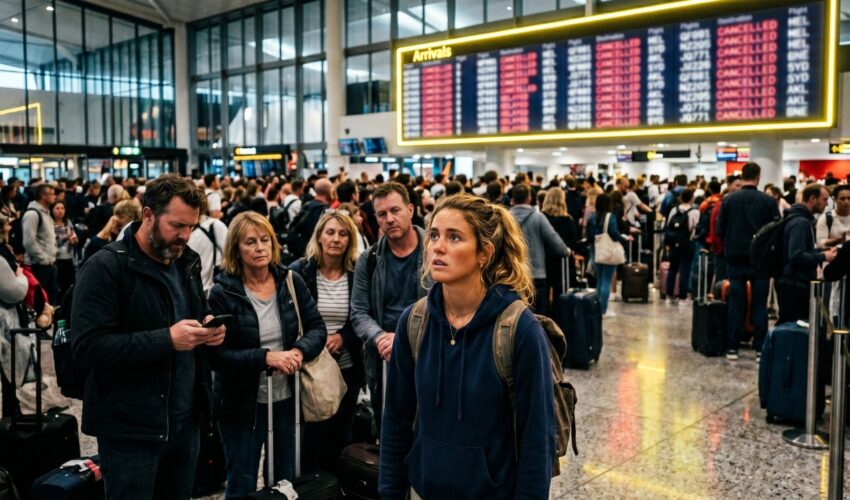 Image generated with Ai
A massive wave of operational disruptions has swept across the aviation networks of Oceania, leaving hundreds of passengers stranded and schedules severely compromised across Melbourne, Sydney, Brisbane, Auckland, Christchurch and Wellington. Significant travel chaos was experienced on 28th May, 2026, as major hubs across Australia and New Zealand grappled with a staggering total of 792 flight delays and 40 cancellations. The widespread scheduling collapse impacted numerous regional and international carriers, including Jetstar, Qantas, Air New Zealand and Sounds Air. As terminal lounges swelled with displaced commuters, the interconnected nature of the trans-Tasman aviation corridor was put under intense strain, highlighting the vulnerability of modern travel networks when multiple key hubs are simultaneously constrained.
Major Airports Affected
The operational turbulence was felt across six primary gateways, with extensive logistical difficulties reported in key metropolitan centres throughout both Australia and New Zealand. The specific breakdown of the disruptions recorded at each hub is detailed below:
- Brisbane Airport (Brisbane, Australia): The highest volume of flight disruptions was recorded at this major Queensland hub. A total of 233 flight delays were suffered by travellers, while 9 flight cancellations were enforced, making it the most heavily impacted airport in terms of overall scheduling setbacks.
| Airline | Cancelled | Cancelled (%) | Delayed | Delayed (%) |
|---|---|---|---|---|
| QantasLink | 4 | 4% | 59 | 61% |
| Alliance Airlines | 2 | 2% | 8 | 10% |
| Jetstar | 2 | 2% | 30 | 40% |
| Air New Zealand | 1 | 8% | 6 | 50% |
| China Airlines | 0 | 0% | 2 | 50% |
| EVA Air | 0 | 0% | 1 | 100% |
| Unknown Owner | 0 | 0% | 1 | 50% |
| Unknown Owner | 0 | 0% | 2 | 50% |
| Unknown Owner | 0 | 0% | 1 | 100% |
| Unknown Owner | 0 | 0% | 1 | 25% |
| Unknown Owner | 0 | 0% | 1 | 50% |
| Fiji Airways | 0 | 0% | 2 | 100% |
| Qantas | 0 | 0% | 40 | 23% |
| Regional Express Airlines | 0 | 0% | 7 | 63% |
| Singapore Airlines | 0 | 0% | 1 | 12% |
| Solomon Airlines | 0 | 0% | 1 | 50% |
| Air Canada | 0 | 0% | 1 | 100% |
| Virgin Australia | 0 | 0% | 69 | 47% |
| Air Niugini | 0 | 0% | 1 | 33% |
- Sydney Airport (Sydney, Australia): Significant operational hurdles were encountered at this premier international gateway. The facility faced 201 flight delays alongside 8 complete flight cancellations, causing widespread gridlock for both domestic and overseas itineraries.
| Airline | Cancelled | Cancelled (%) | Delayed | Delayed (%) |
|---|---|---|---|---|
| QantasLink | 4 | 3% | 30 | 22% |
| Virgin Australia | 2 | 1% | 44 | 24% |
| Hawaiian Airlines | 1 | 50% | 0 | 0% |
| Jetstar | 1 | 0% | 38 | 31% |
| Air India | 0 | 0% | 2 | 100% |
| Air New Zealand | 0 | 0% | 4 | 28% |
| China Airlines | 0 | 0% | 1 | 50% |
| Unknown Owner | 0 | 0% | 1 | 50% |
| Unknown Owner | 0 | 0% | 1 | 50% |
| Japan Airlines | 0 | 0% | 2 | 100% |
| Korean Air | 0 | 0% | 1 | 50% |
| Qantas | 0 | 0% | 37 | 14% |
| Regional Express Airlines | 0 | 0% | 30 | 68% |
| Singapore Airlines | 0 | 0% | 2 | 16% |
| Emirates | 0 | 0% | 2 | 33% |
| United | 0 | 0% | 1 | 25% |
| Alliance Airlines | 0 | 0% | 1 | 50% |
| VietJet Air | 0 | 0% | 2 | 100% |
- Melbourne Airport (Melbourne, Australia): Considerable disruptions were experienced at Melbourne Tullamarine. The schedule was impacted by 150 flight delays and an additional 9 flight cancellations were executed, compounding the travel misery across the southeastern aviation network.
| Airline | Cancelled | Cancelled (%) | Delayed | Delayed (%) |
|---|---|---|---|---|
| Jetstar | 3 | 2% | 40 | 32% |
| Qantas | 2 | 0% | 32 | 14% |
| Air New Zealand | 2 | 15% | 3 | 23% |
| Virgin Australia | 2 | 1% | 42 | 23% |
| Cathay Pacific | 0 | 0% | 2 | 50% |
| China Southern Airlines | 0 | 0% | 1 | 25% |
| Fiji Airways | 0 | 0% | 1 | 50% |
| Philippine Air Lines | 0 | 0% | 1 | 50% |
| QantasLink | 0 | 0% | 19 | 28% |
| Regional Express Airlines | 0 | 0% | 5 | 20% |
| Scoot | 0 | 0% | 1 | 33% |
| Air India | 0 | 0% | 1 | 100% |
| SriLankan Airlines | 0 | 0% | 1 | 50% |
- Auckland Airport (Auckland, New Zealand): As the primary international gateway to New Zealand, Auckland was not spared from the regional aviation crisis. A total of 92 flight delays were logged by airport authorities and 3 flight cancellations were strictly implemented.
| Airline | Cancelled | Cancelled (%) | Delayed | Delayed (%) |
|---|---|---|---|---|
| Air New Zealand | 3 | 1% | 58 | 19% |
| China Airlines | 0 | 0% | 1 | 50% |
| China Eastern | 0 | 0% | 1 | 25% |
| Jetstar | 0 | 0% | 19 | 39% |
| Malaysia Airlines | 0 | 0% | 2 | 66% |
| Qantas | 0 | 0% | 8 | 25% |
| Singapore Airlines | 0 | 0% | 1 | 25% |
| Air Tahiti Nui | 0 | 0% | 1 | 100% |
- Christchurch International Airport (Christchurch, New Zealand): The South Island’s main transit hub faced substantial logistical pressure. Operational hurdles resulted in 65 flight delays, while 6 cancellations were forced upon scheduled services.
| Airline | Cancelled | Cancelled (%) | Delayed | Delayed (%) |
|---|---|---|---|---|
| Air New Zealand | 6 | 3% | 45 | 27% |
| Jetstar | 0 | 0% | 12 | 44% |
| Qantas | 0 | 0% | 4 | 28% |
| Singapore Airlines | 0 | 0% | 1 | 50% |
| Emirates | 0 | 0% | 1 | 50% |
- Wellington International Airport (Wellington, New Zealand): Capital city travellers were severely inconvenienced as the local aviation hub struggled with capacity. The airport recorded 51 flight delays, which was accompanied by 5 flight cancellations.
| Airline | Cancelled | Cancelled (%) | Delayed | Delayed (%) |
|---|---|---|---|---|
| Air New Zealand | 4 | 2% | 33 | 22% |
| Sounds Air | 1 | 2% | 9 | 25% |
| Jetstar | 0 | 0% | 8 | 42% |
| Qantas | 0 | 0% | 1 | 12% |
Probable Impact on Tourism
The extensive scale of flight delays and cancellations across key gateways in Australia and New Zealand might have a notable ripple effect on the broader travel sector. When major hubs such as Sydney, Melbourne, Brisbane, Auckland, Christchurch and Wellington experience simultaneous disruptions, consumer confidence in regional flight schedules is invariably shaken. Multi-destination itineraries, which are highly popular among international visitors exploring the trans-Tasman route, are heavily reliant on punctual connections. When these connections fail on a large scale, future travel bookings may be reconsidered by risk-averse tourists.
Furthermore, the financial burden placed on local tourism hospitality sectors must be acknowledged. Stranded passengers often miss pre-booked accommodation, guided tours and regional transport connections in places far beyond the immediate airport vicinities of Brisbane or Christchurch. The negative publicity generated by widespread terminal delays can tarnish the reputation of affected carriers, potentially leading travellers to seek alternative transport methods or change their holiday destinations entirely. Long-term tourism growth is fundamentally supported by reliable infrastructure and these events serve as a stark reminder of how quickly regional tourism flows can be halted by concentrated aviation bottlenecks.
Advertisement
Advertisement
What Affected Passengers Can Do
What immediate steps should be taken if a flight is delayed or cancelled at short notice? Passengers are advised to monitor their airline’s official mobile application and email notifications continuously. In the event of a cancellation or lengthy delay, immediate contact should be established with the operating carrier—either via the airport service desk, telephone hotlines, or official digital chat channels—to secure alternative routing options.
Are meals and accommodation provided by carriers during extended flight disruptions? Depending on the specific conditions of carriage and the underlying reason for the disruption, airlines frequently issue vouchers for refreshments during prolonged airport delays. If an overnight delay is forced upon travellers, complimentary hotel accommodation and airport transfers are typically arranged by the responsible airline, subject to local aviation policies and consumer law frameworks.
Advertisement
Advertisement
How can missed connections and pre-booked tourism activities be managed? When a disruption at a hub like Sydney or Auckland causes a missed connection, the airline responsible for the initial delay is generally obligated to rebook the passenger onto the next available flight to their final destination, provided the entire journey was booked under a single ticket. For independent, multi-ticket bookings or missed land-based tourism activities, passengers should immediately contact their travel insurance providers to initiate a claims process.
What documentation should be gathered to support a future insurance claim? Comprehensive documentation must be retained by affected travellers to ensure successful compensation or insurance claims. This includes saving all physical and digital boarding passes, obtaining a formal written statement or delay certificate from the airline explaining the exact reason for the scheduling failure and keeping detailed receipts for any out-of-pocket expenses incurred for food, transport, or emergency accommodation.
-The flight information is based on data sourced directly from FlightAware. Please note that airlines frequently adjust schedules and routes to prioritize operational safety. In the event of a change, passengers should remain calm and explore alternative flight options. To ensure a smooth journey, it is highly recommended to monitor real-time flight status, understand your carrier’s rebooking policies and maintain a flexible itinerary.
Advertisement
