
Los Angeles Aligns with New York, Miami and More Cities as Gen Z Redefines US Travel Experiences

Published
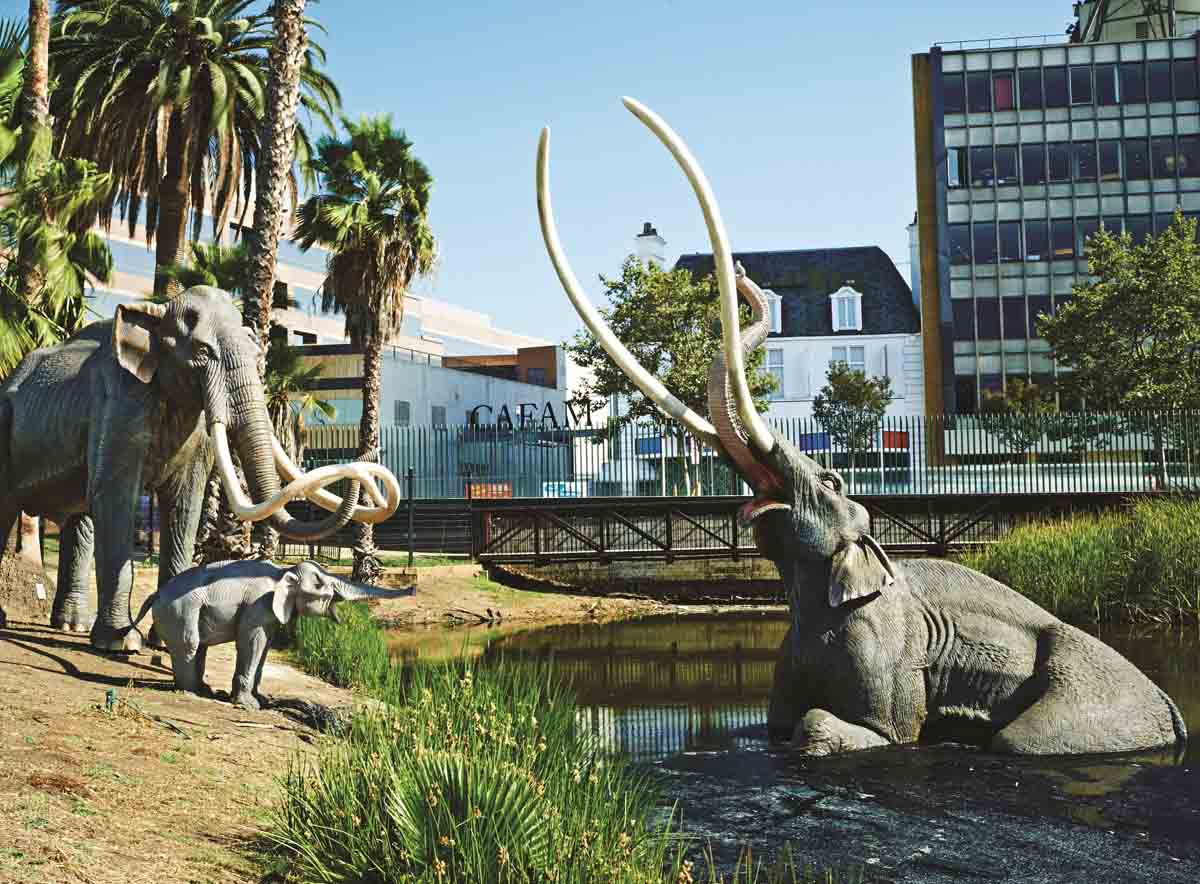
Los Angeles aligns with New York, Miami and more cities as Gen Z redefines US travel experiences through cultural exploration, immersive attractions and personalised adventures. From vibrant neighbourhoods and music festivals to coastal escapes and local food discoveries, younger travellers are reshaping tourism preferences across major American destinations in 2026.
New York joins Los Angeles, Miami and more US cities as Gen Z reshapes American tourism through cultural discovery, immersive experiences and flexible holidays. From music venues and coastal attractions to neighbourhood food tours and outdoor adventures, younger travellers are encouraging destinations to rethink how meaningful, affordable journeys are designed.
Advertisement
Advertisement
Gen Z Becomes a Growing Force in American Tourism
Generation Z is influencing how American destinations develop experiences, promote neighbourhoods and communicate with visitors. Younger travellers increasingly use digital platforms to discover destinations, compare costs and identify activities that reflect their interests.
According to Deloitte’s 2026 Travel Industry Outlook, Gen Z accounted for 14% of Americans planning holiday travel in 2025, compared with 8% in 2024. More than half of surveyed Gen Z travellers also used short-form social video for travel research.
Advertisement
Advertisement
Meanwhile, American Express Travel’s 2026 Global Travel Trends Report found that 79% of surveyed Millennials and Gen Z respondents were interested in destination-specific workshops and activities.
These findings highlight opportunities across established American cities and emerging cultural destinations.
Advertisement
Advertisement
New York City, New York — Neighbourhood Culture Drives Discovery
New York City offers an extensive combination of food, art, entertainment and cultural experiences.
Brooklyn attracts visitors interested in independent cafés, creative communities and neighbourhood markets. Queens offers diverse international cuisines, while Manhattan remains central to theatre, museums and landmark sightseeing.
For Gen Z travellers, the city’s extensive public transport network also supports flexible itineraries. Tourism operators can respond through affordable walking tours, neighbourhood food experiences and cultural activities that encourage spending beyond established visitor districts.
Los Angeles, California — Entertainment Meets Personal Experiences
Los Angeles combines Hollywood entertainment with coastal recreation, music, independent fashion and contemporary art.
Santa Monica, Venice Beach, Little Tokyo and the Arts District offer different experiences within the same metropolitan area.
Film-related attractions remain important, but younger visitors can also explore local markets, creative workshops and neighbourhood dining.
Advertisement
Advertisement
Tourism businesses have opportunities to develop smaller, interest-based experiences while providing realistic information about journey times and transport costs.
Miami, Florida — Beaches and Cultural Tourism Come Together
Miami offers coastal attractions alongside Latin American food, contemporary art and music.
Wynwood is associated with street art and creative businesses, while Little Havana provides opportunities to discover Cuban-American cultural traditions.
Miami Beach remains a major coastal attraction, but the wider destination offers experiences beyond conventional beach holidays.
For tourism providers, combining accessible cultural activities with transparent accommodation and transport information can strengthen the city’s appeal to budget-conscious younger visitors.
Orlando, Florida — Immersive Entertainment Supports Experience-Led Travel
Orlando remains closely associated with theme parks and large-scale entertainment.
Advertisement
Advertisement
Walt Disney World Resort, Universal Orlando Resort and other attractions provide immersive experiences that can be organised around specific interests.
For younger travellers, shared accommodation, advance ticket planning and flexible itineraries can help manage costs.
The city’s tourism businesses can also promote dining, outdoor recreation and cultural experiences beyond its major attractions, encouraging visitors to explore more of Central Florida.
Austin, Texas — Live Music and Local Culture Shape Travel
Austin offers a distinctive combination of live music, food trucks, outdoor recreation and independent businesses.
Its music venues and cultural events create opportunities for travellers seeking experiences connected to local identity.
Visitors can combine performances with cycling, public parks and neighbourhood dining.
Advertisement
Advertisement
For Gen Z-focused tourism development, Austin demonstrates how music and community experiences can form the centre of a city break rather than simply complement traditional sightseeing.
New Orleans, Louisiana — Cultural Heritage Creates Meaningful Experiences
New Orleans offers jazz, Creole and Cajun food traditions, historic architecture and distinctive cultural festivals.
The French Quarter attracts visitors, while neighbourhood music venues, museums and locally operated food businesses provide further opportunities for exploration.
Younger travellers interested in meaningful cultural experiences can participate in guided heritage walks, music-related activities and regional cooking experiences.
Tourism operators must ensure that local communities benefit and that cultural traditions are represented accurately.
Chicago, Illinois — Architecture and Urban Experiences Expand Tourism Choices
Chicago combines major museums, public parks, architecture, neighbourhood dining and lakefront recreation.
Advertisement
Advertisement
Millennium Park, the Chicago Riverwalk and Lake Michigan provide accessible outdoor experiences, while the city’s public transport network connects numerous neighbourhoods.
Architecture tours, cultural festivals and food experiences allow travellers to design itineraries around different interests.
Chicago illustrates how a major urban destination can offer both premium attractions and lower-cost opportunities for exploration.
San Diego, California — Coastal Adventures Appeal to Active Travellers
San Diego offers beaches, surfing, waterfront recreation and outdoor cultural attractions.
La Jolla, Mission Beach and Balboa Park provide varied settings for active and leisure-focused holidays.
Surfing lessons, kayaking and guided nature experiences are examples of participatory activities that tourism businesses can offer.
Advertisement
Advertisement
The destination also provides opportunities to connect outdoor recreation with marine conservation education and responsible coastal tourism.
Denver, Colorado — Outdoor Tourism Connects Cities and Mountains
Denver combines urban attractions with access to Colorado’s mountain landscapes.
Visitors can explore museums, music venues, cycling routes and regional food businesses before travelling towards hiking areas and mountain recreation destinations.
This combination supports city-and-nature itineraries.
For younger travellers, dependable transport information, seasonal guidance and clear outdoor safety advice are particularly important when planning activities beyond the city.
Portland, Oregon — Independent Businesses Support Local Discovery
Portland’s food carts, independent cafés, creative businesses and cycling culture provide opportunities for neighbourhood-based tourism.
Advertisement
Advertisement
Visitors can explore local markets, public gardens and cultural attractions without relying entirely on conventional sightseeing packages.
The city illustrates how independent businesses can contribute to a destination’s identity.
Tourism organisations can strengthen this appeal through practical walking and cycling itineraries that direct visitor spending towards local communities.
Seattle, Washington — Music, Coffee and Waterfront Experiences
Seattle combines music heritage, independent coffee culture, museums and waterfront attractions.
Pike Place Market, the Seattle waterfront and surrounding neighbourhoods offer opportunities for food discovery and cultural exploration.
Visitors can also connect urban experiences with outdoor recreation in the wider region.
Advertisement
Advertisement
For tourism businesses, Seattle demonstrates the value of promoting locally distinctive activities alongside its established attractions.
Las Vegas, Nevada — Immersive Attractions Diversify City Tourism
Las Vegas offers concerts, live performances, immersive entertainment and major hospitality developments.
Beyond its casino resorts, visitors can explore art installations, museums and nearby desert landscapes.
Younger adult travellers may find value in group experiences and short entertainment-focused breaks.
However, transparent resort charges, event pricing, transport information and age restrictions remain essential for realistic trip planning.
Nashville, Tennessee — Music Heritage Encourages Creative Travel
Nashville’s recording heritage, live music venues and museums provide opportunities for cultural tourism.
Advertisement
Advertisement
Visitors can explore music history, attend performances and discover independent creative businesses.
Songwriting-related activities and guided music experiences can offer greater participation than conventional sightseeing alone.
The city provides an example of how a recognisable cultural identity can support specialised travel products.
Savannah, Georgia — Historic Neighbourhoods Offer Alternative City Breaks
Savannah combines historic squares, architecture, arts institutions and walkable neighbourhoods.
Guided heritage tours, museums and locally operated restaurants provide experiences for visitors interested in history and regional culture.
Its relatively compact historic centre supports walking-based itineraries.
Advertisement
Advertisement
For the tourism industry, Savannah demonstrates how smaller cities can develop meaningful experiences without attempting to replicate the attractions of larger metropolitan destinations.
“Generation Z is bringing a refreshing sense of curiosity, creativity and purpose to the American tourism industry. From the cultural neighbourhoods of New York and Los Angeles to the vibrant music scenes of Austin and Nashville, younger travellers are discovering that memorable journeys are built around experiences rather than destinations alone.
This presents an encouraging opportunity for tourism boards, hotels, travel companies and local entrepreneurs across the United States. By developing accessible experiences, supporting independent businesses and embracing responsible tourism, American destinations can create stronger connections with the next generation of travellers.
Digital innovation is making discovery easier, while authentic cultural engagement is giving visitors compelling reasons to explore beyond familiar attractions. The future of American tourism will benefit from this combination of technology, creativity and meaningful human connections. Destinations that welcome changing expectations with thoughtful planning and inclusive experiences can strengthen visitor loyalty and support sustainable economic opportunities for communities.”**— Anup Kumar Keshan, Founder and Editor-in-Chief, Travel And Tour World
What US Tourism Businesses Must Consider Next
Generation Z’s influence extends beyond individual destinations.
Deloitte’s 2026 research found that 42% of surveyed Gen Z travellers took sustainability-related actions when planning travel. The findings also highlight the importance of digital discovery, flexible experiences and value.
Advertisement
Advertisement
Meanwhile, the US Travel Association’s 2026 forecast projects domestic leisure travel spending of approximately $909 billion, with affordability pressures encouraging shorter and lower-cost journeys.
For destinations, the opportunity lies in offering transparent prices, accessible activities, reliable information and experiences that benefit local communities.
These city examples illustrate potential opportunities rather than a verified ranking of Gen Z visitor numbers.
New York, Los Angeles, Miami and other US cities demonstrate how Gen Z is reshaping American tourism through experiences, cultural exploration and digital discovery. As younger travellers seek flexibility, affordability and authenticity, destinations that combine dependable services with meaningful local activities will be better positioned to attract future visitors.
Los Angeles, New York, Miami and other US cities are adapting to changing Gen Z travel preferences by offering authentic experiences, cultural diversity and flexible itineraries. As younger travellers prioritise affordability, digital convenience and meaningful connections, American destinations have opportunities to strengthen tourism growth while supporting local businesses and communities nationwide.
Advertisement
