
South Beach Outpaces Clearwater, St Pete and More Become Florida’s most Instagrammable Beaches, New Research Finds

Updated
Published
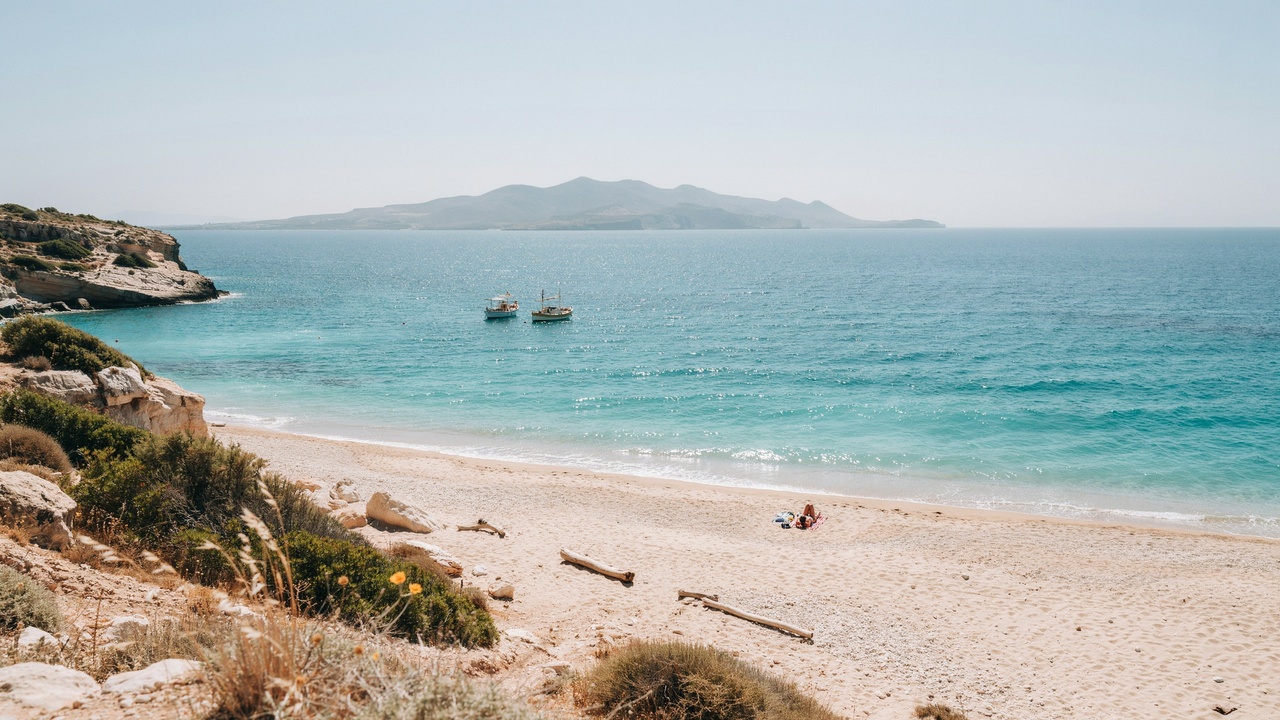
Image generated with Ai
South Beach outpaces Clearwater, St Pete and other Florida beaches to become the state’s most Instagrammable coastline, new research finds. Its exceptional volume of Instagram posts places the Miami landmark well ahead of its Florida rivals, while also securing South Beach a leading position among the most photographed beaches across America.
South Beach is named Florida’s most Instagrammable beach, while the Miami landmark ranks third in a US study. The result highlights how beaches compete for attention as travellers increasingly share coastal experiences online. South Beach’s extraordinary Instagram presence places Florida firmly among America’s most photographed seaside destinations for social travellers.
Advertisement
Advertisement
What makes South Beach Florida’s most Instagrammable beach?
South Beach has emerged as Florida’s most Instagrammable beach after recording 8,255,624 Instagram posts across a reported 5,061 metres of beach. That produces a remarkable 1,631 Instagram posts for every metre of sand, putting the Miami destination third among the US beaches examined in the research.
The ranking comes from research by Hot Spring Spas NZ, which compared Instagram activity with the physical length of beaches across the United States. Rather than simply counting total posts, the study calculated a posts-per-metre figure, creating a measure of social media activity relative to the size of each beach.
Advertisement
Advertisement
This approach gives South Beach a particularly strong position because its enormous volume of Instagram content is concentrated across a relatively limited stretch of coastline. The result reflects the destination’s broader visibility as a globally recognised Miami attraction, where beaches, architecture, nightlife, hospitality and urban culture combine to create a highly photographed visitor environment.
For travellers, the finding also illustrates how social media visibility can become part of a destination’s tourism identity. South Beach is not simply a place for swimming and sunbathing; it has become a recognisable visual symbol of Miami and an important backdrop for holiday photography, travel videos and lifestyle content. The study, by spa pool manufacturers Hot Spring Spas NZ, counted the Instagram posts tagged for the best-known beaches across the US, then divided each beach’s posts by its length in meters to find which draws the most photos per meter.
Advertisement
Advertisement
| US rank | Rank in Florida | Beach | Instagram posts | Posts per meter |
| 3 | 1 | South Beach | 8,255,624 | 1,631 |
| 16 | 2 | Clearwater Beach | 1,402,734 | 227 |
| 30 | 3 | Pensacola Beach | 814,019 | 63 |
| 31 | 4 | St Pete Beach | 677,200 | 62 |
| 34 | 5 | Fort Lauderdale Beach | 664,588 | 60 |
| 42 | 6 | Daytona Beach | 1,637,451 | 44 |
| 64 | 7 | Cocoa Beach | 896,131 | 29 |
| 67 | 8 | Key West | 19,711 | 25 |
| 90 | 9 | Naples Beach | 163,736 | 10 |
| 111 | 10 | Destin | 67,739 | 2 |
How does South Beach compare with other Florida beaches?
South Beach is considerably ahead of every other Florida beach included in the study. Clearwater Beach ranks second within the state, recording 1,402,734 Instagram posts and 227 posts per metre, while Pensacola Beach follows with 814,019 posts and 63 posts per metre.
St Pete Beach occupies fourth place in Florida with 677,200 Instagram posts and 62 posts per metre. Fort Lauderdale Beach is fifth, recording 664,588 posts and 60 posts per metre. Daytona Beach follows with 1,637,451 posts, although its larger physical footprint produces a lower rate of 44 posts per metre.
Advertisement
Advertisement
Cocoa Beach records 896,131 Instagram posts and 29 posts per metre, while Key West reaches 19,711 posts and 25 posts per metre. Naples Beach records 163,736 posts and 10 posts per metre, followed by Destin with 67,739 posts and two posts per metre.
The figures demonstrate why the study’s methodology matters. Daytona Beach, for example, has more total Instagram posts than Clearwater Beach, yet Clearwater performs much better when the number of posts is measured against beach length.
Consequently, the ranking does not attempt to determine which beach receives the most visitors or which destination is objectively the most attractive. Instead, it measures the intensity of Instagram activity relative to the length of the beach.
Why does South Beach rank third across the US?
South Beach’s Florida leadership also translates into a top-three national position. Only Laguna in California and Waikiki in Hawaii record higher posts-per-metre figures in the study.
Advertisement
Advertisement
Laguna takes first place nationally with 3,438,696 Instagram posts and 2,292 posts per metre. Waikiki ranks second with 4,643,578 posts and 1,862 posts per metre. South Beach follows with 8,255,624 posts and 1,631 posts per metre.
The comparison is notable because South Beach records the largest total number of Instagram posts among the three leading beaches. Its third-place position is therefore driven not by a lack of social media attention, but by the greater length of the beach compared with Laguna and Waikiki.
The wider US ranking is heavily represented by California. La Jolla Cove ranks fourth with 403,879 posts and 1,346 posts per metre, while Venice ranks fifth with 4,527,446 posts and 1,051 posts per metre.
Newport is sixth with 4,368,201 posts and 728 posts per metre, followed by Huntington with 3,749,440 posts and 682 posts per metre. Redondo ranks eighth with 1,549,959 posts and 646 posts per metre, while Manhattan Beach reaches ninth with 1,755,296 posts and 516 posts per metre.
New Jersey’s Asbury Park completes the national top ten with 1,243,530 Instagram posts and 497 posts per metre.
The concentration of highly ranked beaches in California highlights the strength of the state’s coastal destinations on Instagram. However, South Beach’s third-place national result shows that Florida remains highly competitive in the visual travel economy.
Advertisement
Advertisement
How South Beach Compares With America’s Most Instagrammable Beaches
| US Rank | Beach | State | Instagram Posts | Posts per Metre |
|---|---|---|---|---|
| 1 | Laguna | California | 3,438,696 | 2,292 |
| 2 | Waikiki | Hawaii | 4,643,578 | 1,862 |
| 3 | South Beach | Florida | 8,255,624 | 1,631 |
| 4 | La Jolla Cove | California | 403,879 | 1,346 |
| 5 | Venice | California | 4,527,446 | 1,051 |
| 6 | Newport | California | 4,368,201 | 728 |
| 7 | Huntington | California | 3,749,440 | 682 |
| 8 | Redondo | California | 1,549,959 | 646 |
| 9 | Manhattan Beach | California | 1,755,296 | 516 |
| 10 | Asbury Park | New Jersey | 1,243,530 | 497 |
What does the ranking reveal about beach tourism?
The findings offer a useful perspective on the relationship between tourism and social media. Beaches have long been central to destination marketing, but platforms such as Instagram have increased the value of distinctive visual environments.
A beach that provides recognisable scenery, a strong sense of place and a wide range of photographic opportunities can generate considerable online exposure through visitors themselves. Every photograph, Reel or other piece of user-generated content can potentially introduce a destination to new audiences without being produced directly by a tourism organisation.
South Beach is particularly suited to this dynamic because its appeal extends beyond its shoreline. The surrounding Miami Beach environment provides colourful architecture, palm-lined streets, hospitality venues, nightlife and a distinctive urban atmosphere. These elements can broaden the range of images associated with the destination.
For destination marketers, this makes social media presence an increasingly relevant part of the tourism ecosystem. High levels of user-generated content can support destination awareness, influence travel inspiration and reinforce a location’s visual identity.
However, Instagram activity should not be interpreted as a direct measurement of visitor satisfaction, visitor numbers or economic impact. A high post count indicates visibility and engagement on the platform, but it does not independently demonstrate how much tourism revenue a destination generates.
Which Florida beaches follow South Beach?
Clearwater Beach is the closest Florida competitor to South Beach in the research, although the difference in posts per metre remains substantial. Clearwater records 227 posts per metre compared with South Beach’s 1,631, placing it at a considerably lower level of Instagram intensity.
Advertisement
Advertisement
Pensacola Beach and St Pete Beach occupy similar positions, with 63 and 62 posts per metre respectively. Their proximity in the ranking suggests comparable levels of Instagram activity relative to beach length, although their overall visitor experiences and destination identities differ.
Fort Lauderdale Beach follows at 60 posts per metre. The destination is internationally recognised for its coastline, boating culture, hotels and proximity to South Florida’s wider tourism network, making it another important coastal destination within the state.
Daytona Beach produces the highest total Instagram post count among the Florida beaches listed after South Beach, with 1,637,451 posts. Its 44 posts per metre demonstrate how beach length can significantly influence the final ranking.
Cocoa Beach, Key West, Naples Beach and Destin complete the Florida list. Their inclusion demonstrates that social media visibility is widespread across the state, although the intensity varies sharply from one destination to another.
Together, these destinations show the diversity of Florida’s coastal tourism offer. The state combines major urban beaches, resort destinations, smaller coastal communities and island environments, each attracting different audiences and generating different forms of online content.
How was the Instagram beach study conducted?
The methodology is based on a straightforward comparison between Instagram post volumes and beach length. Hot Spring Spas NZ collected the total number of Instagram posts published under each beach’s hashtag on 10 September 2026.
Advertisement
Advertisement
The researchers first established a seed list of well-known beaches across the United States. To qualify for the final analysis, each beach needed at least 10,000 Instagram posts. Beaches below that threshold were excluded from the comparison.
Beach lengths were then established using OpenStreetMap where the relevant beach was mapped. Published length information was used where OpenStreetMap data was unavailable.
The final score was calculated by dividing the number of Instagram posts associated with a beach by its length in metres. This produced the posts-per-metre figure used to establish the rankings.
The methodology provides a consistent way of comparing beaches of very different sizes. Without this adjustment, longer beaches could appear more popular simply because they cover more coastline and potentially provide more space for visitors and photography.
There are, however, important limitations. Instagram hashtag counts can change continuously, and the use of hashtags does not capture every photograph taken at a destination. Users may post content without using the exact beach hashtag, while some posts may relate indirectly to the beach.
The figures should therefore be viewed as a snapshot of Instagram activity on 10 September 2026 rather than a permanent measure of destination popularity.
Advertisement
Advertisement
What does South Beach’s ranking mean for Florida tourism?
South Beach’s position provides another indication of Florida’s continuing strength as a leisure tourism destination. Miami already has a powerful international identity, and the beach is closely associated with the city’s wider cultural, hospitality and entertainment offer.
The Instagram ranking adds another dimension to that profile. With more than eight million posts recorded in the research, South Beach has a digital footprint that extends well beyond its physical coastline.
For travellers planning holidays, this visibility can influence destination discovery. Instagram increasingly acts as a source of travel inspiration, particularly for visitors looking for visually distinctive locations, memorable experiences and recognisable settings.
For tourism businesses, the ranking also underlines the importance of designing experiences that visitors naturally want to document and share. Hotels, restaurants, attractions and tour operators operating around high-visibility destinations can benefit when their surroundings become part of travellers’ own content.
At the same time, destinations must balance social media appeal with the practical realities of visitor management. High visibility can contribute to increased demand, placing greater pressure on beaches, public spaces, transport networks and local infrastructure during busy periods.
The strongest tourism strategies therefore need to look beyond Instagram performance. Social media visibility can support destination marketing, but sustainable tourism depends on infrastructure, visitor services, environmental management, accessibility and the quality of the overall visitor experience.
Advertisement
Advertisement
Why does Instagram matter to modern beach destinations?
Instagram has become an important channel through which travellers discover and evaluate destinations before booking. Images can influence perceptions of a place within seconds, making visual identity increasingly important for destinations competing for international attention.
The beaches featured in this research demonstrate how different locations can achieve high visibility through their distinctive characteristics. Waikiki benefits from its internationally recognised Hawaiian setting, while California’s leading beaches combine coastline with strong urban and lifestyle identities.
South Beach occupies a similar space within Miami’s tourism proposition. Its combination of oceanfront scenery, architecture, hospitality and entertainment creates a large pool of potential content for visitors.
This creates a cycle in which popular destinations generate more content, that content increases visibility, and greater visibility can contribute to further travel interest. The process is not automatic, but it has become an important component of modern destination marketing.
For Florida, South Beach’s third-place national position strengthens the state’s profile within this digital landscape. The result also demonstrates that social media popularity is not limited to remote or traditionally scenic beaches. Urban beaches can perform exceptionally well when they combine natural scenery with a distinctive cultural environment.
What should travellers take from the ranking?
Travellers should treat the ranking as an indicator of Instagram visibility rather than a definitive guide to the best beach in the United States. A high posts-per-metre score reflects online activity, not necessarily water quality, tranquillity, accessibility, affordability or suitability for particular types of holidays.
Advertisement
Advertisement
South Beach may be ideal for travellers seeking an energetic Miami experience, while Clearwater Beach, Pensacola Beach, St Pete Beach or destinations elsewhere in Florida may appeal more strongly to visitors seeking different atmospheres.
The research nevertheless provides a useful snapshot of how American beaches are represented online. It shows that South Beach has achieved an exceptionally strong digital presence and that Florida has a significant position within the US social media-driven travel landscape.
The findings also reinforce the growing importance of user-generated content in tourism. Travellers increasingly help shape destination reputations through the images and experiences they publish, making social platforms an influential part of the modern beaches.
South Beach’s ranking highlights its exceptional influence on Florida’s tourism landscape and social media visibility. While Clearwater, St Pete and other beaches attract substantial online attention, South Beach remains clearly ahead. The findings underline how distinctive coastal destinations increasingly shape travel inspiration through powerful visual storytelling and visitor-generated content.
South Beach stands out as Florida’s most Instagrammable beach and ranks third nationally by posts per metre. Its 8,255,624 Instagram posts demonstrate exceptional digital visibility, while Laguna and Waikiki lead the US measure. The research highlights how social media increasingly shapes beach tourism, destination discovery and the way travellers share coastal experiences.
Advertisement
