
Singapore Expands Business Travel Ambitions With New MICE Hub, Marina Bay Sands and Luxury Experiences

Published
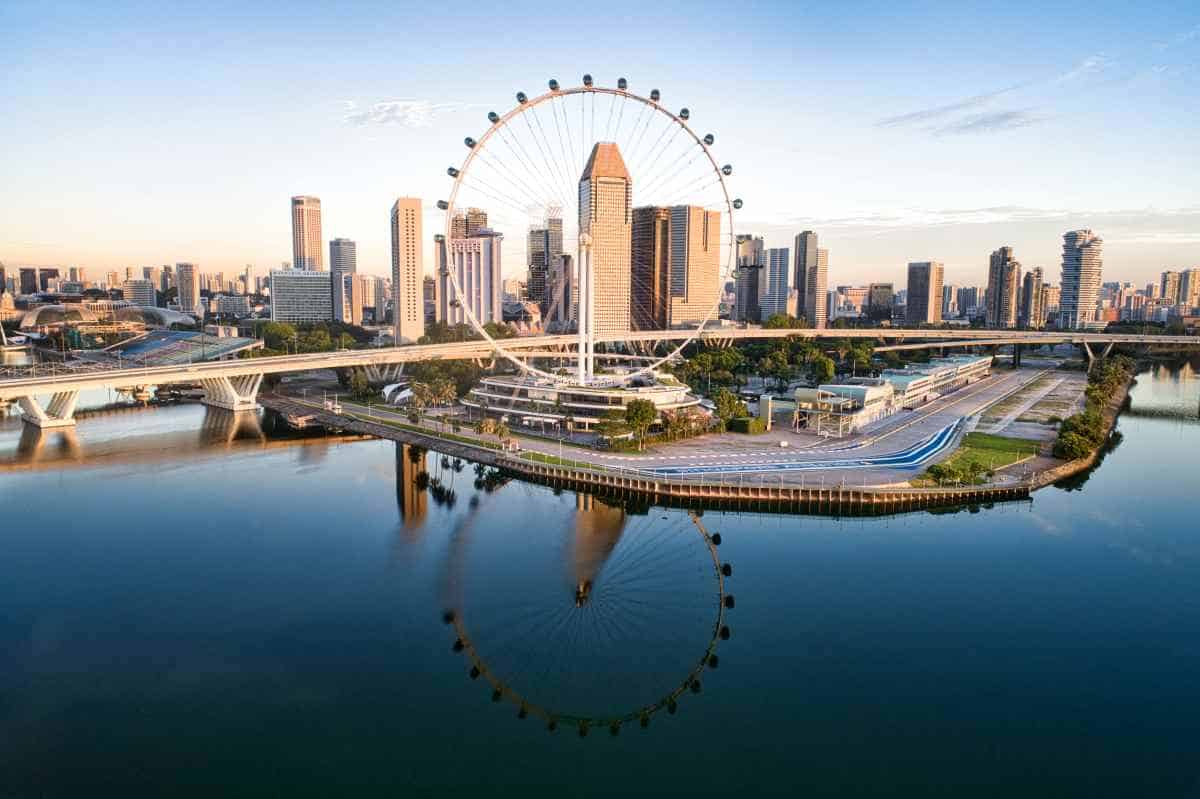
Image generated with Ai
Singapore is strengthening its business travel position through major MICE investments, expanded convention capacity, wellness development and luxury experiences. Together, these initiatives support Singapore’s ambition to grow business travel, MICE revenues and bleisure demand. The strategy connects meetings with hotels, dining, leisure, wellness and incentives in one highly integrated destination.
“Singapore is demonstrating how the future of business travel will increasingly depend on integration. By combining world-class MICE infrastructure with luxury, wellness, entertainment and incentive experiences, Singapore is creating greater value for international delegates and strengthening its position as a leading global business events destination.” says, Anup Kumar Keshan, Editor-in-Chief, TTW
Advertisement
Advertisement
Why is Singapore targeting stronger business travel growth?
Singapore is positioning business travel as a central pillar of its long-term tourism strategy, with MICE tourism playing an increasingly important role in the destination’s economic ambitions. Gregory Yap, Vice President, Americas, Singapore Exhibition & Convention Bureau, said Singapore expects total tourism receipts to reach between US$47 billion and US$50 billion by 2040, supported by an ambition to triple MICE revenues.
The strategy reflects a wider transformation taking place across the global business travel market. Corporate travellers are increasingly looking for destinations that can combine productive meetings with distinctive experiences, while event organisers are demanding venues that offer accommodation, dining, entertainment, transportation and leisure activities within convenient reach.
Advertisement
Advertisement
Singapore has an advantage in this environment because its business travel infrastructure is concentrated within a relatively compact urban setting. Major convention facilities can be combined with international hotels, restaurants, shopping districts, attractions and transport connections, allowing corporate visitors to extend traditional work trips into broader leisure experiences.
This is also supporting the rise of bleisure travel. Instead of treating business and leisure as separate journeys, Singapore is developing an environment in which delegates can attend conferences, participate in executive meetings and then access premium leisure experiences without leaving the wider city centre.
Advertisement
Advertisement
How will the Downtown MICE Hub change Singapore’s business travel proposition?
The planned Downtown MICE Hub represents one of the most significant elements of Singapore’s future MICE strategy. Its central location is designed to connect large-scale events with the city’s established hotel, culinary, retail and lifestyle infrastructure.
For business travellers, location remains an important consideration when selecting a destination for conferences and corporate meetings. A centrally positioned MICE facility can reduce travel time between venues, hotels and entertainment districts while making it easier for delegates to experience the destination outside formal event programmes.
The hub is therefore expected to function as more than a conventional exhibition or meeting venue. Its wider value lies in creating an integrated ecosystem where business events can connect naturally with hospitality and leisure.
This approach is particularly relevant as international MICE organisers increasingly seek destinations capable of delivering complete experiences rather than simply providing meeting rooms and exhibition floors.
Yap highlighted the economic importance of MICE travellers, noting that they currently spend nearly twice as much as traditional leisure travellers. This higher expenditure makes business events strategically important for destinations seeking to increase tourism value rather than simply visitor volumes.
For Singapore, attracting larger and more complex events could therefore generate benefits across hotels, restaurants, transport providers, attractions, retail businesses and other parts of the visitor economy.
Advertisement
Advertisement
How will Marina Bay Sands expansion support larger global conventions?
The planned expansion of Marina Bay Sands is another major development for Singapore’s business travel infrastructure. The US$8 billion expansion is set to add approximately 200,000 square feet of premium meeting space, a 15,000-seat arena and a fourth luxury hotel tower.
The additional facilities will significantly increase the destination’s ability to accommodate large-scale international gatherings. More meeting space can support larger conferences, concurrent events and complex programmes requiring multiple rooms and event formats.
The arena adds another dimension to the proposition. Large corporate gatherings increasingly incorporate entertainment, keynote presentations and experiential programming into their schedules. A major arena located alongside convention and hospitality facilities can allow organisers to build those elements into a single event programme.
The fourth hotel tower will also strengthen the connection between accommodation and meetings. Keeping delegates close to event facilities can simplify logistics for organisers while improving convenience for international attendees.
For business travellers, the combination of convention space, hotel accommodation, dining and entertainment creates an environment where professional and personal experiences can coexist.
That matters because corporate travel is evolving. Business travellers increasingly expect the destinations they visit for work to provide memorable experiences, while companies are becoming more interested in incentive and executive programmes that combine professional objectives with distinctive activities.
Advertisement
Advertisement
Can Singapore turn business trips into longer bleisure stays?
Bleisure is becoming increasingly relevant to destination strategy because business travellers can extend their trips when a destination offers attractive leisure opportunities before or after an event.
Singapore’s compact geography supports this model. A conference delegate can attend meetings during the day and access restaurants, cultural attractions, shopping areas, entertainment and waterfront destinations without requiring lengthy transfers.
The emerging business travel infrastructure adds further options. The Downtown MICE Hub can connect events with the city centre, while Marina Bay Sands is expanding its combination of meetings, accommodation and entertainment.
This integrated approach could make Singapore particularly attractive to international companies planning incentive programmes and executive gatherings. Instead of organising separate business and leisure components, planners can create programmes that transition naturally from meetings to experiences.
The strategy also supports higher visitor spending. A delegate who extends a business trip may generate additional expenditure on accommodation, restaurants, attractions, retail and transport.
For Singapore, the opportunity is therefore not simply to increase the number of business travellers arriving in the country. It is to increase the economic value of each visit while creating stronger links between MICE activity and the broader tourism economy.
Advertisement
Advertisement
What could Therme Singapore add to corporate travel?
Wellness is emerging as another important component of Singapore’s business travel proposition. Therme Singapore is scheduled to open in 2030 at Marina South, close to Gardens by the Bay and Marina Barrage.
The development is planned as Singapore’s first large-scale wellness attraction and could provide a new option for corporate groups, incentive travellers and executives seeking experiences focused on wellbeing.
Corporate wellness has gained importance as organisations reassess the role of business travel. Companies are increasingly looking at ways to make meetings and incentive programmes more engaging, restorative and valuable for employees.
A dedicated wellness attraction could allow event organisers to incorporate relaxation and wellbeing into corporate itineraries rather than treating them as separate activities.
Thermal facilities, wellness treatments and green surroundings could support programmes ranging from executive retreats to incentive experiences. The location is also significant because Marina South is becoming an important part of Singapore’s wider business and tourism landscape.
For international business travellers, wellness can provide an important counterbalance to intensive conference schedules. A destination capable of offering both sophisticated business infrastructure and restorative experiences can potentially strengthen its appeal to corporate decision-makers.
Advertisement
Advertisement
Singapore’s broader City in Nature positioning also gives this development a strategic context. The destination is seeking to demonstrate that an advanced global business centre can combine urban development with green spaces and wellness-focused experiences.
How will Porsche strengthen Singapore’s luxury incentive offer?
The planned Porsche Experience Centre in Changi represents another emerging component of Singapore’s corporate incentive and VIP travel strategy. Scheduled to open in 2027, the facility is expected to introduce a dynamic handling track, immersive driving experiences and high-end dining.
For incentive planners, distinctive experiences can play a major role in determining the attractiveness of a destination. Traditional sightseeing can be complemented by exclusive activities that provide corporate groups with experiences that are difficult to replicate elsewhere.
A Porsche Experience Centre can potentially serve this demand by combining performance driving with hospitality and premium event spaces.
Its location in the Changi precinct is also strategically important. Proximity to Changi Airport could support international arrivals and departures while creating a convenient setting for executive programmes and VIP experiences.
For companies organising incentive travel, the ability to combine luxury accommodation, premium dining, driving experiences and business activities can create a more sophisticated itinerary.
Advertisement
Advertisement
The development also strengthens Singapore’s position in the premium corporate travel segment. Luxury business travel is not solely about high-end hotels; it increasingly involves exclusive experiences, personalised service and access to distinctive destinations and activities.
Why are these developments important for international MICE organisers?
The combined pipeline demonstrates that Singapore is not relying on a single infrastructure project to strengthen its business travel proposition. Instead, it is developing a broader ecosystem covering conventions, accommodation, entertainment, wellness and incentive experiences.
That diversification can be valuable for international event organisers because different corporate groups have different requirements.
A large association congress may prioritise exhibition and meeting capacity. A multinational corporation may require executive facilities and accommodation. An incentive programme may focus on premium experiences. A wellness-focused corporate retreat may prioritise relaxation and wellbeing.
Singapore’s emerging infrastructure is designed to address several of these requirements within the same destination.
The strategy also reflects increasing competition among global MICE destinations. Cities across Asia-Pacific are investing heavily in convention centres, hotels, entertainment venues and visitor experiences as international events become an increasingly valuable source of tourism revenue.
Advertisement
Advertisement
Singapore’s response is to combine scale with connectivity. The destination can offer major event infrastructure while maintaining access to a dense network of hospitality and leisure facilities.
For planners, that combination can reduce logistical complexity while expanding the range of experiences available to delegates.
What does Singapore’s strategy mean for the future of business travel?
Singapore’s long-term business travel strategy is increasingly centred on integration. Convention infrastructure, luxury accommodation, wellness, entertainment and incentive experiences are being developed as interconnected elements of the visitor economy.
The objective extends beyond filling meeting rooms. Singapore is seeking to create an environment where business visitors stay longer, spend more and engage with more parts of the destination.
The ambition to triple MICE revenues by 2040 provides a clear strategic direction. The Downtown MICE Hub, Marina Bay Sands expansion, Therme Singapore and Porsche Experience Centre each contribute to different parts of that wider proposition.
For the global business travel industry, Singapore’s approach illustrates how destinations are adapting to changing corporate traveller expectations. Meetings are becoming more experiential, incentive programmes more personalised and business trips increasingly connected to leisure.
Advertisement
Advertisement
The result could be a stronger relationship between MICE tourism and the wider visitor economy. Hotels, restaurants, attractions, wellness operators, entertainment providers and transport businesses can all benefit when business travellers spend more time within a destination.
Singapore therefore appears to be preparing for a future in which successful business travel destinations are judged not only by the quality of their convention centres, but also by the breadth and quality of experiences available around them.
Singapore is reshaping business travel through MICE expansion, luxury infrastructure, wellness and incentive experiences. The Downtown MICE Hub, Marina Bay Sands expansion, Therme Singapore and Porsche Experience Centre collectively strengthen its offer. Consequently, Singapore can attract larger events, encourage bleisure stays and increase the value generated by international business visitors.
Advertisement
