
UAE And Seychelles Have Proved Their Tourism Collaboration as Island Destination Targets More Emirati Travellers

Published
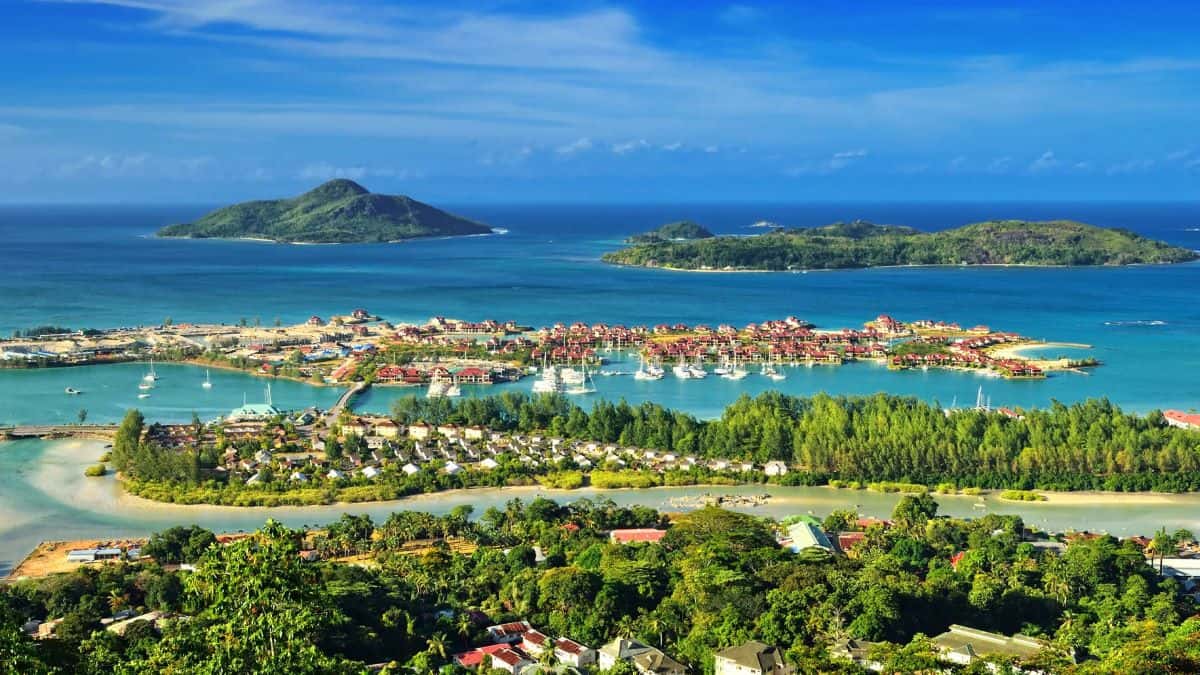
Image generated with Ai
As the world of travel and tourism changes, the tourism partnership between the UAE and Seychelles is the best example of countries working together. The Seychelles know that luxury and affordability can coexist in travel and they are using that knowledge to gain Emirati customers. Along with improved routes to their country and the right advertising, they have set themselves up to profit off high end travel. The area is benefiting from a change to tourism that focuses on the luxury travel and less on other, less sustainable, forms of travel. The region has an opportunity to build their economy and establish tourism partnerships with the UAE for premium, international travel and hospitality.
The Dawn of a New Era in Indian Ocean Travel
The global travel landscape is witnessing a profound and permanent restructuring as traditional source markets mature and emerging affluent demographics take centre stage. At the forefront of this evolution is the deepening UAE and Seychelles tourism collaboration, a strategic alliance that is fundamentally redefining how ecologically sensitive island destinations attract and retain high-yield visitors. Historically, the archipelago relied heavily on European holidaymakers seeking a winter sun escape. However, a significant strategic pivot has occurred over the last decade, accelerating rapidly into 2026, as Tourism Seychelles deliberately focuses its formidable resources and marketing acumen on the Gulf Cooperation Council (GCC) nations. The United Arab Emirates, possessing a robust, diversified economy and a population with a remarkably high propensity for luxury outbound travel, has naturally become the epicentre of this renewed and aggressive marketing push.
Advertisement
Advertisement
This overarching paradigm shift is not merely about increasing overall passenger headcounts; it is a meticulously crafted, highly calculated strategy designed to attract visitors who stay longer, spend considerably more per day, and engage deeply with the local hospitality economy. The discerning demographic of Emirati travellers, universally known for their steadfast preference for premium hospitality, absolute exclusivity, and uncompromised privacy, aligns perfectly with the destination’s broader governmental goal of sustainable economic expansion. By consistently prioritising financial quality and yield over sheer numerical volume, the island nation is proactively protecting its pristine and fragile environment. Simultaneously, it is exponentially boosting its critical foreign exchange reserves, setting a formidable, highly successful example for other coastal and island tourism boards across the vast African continent and the wider Indian Ocean region.
The Bedrock of the Partnership: Historical Context
To truly understand the magnitude of the current UAE and Seychelles tourism collaboration, one must examine the historical foundations upon which this bilateral relationship was built. The diplomatic and economic ties between Abu Dhabi, Dubai, and Victoria (the capital of Seychelles) have always been exceptionally cordial, rooted in mutual respect and a shared understanding of the importance of global connectivity. Aviation has consistently acted as the primary catalyst for this relationship. The initial introduction of direct commercial flights between the Gulf and Mahé Island in the early 21st century served as the critical turning point, effectively dismantling the geographical isolation of the archipelago and opening it up to a new world of high-net-worth explorers.
Advertisement
Advertisement
Over the ensuing years, this foundational aviation link evolved into a multifaceted economic partnership encompassing real estate development, infrastructure investment, and, most prominently, luxury tourism. Successive governments in the island nation recognised early on that the immense wealth generation occurring within the UAE presented an unparalleled opportunity. Unlike long-haul European markets that are highly susceptible to seasonal fluctuations and economic downturns, the UAE market offered a resilient, year-round stream of affluent visitors located just a short, four-and-a-half-hour flight away. This geographical proximity, combined with highly complementary time zones, laid the perfect groundwork for the sophisticated, multi-layered tourism strategy that is currently bearing immense financial fruit in 2026.
Advertisement
Advertisement
Unpacking the Landmark ATM 2026 Memorandum of Understanding
The absolute linchpin of the latest phase in the UAE and Seychelles tourism collaboration was officially solidified at the prestigious Arabian Travel Market (ATM) 2026, held annually in Dubai. On Monday, September 14, 2026, a momentous Memorandum of Understanding (MoU) was officially signed, successfully renewing a vital strategic partnership that was first formally established in 2013. This comprehensive agreement involves the most critical stakeholders in the regional travel ecosystem: Emirates airline, the Seychelles Tourism Board (STB), and the Ministry of Tourism and Culture. The signing ceremony at the ATM exhibition centre was a remarkably high-profile affair, drawing significant attention from global travel media and international industry analysts.
The primary, publicly stated objective of this renewed MoU is to aggressively stimulate inbound visitor traffic to the archipelago by effectively leveraging Emirates’ incredibly extensive global network, which currently spans nearly 140 passenger destinations. The agreement stands as a powerful testament to the absolute mutual dependency that exists between the massive Gulf aviation giants and highly specialised Indian Ocean luxury destinations. For Emirates, the route to Mahé is a highly profitable, premium-heavy channel catering directly to lucrative leisure passengers. For the island nation, the Dubai-based airline acts as a vital, irreplaceable arterial connection that literally brings the world to its shores. The signing at Arabian Travel Market 2026, arguably the most influential travel trade event in the Middle East, served as a highly visible, definitive declaration of intent that the GCC market will remain the absolute top priority for the archipelago’s macroeconomic planners for the foreseeable future.
Key Stakeholders Driving the Vision Forward
The successful execution of the UAE and Seychelles tourism collaboration relies entirely on the visionary leadership of the key signatories involved in the 2026 agreements. The ATM 2026 MoU was signed by Essa Sulaiman Ahmad, Emirates’ Senior Vice President for Commercial Operations across West Asia and the Indian Ocean, alongside Amanda Bernstein, the esteemed Minister for Tourism and Culture, and Vesna Rakić, the dynamic Chief Executive Officer of the STB. This triumvirate of industry leaders represents the powerful intersection of governmental policy, international destination marketing, and global aviation logistics.
During the highly publicised signing ceremony, Essa Sulaiman Ahmad explicitly noted that the renewed partnership accurately reflects Emirates’ unwavering, continued commitment to supporting the island nation’s ambitious tourism goals. He emphasised that the airline’s double-daily flights position the carrier perfectly to drive sustained visitor demand and contribute meaningfully to the host country’s broader economic growth. Concurrently, Vesna Rakić described the Dubai-based carrier as one of the destination’s most longstanding and deeply valued airline partners, heavily highlighting the critical importance of maintaining a double-daily service through Dubai, which acts as the ultimate international aviation hub for the islands. She confirmed that the renewed agreement would systematically strengthen joint marketing activities and deepen vital engagement with the regional travel trade.
Strategic Marketing and Travel Trade Engagement
Under the comprehensive framework of the newly signed agreement, the involved parties have officially committed to launching a robust, heavily funded series of joint marketing and advertising campaigns tailored specifically to resonate with the highly sophisticated GCC audience. These sophisticated initiatives are meticulously designed to elevate the destination’s profile, moving far beyond the quintessential, traditional image of simple sun, sea, and sand, to accurately showcase a multifaceted, culturally rich, and highly exclusive luxury experience. The UAE and Seychelles tourism collaboration will heavily facilitate extensive, highly curated familiarisation trips for prominent media representatives, influential digital content creators, and critical travel trade partners based throughout the Middle East.
Advertisement
Advertisement
These targeted familiarisation trips are absolutely crucial for driving tangible consumer demand. By providing high-end travel agents and bespoke tour operators with immersive, first-hand experience of the destination’s ultra-premium private island resorts, bespoke culinary offerings, and exclusive eco-tourism activities, the STB ensures that these vital intermediaries can confidently and accurately sell the destination to their ultra-high-net-worth clients. Furthermore, Emirates and the STB will collaborate closely on highly targeted joint sales calls, specialised trade workshops, and regional roadshows across the UAE and broader GCC. This comprehensive, multi-channel approach guarantees that the archipelago remains completely top-of-mind for Emiratis planning their next premium holiday, effectively and efficiently converting aspirational interest into confirmed, high-value bookings.
By the Numbers: A Statistical Deep Dive into Arrival Metrics
To fully grasp the immense scale and phenomenal success of the UAE and Seychelles tourism collaboration, one must meticulously examine the latest official statistics published by the Central Bank of Seychelles and the National Bureau of Statistics. The empirical data presents an undeniable picture of triumph. In 2025, the country experienced a remarkable and sustained resurgence in international arrivals, welcoming a highly impressive total of 398,841 visitors to its shores. This outstanding figure represents a robust, sector-leading 13 per cent year-on-year increase compared to the roughly 353,000 visitors officially recorded in 2024, signalling a complete, comprehensive recovery and a powerful expansion well beyond historical, pre-pandemic baselines.
This sustained, double-digit growth is particularly impressive given the various macroeconomic headwinds, fluctuating fuel prices, and intermittent regional airspace disruptions that have occasionally affected broader global travel patterns over the past two years. The official data unambiguously demonstrates that global demand for the destination remains highly inelastic, particularly among the affluent demographic segments deliberately targeted by the STB. The ongoing expansion of dedicated airline capacity, coupled closely with highly streamlined digital travel procedures, has successfully created a frictionless, welcoming environment for international tourists. As of mid-2026, this powerful momentum shows absolutely no signs of waning. Official government reports indicate that by July 2026, the country had already welcomed 232,342 visitors, reflecting a continued, steady upward trajectory and unequivocally confirming the effectiveness of the strategic partnerships forged within the Gulf region.
The Ascendancy of the Emirati Traveller
Within the broader, highly positive context of increasing global arrivals, the specific growth metrics regarding the United Arab Emirates market are particularly noteworthy and highly encouraging for local policymakers. The UAE has now firmly, permanently established itself as one of the most vital, high-performing source markets for the archipelago, ranking confidently alongside traditional, massive European strongholds such as Germany, France, and the United Kingdom. The official data confirms that in 2025, the destination proudly welcomed an impressive 20,980 visitors arriving directly from the UAE. This vital demographic segment marked a very solid 6.2 per cent increase from the 19,761 arrivals officially registered in the preceding year of 2024.
This sustained, reliable upward trend heavily underscores the deep-rooted, culturally aligned appeal of the islands among Emirati travellers. Unlike many Western markets that remain highly seasonal, the UAE market provides a remarkably consistent, highly valuable flow of high-value visitors throughout the entire calendar year. This consistency is aided immeasurably by the short flight duration from Dubai or Abu Dhabi. Furthermore, the granular data reveals a remarkably strong pattern of repeat visitation, which is widely considered the holy grail for any national tourism board. Emirati families, honeymooners, and couples frequently return to the archipelago year after year, drawn irresistibly by the unparalleled privacy, the exclusive mega-villa accommodations, and the highly bespoke, culturally personalised services that the local hospitality sector has meticulously developed to cater specifically to unique Gulf preferences.
Advertisement
Advertisement
The Financial Paradigm Shift: Value Over Volume
Perhaps the most critical, globally significant aspect of the modern UAE and Seychelles tourism collaboration is the overarching philosophical shift in how the destination officially measures its own success. For many decades, the global tourism industry operated almost exclusively on a simplistic, volume-based metric, where the sheer number of arrivals dictated a country’s perceived economic success. However, the Department of Tourism Seychelles has boldly, decisively pivoted towards a highly sophisticated “value over volume” strategy. This enlightened approach intentionally and unapologetically prioritises the actual economic contribution, the quality of the visitor experience, and strict environmental protection over the uncontrolled, potentially destructive growth in raw tourist numbers.
By systematically targeting the high-net-worth individuals and affluent families so heavily prevalent in the UAE and the wider GCC, the national tourism board ensures that the financial economic footprint of each individual visitor is vastly maximised, while the physical footprint on the fragile, biodiverse island ecosystem is stringently minimised. This brilliant strategy successfully curtails the notorious negative impacts associated with mass tourism, such as overcrowded public beaches, severely strained municipal infrastructure, and irreversible environmental degradation. Instead, the relentless focus is on attracting visitors who are both willing and able to pay a massive premium for exclusivity and absolute luxury, thereby generating significantly higher revenues per capita. This deliberate, highly successful shift is currently being closely monitored by international organisations like UN Tourism and the World Bank, and is increasingly viewed as the absolute optimal sustainable model for ecologically sensitive island nations globally.
Exploring the Generous Economic Windfall
The incredible efficacy of this high-yield, low-volume strategy is irrefutably validated by the astonishing economic data compiled from 2025. While total visitor arrivals grew by a very respectable 13 per cent, the corresponding tourism earnings experienced an absolute explosive surge, increasing by an incredible 29 per cent year-on-year. According to meticulously verified official figures released by the Central Bank, the nation generated a truly staggering US$1.196 billion in total tourism receipts during the 2025 fiscal year. The Ministry of Finance proudly corroborated this exceptional macroeconomic performance, estimating the total gross receipts at roughly US$1.2 billion.
This massive, mathematically significant divergence between volume growth (13%) and revenue growth (29%) is the ultimate, undeniable indicator of a maturing, phenomenally successful luxury tourism sector. It categorically demonstrates that the visitors arriving—facilitated almost entirely by the ongoing UAE and Seychelles tourism collaboration—are spending substantially more capital during their stays. The massive financial injection of over a billion dollars is utterly transformative for the small island economy, providing the critical, necessary capital required to fund vital public services, upgrade essential national infrastructure, and invest heavily in comprehensive, world-class environmental conservation programmes. Remarkably, even during periods of slight volume dips in early 2026 due to completely external regional airspace issues, the revenue resilience remained exceptionally strong; official January-February earnings reached an estimated US$208 million, up 27 per cent from the exact same period in the previous year.
Daily Expenditure and Premium Offerings
The impressive, billion-dollar macroeconomic figures are heavily driven by the truly exceptional daily expenditure of the average premium tourist visiting the islands. Official Central Bank data reveals that the average daily visitor spending reached a highly impressive approximately US$322 in 2025. This incredibly elevated daily spend is a direct, undeniable result of the highly targeted marketing efforts aimed squarely at Emirati travellers and other highly affluent demographics who naturally gravitate towards the ultra-premium hospitality offerings available across the archipelago.
Advertisement
Advertisement
Crucially, this massive expenditure is not merely concentrated in expensive hotel room rates; it cascades positively and profoundly throughout the entire local economy. High-value visitors frequently, and enthusiastically, engage in highly exclusive, high-margin experiences such as private luxury yacht charters, bespoke inter-island helicopter transfers, high-end culinary experiences featuring internationally renowned private chefs, and highly specialised, multi-day wellness retreats. Furthermore, they are significantly more likely to financially support local artisans, purchase premium local products, and shop at luxury boutiques. By carefully cultivating an elite environment that perfectly caters to these extravagant desires, the tourism sector guarantees that the immense financial benefits are distributed much more broadly across various ancillary service providers and the local Seychellois workforce. The GCC market is particularly, undeniably instrumental in driving this high daily spend, as Gulf tourists are globally renowned for their strong preference for booking expansive multi-bedroom suites, private pool villas, and highly comprehensive luxury concierges.
Aviation Synergies: Bridging the Gulf and the Archipelago
The phenomenal, globally recognised success of the UAE and Seychelles tourism collaboration would be absolutely, fundamentally impossible without the incredibly robust, highly efficient aviation infrastructure connecting the two distinct regions. The inescapable geographical reality of the remote Indian Ocean archipelago necessitates an absolute, 100 per cent reliance on air travel for all international leisure arrivals. In this specific context, the massive, highly efficient Gulf aviation hubs have unequivocally become the indispensable, life-giving lifeline for the entire island nation’s tourism industry. According to highly respected regional tourism reporting and official IMF data analysis, a staggering 60 per cent of all international visitors to the country now connect smoothly through Dubai, Doha, or Abu Dhabi.
These three massive Middle Eastern hubs act as incredibly powerful global aggregators, effectively and seamlessly funnelling millions of travellers not only from the immediate GCC region but also from across vast swathes of Europe, Asia, and the Americas directly into the heart of the Indian Ocean. For the island destination, securing and maintaining Gulf hub connectivity is no longer viewed as an optional luxury or a secondary strategy; it is universally acknowledged as a strict structural necessity. This powerful aviation synergy guarantees a steady, highly reliable flow of premium passengers, effectively insulating the island nation from the highly volatile fluctuations of direct, point-to-point European charter flights that previously, and unreliably, dominated the market decades ago. This brilliant hub-and-spoke model ensures daily, highly convenient year-round accessibility, which is absolutely crucial for maintaining the exceptionally high occupancy rates strictly demanded by international luxury resort operators.
The Role of Emirates as a Global Gateway
At the very core, the absolute beating heart of this massive aviation synergy, is Emirates airline. The globally dominant, Dubai-based carrier has masterfully positioned itself as the premier, undisputed conduit for premium traffic heading toward the Indian Ocean. Emirates currently operates an incredible 14 flights a week between Dubai International Airport and Mahé, providing crucial, highly convenient double-daily connectivity. This exceptionally high flight frequency is immensely, undeniably attractive to time-poor premium travellers, offering them unparalleled flexibility in planning their bespoke itineraries and ensuring perfectly timed, seamless connections from almost anywhere on the vast globe.
The high-profile renewal of the MoU at Arabian Travel Market 2026 heavily underscores Emirates’ absolute, unwavering commitment to the destination’s long-term success. As Essa Sulaiman Ahmad astutely noted during the official signing, the double-daily flights position the massive airline perfectly to drive sustained visitor demand and contribute massively to the host country’s incredible economic growth. The sheer, unparalleled volume of premium cabin seats (First and Business Class) provided by Emirates on this specific route perfectly, symbiotically aligns with the STB’s overarching strategy to attract solely high-yielding tourists. Moreover, official data confirms that a highly significant proportion of passengers on the Dubai-Mahé route actually originate from vital, high-spending European source markets such as France, Italy, Germany, Switzerland, and the UK, conclusively proving that the UAE and Seychelles tourism collaboration benefits the destination globally, effectively acting as a funnel for the world’s absolute wealthiest tourists.
Advertisement
Advertisement
Domestic Connectivity and the Power of Codeshares
While establishing seamless international connectivity to the main, bustling island of Mahé is undeniably critical, the true, authentic luxury experience in the archipelago almost always involves exploring the breathtaking, pristine outer islands. Accurately recognising this crucial logistical reality, the UAE and Seychelles tourism collaboration was significantly and brilliantly bolstered by a highly comprehensive Emirates codeshare agreement established directly with the national carrier, Air Seychelles, in 2025. This strategic, highly integrated alignment has completely revolutionised the end-to-end passenger experience, finally providing frictionless, single-ticket travel from global origin points directly to the highly popular, stunningly beautiful domestic destination of Praslin Island.
Prior to the implementation of this vital agreement, international travellers faced the highly cumbersome, often frustrating process of booking entirely separate domestic flights, claiming luggage, and re-checking baggage upon their initial arrival in Mahé. Today, however, Emirates customers can seamlessly, effortlessly transfer to Air Seychelles-operated domestic flights, with their heavy luggage checked straight through from Dubai or London to their final island paradise destination. This incredible level of convenience is a massive, highly effective selling point for high-net-worth families and discerning honeymooners who absolutely demand a stress-free, luxurious travel experience from door to door. Furthermore, Air Seychelles proudly operates its very own daily service directly from Abu Dhabi, perfectly complementing the Emirates flights and ensuring that the UAE capital is equally, excellently well-connected to the archipelago, thereby thoroughly saturating the entire UAE market with incredibly convenient, premium travel options.
Cultivating the Perfect Proposition for the GCC Market
Attracting the highly discerning, immensely wealthy Emirati traveller requires significantly more than just providing excellent flight connections; it demands a highly sophisticated hospitality product that is meticulously, culturally tailored to extremely specific lifestyle preferences. The local Seychellois hotel and resort industry has aggressively, successfully adapted its premium offerings to strictly meet the exacting standards of the highly lucrative GCC demographic. Absolute privacy is universally considered paramount for Middle Eastern visitors, and the archipelago’s unique, stunning topography, characterised heavily by secluded sandy coves and dense, lush tropical vegetation, naturally lends itself perfectly to exclusive, hidden, low-density resort layouts.
Luxury properties across the islands have invested hundreds of millions of dollars heavily in constructing expansive, multi-bedroom private pool villas that offer absolute, uncompromised seclusion for large families and couples. Additionally, the local hospitality industry has made massive, highly commendable strides in seamlessly accommodating halal tourism requirements. This vital adaptation includes ensuring the widespread, guaranteed availability of strictly halal-certified gourmet dining options, providing highly requested gender-segregated wellness and spa facilities, and heavily training local staff in the specific cultural nuances and highly refined expectations of Middle Eastern luxury hospitality. By proactively, respectfully addressing these extremely specific needs, the destination has successfully cultivated a highly guarded reputation as a welcoming, culturally respectful, and supremely luxurious safe haven for Gulf residents, solidly reinforcing the deep foundations of the UAE and Seychelles tourism collaboration.
Foreign Direct Investment and Hospitality Infrastructure
The massively surging revenues and consistently, reliably high demand generated directly by the UAE and Seychelles tourism collaboration have certainly not gone unnoticed by massive international real estate developers and deep-pocketed institutional investors. The island nation is currently experiencing an unprecedented, massive wave of high-end foreign direct investment (FDI) aimed squarely at rapidly expanding its world-class luxury hospitality infrastructure. Global, ultra-luxury hotel brands are incredibly eager to quickly establish a permanent footprint in a highly protected market that commands such incredibly high average daily rates and boasts a guaranteed, steady clientele of ultra-high-net-worth individuals.
Advertisement
Advertisement
A prime, highly visible example of this massive ongoing development boom is the highly anticipated, heavily publicised arrival of the prestigious Meliá brand, which is currently scheduled to officially open a spectacular, sprawling new luxury property towards the very end of 2026. This incredible addition to the existing hospitality landscape will further, significantly diversify the ultra-luxury accommodations available, providing yet another world-class, highly polished option for the deeply discerning Emirati traveller. These massive infrastructural investments are absolutely vital for physically sustaining the government’s strict “value over volume” strategy. By continuously, relentlessly elevating the sheer quality and sheer variety of the premium hotel stock, the destination guarantees that it can easily justify the incredibly high price points and maintain its absolute competitive edge against rival, high-end Indian Ocean destinations such as the Maldives and Mauritius.
Environmental Stewardship as an Economic Imperative
The rapid, highly profitable influx of massive capital and high-net-worth visitors naturally brings inherent, highly complex challenges regarding long-term environmental conservation. However, the Department of Tourism Seychelles is acutely, painfully aware that the very foundational bedrock of its entire economic success—the pristine, completely untouched natural beauty of the islands—is highly fragile and easily destroyed. Consequently, environmental sustainability is not merely a convenient marketing buzzword used in brochures; it is a fundamental, strictly legally mandated component of the nation’s entire overarching tourism strategy. The massive revenue generated directly through the UAE and Seychelles tourism collaboration plays an absolutely crucial, irreplaceable role in heavily funding these vital, highly expensive national conservation efforts.
The national government has courageously implemented incredibly stringent environmental regulations strictly governing all new hotel developments, ensuring that every single construction project has an absolute minimal ecological footprint. Furthermore, highly significant, legally mandated portions of the total tourism revenue are immediately reinvested into actively protecting vast marine sanctuaries, strictly preserving the unique native flora and fauna, and aggressively combating the creeping threat of coastal erosion. The highly successful high-yield, low-volume strategy inherently, naturally limits the physical human strain on the environment, allowing for a truly harmonious, highly profitable balance between massive economic prosperity and strict ecological preservation. This unwavering, deeply entrenched commitment to sustainability deeply resonates with the modern, highly educated luxury traveller, particularly including the highly environmentally conscious younger generations rapidly emerging within the GCC, who now increasingly factor strict eco-credentials into their multi-million dollar holiday purchasing decisions.
The Ripple Effect: Implications for African Tourism
The resounding, highly publicised success of the UAE and Seychelles tourism collaboration is being incredibly closely monitored by highly ambitious regional neighbours. As massive volumes of GCC capital increasingly look toward the African continent—evidenced powerfully by recent massive investments from Gulf entities in places like Zimbabwe’s burgeoning luxury hotel market—the Seychelles model is now universally viewed as the absolute gold standard for economic development. African tourism boards stretching from the bustling shores of Zanzibar to the luxurious coasts of Mauritius are actively, intensely studying exactly how the archipelago successfully leveraged Gulf aviation connectivity to pivot so cleanly and successfully towards significantly higher-yield visitor segments.
The clear structural dependency on massive Middle Eastern aviation hubs is now universally recognised by economists as a strictly necessary framework for any ambitious coastal or island destination seeking to rapidly elevate its global standing. The highly strategic, deeply integrated agreements signed at ATM 2026 serve as an absolute masterclass in modern destination marketing and economic statecraft. By aligning perfectly with incredibly powerful airline partners, committing deeply to ultra-premium infrastructure, and fiercely, legally protecting the natural environment, the archipelago has successfully created an incredibly resilient, massively profitable tourism economy. As other developing nations frantically attempt to replicate this incredible success, the highly pioneering, visionary efforts of the STB and its deeply committed UAE partners will undeniably continue to heavily influence the broader strategic direction of African and Indian Ocean tourism for the highly foreseeable future.
Advertisement
Advertisement
Future Outlook: Navigating Late 2026 and Beyond
As the final, highly lucrative quarter of 2026 rapidly approaches, the long-term outlook for the UAE and Seychelles tourism collaboration remains overwhelmingly, undeniably positive. Despite occasional, entirely external macroeconomic uncertainties and temporary, highly frustrating regional airspace disruptions, the fundamental, deep-rooted appeal of the destination is arguably stronger and more resilient than ever before. The incredible strategic groundwork laid meticulously by the recent Emirates MoU, the highly robust and successful Air Seychelles codeshare, and the highly imminent opening of new, ultra-luxury properties like the Meliá resort absolutely guarantee that the archipelago will remain highly, fiercely competitive on the global stage.
The ongoing, relentless focus on the massive GCC market is a highly calculated, deeply forward-looking strategy that perfectly anticipates the continued, explosive economic growth and massive outward travel propensity of the entire Middle East. As global travel norms continue to evolve rapidly, the destination’s unwavering commitment to providing an exclusively high-value, and deeply sustainable experience ensures it will not only effortlessly retain its current massive market share but also seamlessly attract an entirely new generation of affluent, highly demanding global explorers. Ultimately, the deep partnership between the massive Gulf aviation hubs and this pristine Indian Ocean paradise stands firmly as a towering testament to the incredible power of strategic alignment, massive mutual benefit, and truly visionary destination management in the modern era.
Advertisement
