
United States Reveals Michigan’s Futuristic Snow Solution Using Waste Heat To Protect Streets And Boost Tourism

Published
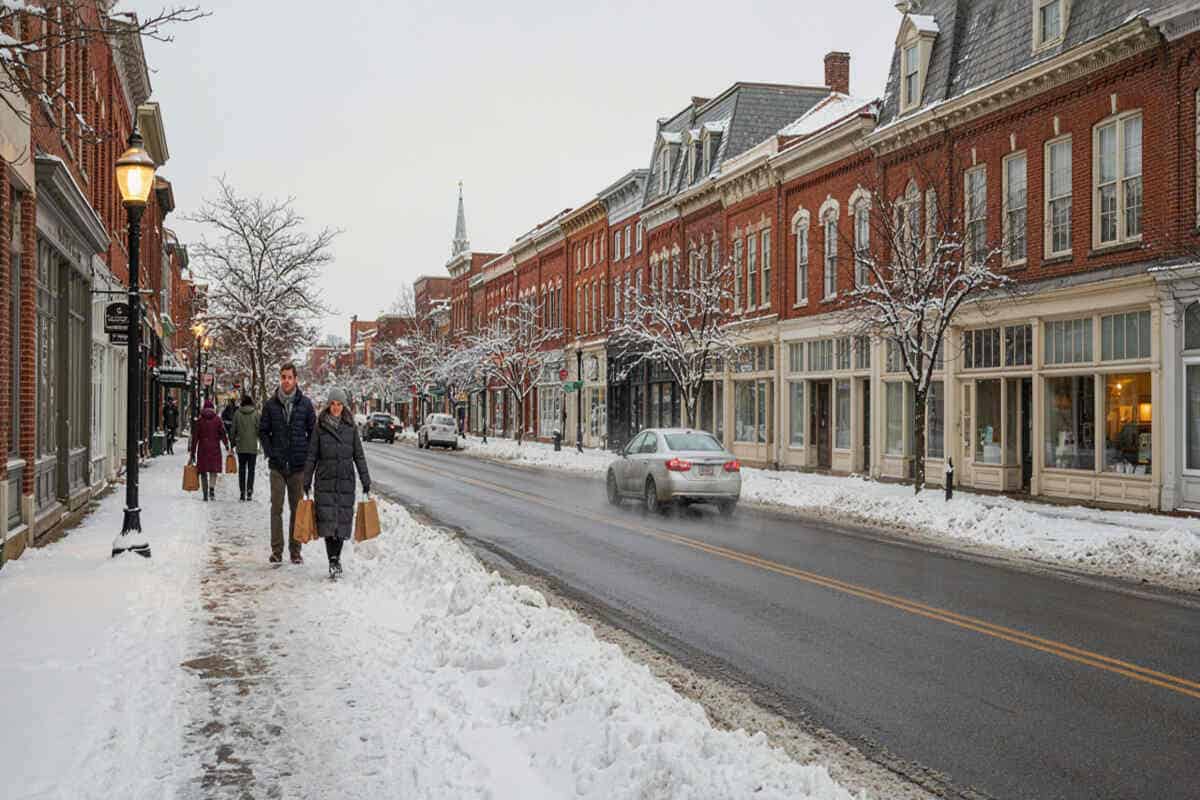
Image generated with Ai
Michigan, US: Waste Heat Technology Melts Snow In Tough Places.One system designed to mitigate the effects of winter in Michigan uses waste heat to help clear snow. One downtown area has recycled heat from power plant generation to help clear the snow and keep public areas open during the winter. Located in Michigan, Holland has utilized its snow melt system since 1988. Because of the Snow melt system, residents and visitors can travel during heavy snow events.
The city’s innovative approach has changed the way winter maintenance is managed. Instead of depending only on snow ploughs and road salt, Holland uses a network of heated pipes beneath streets and walkways. The system captures unused heat and turns it into a practical winter tourism and mobility solution.
Advertisement
Advertisement
How Holland’s Underground Snow melt Network Works During Winter
The technology behind Holland’s snow-free downtown comes from the Holland Board of Public Works (BPW) snow melt system. The system uses waste heat created during power generation and transfers that energy into water. The heated water is then circulated through hundreds of miles of underground tubing installed beneath roads and pavements.
The network includes around 400 miles of tubing placed below streets and sidewalks. Heated water moves through the system at approximately 4,700 gallons per minute while maintaining a temperature of nearly 95 degrees Fahrenheit.
Advertisement
Advertisement
Under suitable winter conditions, the system can melt about one inch of snowfall every hour when temperatures remain around 20 degrees Fahrenheit with wind speeds near 10 mph.
Advertisement
Advertisement
The underground tubes are carefully positioned beneath public surfaces. The design includes three-quarter-inch tubes placed approximately six inches apart, allowing heat to spread evenly across streets and pedestrian areas.
This approach creates a safer environment by reducing snow accumulation and limiting icy surfaces in the heart of downtown Holland.
A Large Scale Winter Innovation Supporting Tourism and Daily Life
Holland receives more than 70 inches of snow annually, making winter maintenance a major challenge. The snow melt system covers nearly 24 acres and extends across around eight miles of streets and sidewalks.
The city operates the network as a closed-loop system. This means the same water continuously circulates through the underground pipes rather than being constantly replaced. This design improves efficiency and reduces unnecessary water use.
The system is considered one of the largest municipally owned snow melt networks in North America. It has become an important feature of downtown infrastructure, helping businesses remain accessible and allowing visitors to explore the area even during harsh winter weather.
Advertisement
Advertisement
The heated surfaces also reduce dependence on traditional winter maintenance methods. Less salt usage helps protect surrounding environments, while fewer snow-clearing operations can reduce the impact of ploughing activities on busy downtown areas.
The Investment Behind Holland’s Snow Free Downtown Streets
Creating a large-scale snow melt network requires significant financial investment. According to official information, the cost of transmission lines can reach around $300 per square foot, while distribution tubing costs approximately $40 per square foot.
The city recovers some expenses through charges paid by property owners and businesses that directly benefit from the heated surfaces.
The original project developed as part of downtown revitalization efforts during the late 1980s. Local stakeholders worked with the city and BPW to create a system that could improve winter accessibility and support economic activity.
The project began with a major financial contribution towards the initial development cost, helping transform the concept into a functioning winter infrastructure network.
Advertisement
Advertisement
Over time, the system has continued to evolve. Earlier versions used water sourced from Lake Macatawa. After the opening of Holland Energy Park in 2017, the system shifted to treated drinking water, helping reduce sediment build-up and supporting improved maintenance of equipment.
Holland’s Snow melt System Creates New Winter Experiences
The benefits of the snow melt system extend beyond transportation. The technology has helped create new opportunities for winter events and tourism activities.
One example is the annual Holland on Ice event, which includes a winter running activity known as the Snow melt 5K. The route uses downtown areas supported by the snow melt system, allowing participants to enjoy a winter race with fewer concerns about snow-covered or icy pathways.
The attraction highlights how infrastructure designed for safety can also become part of a destination experience. Visitors can enjoy downtown shops, restaurants and seasonal events with improved accessibility during the coldest months.
The system has helped position Holland as a destination where winter conditions become part of the visitor experience rather than a barrier.
Advertisement
Advertisement
Other US Cities Exploring Snow melt Solutions
Holland is not the only American location using innovative methods to manage winter conditions. Other cities have explored different forms of snow melt technology based on local energy resources.
Klamath Falls in Oregon uses geothermal energy to support snow melt applications on selected sidewalks and bridges. The city takes advantage of naturally available underground heat to improve winter safety.
Boise, Idaho, has also used geothermal heating technology for certain downtown sidewalk areas. The approach demonstrates how renewable and alternative energy sources can support urban winter management.
Nearby Zeeland, Michigan, has also explored expanding its own downtown snow melt network, following a similar vision of creating safer and more accessible winter public spaces.
These examples show a growing interest in climate-friendly solutions that combine energy efficiency, public safety and destination development.
Advertisement
Advertisement
Michigan’s Winter Innovation Shows the Future of Snow Management
Holland’s snow melt system represents a different way of thinking about winter challenges. Instead of reacting after snowfall arrives, the city has created infrastructure that actively prevents snow and ice from becoming major obstacles.
By converting waste heat into a useful resource, the system supports safer streets, reduces traditional maintenance demands and strengthens downtown tourism appeal.
As cities across colder regions search for smarter climate solutions, Holland’s approach demonstrates how innovative engineering can turn winter conditions into an opportunity for improved urban experiences.
Advertisement
