
Asia Sees An Incredible Kuwait And Lebanon Green Tourism Travel Shift Saving Our Gorgeous Coastlines
Published
The soft crash of Mediterranean waves on Tyre’s shores and the bright heat across Kuwait Bay carry a quiet truth: travel is finally waking up. For years we wandered without watching our footprint. Today a bold green shift is sweeping across West Asia. From zero‑landfill eco‑sanctuaries taking root on Failaka Island to small family‑run guesthouses bringing life back to Lebanon’s mountain villages tourism is discovering its soul again. This is more than a 3% growth metric, on paper it is a heartfelt promise to protect our fragile coasts honor local cultures and preserve these timeless landscapes for generations to come. Travel, tourism and the people who love these places are all part of that promise.
Eco-Tourism Revolution: How Kuwait and Lebanon Drive Sustainable Growth Across West Asia
The sustainable tourism sector across West Asia spanning the dynamic sub-regions of the Levant and the Arabian Peninsula has officially entered a structural growth trajectory surpassing 3% annually. Driven by urgent climate adaptation needs and national diversification mandates, this green revolution is reshaping how emerging Asian economies balance visitor expansion with fragile coastal ecosystems. In Kuwait, state-led initiatives under New Kuwait Vision 2035 are pioneering thermal-adapted, low-impact coastal infrastructure to transform Persian Gulf islands into eco-hubs. Meanwhile, Lebanon’s national Blue Economy strategy connects coastal conservation directly to rural community livelihoods, ensuring that visitor expenditure flows directly into local micro-enterprises. Together, these dual models demonstrate how targeted green tourism creates resilient macroeconomic value across Asia.
How Is Kuwait Pioneering Groundbreaking Coastal Innovation and Climate-Adapted Infrastructure in Kuwait City and Failaka Island?
Advertisement
Advertisement
Kuwait’s green tourism strategy is intrinsically linked to its delicate marine environment along the Persian Gulf, where extreme thermal conditions and marine heatwaves necessitate technological and infrastructure-led interventions under New Kuwait Vision 2035. Rather than chasing mass travel volume, state planning focuses on high-value, low-impact eco-coastal infrastructure that reduces economic dependence on hydrocarbon revenues. Major state developments include zero-landfill master planning for Failaka Island and the sustainable modernization of Green Island, incorporating renewable energy microgrids and mudflat restoration.
To protect coastal zones like Kuwait Bay, strict eco-zoning and smart environmental monitoring are deployed, alongside heat-adapted, AI-optimized closed-loop cooling systems that decouple tourism expansion from excessive fossil fuel and water consumption. State investments leverage cutting-edge engineering paradigms to shield coastal habitats from extreme regional temperatures, ensuring that visitor infrastructure remains robust against rising maritime heat signatures. Through these forward-thinking urban and island frameworks, policymakers are successfully redefining regional hospitality standards. Consequently, these environmental safeguards protect fragile marine biodiversity while simultaneously opening up high-yield economic opportunities for domestic and international travelers alike.
Advertisement
Advertisement
How Does Lebanon Leverage Its Blue Economy Framework for Community-Led Sustainable Ecotourism in Beirut, Byblos, and Tyre?
Lebanon’s sustainable tourism economy relies on a unique natural resource base that bridges Eastern Mediterranean coastal ecosystems with rich inland mountain trails. Governed by a comprehensive Blue Economy Framework established in coordination with international agencies like UNCTAD and UNDP, national policy leverages marine conservation to drive local community development. The national framework establishes thematic destinations that link coastal eco-lodges directly with local guides, organic agricultural producers, and traditional soap artisans in historical centers.
By creating direct value-chain procurement linkages, every visitor dollar spent in coastal towns like Byblos or Tyre multiplies local economic resilience while preventing environmental degradation from over-tourism. Furthermore, regulated coastal usage and marine protected areas protect fragile aquatic species while sustaining traditional artisanal fishing and low-impact eco-boating ventures across the coastline. This integration ensures that the macroeconomic benefits of visitor growth are shared equitably among vulnerable rural households and small-scale entrepreneurs, establishing a robust blueprint for Mediterranean ecological stewardship.
Renewable Energy Integration and Decarbonisation Metrics Across Coastal Hospitality Assets
The transformation of clean energy systems within regional hospitality assets represents a pivotal structural shift for sustainable coastal tourism across West Asia. Sovereign coastal developments in Kuwait operating under New Kuwait Vision 2035 are aggressively implementing solar photovoltaic grid penetration targets between 15% and 20% across all newly commissioned beach resorts and maritime commercial facilities. This transition directly reduces the operational reliance on traditional fossil-fuel grids, establishing a lower-carbon baseline for the high-end tourism industry.
Alongside clean power generation, energy efficiency measures are rapidly advancing through artificial intelligence integration. Modern coastal resorts across the region are deploying AI-managed, closed-loop heating, ventilation, and air-conditioning (HVAC) systems, which dynamically optimize indoor thermal control and reduce peak power consumption by 22% to 30%. When combined across regional eco-resorts, these integrated decarbonisation strategies target an annual offset of 1.8 million metric tonnes of carbon dioxide equivalent by 2030, permanently decoupling luxury coastal tourism from carbon-intensive growth.
Advertisement
Advertisement
Marine Heatwave Resilience and Water-Thermal Load Architecture in Kuwait Bay
Severe marine heatwaves along the Persian Gulf present acute ecological challenges, necessitating cutting-edge environmental monitoring and water management architecture. Thermal telemetry across Kuwait Bay and Failaka Island tracks sea surface water variances fluctuating between 1.5°C and 2.2°C above baseline averages. These rising temperatures put immense pressure on fragile marine ecosystems, forcing tourism developers to re-engineer coastal water processing plants to prevent localized thermal pollution.
To safeguard vulnerable marine life and delicate coral habitats from industrial thermal shock, regional environmental frameworks mandate low-impact, multi-stage flash cooling diffusers. These state-of-the-art diffusers effectively dissipate excess heat, cutting brine discharge thermal loads into surrounding coral beds by 35%. Furthermore, strict environmental compliance thresholds limit water turbidity during ongoing coastal infrastructure expansion, protecting delicate intertidal mudflats and ensuring that coastal eco-tours operate without damaging aquatic habitats.
Socio-Economic Value-Chain Multipliers and SME Job Creation in Rural Lebanon
Sustainable ecotourism plays a transformative socio-economic role by driving decentralized wealth distribution across vulnerable rural regions. According to official data from the United Nations Conference on Trade and Development, Lebanon’s tourism sector directly contributes 7% ($3.3 billion) to national Gross Domestic Product, with its total economic impact reaching 19.4% ($9.2 billion) and sustaining more than 338,000 jobs. Rather than concentrating wealth in urban centers, green tourism redirects critical capital into regional hinterlands and coastal villages.
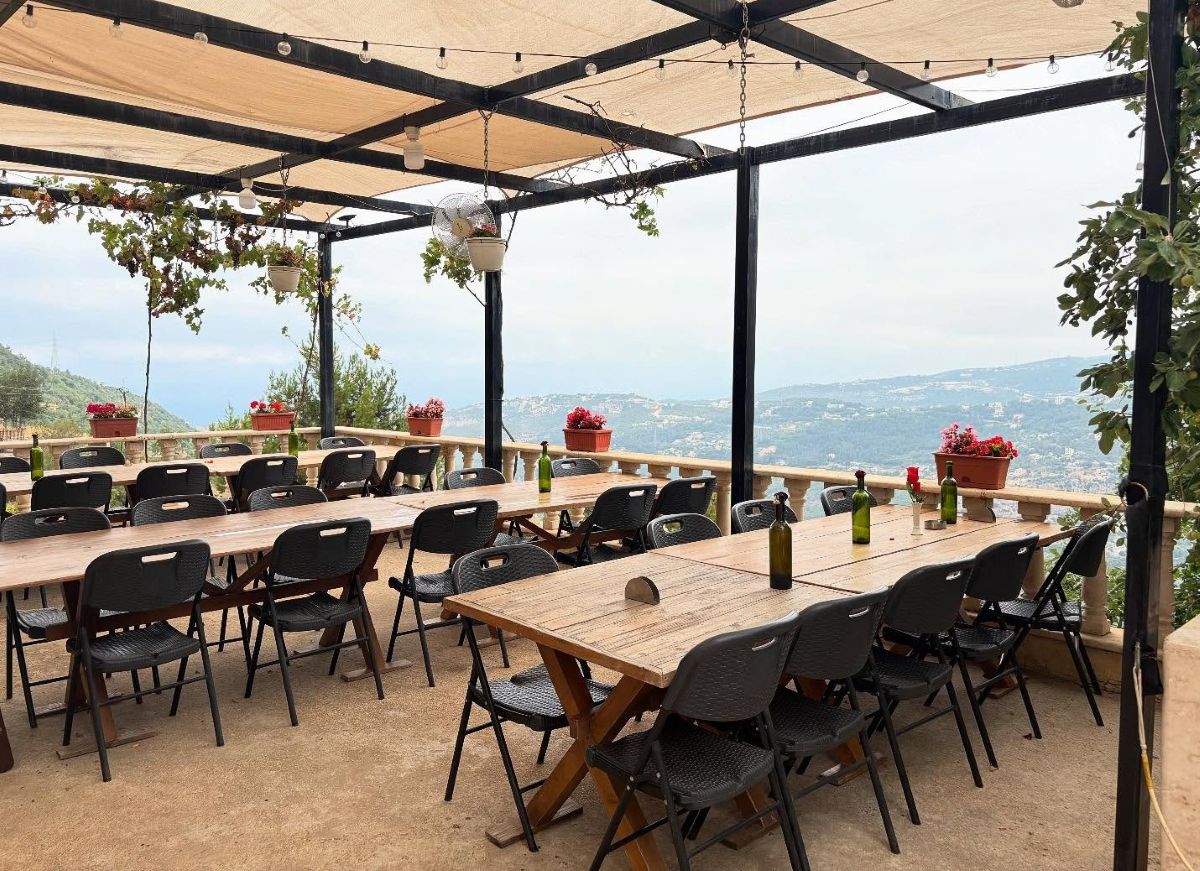
The local economic multiplier effect highlights the profound financial benefit of community-based hospitality models. Every $100 spent at rural coastal eco-lodges creates between $165 and $180 in total economic value throughout supply chains in historic regions like Byblos, Tyre, and the Chouf Mountains. By enforcing mandatory procurement guidelines requiring participating ecotourism clusters to source over 60% of their organic produce, wines, and artisanal goods locally, these programs build resilient rural micro-enterprises and secure long-term livelihoods.
Advertisement
Advertisement
Zero-Landfill Waste Management and Circular Economy Models on Persian Gulf Islands
Establishing fully circular waste management models is essential for protecting the fragile ecological balances of island destinations. Master-planned green tourism initiatives across Failaka Island and Green Island have set stringent waste management targets aimed at achieving a 90% to 95% waste-diversion rate away from municipal landfills. This target is maintained through comprehensive on-site sorting, active material recovery, and mandatory waste tracking across all resort operations.
A core component of this zero-landfill infrastructure is the deployment of localized organic anaerobic digestors, which process food waste generated by hospitality venues. These high-capacity digestors convert organic waste into 100% organic bio-fertilizer, which is then used to nurture island green belts and native botanical gardens without synthetic chemical inputs. Simultaneously, marine operators have instituted an absolute ban on single-use plastics, preventing an estimated 45 tonnes of plastic pollution from entering surrounding marine ecosystems each year.
Blue Economy Marine Protected Area Zonation and Coastal Conservation Economics
Integrating marine protected area zonation directly into national economic planning forms the backbone of sustainable marine tourism. In Lebanon, maritime and coastal economic sectors jointly contribute between 18% and 19% to the total economy. To preserve the marine natural capital supporting this revenue, national environmental authorities have designated between 12% and 15% of Mediterranean territorial waters including the Tyre Coast Nature Reserve and the Palm Islands as strictly regulated eco-zones.
These marine protected areas enforce strict limits on heavy commercial fishing while prioritizing low-impact eco-boating, regulated diving, and scientific research. Protecting these critical zones has led to a remarkable 14% recovery in coastal marine biomass around protected corridors. This ecological recovery stabilizes yields for local artisanal fisheries, demonstrates the tangible financial value of marine conservation, and provides tourists with vibrant, thriving marine environments to explore.
Advertisement
Advertisement
Agro-Ecotourism and Carbon Footprint Reduction via Short Supply Chains
Shortening culinary supply chains across the hospitality sector represents a major operational breakthrough for lowering indirect carbon emissions. By connecting eco-resorts directly with regional agricultural cooperatives, the average transport distance for food supplies drops from over 2,500 kilometers for imported goods down to under 45 kilometers from local farm clusters. This drastic reduction in food miles minimizes transport logistics and significantly reduces the carbon footprint of regional dining.
This localized procurement model drives an impressive 38% reduction in hospitality scope-3 greenhouse gas emissions across participating eco-hotels. To support this farm-to-table integration, targeted micro-finance allocations provide direct financial capital to more than 1,200 rural organic smallholders. These investments help farmers scale up sustainable agricultural production, satisfy rising demand from eco-conscious travelers, and keep hospitality revenue circulating within local farming communities.
Climate-Adapted Urban-Coastal Infrastructure and Microclimate Cooling Technologies
Developing comfortable outdoor spaces in hyper-arid coastal environments requires innovative passive cooling architecture and climate-adapted engineering. Modern coastal developments utilize passive shade structures, high-albedo building materials, and dense urban canopy designs that lower ambient outdoor microclimate temperatures by 4°C to 6°C along pedestrian walkways. These passive cooling techniques allow visitors to comfortably navigate outdoor coastal promenades even during hot weather conditions.
Water conservation remains an equally critical element of climate-adapted coastal infrastructure. Coastal green developments utilize 100% treated sewage effluent for the irrigation of native coastal mangroves and salt-tolerant vegetation, saving millions of gallons of precious potable water every day. Additionally, facilities incorporate smart building envelopes featuring advanced thermal insulation and low-emissivity glass, cutting overall thermal heat gain by 28% and reducing building energy loads.
Advertisement
Advertisement
Sustainable Heritage Trail Connectivity and Decentralized Capital Distribution Networks
Decentralizing tourist traffic away from densely populated metropolitan areas preserves cultural heritage while ensuring even economic distribution across regions. Strategic heritage trail initiatives have successfully reshaped visitor flow patterns, reducing overnight stay concentration in urban Beirut from 78% down to 52%. This shift spreads visitor stayovers into coastal trails in Batroun and Byblos, as well as inland mountain reserves.
This redistribution of travelers has fueled a 12% annual expansion in eco-certified, decentralized guesthouse accommodations. These locally operated lodging networks deliver reliable, year-round cash flow directly to family-owned micro-enterprises and regional communities. With over 400 kilometers of mapped, eco-certified hiking trails linking ancient historical sites with trained local guide networks, travelers gain authentic cultural experiences while contributing directly to rural economic development.
The Final Verdict
At its core green transformation is not about numbers or policy talk; it is, about protecting the places we love before they fade away. Kuwait is using thoughtful technology to restore its hot Gulf shores while Lebanon is giving new life to its old coastal paths. In this moment a personal hope is planted. Every footprint we leave behind matters. When we choose to travel with care we are not merely visiting a place—we are honoring the beauty of our shared home keeping the sea the soil and the communities that greet us healthy for many generations.
Frequently Asked Questions (FAQs)
Advertisement
Advertisement
Q1: What is the growth rate of sustainable tourism in Kuwait and Lebanon?
The green tourism economy across West Asia, including Kuwait and Lebanon, has achieved a structural growth trajectory surpassing 3% annually, outperforming traditional mass tourism.
Q2: How does Kuwait manage extreme heat in its eco-tourism developments?
Kuwait utilizes heat-adapted infrastructure, AI-optimized closed-loop cooling systems, and renewable microgrids on destinations like Green Island and Failaka Island to minimize water and energy footprints.
Q3: What role does the Blue Economy play in Lebanon’s tourism strategy?
Lebanon’s Blue Economy framework integrates marine protected areas with regulated eco-boating, artisanal fishing, and direct supply-chain links to local rural micro-enterprises.
Advertisement
