

Arizona Grand Canyon Tourism 2026: Wildfire and Flooding Trigger Major Visitor Decline

Published
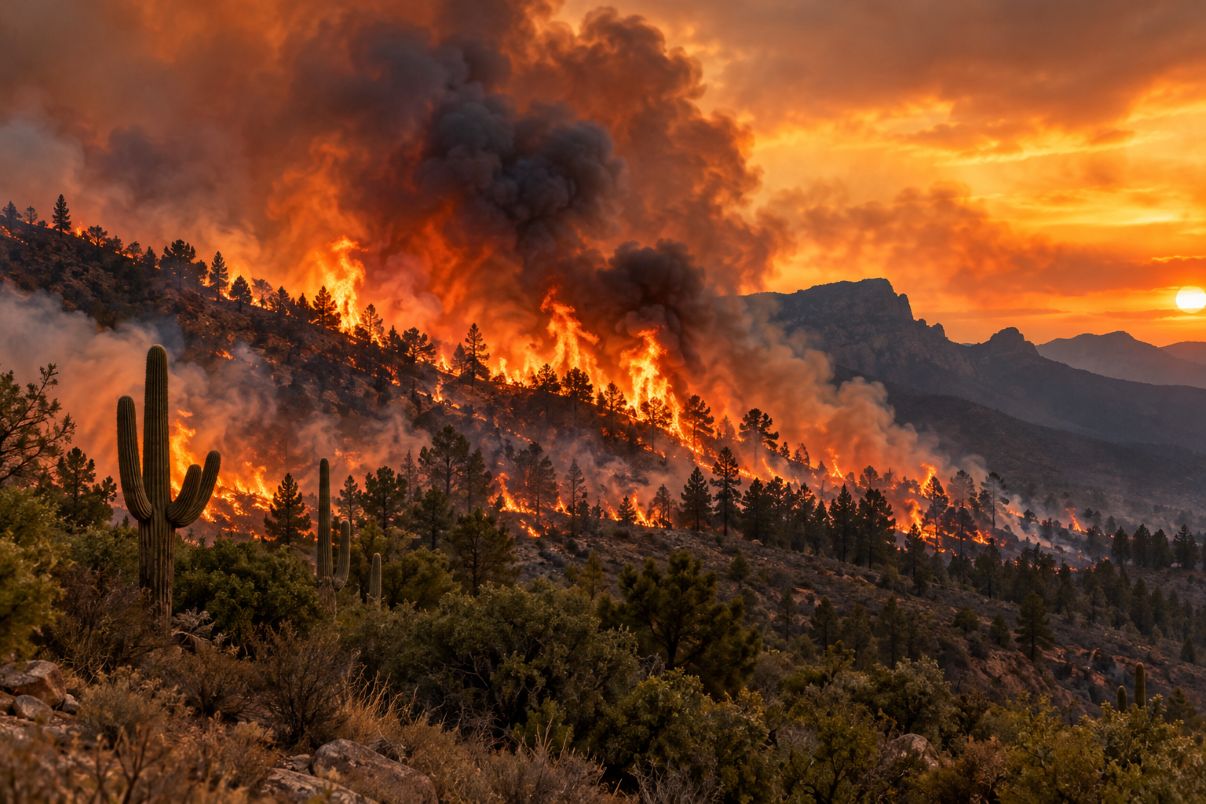
Arizona’s Grand Canyon National Park is facing a difficult tourism recovery as the consequences of a devastating 2025 wildfire continue to affect visitors, businesses and essential infrastructure. Grand Canyon Tourism 2026 has come under renewed pressure following the Dragon Bravo Fire and deadly flooding in August. National Park Service figures cited in recent reporting show that North Rim vehicle traffic declined by 54% between May and August 2026 compared with the same period in 2024. With historic accommodation destroyed, water infrastructure damaged and popular trails closed, surrounding communities are experiencing significant economic challenges while federal restoration efforts continue.
Grand Canyon Tourism 2026 Faces Severe Decline Following Destructive Arizona Wildfire
The Grand Canyon’s North Rim continues to experience substantial tourism disruption following the Dragon Bravo Fire, which began on 4 July 2025.
Advertisement
Advertisement
The wildfire burned nearly 150,000 acres before being contained almost three months later.
Its destructive impact included the loss of historic buildings, visitor accommodation and essential infrastructure.
Advertisement
Advertisement
The Grand Canyon Lodge, one of the North Rim’s most recognisable accommodation landmarks, was destroyed.
The fire also damaged water infrastructure, creating long-term challenges for visitor services.
Advertisement
Advertisement
Although the North Rim reopened on 15 May 2026, normal tourism operations have not fully resumed.
The North Rim Campground reopened on 1 June, but hotel and cabin accommodation inside the park remained unavailable during the reported season.
Advertisement
Advertisement
The disruption has affected visitors seeking overnight stays, hiking opportunities and access to traditional park facilities.
North Rim Visitor Traffic Plunges 54% as Tourism Recovery Struggles
Vehicle traffic entering the North Rim fell by 54% between May and August 2026 compared with the corresponding period in 2024.
The comparison, attributed to National Park Service figures, demonstrates the scale of the downturn following the wildfire.
However, the statistic measures North Rim vehicle traffic rather than total visitor numbers across Grand Canyon National Park.
Advertisement
Advertisement
The distinction matters because the South Rim remains a separate and established tourism destination.
The decline has created challenges for businesses that depend on North Rim visitors.
Accommodation providers, restaurants, tour operators and transport services have faced reduced demand.
The continuing absence of important visitor facilities may also influence travellers’ decisions about where to stay and which attractions to visit.
Restoring tourism activity will depend on infrastructure repairs, accommodation availability and improved access to recreational areas.
Historic Grand Canyon Lodge Destruction Creates Long-Term Tourism Challenges
The Dragon Bravo Fire destroyed 98 historic buildings, including the Grand Canyon Lodge, alongside other structures.
Advertisement
Advertisement
The loss represents a significant setback for the North Rim’s tourism infrastructure and historic character.
The lodge had served as a central accommodation and visitor landmark, offering access to canyon scenery and recreational activities.
Its destruction removed an important overnight option for travellers.
The North Rim Visitor Center, permanent toilets and most restaurants also remained closed as of early October 2026.
These restrictions complicate visits, particularly for travellers unfamiliar with the area’s remote geography.
Visitors must now plan more carefully around food, drinking water and accommodation availability.
Advertisement
Advertisement
The National Park Service has not confirmed a final reconstruction timetable for the lodge.
Restoration decisions will need to consider visitor services, infrastructure requirements and the protection of the area’s historic character.
August 2026 Flash Flood Adds Another Devastating Blow to Grand Canyon Recovery
The Grand Canyon’s recovery faced another serious setback when flash flooding struck Bright Angel Canyon on 29 August 2026.
The disaster killed three people and damaged important infrastructure.
Floodwaters affected the Transcanyon Waterline, interrupting water supplies to the South Rim.
The North Kaibab Trail, a popular hiking route connecting the North Rim with the canyon interior, was also closed.
Advertisement
Advertisement
The flooding created additional challenges while authorities were already responding to the consequences of the 2025 wildfire.
Tourism businesses reported further cancellations and uncertainty following the disaster.
Jacob Lake Inn’s management said 40 room reservations were cancelled within one day of the flood.
Additional cancellations followed during the subsequent week.
The combined effects of wildfire damage and flooding have complicated restoration work and increased uncertainty for visitors planning Grand Canyon holidays.
Jacob Lake Inn Reports US$1.5 Million Revenue Shortfall Following Wildfire
The economic consequences of the Dragon Bravo Fire extend beyond the national park itself.
Advertisement
Advertisement
Jacob Lake Inn, a family-operated accommodation business near Fredonia, reported revenue approximately US$1.5 million below its usual level between July 2025 and early August 2026.
The property survived the wildfire but was evacuated for three weeks.
Management attributed the subsequent business difficulties to reduced visitor activity and disruption affecting the North Rim.
Located approximately 45 miles north of the canyon, Jacob Lake serves travellers approaching the park from surrounding communities.
Its experience demonstrates how reduced national park access can affect businesses outside protected areas.
However, the reported revenue shortfall is a business-specific estimate rather than a comprehensive measurement of regional tourism losses.
Advertisement
Advertisement
The full economic impact across northern Arizona and neighbouring communities has not been independently quantified.
North Rim Restoration Act Could Accelerate Grand Canyon Rebuilding Efforts
Federal lawmakers have considered legislation intended to support recovery from the Dragon Bravo Fire.
The proposed North Rim Restoration Act was introduced by Arizona Representative Eli Crane.
The legislation would provide the National Park Service with emergency contracting authority for wildfire-related cleanup, rebuilding and infrastructure restoration.
The US House of Representatives approved the measure by voice vote in March 2026.
The Senate Energy and Natural Resources Committee advanced it on 30 September.
Advertisement
Advertisement
However, the legislation had not received final Senate approval or become law as of the 12 October reporting.
Supporters believe the measure could help accelerate restoration of damaged facilities.
Its eventual impact would depend on congressional approval, implementation and available funding.
The legislation does not establish a guaranteed completion date for rebuilding the North Rim.
Grand Canyon South Rim Continues Offering Spectacular Arizona Travel Experiences
Despite the challenges affecting the North Rim, Grand Canyon National Park remains an important destination for sightseeing and outdoor recreation.
The South Rim provides access to well-known viewpoints, including Mather Point, Yavapai Point and Desert View.
Advertisement
Advertisement
These locations offer expansive canyon scenery and opportunities for photography without requiring demanding hikes.
Visitors can explore the region’s geological landscapes and enjoy panoramic views from established observation areas.
However, water infrastructure damage and other operational restrictions may influence available services.
Travellers should check National Park Service updates before departure.
The North Rim offers a different experience, with higher elevations, forested landscapes and generally cooler temperatures during its normal visiting season.
Yet the continuing restoration work means visitors cannot assume that all North Rim facilities or trails are accessible.
Advertisement
Advertisement
Each area should be assessed separately when planning a holiday.
What Should Travellers Know Before Visiting Grand Canyon’s North Rim?
Visitors planning North Rim journeys should check official access information immediately before travelling.
The area normally has a shorter operating season than the South Rim because of its higher elevation and winter weather conditions.
Following the wildfire, drinking water, permanent toilets, restaurants and overnight accommodation have remained limited.
Travellers should carry sufficient food and water and confirm the availability of essential facilities.
Hikers should avoid closed trails and restoration zones.
Advertisement
Advertisement
The North Kaibab Trail was among the routes reported closed in early October.
Visitors seeking accommodation outside the park can investigate Jacob Lake, Fredonia and Kanab in neighbouring Utah.
However, room availability and travel distances should be confirmed directly.
The National Park Service provides official information about roads, trails, campgrounds and safety restrictions.
Grand Canyon Tour Operators Face Booking Declines and Operational Challenges
Tourism businesses across the Grand Canyon region have reported difficulties linked to reduced visitor demand and infrastructure restrictions.
Molly McKee, who operates Above and Beyond Grand Canyon Tours with her husband, reported weaker bookings even for tours focused primarily on the South Rim.
Advertisement
Advertisement
Her business has also transported drinking water into the park for guests and guides because of infrastructure difficulties.
The Grand Canyon River Outfitters Association, representing 16 operators, has expressed concern about the pace of recovery.
These accounts demonstrate how damage affecting one part of a national park can influence businesses operating across a wider geographical area.
Visitors may change or cancel plans when they are uncertain about accommodation, water supplies or attraction access.
However, individual business reports should not be interpreted as comprehensive tourism statistics.
A full assessment would require broader visitor and economic data.
Advertisement
Advertisement
National Park Service Begins Public Consultation on North Rim Restoration
The National Park Service began collecting public comments on North Rim restoration on 6 October 2026.
The consultation provides an opportunity for residents, tourism businesses and other stakeholders to contribute to discussions about rebuilding damaged facilities.
Restoration priorities include essential infrastructure, visitor services and access to recreational areas.
Authorities must also consider the preservation of the North Rim’s historic and natural character.
However, the consultation does not establish a final construction schedule.
The Grand Canyon Lodge and damaged water infrastructure remain major restoration concerns.
Advertisement
Advertisement
The proposed federal legislation could influence future rebuilding arrangements if enacted.
For tourism-dependent communities, greater clarity about restoration milestones would help businesses plan accommodation, staffing and visitor services.
Travellers should continue monitoring official announcements rather than assuming that all facilities will reopen simultaneously.
Grand Canyon Tourism Recovery Remains Challenging but Arizona’s Natural Wonder Endures
Arizona’s Grand Canyon continues to face difficult consequences from the Dragon Bravo Fire and subsequent flooding. The destruction of historic buildings, damage to water infrastructure and restrictions on visitor services have contributed to a significant decline in North Rim traffic. Local accommodation providers and tour operators are also experiencing financial pressure. Nevertheless, the wider national park remains an extraordinary destination, with established South Rim viewpoints offering remarkable sightseeing opportunities. For travellers, responsible planning is essential. Checking official closures, respecting restoration areas and supporting local businesses where possible can help visitors experience the Grand Canyon while communities work towards recovery.
Advertisement
