
China is Now Boosting Rail Travel Across Regions with New Links and More Time to Explore This Golden Week

Updated
Published
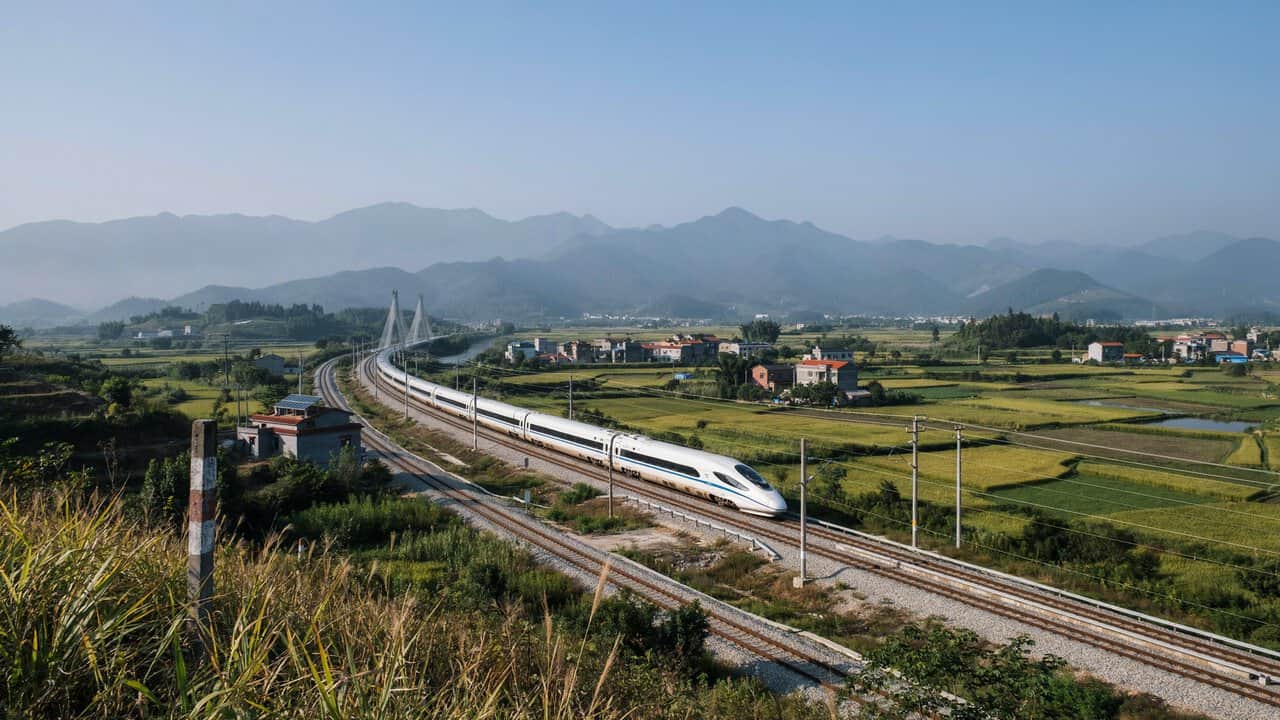
China’s transport authorities confirmed four high-speed railway openings on 28 September 2026, expanding Rail Travel before the 1–7 October National Day holiday. The sections added over 1,100 kilometres, connected existing routes and shortened journeys between destinations. For domestic holidaymakers and international visitors, the immediate benefit is faster access to several regions. Trains subsequently carried a record 25.204 million passenger trips on 1 October, although overall cross-regional journeys declined compared with the same day in 2025.
Rail Travel Evidence Shows Faster Connections and Uneven Demand
The central story concerns operational railway improvements during a major holiday. The percentages below represent an editorial assessment of the story’s emphasis, not official statistics, transport shares or measured tourism effects. They total 100%.
Advertisement
Advertisement
| News Component | Share of Story | Officially Verified Finding | Relevance to Travellers | Official Source |
|---|---|---|---|---|
| Railway infrastructure | 45% | Four sections opened on 28 September | More connected journeys | Transport ministry |
| Passenger movements | 25% | Rail trips rose 9%; all-mode journeys fell 1.9% on 1 October | Demand varied by transport mode | Official transport figures |
| Return journey conditions | 20% | 7 October alerts cover 58 charging locations and 37 motorway sections | Check route-specific conditions | Official return alerts |
| International connectivity | 10% | July figures show links with 177 cities in 80 countries | Background for inbound itineraries | Civil aviation figures |
The evidence establishes new connections, substantial passenger movements and location-specific return pressures. It does not demonstrate a nationwide rise in tourism spending, hotel occupancy or visitor numbers. Transport journeys can include repeat movements by the same person and trips unrelated to tourism. Travellers should therefore separate the practical value of faster routes from broader claims about the holiday economy.
Rail Travel Across Regions Expanded Before the Holiday Rush
The 134.2-kilometre Pinglu Canal opened on 16 September, providing a freight connection between inland waterways and the sea. The Mid-Autumn holiday followed on 25–27 September. On 28 September, the Xiong’an–Shangqiu, Xi’an–Ankang, Yichang–Xingshan and Harbin–Yichun railway sections opened. National Day travel began on 1 October, when railway passenger movements reached their daily record. These events concern different transport functions and should not be treated as one passenger service. No passenger cruise or sightseeing service forms part of the canal opening described in the reviewed evidence.
Advertisement
Advertisement
By 6 October, concentrated return traffic was reaching major roads, although official reporting described broadly orderly conditions at 18:00. The new railway sections were already operational. The significance for holiday planning lies in their connections with established routes, rather than an announcement of future construction. They give travellers additional itinerary options, while local transfers, departure times and available seats still determine whether a particular journey works.
Understanding the Context Behind the Development
New Connections Reduce Specific Journey Times
The clearest confirmed change is shorter travel time following railway openings. The opening Xi’an East–Ankang West service took 45 minutes. Government reporting describes Ankang–Yan’an journeys falling from over seven hours to just over two. The fastest Harbin–Yichun West service takes one hour and 46 minutes. These examples show how Rail Travel Across Regions can improve access. They do not prove that the new lines caused the national passenger record.
Advertisement
Advertisement
Holiday Demand Adds Operational Pressure
Seasonal demand forms the strongest supporting context. Before the holiday, transport authorities projected 2.13 billion cross-regional journeys, implying daily activity around 1.7 times normal levels. The forecast remains distinct from completed results. Authorities also prepared mobile charging support and monitored busy service areas. The available evidence establishes faster connections and preparations for heavy movement, but does not isolate their effects on tourism revenue. It supports practical itinerary planning rather than a definitive explanation for every booking change. A separate forecast put new-energy vehicle traffic at 1.8 times normal levels, reinforcing the need to distinguish anticipated pressure from observed disruption.
Official Figures Reveal Different Travel and Tourism Measures
On 1 October, China recorded 329.495 million cross-regional journeys, down 1.9% annually. Railway trips reached 25.204 million, up 9%, while road journeys totalled 300.36 million, down 2.8%. Waterway trips reached 1.416 million, up 7.2%; civil aviation recorded 2.515 million, up 0.5%. Calculated from those totals, rail represented approximately 7.65% of movements and roads 91.16%. Cross-regional journeys exceeded 300 million daily during 1–3 October. These are movements, not unique tourists. They do not measure spending.
Advertisement
Advertisement
Commercial booking figures reproduced on a government website provide a separate perspective on Rail Travel Across Regions. Nearly 30% booked hotels in at least two cities; bookings covering four or more cities rose 53% annually. Multi-country hotel bookings more than doubled. The report also cites double-digit inbound growth, day-tour bookings rising more than fourfold and train bookings increasing over 170% across both autumn holidays. These platform indicators cannot establish national tourism totals. International context comes from July’s confirmed air links, not evidence that October visitor arrivals increased at the same rate. July’s aviation update also recorded more than 1,000 regular international routes and over 40 million international passenger trips during January–June, up 5.7% year-on-year.
Practical Checks for Rail Travel and Return Journeys
Travellers using the new links should confirm their actual services and station names. Those returning by road should check current charging and congestion alerts. Motorway service areas have around 89,000 charging facilities, including approximately 22,000 high-power points. Around 11,000 high-power points were added during January–August, matching the earlier installed total. Nationwide provision does not guarantee immediate availability at a particular stop. The alerts covering 58 charging locations and 37 motorway sections for 7 October forecast pressure, rather than prove that every location is currently congested.
- Confirm train numbers, dates, stations and onward connections.
- Carry the identification document used to buy the ticket.
- Allow time for station security and identity checks.
- Review fare, change and refund conditions before paying.
- Check charging availability and avoid running batteries very low.
- Follow current weather and road safety updates.
- Rest for at least 20 minutes after four hours’ continuous driving.
The reviewed transport report announces no new visa, passport or visa-free entry rules. International travellers must check requirements applicable to their nationality and itinerary through immigration authorities. The operational notices support checking journeys, rather than automatically cancelling plans. A faster railway connection also does not confirm a protected transfer between separately booked services.
Confirmed Next Steps Extend Beyond the Holiday
Official railway notices list additional services on schedules extending beyond 7 October, including 8 October. These are confirmed arrangements, but travellers must check individual operating dates and availability. Charging pressure remains subject to monitoring, while the holiday forecast awaits comparison with completed results. For hotels and tour organisers, the analytical implication is better scope for coordinating itineraries with shorter train journeys. Higher earnings, longer stays and stronger destination demand remain unproven outcomes.
Faster Connections Bring Clear Benefits and Measured Expectations
China’s expansion of Rail Travel Across Regions has delivered shorter journeys and more connected routes during a busy holiday. The evidence supports better access and strong railway demand, while overall movement and tourism performance require separate assessment. For visitors, the useful next step is checking actual services, documents, connections and return conditions. For hotels and local tourism businesses, shorter journey times create planning opportunities without guaranteeing higher revenue. The lasting value of these routes will depend on their practical use beyond the holiday. Current decisions should follow confirmed schedules and official updates, rather than assumptions drawn from record passenger numbers.
Advertisement
