
Austria Incredible Travel Secrets And Massive Trade Corridor Expansions Shocking Industry Experts Today, Here’s The Update

Published
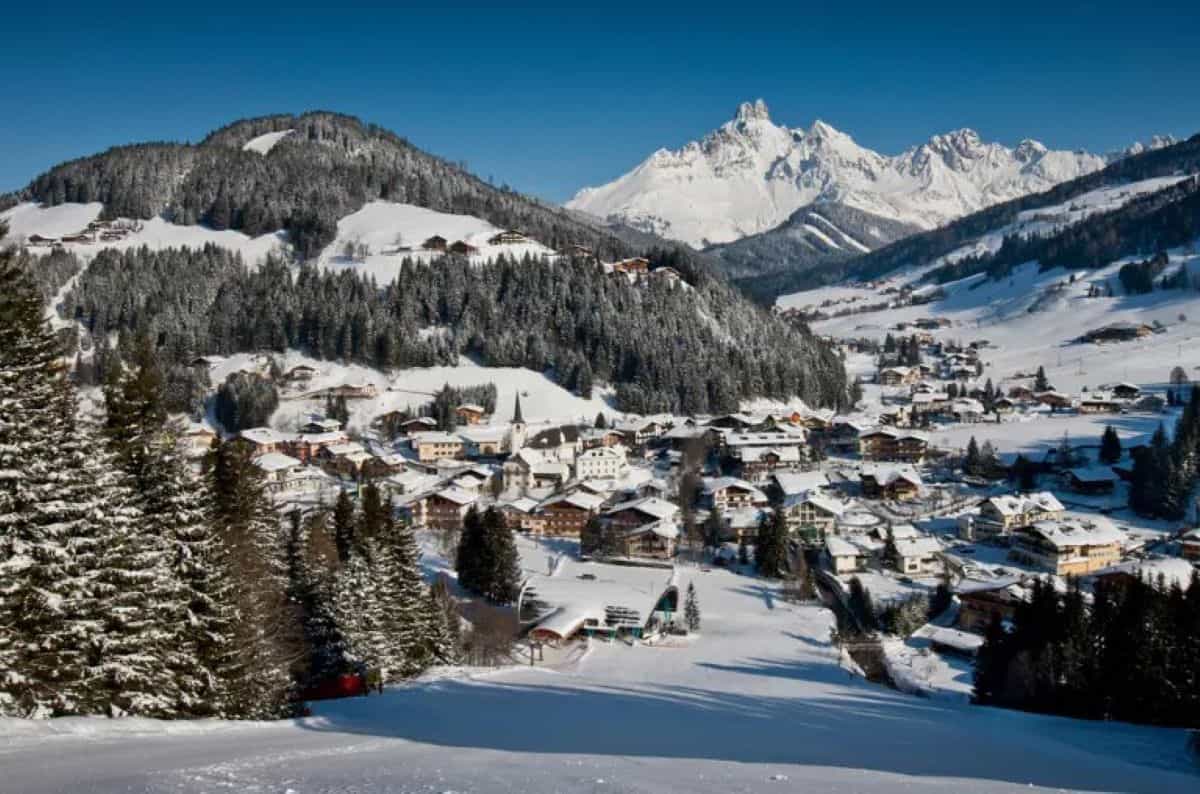
There is something special about seeing the fog go away over the snowy mountains of Austria, where old history from long ago meets the busy world of today. Austria is not a beautiful place to visit; it is an important part of the economy in the middle of Europe. In Vienna there are places where big companies make decisions and in Salzburg there are old streets with small stones underfoot. This country tells a story about being strong about being fancy and, about always trying to get better. Come in. See how moving around buying and selling and the spirit of the mountains are changing things quietly.
Why the Alpine Powerhouse Stands as Central Europe’s Most Dynamic Tourism and Trade Nexus
Austria stands firmly as a premier commercial nexus connecting Western Europe to Central and Eastern Europe (CEE). Backed by official figures from the Austrian Federal Ministry of Labour and Economy (BMWET), Statistics Austria, and the OECD, the intersection of Austria’s phenomenal tourism economy and its broader trade corridors reveals robust growth vectors. Tourism directly and indirectly accounts for 6.5% of Austria’s gross domestic product, generating an impressive value-added output of EUR 33.1 billion. Furthermore, the country recently recorded an all-time high of 157.3 million overnight stays, propelled by 48.2 million total arrivals. Consequently, this vibrant commercial and leisure ecosystem proves that travel and tourism acts as a vital financial heartbeat for the nation.
How Does the Macroeconomic Baseline Fuel the Dynamic Tourism-Trade Nexus Across Vienna and Beyond?
Advertisement
Advertisement
Tourism functions as a structural pillar of the Austrian economy, remaining deeply integrated with its national logistics and corporate trade frameworks. According to the official Austrian Tourism Satellite Account, these leisure and business sectors drive multi-billion-dollar contributions that stabilize regional financial markets. Vienna proudly serves as the operational corporate headquarters for over 412 multinational Central and Eastern European regional offices. Corporate mobility heavily fuels the meetings, incentives, conferences, and exhibitions sector, seamlessly intertwining business travel corridors with high-value hospitality.
Furthermore, this commercial alignment creates an unbroken chain of economic resilience throughout the Alpine republic. Major urban hubs benefit directly from the convergence of international delegates and leisure travelers spending valuable capital. Therefore, the macroeconomic baseline relies heavily on continuous infrastructural support to maintain these high performance metrics.
Advertisement
Advertisement
What Are the Core Growth Opportunities Within High-Yield Luxury and Branded Chain Expansions in Vienna and Salzburg?
Long-haul inbound travel originating from North America and Asia is surging dramatically, favoring luxury and upscale asset classes across the country. Official forecasts indicate that luxury hospitality segments are expanding rapidly, supported by wealth migration and a strategic corporate pivot toward ultra-premium positioning. While traditional Alpine strongholds like Tyrol and Salzburg command over half of all overnight stays, city tourism continues to break records. Specifically, Vienna recently crossed the critical milestone of breaking the 20-million overnight-stay threshold, driving specialized urban trade infrastructure.
In addition, international hotel brands are pouring capital into these prime urban locations to capture high-spending demographic segments. This hospitality boom stimulates local employment, architecture, and luxury retail markets in historic city centers. Consequently, upscale expansion remains a primary engine for modern tourism revenue generation.
How Are Sustainable Infrastructure and Green Transitions Reshaping Rail-Led Mobility and Energy Efficiency Across Innsbruck and Tyrol?
Government incentives for sustainable hotel renovations and strict European Union compliance benchmarks are actively accelerating green-tech investments across Austria’s accommodation sector. Multi-stop travel itineraries are increasingly supported by state-backed rail connectivity upgrades and heavily expanded night-train networks across the Alps. This eco-friendly transformation reduces overall carbon footprints while steering vital tourist volume directly into secondary and tertiary trade regions like Innsbruck and broader Tyrol.
Travelers can now traverse pristine landscapes without harming the delicate natural ecosystems that draw millions of visitors annually. Regional municipalities benefit greatly from this decentralized distribution of tourist traffic, preventing severe congestion in primary hotspots. Thus, green modernization ensures long-term viability for both environmental preservation and commercial profitability.
Advertisement
Advertisement
Why Are Corporate Hubs, Foreign Direct Investment, and Logistics Driving Nearshoring Along CEE Supply Chains in Graz and Upper Austria?
Austria’s highly competitive tax framework features an attractive corporate income tax rate optimized at 23% alongside a lucrative 14% R&D tax credit. These financial advantages continue to draw international trade and logistics providers seeking stable Western European operational bases. Situated perfectly at the geographic intersection of Western capital and CEE manufacturing lines, Austria is scaling up its logistics corridors in key regions like Graz and Upper Austria. This strategic positioning allows regional businesses to manage complex international supply chains seamlessly and efficiently.
Moreover, foreign direct investment inflows create high-paying technical jobs and foster collaborative innovation ecosystems in major commercial centers. Industrial parks near key transport junctions are expanding rapidly to accommodate increased freight and distribution demands. As a result, trade corridors remain exceptionally robust against broader continental economic fluctuations.
What Structural Challenges and Labor Market Pressures Shape the Future Growth of Austrian Hospitality in Hallstatt and Linz?
The accommodation and food-service sectors face acute hiring constraints, with over 90% of employers reporting persistent recruitment hurdles across multiple regions. This labor shortage is driving accelerated investments in automated hospitality technologies and structured vocational training pipelines, including the Red-White-Red Card visa scheme. Concurrently, urban and heritage destinations face complex balancing acts regarding short-term rental laws and localized over-tourism management. Municipal authorities are implementing tighter regulatory oversight in major cultural hubs like Hallstatt, Linz, Salzburg, and Vienna to protect local housing markets.
Despite these hurdles, industry leaders remain proactive in modernizing operational workflows to maintain service excellence. Strategic workforce planning ensures that the tourism sector can sustain its massive scale without sacrificing quality. Ultimately, addressing these structural bottlenecks will secure long-term stability for investors and operators alike.
Advertisement
Advertisement
How Foreign Direct Investment Stocks and Holding Structures Anchor Vienna as Central Europe’s Corporate Command Centre
Austria stands firmly as a premier financial bridge, utilizing robust commercial frameworks to anchor its economic positioning across the continent. According to comprehensive data from the Austrian National Bank and the Austrian Business Agency, cumulative foreign direct investment stock in the nation reaches approximately EUR 210.6 billion. Vienna successfully hosts over 412 multinational Central and Eastern European regional headquarters, leveraging sophisticated group-taxation privileges that allow holding companies to offset foreign subsidiary losses against domestic taxable income. This sophisticated fiscal environment provides a stable springboard for international enterprises navigating complex multi-jurisdictional markets.
Furthermore, these favorable corporate tax structures—optimized at a competitive 23%—combine with more than 90 double-taxation treaties to make Austria the ultimate gateway for global conglomerates. International trade and logistics providers continuously rely on these institutional advantages to manage cross-border commercial supply chains extending deep into Eastern European markets. Industrial parks near key transport junctions expand rapidly to accommodate increased freight and distribution demands, ensuring long-term resilience against broader continental economic fluctuations.
In What Ways Are High-Tech Life Sciences and Biotechnology Clusters Driving Specialized Trade and Inbound Business Mobility?
Innovation ecosystems across the Alpine republic thrive on heavy capital injections directed squarely into research, development, and advanced technological manufacturing. Austria’s dedicated R&D expenditure accounts for roughly 3.34% of national gross domestic product, proudly ranking among the top performers in the European Union. This impressive commitment is further bolstered by a lucrative 14% R&D tax credit designed to reward qualifying corporate investments in scientific discovery. The flourishing life sciences sector alone generates multi-euro-billion turnovers, supported by a specialized talent pipeline supplying over 40,000 highly trained science, technology, engineering, and mathematics graduates annually.
In addition, the rapid commercial expansion of pharmaceutical manufacturing, advanced medical device hubs, and diagnostic laboratories centers heavily around major urban innovation districts. These specialized clusters successfully bridge Western technological assets with emerging clinical trial networks situated throughout neighbouring territories. Foreign direct investment inflows create high-paying technical jobs and foster collaborative innovation ecosystems in major commercial centers, driving continuous inbound business mobility and long-term economic diversification.
Advertisement
Advertisement
What Impact Do Record-Breaking International Arrivals and Visitor Spending Have on Austria’s Hospitality Revenue Chains?
Leisure and corporate travel serve as vital financial lifebloods, injecting continuous liquidity into regional markets and supporting extensive hospitality networks. Verified economic reports indicate that Austria’s broader travel and tourism economy contributes up to 11.0% of national gross domestic product, representing a massive total economic footprint. This thriving sector supports over 524,000 jobs, accounting for more than eleven percent of total national employment. International visitor spending reached phenomenal heights, anchored securely by historic milestones crossing 157.3 million total overnight stays nationwide.
Consequently, these impressive performance metrics establish direct financial feedback loops between high-yield tourism consumption and regional hospitality asset valuations. Luxury retail ecosystems operating seamlessly across urban avenues and historic Alpine destinations benefit immensely from this continuous influx of capital. The resulting economic activity stimulates local employment, architectural modernization, and high-end commercial development, cementing tourism as a primary engine for modern revenue generation.
How Is the Red-White-Red Card Visa Scheme Alleviating Acute Labor Shortages in Austria’s Tourism and Logistics Sectors?
Modern workforce dynamics present severe operational hurdles, with over 90% of hospitality and food-service operators reporting persistent recruitment difficulties across multiple regions. To counteract these acute hiring constraints, government authorities have accelerated investments in automated hospitality technologies and structured vocational training pipelines. A cornerstone of this workforce modernization strategy is the streamlined Red-White-Red Card visa scheme, which fast-tracks qualified non-European Union professionals into critical employment sectors. Overall registered national employment tracks robustly, ensuring that vital service industries maintain baseline operational capacities.
Concurrently, industry leaders remain highly proactive in modernizing daily workflows to maintain uncompromising standards of service excellence without sacrificing operational quality. Strategic workforce planning allows businesses to sustain massive visitor scales while integrating advanced digital solutions to streamline guest experiences. Ultimately, addressing these structural labor bottlenecks secures long-term stability and sustainable growth for investors and hospitality operators alike.
Advertisement
Advertisement
Why Are Rail-Led Multi-Stop Itineraries and Green-Tech Hotel Renovations Redefining Sustainable Alpine Logistics?
Environmental stewardship and ecological preservation drive massive structural upgrades across the nation’s vast accommodation and transport infrastructure networks. State-backed financial commitments worth hundreds of millions of euros actively fund the rapid expansion of premier night-train networks and federal energy-efficiency mandates. These forward-thinking green initiatives target strict carbon-neutral accommodation standards aligned seamlessly with comprehensive European Union environmental compliance benchmarks. Travelers can now traverse pristine landscapes without harming the delicate natural ecosystems that draw millions of visitors annually.
Moreover, these sustainable mobility corridors actively decentralize tourist footfall away from congested primary hotspots into secondary and tertiary trade regions. Regional municipalities benefit greatly from this balanced distribution of visitor traffic, which minimizes localized environmental degradation while maximizing regional commercial profitability. Thus, green modernization guarantees the long-term viability of both natural preservation and heavy commercial transit across the Alpine republic.
In What Capacity Do Vienna’s Startup Ecosystems and Entrepreneurial Hubs Accelerate Cross-Border Digital Trade?
Entrepreneurial dynamism fuels a technological renaissance across major urban centers, transforming traditional commercial hubs into vibrant incubators for digital innovation. Vienna registered over 10,000 new company formations within a single twelve-month monitoring period, averaging a staggering rate of one new business launch every single hour. Venture capital availability and specialized technology incubation spaces have expanded dramatically by more than 35% across urban technology parks. This rapid scaling of digital infrastructure empowers local founders to compete effectively on the global economic stage.
Furthermore, the rise of digital innovation hubs, specialized financial technology accelerators, and business-to-business software enterprises utilizes Austria’s stable regulatory climate. These emerging enterprises seamlessly scale their operations across both mature Western capital markets and dynamic Eastern European technical talent pools. Industrial parks near key transport junctions continuously expand to accommodate these evolving digital freight and distribution demands, keeping trade corridors exceptionally robust.
Advertisement
Advertisement
How Do Municipal Short-Term Rental Regulations and Over-Tourism Policies Safeguard Urban Real Estate Markets?
Urban liveability requires careful regulatory balancing acts to protect local residential communities from the pressures of unchecked commercial expansion. Major Austrian municipalities, including Salzburg and Vienna, enforce strict municipal zoning laws and registration caps that restrict unmonitored short-term holiday rentals. These decisive municipal measures successfully protect residential housing affordability while stabilizing long-term rental indices across historic neighborhoods. Property market indicators show residential price growth stabilizing sustainably near balanced economic thresholds.
In addition, city planners execute sophisticated visitor management policies designed to handle carrying capacities effectively during peak holiday seasons. This proactive oversight prevents severe localized congestion while preserving the authentic cultural heritage that attracts international travelers in the first place. Consequently, maintaining strict regulatory oversight safeguards the long-term integrity of urban communities for both permanent residents and visiting tourists.
What Role Does Geopolitical Neutrality Play in Securing Austria’s Position as an Essential European Logistics Bridge?
Strategic geopolitical positioning provides a unique economic advantage, establishing the nation as a trusted commercial mediator in volatile international environments. Austria’s total trade of goods and services exceeds 107% of nominal gross domestic product, highlighting extreme economic openness and integration. Industrial manufacturing indicators consistently hold above expansion benchmarks, signaling remarkable resilience despite broader continental economic fluctuations. International supply chain managers view this stable operating environment as a premier commercial risk hedge.
Furthermore, the country’s historic neutrality inspires profound confidence among foreign investors seeking secure Western European operational bases for multi-regional logistics management. Energy transit corridors and freight distribution networks operate with minimal disruption, anchored by dependable state-backed infrastructure investments. As a result, trade corridors remain exceptionally strong, cementing Austria’s indispensable status as a premier commercial nexus connecting Western Europe to Central and Eastern Europe.
Advertisement
Advertisement
The Final Verdict
I feel that Austria, standing at the crossroads of Europe leaves a lasting mark, on every person who walks through its alpine valleys and busy city streets. Austria is a place where cathedral bells ring softly while the rhythm of trade never stops showing that history and ambition can go hand in hand.
Frequently Asked Questions
What is the contribution of tourism to Austria’s GDP?
Tourism directly and indirectly accounts for 6.5% of Austria’s GDP, generating a total value-added output of EUR 33.1 billion.
How many overnight stays did Austria record recently?
Advertisement
Advertisement
Austria logged an all-time record high of 157.3 million overnight stays driven by 48.2 million total arrivals.
What tax incentives does Austria offer for foreign direct investment?
Austria features a competitive corporate income tax rate of 23% alongside a 14% R&D tax credit for businesses.
Advertisement
