
Maldives Generates Massive Green Revenue While Modern Travel Practices Safeguard Local Communities And Ocean Waves

Published
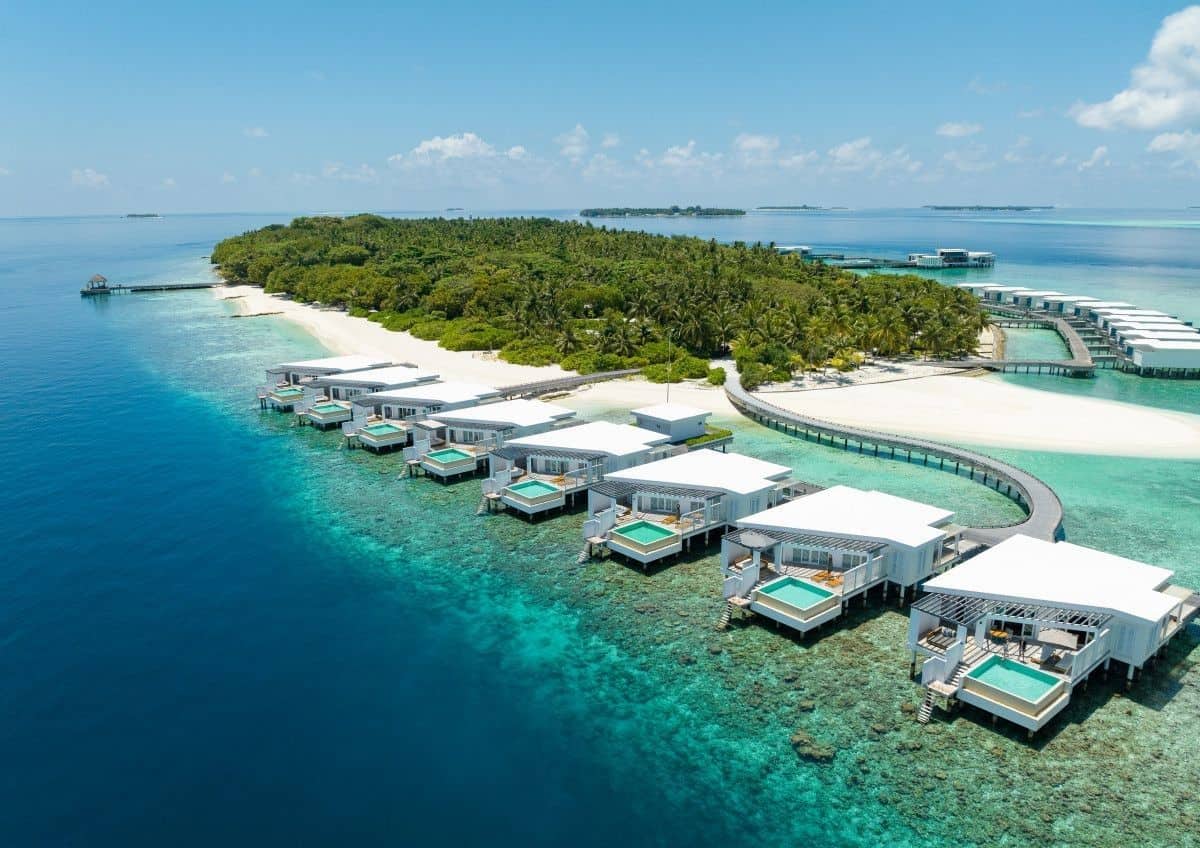
There is something magical about waking up to the gentle splash of turquoise waves kissing powdery white sands in the Maldives a fragile paradise we simply cannot afford to lose. Thankfully travelers visiting this island nation are pouring their hearts into protecting it helping the local administration rake in an inspiring USD 97.3 million in green tax revenue this year. It is deeply moving to witness how every single visitor contributing to this fund is actively playing a part, in safeguarding coral reefs and shielding low-lying coastal communities from rising seas. When we travel with purpose magic happens.
Unpacking the Origins and Purpose of the National Green Tax Framework Established in October 2016
The government of the Maldives originally introduced the national green tax regime back in October 2016, with the primary and visionary objective of establishing a dedicated, highly reliable funding pipeline earmarked exclusively for vital environmental protection initiatives spanning across the entire island chain. Consequently, regional authorities have consistently allocated these specific financial receipts to finance critical infrastructure works on local inhabited islands, which notably include the construction of advanced water supply networks, essential coastal protection defenses, comprehensive sewerage installations, and broader environmental management schemes designed to safeguard fragile coral reefs and marine life. Moreover, this long-standing policy ensures that the burgeoning tourism sector directly contributes to preserving the breathtaking natural beauty of the Maldives for future generations of global visitors and local residents alike.
In addition to safeguarding basic utilities, these specialized green funds have fundamentally transformed how local municipalities handle waste management and climate adaptation strategies across the scattered atolls. Because the Maldives faces unique geographical challenges due to rising sea levels, having a dedicated revenue stream collected directly from international visitors provides an invaluable financial cushion for defensive engineering projects. Furthermore, local communities have witnessed firsthand improvements in public health standards and sanitation facilities thanks to these targeted governmental allocations. Ultimately, the framework established in October 2016 has evolved into a cornerstone of national policy, proving that environmental responsibility and economic vitality can successfully coexist in harmony.
Advertisement
Advertisement
Analyzing the Detailed Breakdown of Current Tax Rates Across Various Accommodation Sectors
Under the current national tax regulations strictly enforced within the Maldives, the state levies a standard daily rate of USD 12 per foreign visitor staying at high-end luxury resorts, integrated tourist hotels, and liveaboard safari vessels. Conversely, international tourists choosing to reside in community-run local guesthouses are subjected to a reduced rate of USD 6 per day, ensuring a well-balanced financial contribution model across diverse lodging categories, while children under the age of two remain completely exempt from these additional charges. Furthermore, recent operational data highlights that the comprehensive tax base currently spans an active pool of 180 resorts, 16 registered hotels, 927 island guesthouses, and 165 liveaboard safari vessels currently operating across the Maldives.
Advertisement
Advertisement
This tiered taxation structure demonstrates a thoughtful approach to socioeconomic equity within the hospitality sector, allowing both luxury travelers and budget-conscious backpackers to contribute meaningfully to ecological preservation. While high-end resort guests shoulder a slightly higher daily levy, the reduced USD 6 rate for local guesthouses ensures that island tourism remains accessible and competitive for smaller independent business owners. Additionally, the inclusion of 165 liveaboard safari vessels and 16 registered hotels guarantees that no commercial segment of the travel industry evades its environmental responsibilities. Ultimately, this diverse tax base provides a steady and predictable flow of income regardless of shifting luxury travel trends.
Evaluating the Global Economic Implications and Travel Industry Impacts for International Visitors
Advertisement
Advertisement
The continued collection of substantial green tax revenues within the Maldives serves as a powerful and influential indicator for the global travel industry, demonstrating how popular tourist destinations can successfully integrate environmental preservation fees into standard travel budgeting without deterring incoming visitors. Consequently, international travelers planning vacations to the Maldives must factor these daily statutory charges into their overall accommodation expenses, which ultimately influences how global tourists evaluate the true cost of sustainable luxury travel in modern times. Ultimately, this proactive financial mechanism employed across the Maldives reinforces a broader worldwide trend where responsible tourism directly empowers local governments to combat climate change, protect vulnerable coastlines, and maintain pristine natural habitats for global explorers.
Looking ahead, the global travel landscape is shifting dramatically toward total transparency, accountability, and ecological mindfulness. As vacationers become more discerning, destinations that implement clear, well-managed environmental taxes like those seen in the Maldives will likely attract more loyal, high-value travelers who care deeply about the planet. Furthermore, travel agencies and independent trip planners must now educate their clients early in the booking process about these mandatory local fees to prevent any financial surprises upon arrival. In conclusion, the remarkable financial milestones achieved in the Maldives prove that combining rigorous environmental stewardship with robust tourism management is not only morally imperative, but also an exceptionally sound economic strategy for island nations worldwide.
Analyzing the Comprehensive Half-Year Performance Metrics and Year-On-Year Growth Trajectory of the National Green Fund in the Archipelago
Recent financial disclosures and official economic records released by the Ministry of Finance and Public Enterprises reveal that green tax collections within the Maldives successfully reached MVR 1.2 billion during the initial six months of the calendar year alone. This impressive monetary threshold demonstrates a robust 8.2 per cent increase over the corresponding fiscal timeframe from previous operational cycles, directly signaling an exceptionally strong density of international tourist arrivals across the scattered atolls. Furthermore, these mid-year fiscal spikes correspond seamlessly with peak vacation seasons and high resort occupancy rates, proving that sustainable taxation can expand concurrently with a booming hospitality sector.
Advertisement
Advertisement
Moreover, this consistent year-on-year financial expansion underscores how deeply ingrained ecological levies have become within the broader economy of the Maldives. Industry analysts frequently point out that mid-year revenue surges provide the state treasury with immediate liquidity, allowing regional authorities to accelerate essential infrastructure projects without waiting for annual budget approvals. Consequently, international travelers visiting the Maldives can take comfort in knowing that their daily environmental contributions immediately translate into tangible macroeconomic stability and proactive ecological maintenance across the entire island nation.
Assessing the Cumulative Impact on the National Green Fund Balance and Secure Treasury Reserves for Climate Action
Beyond short-term collections, total historical inflows channeled into the national Green Fund in the Maldives have successfully accumulated past MVR 1.5 billion to MVR 1.6 billion according to recent consolidated state balance sheets. This substantial capital accumulation has created a heavily guarded, ring-fenced financial reserve dedicated explicitly to long-term ecological preservation and urgent climate adaptation initiatives. Additionally, state financial watchdogs ensure that these accumulated treasury surpluses are managed with absolute transparency, guaranteeing that every dollar collected from foreign visitors goes straight into safeguarding the delicate natural assets of the Maldives.
Furthermore, maintaining a robust national green reserve provides the government of the Maldives with an indispensable financial cushion against unexpected environmental crises or severe weather events. Because the economy relies heavily on pristine natural landscapes, having millions of rupees safely sequestered for conservation guarantees continuous protection for vulnerable coastal zones and marine life. Ultimately, this meticulous fiscal management practiced across the Maldives serves as an exemplary model for other tropical island nations striving to build resilient public treasuries through responsible tourism.
Mitigating Severe Solid Waste Generation Pressures Across Remote Island Atolls and Tourist Resorts
Environmental research and municipal studies indicate that the Maldives generates approximately 350,000 tons of solid waste annually, with the thriving tourism industry accounting for roughly 21 per cent of all generated refuse, including significant volumes of persistent plastics, glass, and organic materials. To combat this mounting ecological challenge, green tax allocations directly subsidize critical waste management infrastructure, advanced incinerators, heavy-duty bottle crushers, and industrial compactors mandated across operating islands. Consequently, these targeted financial injections prevent unsightly accumulation on local beaches and protect the pristine environment of the Maldives from the adverse side effects of mass tourism.
Advertisement
Advertisement
In addition to funding heavy machinery, these environmental revenues support comprehensive recycling education and community cleanup programs across remote inhabited islands in the Maldives. Local municipal councils work hand-in-hand with resort operators to streamline waste transfer logistics, ensuring that refuse from outlying atolls is safely transported to dedicated regional processing facilities. Ultimately, this proactive approach funded by visitor levies transforms potential ecological hazards into manageable, sustainable processes that preserve the natural charm of the Maldives for global travelers.
Evaluating Coral Reef Conservation and Marine Ecosystem Restoration Funded Directly by Tourist Levies
Because breathtaking marine biodiversity serves as the ultimate economic backbone of the tourism product in the Maldives, regional authorities report that conservation financing supports strictly protected marine areas spanning across vital coral reef ecosystems. Within these designated zones, commercial anchoring, destructive dredging, and unauthorized fishing are strictly barred to give fragile coral colonies the best possible chance to regenerate. Furthermore, these specialized funds finance coral gardening projects and reef-monitoring programs designed to protect native marine species across the Maldives from environmental degradation.
Moreover, rising ocean temperatures and periodic global bleaching events pose a severe threat to the underwater ecosystems surrounding the Maldives, making active conservation financing more critical than ever before. Marine biologists utilize green tax allocations to deploy heat-tolerant coral strains, monitor water quality, and establish marine protected areas where endangered sea turtles and reef sharks can thrive undisturbed. Ultimately, travelers exploring the vibrant coral gardens of the Maldives directly contribute to the ongoing survival of these irreplaceable underwater habitats through their mandatory daily environmental fees.
Funding Vital Climate Change Adaptation, Seawall Engineering, and Coastal Protection Defenses
Given that over 80 per cent of the total land area in the Maldives sits less than one meter above mean sea level, millions of dollars in infrastructure funding are funneled directly into building hard engineering defenses, breakwaters, and reinforced seawalls. These formidable coastal structures act as frontline insurance policies against rising sea levels, severe tidal flooding, and intense tropical storm surges that routinely batter vulnerable island communities. Consequently, green tax revenues collected across the Maldives provide the physical fortification needed to secure the long-term survival of low-lying settlements.
Advertisement
Advertisement
In addition to concrete breakwaters, regional planners in the Maldives invest heavily in nature-based coastal defenses, such as beach nourishment, mangrove restoration, and sandbag revetments. These hybrid engineering approaches help dissipate wave energy naturally while preventing devastating coastal erosion during monsoon seasons. Ultimately, international visitors staying at resorts and guesthouses in the Maldives can take pride in knowing that their tourism expenditures directly fund the defensive engineering required to keep island communities safe and habitable for decades to come.
Expanding Access to Clean Drinking Water Desalination and Advanced Modern Sewerage Systems
Comprehensive regional development programs financed through environmental funds in the Maldives target 100 per cent coverage of clean water supply networks and modern wastewater treatment facilities across all local inhabited islands. Historically, local populations relied heavily on vulnerable groundwater lenses and rainwater harvesting, but green tax allocations have enabled the rapid installation of high-capacity desalination plants. Consequently, sustainable tourism taxation directly improves the daily standard of living, public health, and basic sanitation for local residents sharing geographical space with major resort developments in the Maldives.
Furthermore, upgrading underground sewerage systems prevents contaminated wastewater from seeping into the fragile freshwater lenses and surrounding coastal lagoons of the Maldives. This meticulous separation of human waste and clean water infrastructure ensures that local communities and tourist enclaves alike enjoy pristine environmental hygiene standards. Ultimately, the continuous influx of green tax revenue bridges the infrastructure gap between high-end tourism zones and traditional local neighborhoods across the Maldives, fostering equitable and sustainable community development.
Comparing Economic Contributions Across Luxury Resorts Versus Local Community Guesthouses
The national tax framework governs a highly diverse infrastructure spread across the Maldives, featuring 180 luxury resorts, 16 registered hotels, 927 island guesthouses, and 165 liveaboard safari vessels, ensuring that financial contributions scale fairly between high-end luxury spenders and budget-focused travelers. By implementing a thoughtful tiered pricing model—charging USD 12 daily for luxury resort guests compared to USD 6 daily for community guesthouse visitors—the state protects the economic competitiveness of local independent business owners. Consequently, this balanced approach allows boutique guesthouses in the Maldives to thrive while still generating substantial collective revenue for national environmental funds.
Advertisement
Advertisement
In addition, this inclusive tax structure prevents the burden of conservation funding from falling exclusively on ultra-luxury travelers visiting the Maldives, welcoming backpackers and budget explorers into the sustainability fold. Local guesthouse operators find that the modest USD 6 fee is easily absorbed by travelers who appreciate knowing their lodging choice supports local municipal improvements. Ultimately, this equitable financial framework deployed across the Maldives harmonizes commercial tourism interests with grassroots community empowerment, creating a resilient and balanced hospitality ecosystem.
Projecting Future Global Travel Industry Trends and the Rise of Mandatory Eco-Levies Worldwide
Global tourism market research indicates that over 70 per cent of international travelers actively prefer eco-certified destinations, with transparent green taxes rapidly becoming standard practice in major island hotspots stretching from the Caribbean to the Indian Ocean. As ecological awareness reaches unprecedented heights among vacationers, pioneering models like the one established in the Maldives offer a blueprint for nations seeking to balance heavy tourist footfall with rigorous environmental protection. Consequently, global travelers increasingly view mandatory environmental fees not as frustrating financial burdens, but as essential, worthwhile contributions to preserving the pristine beauty of world-class vacation destinations.
Looking forward, travel agencies, international tour operators, and global tourism boards anticipate that transparent eco-taxation will become a defining criterion for discerning explorers choosing their next holiday getaway. Destinations that fail to implement robust environmental management risk losing favor with eco-conscious tourists who demand proof of sustainable governance. Ultimately, the remarkable success observed in the Maldives proves that integrating mandatory green levies into standard travel budgeting protects local ecosystems, satisfies modern consumer expectations, and secures a prosperous, sustainable future for global tourism.
The Final Verdict
Standing on the shores of the Maldives as the sun goes down behind the horizon the sky turns into colors of gold and purple. It makes you realize how special this earth really is. Every single dollar that is collected through taxes is not just a number it is a way to help a beautiful place that is trying to survive. When we take our bags and travel around this planet knowing that we helped keep these waters clean and these islands safe gives a deep feeling of thankfulness. Let us love and take care of the places that make our hearts happy.
Advertisement
