
Mongolia Revives Great Tea Road for Cross-Border Tourism

Published
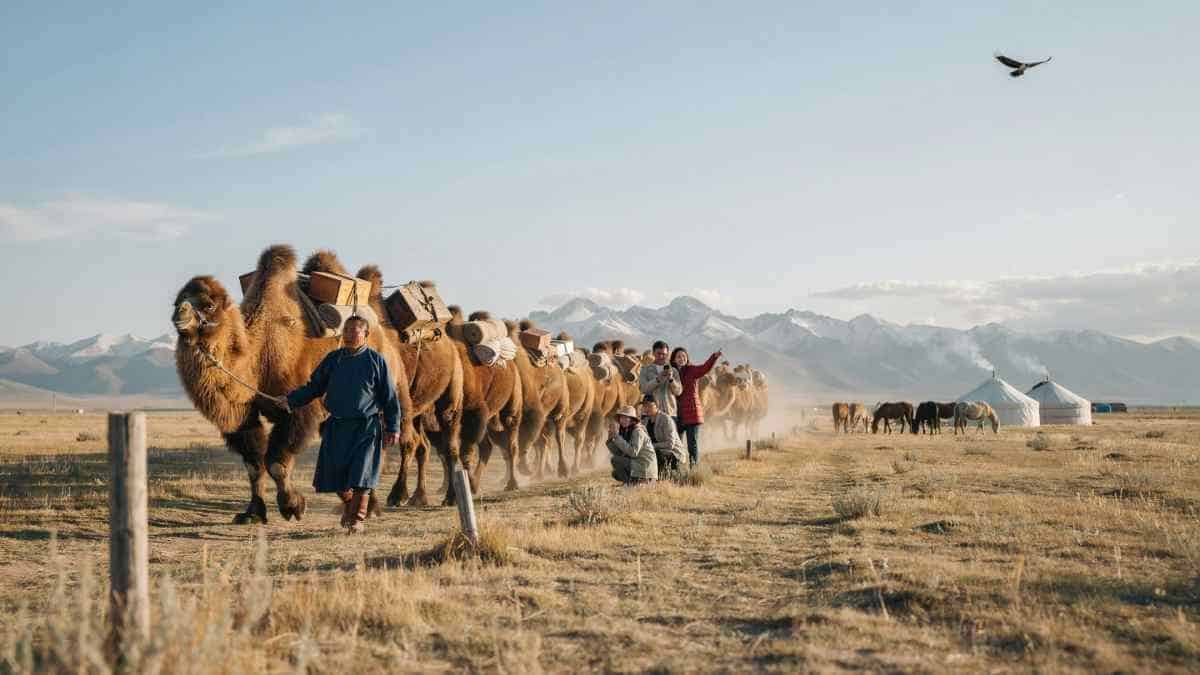
Indeed, the Great Tea Road in Mongolia has become a well-known tourism destination, which gives a unique chance to organise overland trips through the steppe and desert regions of the country. It represents a tourism route connecting Mongolia with China and Russia and is intended to be turned into a tourism route of a specific type. First of all, traditionally, the Great Tea Road connected China with Mongolia and Russia by spanning several thousand kilometres. In its heyday, it was a route up to 13,000 kilometres long, which played a major role in regional trade and cultural exchanges. Now, the modern tourism industry tries to give this route a new life as a tourism route. In this connection, this idea of tourism offers a tourist a chance to travel Mongolia’s Gobi, steppe and capital and along the ancient trade route up to the borders of the country.
Great Tea Road Returns as a Tourism Route
The Great Tea Road is being positioned as more than a historical reference. Tourism cooperation between Mongolia, China and Russia has previously focused on creating a joint tourism programme around the route, including coordinated promotion, tourism products and improved cross-border travel conditions.
More recently, Mongolia and China discussed improved roads and railways, cross-border tourism and the joint development of the Great Tea Road, including cooperation towards possible UNESCO cultural heritage recognition.
This provides a foundation for developing the route as a contemporary travel corridor while preserving its historical identity.
Advertisement
Advertisement
Mongolia Adds Self-Drive Potential
Mongolia is particularly suited to overland tourism because of its enormous open landscapes and relatively low-density settlement outside major population centres.
Self-drive travel can allow visitors to build journeys around the country’s major geographical regions instead of following a single fixed sightseeing circuit. Routes can connect Ulaanbaatar with the Gobi Desert, central steppe landscapes and northern areas before continuing towards border regions.
Advertisement
Advertisement
Designated camping locations and mapped heritage routes would make longer road journeys easier to organise, particularly for travellers using four-wheel-drive vehicles.
For international visitors, the development of structured routes could also make Mongolia more accessible to specialist overland travellers who plan multi-day or multi-week expeditions.
Gobi Desert Becomes Part of the Corridor
The southern section of a modern Great Tea Road journey can connect travellers with the Gobi Desert, one of Mongolia’s best-known natural landscapes.
The desert provides opportunities for visitors to experience sand dunes, rocky terrain, fossil-rich areas and remote communities. Combining these attractions with historical trade-route interpretation can add a cultural dimension to conventional Gobi excursions.
Rather than treating the desert as an isolated stop, an overland corridor could connect it with a much broader journey through Mongolia.
This approach would also encourage travellers to spend more time travelling between destinations instead of concentrating their itineraries around Ulaanbaatar.
Advertisement
Advertisement
Ulaanbaatar Links Steppe and Border Routes
Ulaanbaatar remains the principal gateway for international visitors and an important connection point within Mongolia’s tourism network.
The capital can serve as the starting point for overland journeys heading south towards the Gobi or north towards the Russian border. Historic trade routes associated with the Great Tea Road also passed through the broader Mongolia-China-Russia corridor, linking settlements and commercial centres across the region.
A modern tourism interpretation of the route could therefore connect urban sightseeing with Mongolia’s rural landscapes and historic caravan heritage.
Camping Supports Longer Expeditions
Camping is another important component of Mongolia’s overland tourism potential.
Travellers exploring the steppe often require accommodation options between major settlements, making organised camping locations valuable for longer road journeys. Designated stops could provide predictable points for overnight travel while helping visitors structure routes across remote areas.
The development of camping infrastructure would complement Mongolia’s existing ger-camp tourism model and create additional accommodation choices for self-drive visitors.
Advertisement
Advertisement
It could also support small tourism businesses located along emerging routes.
Cross-Border Travel Adds New Possibilities
The international nature of the Great Tea Road gives the tourism concept a wider significance.
A future cross-border itinerary could allow travellers to experience different sections of the historic corridor across Mongolia, China and Russia rather than limiting a journey to one country.
Such travel would require coordinated border procedures and appropriate vehicle, visa and insurance arrangements, making regulatory cooperation essential for practical self-drive tourism.
The historic route’s revival therefore depends not only on marketing but also on creating workable travel infrastructure between the three countries.
Mongolia Expands Its Adventure Tourism Identity
Mongolian tourism receives a new aspect with the advent of the Great Tea Road concept – historical and overland in its nature. The appeal for tourists here is connected with travelling along a historical route in different environments, from Gobi deserts to steppe areas and northern scenery. In the context of growing cross-border tourism cooperation, the Great Tea Road represents a chance for Mongolia to convert this trading historical legacy into a modern tourist destination. It may offer a framework within which to make self-drive exploration of the remote interior of Mongolia possible.
Advertisement
