
The 17th Hail Camel Auction: Where Ancient Bedouin Culture Meets Modern Tourism
Published
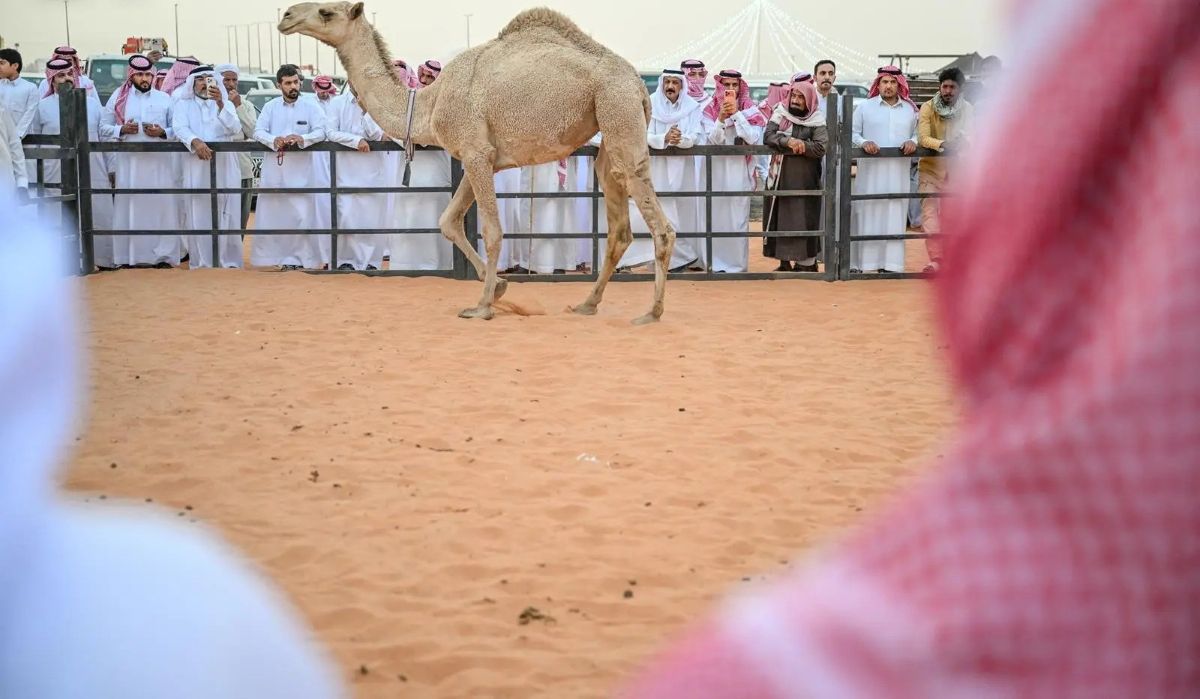
Under the patronage of Hail Region Governor Prince Abdulaziz bin Saad bin Abdulaziz, the 17th edition of the Hail Camel Auction takes place over 10 consecutive days each October in northern Saudi Arabia. Organized by the Tarhal Tourism Cooperative Society under the supervision of the Hail Region Principality, the event bridges ancient Bedouin pastoral traditions with contemporary cultural tourism. Official data reported by the Saudi Press Agency (SPA) confirms the festival venue covers over 130 specialized facilities designed to house and trade upwards of 4,000 camels, drawing more than 160,000 regional and international visitors annually.
Essential Travel FAQs
What is the Hail Camel Auction?
The Hail Camel Auction is an annual 10-day cultural and commercial festival celebrating Saudi Arabia’s intangible heritage. It serves as both a regulated marketplace for prized camel breeds and an open-air cultural forum featuring traditional folklore, crafts, and equestrian arts.
Where does the event take place, and how do visitors get there?
Advertisement
Advertisement
The festival takes place at the dedicated camel festival grounds situated just outside the city of Hail. International visitors fly into Hail Regional Airport (HAS) via domestic connections from Riyadh or Jeddah, with the festival grounds accessible via a 20-to-30-minute taxi or car rental ride along the regional highway corridors.
What entry requirements and ticketing apply to foreign tourists?
Advertisement
Advertisement
International travelers must obtain a Saudi tourist e-Visa prior to departure via the official Visit Saudi portal. General entry to the public auction grounds, cultural shows, and handicraft markets is free, with morning auction sessions starting around 7:00 AM and evening heritage programmes running until 10:00 PM.
Key Event Snapshot
| Category | Official Detail |
| Event Duration | 10 Consecutive Days (Mid-October) |
| Governing Entity | Hail Region Principality & Tarhal Cooperative |
| Capacity & Scope | 130 Commercial Units / 4,000+ Camels |
| Location | Dedicated Festival Grounds, Hail, Saudi Arabia |
| Admission | Free Public Access (Requires Saudi e-Visa) |
| Core Breed Focus | Majaheem (dark, robust), Wadha (white, ornamental), & racing lineages |
Live Commercial Auctions & Breeder Traditions
The operational core of the festival is its high-stakes auction ring. Here, local breeders, private buyers, and commercial agricultural syndicates evaluate specimens across key lineage categories:
Advertisement
Advertisement
- Beauty & Conformation (Mazayen): Large, dark Majaheem and prized white Wadha camels command premier bids based on distinct physical markers—such as long curved necks, wide lips, broad bone structure, and high hump placement.
- Racing Lineages (Hojon): Sleeker, leaner dromedaries valued for athletic endurance and pedigree are evaluated for competitive desert racing.
- Traditional Negotiation: Visitors standing along the bidding rail can observe dynamic, time-honoured hand-gesture bargaining and rapid-fire verbal auctioning, followed by immediate on-site veterinary and microchipping checks administered by Ministry of Environment, Water and Agriculture personnel.
On-Site Heritage Activities
Beyond the trading pens, the festival grounds host designated interactive pavilions:
- Artisan Souk & Leathercraft: Guild artisans demonstrate traditional saddlery crafting, raw leather tooling, and Sadu weaving—the ancient geometric textile practice recognized by UNESCO.
- Equine Demonstrations & Falconry: Scheduled daily performances feature traditional Najdi cavalry displays, javelin-throwing exhibitions, and live poetry recitals (Nabati verse) around communal hearths.
- Cottage Culinary Stalls: Pop-up kitchens operated by regional productive families serve traditional Najdi staples, including Jareesh (cracked wheat slow-cooked with meat and laban), fresh Hail dates, and freshly brewed Arabic coffee infused with cardamom and cloves.
- Educational Pavilions: Interactive modules explain desert survival skills, camel physiology, and historical trans-Arabian caravan networks.
Regional Itinerary Extensions
Visitors attending the auction can combine the event with Hail’s major historical destinations:
- Jubbah & Shuwaymis: UNESCO World Heritage rock art sites showcasing petroglyphs carved thousands of years ago, located within a 90-minute drive of Hail.
- A’arif Fort: An 18th-century mudbrick fortress overlooking the city centre, offering panoramic views of the northern Aja mountain range.
- Faid Historic City: An ancient fortified desert waystation along the historic Darb Zubaydah pilgrimage trail.
Practical Travel Tips
- Attire & Weather: Mid-October temperatures in Hail range from daytime highs of 28°C to cool evening lows of 14°C. Modest, loose-fitting clothing and a light jacket for after-dark events are recommended.
- Payments: Credit and debit cards (Mada, Visa, Mastercard) are widely accepted by food vendors and souvenir stalls, but physical cash (Saudi Riyals) is recommended for smaller artisanal purchases.
Advertisement
