
Netherlands Is Now a Gateway for Riverside Cruises and More River Tourism Across Other European Countries

Updated
Published
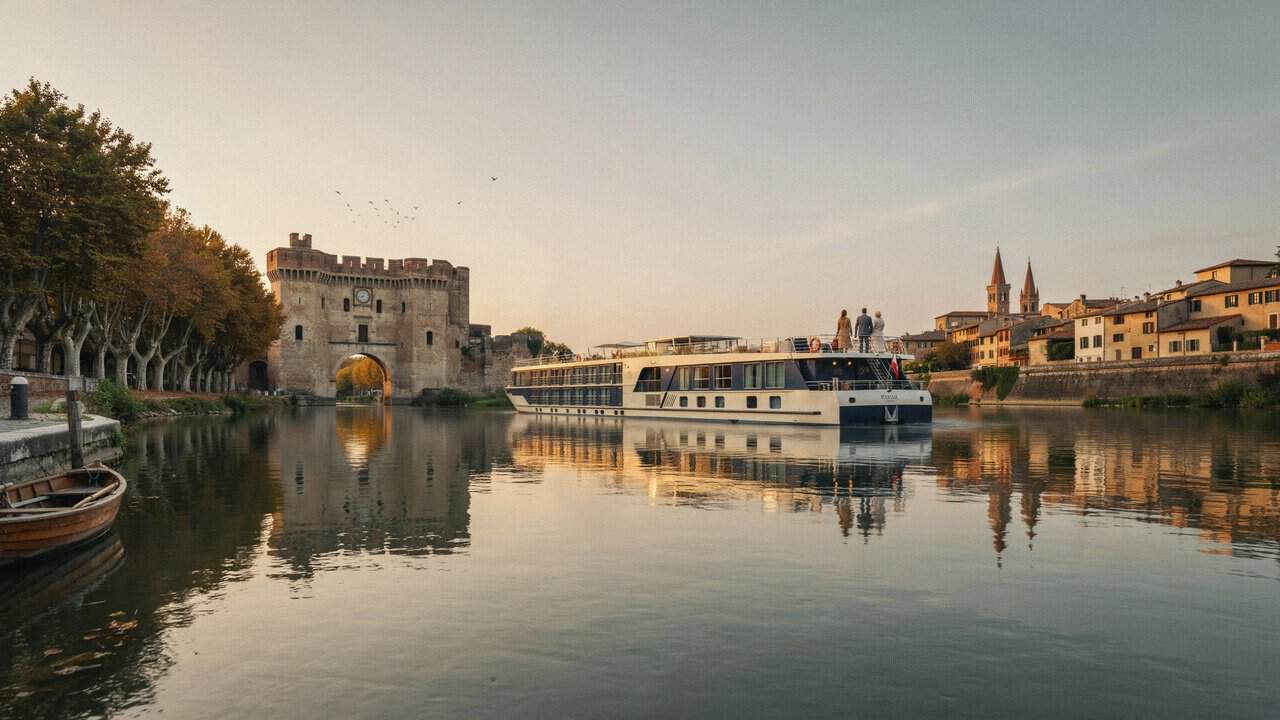
As of 17 September 2026, an active 12-day Amsterdam-to-Basel itinerary is linking the Netherlands, Germany, France and Switzerland through River Tourism. The official listing confirms calls including Cologne, Koblenz, Trier and Strasbourg before Basel. It forms part of a three-vessel programme serving the Danube, Rhône, Saône, Rhine and connected waterways. Luxury European River Cruises give travellers one booking for several destinations, but this is an established product, not a new launch or government measure. No new visa rule applies, although normal Schengen requirements and cruise-passenger protections remain important.
Countries and Evidence Breakdown for River Tourism
The percentages below are an editorial assessment, not official statistics. They reflect the importance and strength of the verified evidence currently available.
Advertisement
Advertisement
| Country or Component | Share of Story | Officially Verified Finding | Relevance to Travellers | Official Source |
|---|---|---|---|---|
| Netherlands | 20% | Amsterdam is the starting point and appears on days one and two | Provides the embarkation gateway and possible pre-cruise stays | Official itinerary |
| Germany | 40% | Most listed calls are in Germany, including Cologne, Koblenz and Trier | Forms the route’s longest destination sequence | Official itinerary |
| France | 15% | Strasbourg is listed on day ten | Adds French cultural and city tourism | Official itinerary |
| Switzerland | 10% | Basel or nearby Huningue is the day-12 endpoint | Provides the disembarkation gateway and possible extensions | Official itinerary |
| Luxury European River Cruises, rules and demand | 15% | EU tourism data and Schengen rules provide the wider setting | Travellers must check documents, rights and transfers | Tourism data and entry guidance |
The shares total 100%. Evidence confirms a four-country itinerary, but not new ships, border rules, passenger totals or measured local spending.
Current Situation
The River Tourism programme remains active across four major river systems. Its Amsterdam-to-Basel route crosses four Schengen countries. A listed departure runs from 28 October to 8 November 2026, subject to operating conditions. No public authority calls it a new initiative.
Advertisement
Advertisement
How the Netherlands, Germany, France and Switzerland Shape the Route
The Netherlands provides the Amsterdam starting point and the first two days. Germany then supplies the longest sequence, including Cologne, repeated Koblenz calls, Bernkastel, Trier, Cochem, Rüdesheim, Mannheim, Speyer and Breisach. This German concentration gives the Rhine and Moselle the largest role in the published programme.
France contributes Strasbourg on day ten, adding a major heritage destination before the journey continues towards Switzerland. Basel forms the scheduled endpoint on day twelve, supporting onward rail, hotel or city-stay planning. These national roles are verified itinerary facts. No official data measure the bookings, jobs, revenue or local spending created in any country.
Advertisement
Advertisement
Chronology of the Development
Europe recorded 747 million international arrivals in 2024, 5% above 2023 and 1% above 2019, according to official reporting. EU accommodation reached 3.08 billion nights in 2025, up 2%. It registered 1.321 billion nights in H1 2026, up 1.7%.
The itinerary was active on 17 September 2026 within this growing market.
Understanding the Context Behind River Tourism
No authority identifies one cause. A bookable premium itinerary is the strongest explanation. European demand supports the setting, while travel rules provide context.
Active Inventory Provides the Direct Trigger
The listing confirms three all-suite vessels across four river systems and verifies 12 days through four countries. Inventory, not public policy, creates the story.
International Demand Supports the Market
International guests generated 46.1 million of 61.5 million additional EU nights in 2025, about 75%. Luxury European River Cruises fit this setting, but official data neither isolate their contribution nor prove causation.
Existing Rules Shape the Journey
Schengen rules determine documents, while passenger rules govern information and some remedies. They shape planning but did not cause the programme.
Advertisement
Advertisement
Itinerary availability is verified; economic outcomes remain unresolved.
Verified Figures and Official Positions
EU accommodation recorded 3.08 billion nights in 2025, 2% more than in 2024. International visitors produced 49% and domestic visitors 51%. Hotels supplied 1.9 billion nights, or 63%. Foreign guests represented 48.9% of H1 2026 nights; their stays rose 2.5% against 0.9% domestically.
EU guidance says non-EU visitors need a passport and may need a visa. Passports should remain valid three months after departure and be issued within ten years. Short stays generally cannot exceed 90 days in 180.
Qualifying inland cruises usually fall under EU passenger rules. Operators must provide service and accessibility information. Cruise guests lack some ferry remedies, including the usual reimbursement-or-rerouting choice after certain disruption.
Tourism and Traveller Impact
The immediate effect is four-country access through one booking. Agents can package rail, flights, transfers and gateway stays. Luxury European River Cruises complement cultural travel, but official figures do not quantify local contribution.
The broader River Tourism effect is analytical. Ports may receive museum, restaurant, winery and tour visitors. These are opportunities, not confirmed changes in spending, bookings or jobs.
Advertisement
Advertisement
Wider Industry and Global Context
Weather and water levels can alter ports and affect independently booked connections.
Ocean-cruise comparisons need caution because vessel capacity and routes differ. European accommodation data provide market context, not river-cruise market share.
Practical Information for Travellers
Non-EU passengers should check visa requirements, passport validity and their personal Schengen-day count. They may need evidence of accommodation, sufficient funds and onward travel. Danube itineraries entering non-Schengen states require separate checks.
All passengers should confirm ports, transfers, accessibility, insurance and disruption conditions. Temporary internal border controls can occur, so documents should remain available. No official guidance currently requires cancellation simply because the route crosses several Schengen countries.
What River Tourism Travellers Should Do Next
International passengers and those with independent connections need accurate document and itinerary checks before departure.
- Confirm the final route, ports and embarkation time.
- Check official visa rules for the passport used.
- Verify passport issue and validity requirements.
- Count Schengen days within the rolling 180-day period.
- Review non-Schengen countries separately on wider routes.
- Check connections against possible schedule changes.
- Read cancellation, insurance and accessibility conditions.
- Keep confirmations, notices and receipts.
Travellers should monitor official guidance and the live itinerary until departure.
Advertisement
Advertisement
Future Outlook
No new vessel launch, policy review or government deadline is confirmed. The next published operational step is the Amsterdam-to-Basel departure scheduled for 28 October 2026, ending on 8 November, subject to conditions.
Travellers should watch voyage details and border notices. Expansion claims remain speculative without formal official announcements.
Europe’s Multi-Country River Travel Outlook
Europe’s River Tourism market offers a practical way to connect major gateways with smaller inland destinations through one itinerary. The verified programme covers several rivers and includes a 12-day journey through four Schengen countries. Luxury European River Cruises may create opportunities for hotels, guides, museums, restaurants and transport providers, but no official source quantifies this programme’s economic effect. Travellers face no new visa or passport rule, although existing Schengen requirements and cruise-specific passenger protections still matter. Future reporting should separate confirmed schedules from speculation and measure local outcomes carefully. Travellers should continue checking official guidance and live itinerary information regularly.
Advertisement
