
United States Travel Gets a Digital Detox Push as Southwest Airlines Turns Burnout Into Holiday Rewards

Published
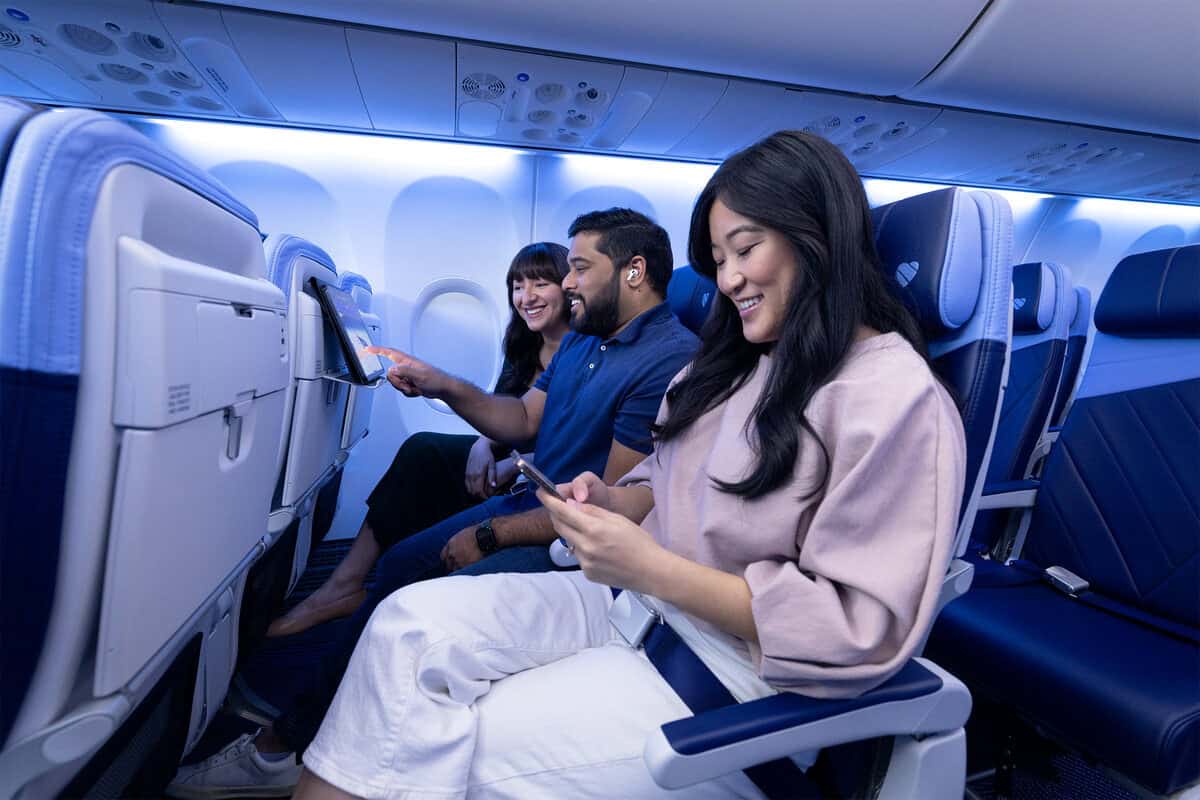
Southwest Airlines has launched a new travel campaign across the United States on 5 October 2026, turning everyday digital overload into an unusual incentive for Americans to take a break and travel. Called “Enter Airplane Mode,” the campaign uses phone notifications, a burnout-themed online quiz and a combined maximum allocation of 187 million Rapid Rewards points to encourage eligible US travellers to consider getting away from packed calendars and always-connected routines. The initiative follows an airline-sponsored survey in which 76% of respondents reported experiencing burnout and 68% believed taking a trip could help them regain control of their time.
The campaign brings together several developments shaping the US travel market in 2026. Americans continue to value holidays, yet affordability is restricting travel for part of the population. At the same time, smartphones, remote work and permanent digital connectivity have made it increasingly difficult for some travellers to leave their everyday routines behind. Southwest is positioning a trip as an opportunity to interrupt that cycle, while using loyalty rewards to turn the idea into a practical travel incentive.
Burnout Is Emerging as a New Travel Marketing Opportunity
The figures behind the campaign help explain why the airline is focusing on the theme. Southwest commissioned an online survey in August 2026 involving more than 2,000 adults aged 18 to 64 in the United States. It found that 76% said they were experiencing burnout, while 68% believed a trip represented one way of regaining control over their time.
These figures should be understood as consumer survey findings rather than medical evidence that travel treats burnout. However, they provide an important indication of how Americans surveyed perceive holidays and personal time. The campaign consequently shifts the conversation away from simply selling a flight and towards selling the opportunity to temporarily leave daily pressures behind.
Advertisement
Advertisement
That approach has wider relevance for tourism. Destinations, resorts, hotels and airlines have long marketed relaxation, but digital overload adds another dimension. A short domestic break, beach holiday, nature trip or city escape can increasingly be positioned around the ability to change routine and spend time away from constant demands.
Phone Notifications Can Now Become Rapid Rewards Points
The most distinctive part of the campaign is called “Notification Vacation.” Instead of asking consumers to ignore the notifications accumulating on their phones, the promotion turns those alerts into a mechanism for earning travel rewards. Eligible Rapid Rewards members can upload a screenshot showing notifications on their phone homepage. Following verification, participants can receive between 1,000 and 10,000 Rapid Rewards points per member, subject to availability and the official promotional conditions. Southwest has allocated a maximum of 150 million Rapid Rewards points to Notification Vacation.
Advertisement
Advertisement
The promotion requires no purchase. It is open to eligible Rapid Rewards members aged 18 and above in all 50 US states and Washington, DC. Each member is limited to one entry, while the points remain available only while supplies last. Daily availability can also be limited.
Burnout Quiz Adds Another 37 Million Points
A second element of the campaign takes the concept further. Rapid Rewards members can complete an online Burnout Quiz, with each eligible and verified completion receiving 500 Rapid Rewards points, subject to availability. Southwest has allocated a maximum of 37 million points to this promotion. Participation is again restricted to eligible Rapid Rewards members aged at least 18 across the 50 states and Washington, DC, with one quiz completion permitted per member.
Together, the two initiatives create a combined maximum promotional allocation of 187 million points.
| Campaign element | Reward | Maximum campaign allocation |
|---|---|---|
| Notification Vacation | 1,000–10,000 points per eligible member | 150 million points |
| Burnout Quiz | 500 points per eligible completion | 37 million points |
| Combined maximum | Individual limits apply | 187 million points |
The 187 million figure represents the total number available across the two promotions. It does not mean an individual traveller can collect that amount. The maximum Notification Vacation award is 10,000 points per eligible member, while the Burnout Quiz provides 500 points for an eligible verified completion.
The Campaign Arrives as US Travellers Face a Cost Squeeze
The push to turn burnout into travel demand comes at a complicated moment for the American tourism market. Deloitte’s 2026 Summer Travel Survey, based on responses from 4,003 Americans, found that just 45% planned a summer holiday involving paid accommodation, the lowest share recorded by the study in six years. Among non-travellers surveyed, 35% said they could not afford a trip, while 32% said travel was too expensive.
Yet Americans who are travelling are not necessarily retreating from spending. Deloitte found travellers expected to spend an average of $4,069 on their longest summer trip, representing an increase of approximately 17% from the previous year. Around one in four surveyed travellers planned to increase their trip budgets significantly, with higher airline and accommodation costs contributing to the increase.
Advertisement
Advertisement
This creates an important contrast for tourism businesses. The desire to escape may remain strong, but the ability to turn that desire into a booking increasingly depends on household finances. Work is also following Americans on holiday. Deloitte found that 34% of surveyed travellers planned to work during their longest summer trip, compared with 23% in 2025. That trend makes the concept of completely disconnecting from everyday responsibilities particularly relevant to current travel behaviour.
Airplane Mode Does Not Necessarily Mean Going Offline
There is also a striking technology angle behind the campaign. While the advertising concept encourages consumers to escape constant connectivity, Southwest is simultaneously expanding the ways passengers can remain connected in the air. Rapid Rewards members can access free onboard Wi-Fi where available on designated Wi-Fi-equipped aircraft. Travellers who are not members can sign up, while Wi-Fi can otherwise be purchased for $8 per device per flight on select aircraft, subject to availability and possible price changes.
The carrier is also introducing Starlink inflight Wi-Fi on designated aircraft. Where available, the service supports streaming, online gaming, cloud-file access and real-time work collaboration, with connectivity available from take-off to landing. “Enter Airplane Mode” should therefore be interpreted primarily as a travel-marketing concept about mentally stepping away from routine rather than an instruction for passengers to spend their entire journey disconnected from the internet.
Southwest Uses Its US Network to Turn the Idea Into Travel
The scale of Southwest’s operation gives the campaign considerable reach. The airline reports serving 120 airports across 12 countries and carrying more than 134 million customers during 2025. It also had more than 73,000 full-time-equivalent active employees as of 30 June 2026.
The airline also cites US Department of Transportation origin-and-destination data through the fourth quarter of 2025 in support of its position as the carrier transporting more passengers on nonstop domestic US journeys than any other airline. That domestic footprint is particularly relevant because the campaign does not depend on convincing Americans to plan complicated international holidays. Weekend trips, domestic city breaks and short leisure journeys can all fit the wider proposition of reclaiming personal time.
Digital Detox Is Becoming Part of the Travel Value Proposition
Southwest’s campaign ultimately illustrates a shift in the language airlines can use to stimulate leisure demand. Traditional airline marketing focuses heavily on fares, destinations, schedules, route networks and onboard services. “Enter Airplane Mode” adds another proposition: travel as an opportunity to interrupt the pressures of everyday life.
Advertisement
Advertisement
The commercial challenge is clear. Survey findings suggest substantial interest in taking time away, but wider US data show that travel costs remain a major obstacle for some households. At the same time, the boundary between work and holidays continues to blur, with more travellers expecting to work during their trips. For airlines and the wider US tourism industry, that creates an evolving opportunity. The destination still matters. The fare still matters. Connectivity still matters. But increasingly, the time travellers hope to reclaim once they leave home may become part of what the journey itself is selling.
Advertisement
