
Russia Adjoins UK, Germany, France and More as Egypt Builds Tourism Momentum With Europe Supplying 69.2% of Arrivals

Published
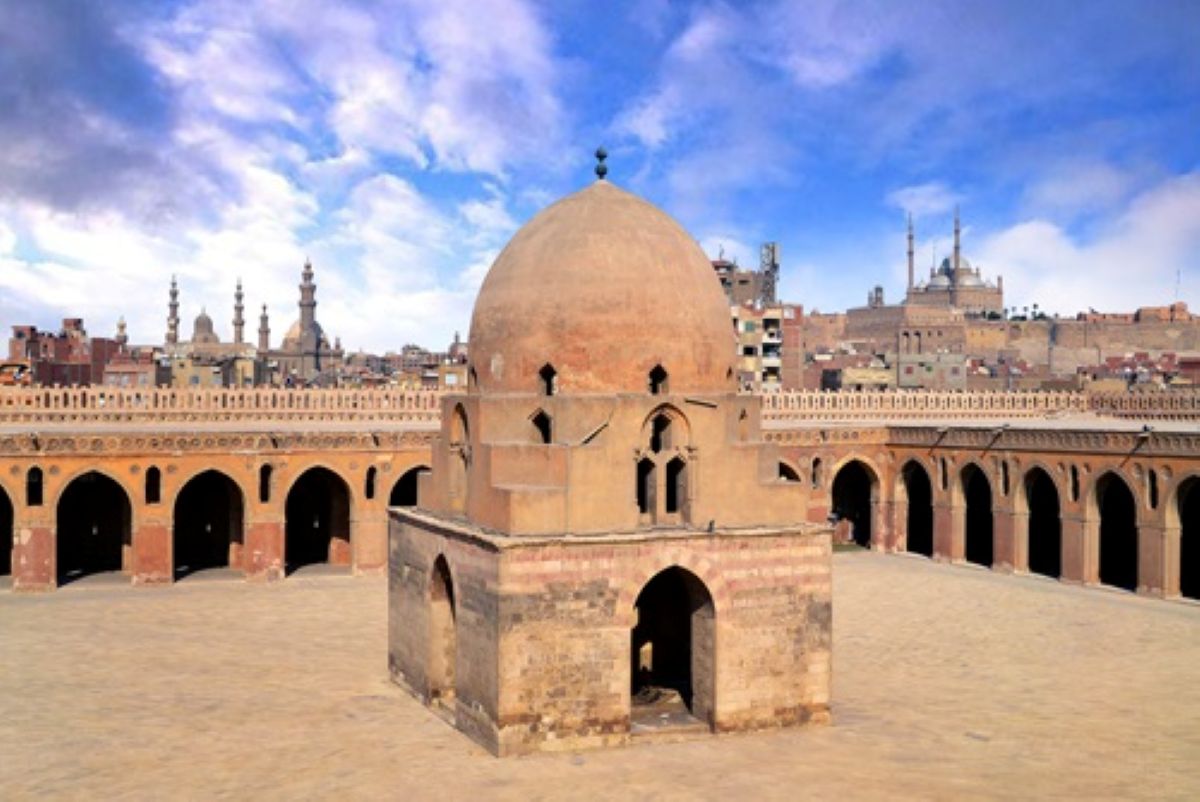
Image Credit: Egy Monuments
Russia Adjoins UK, Germany, France and More as Egypt Builds Tourism Momentum With Europe Supplying 69.2% of Arrivals because Russia is identified as Egypt’s leading individual source market, with Germany ranking second, while European markets collectively account for about 69.2% of tourist arrivals. Egypt welcomed nearly 19 million tourists in 2025, up 21% from 2024, and recorded 12.7 million arrivals in January–August 2026, an increase of 4.1%. The figures show why Europe remains central to Egypt’s tourism momentum as the country works towards its 20 million visitor target. At the same time, Egypt is expanding hotels, air connectivity and tourism experiences to support demand from established and emerging markets.
Advertisement
Advertisement
Why is Russia so important to Egypt’s tourism growth?
Russia is the most important individual source market identified in the latest Egyptian government reporting. The government states that Russia ranks first among Egypt’s tourism markets, with Germany following in second place. At the same time, European markets collectively account for approximately 69.2% of tourist arrivals.
The strength of the Russian market is also evident from earlier official figures. Egyptian government reporting states that approximately 1.6 million Russian tourists visited Egypt in 2024. The market has remained particularly important for Egypt’s leisure destinations, especially its Red Sea resorts.
Advertisement
Advertisement
This gives Russia a strategic role in Egypt’s tourism expansion. A strong Russian market provides a substantial visitor base, while continued European demand gives Egypt a broader foundation for growth.
However, Russia is not the only driver. Germany ranks second, and Egypt is simultaneously working to strengthen other European and international markets.
Advertisement
Advertisement
The government’s broader approach is therefore based on maintaining major established markets while developing additional sources of demand.
How dominant are European markets in Egypt’s tourism economy?
Europe is the central regional engine behind Egypt’s current tourism performance.
Advertisement
Advertisement
Official Egyptian government reporting says European markets accounted for approximately 69.2% of total tourist arrivals during the July 2025–March 2026 period.
That percentage is important because it demonstrates that Egypt’s tourism growth is not dependent on one country alone. Russia may be the leading individual market, but the combined European market is far larger.
The strategy also gives Egypt access to different types of travellers. European visitors contribute to beach holidays, cultural tourism, Nile cruises and other tourism products.
Egypt’s government has been trying to diversify its tourism offering, including cultural, leisure, entertainment, spiritual, eco-tourism, adventure and medical tourism.
Advertisement
Advertisement
This diversification allows Egypt to market different destinations and experiences to different source markets.
For the 20 million target, maintaining strong European demand is therefore crucial.
How is the United Kingdom contributing to Egypt’s tourism expansion?
The United Kingdom is an important market within Egypt’s wider European tourism strategy, although the government information supplied here does not establish the UK as the third-largest source market.
That distinction is important for accurate reporting.
Instead, the official evidence shows that Egypt is strengthening air connectivity between the UK and major Egyptian destinations. Government reporting states that Jet2 and Jet2holidays announced 14 direct weekly flights from several UK cities to Sharm El-Sheikh and Hurghada, representing approximately 169,000 seats during the first year.
This additional connectivity matters because air capacity directly affects the number of travellers who can reach Egyptian resorts.
Advertisement
Advertisement
The UK market is particularly relevant to Egypt’s Red Sea tourism strategy. Direct flights to destinations such as Hurghada and Sharm El-Sheikh make beach and leisure holidays more accessible.
Rather than relying solely on existing demand, Egypt is therefore using aviation expansion to create additional capacity for future growth.
Why does Germany remain a major source market?
Germany is identified by the Egyptian government as the second-largest source market after Russia.
Its importance reinforces the central role of European tourism in Egypt’s growth strategy.
Germany provides a substantial established market for Egyptian tourism, particularly because Egypt offers a combination of warm-weather holidays, cultural attractions and resort experiences.
The government has not provided, in the supplied official material, a current 2026 German arrival total that would justify assigning a specific numerical figure to the market.
Advertisement
Advertisement
That limitation should be retained in reporting.
What can be stated confidently is that Germany ranks immediately behind Russia in the latest official government source-market assessment.
Together, Russia and Germany demonstrate the importance of major European markets to Egypt’s tourism strategy.
The wider 69.2% European share further confirms that the continent remains the principal regional source of international visitors.
How quickly is Egypt’s tourism sector growing?
Egypt entered 2026 following an exceptionally strong 2025.
The country welcomed nearly 19 million tourists in 2025, representing 21% growth compared with 2024. The government described the result as one of Egypt’s strongest tourism performances.
Advertisement
Advertisement
The progression is significant:
| Year | Tourist arrivals | Change |
|---|---|---|
| 2024 | About 15.7m | — |
| 2025 | Nearly 19m | +21% |
| 2026 target | 20m | About +5.3% on 2025 |
Egypt therefore needs roughly one million additional tourists to move from nearly 19 million in 2025 to its 20 million 2026 target.
That required increase is significantly smaller than the 21% growth achieved in 2025.
The challenge is maintaining momentum despite regional geopolitical uncertainty.
What do the 2026 arrival figures reveal about Egypt’s progress?
Egypt’s latest figures suggest that growth has continued into 2026.
The country received 6.1 million tourists during January–April 2026, compared with 5.7 million during the same period in 2025. That represented a 7% increase.
Advertisement
Advertisement
By January–August, arrivals had reached 12.7 million, compared with 12.2 million during the corresponding period of 2025. That represents approximately 4.1% growth.
Tourism revenue also increased.
| Measure | Jan–Aug 2025 | Jan–Aug 2026 | Change |
|---|---|---|---|
| Tourist arrivals | 12.2m | 12.7m | +4.1% |
| Tourism revenue | $11.8bn | $12.0bn | +1.7% |
The figures show that Egypt is continuing to expand, although revenue growth has been slower than arrival growth.
How is Egypt increasing hotel capacity for future tourism?
Accommodation capacity is another major part of Egypt’s tourism strategy.
The Egyptian government’s Information and Decision Support Center reported 185 hotels with approximately 46,000 rooms under construction in 2026.
The development pipeline has expanded rapidly:
Advertisement
Advertisement
| Year | Hotels under construction | Rooms under construction |
|---|---|---|
| 2022 | 85 | 21,300 |
| 2023 | 103 | 24,900 |
| 2024 | 109 | 26,200 |
| 2025 | 143 | 33,900 |
| 2026 | 185 | 46,000 |
Between 2025 and 2026, the number of hotels under construction increased by approximately 29%, while rooms under construction increased by roughly 36%.
This expansion is directly relevant to Egypt’s source-market strategy.
More visitors require more accommodation, particularly in major resort and cultural destinations.
How is Egypt using new attractions to attract international visitors?
Egypt is also expanding its tourism proposition beyond its traditional attractions.
The Grand Egyptian Museum is a major component of the country’s cultural tourism strategy. It officially opened in November 2025.
During its experimental operation, government reporting said the museum received approximately 5,000–6,000 visitors a day. By April 2026, government reporting cited approximately 15,000 visitors daily.
Advertisement
Advertisement
The museum strengthens Cairo’s cultural tourism offer and complements nearby attractions, particularly the Giza Pyramids.
At the same time, Egypt is developing Red Sea resorts, Nile cruises, archaeological destinations, Mediterranean locations and newer tourism areas.
The government has also highlighted New Alamein and the North Coast as emerging tourism markets, with the area attracting visitors from more than 100 nationalities.
This diversification can help Egypt attract different types of travellers from different countries.
Why is air connectivity critical to Egypt’s tourism growth?
Tourism growth depends heavily on international aviation capacity.
Egyptian government reporting states that tourist flights operated from 193 cities worldwide to Egyptian destinations during 2025.
Advertisement
Advertisement
The government is also investing in airport modernisation and additional capacity.
In August 2026, President Abdel Fattah El-Sisi reviewed plans to upgrade airports, increase capacity and improve passenger services. The Presidency said the investment was designed to keep pace with continued international tourism growth.
This infrastructure is essential if Egypt wants to convert demand from Russia, Germany, the UK, France and other markets into actual arrivals.
More seats and routes create greater access to Egyptian destinations.
What does Egypt’s tourism growth mean for travellers?
For travellers, Egypt’s expansion could produce a broader choice of destinations and accommodation.
The traditional tourism circuit remains important, including Cairo, Giza, Luxor, Aswan, Hurghada, Sharm El-Sheikh and Marsa Alam.
Advertisement
Advertisement
However, the government is also promoting the Mediterranean and North Coast, Nile cruises and newer destinations.
This means travellers can increasingly combine different experiences.
A visitor might choose a cultural journey around Cairo and Upper Egypt, a Red Sea resort holiday, a Nile cruise or a combination of these products.
The growth strategy also places greater emphasis on sustainability, digitalisation, staff training and visitor experience.
These measures matter because rapid growth can place additional pressure on infrastructure, attractions and tourism services.
Conclusion
Russia Adjoins UK, Germany, France and More as Europe Drives 69.2% of Egypt’s Tourist Arrivals because Egypt’s tourism expansion is strongly supported by European markets, with Russia identified as the leading individual source market and Germany ranking second. European markets collectively accounted for approximately 69.2% of tourist arrivals in the latest government assessment. Egypt entered 2026 after welcoming nearly 19 million tourists in 2025, then recorded 12.7 million arrivals during January–August 2026, up 4.1%. The country is combining source-market development with new hotels, stronger aviation connectivity, cultural attractions and diversified tourism products. The strategy supports the immediate 20 million visitor target, while Egypt’s longer-term ambition is to reach 30 million annual tourists.
Advertisement
Advertisement
Comment from Anup Keshan, Founder and Editor-in-Chief of Travel And Tour World
“Egypt’s tourism growth story is increasingly shaped by the strength of its European markets. Russia’s leading position and Germany’s second-place ranking demonstrate the importance of established source markets, while the 69.2% European share shows how central the continent is to Egypt’s visitor economy. What makes the strategy particularly significant is the investment taking place alongside this demand. New hotel capacity, stronger air connectivity, the Grand Egyptian Museum and expanding coastal destinations are increasing Egypt’s ability to accommodate and attract international travellers. The 20 million target therefore rests on more than marketing alone. It reflects a wider effort to build capacity, diversify experiences and strengthen Egypt’s position in global tourism.”
Image Credit: Egy Monuments
Advertisement
