

Vietnam Airlines Signs Airbus A350-900 Agreement to Boost Long Haul Fleet Capacity and International Connectivity

Published
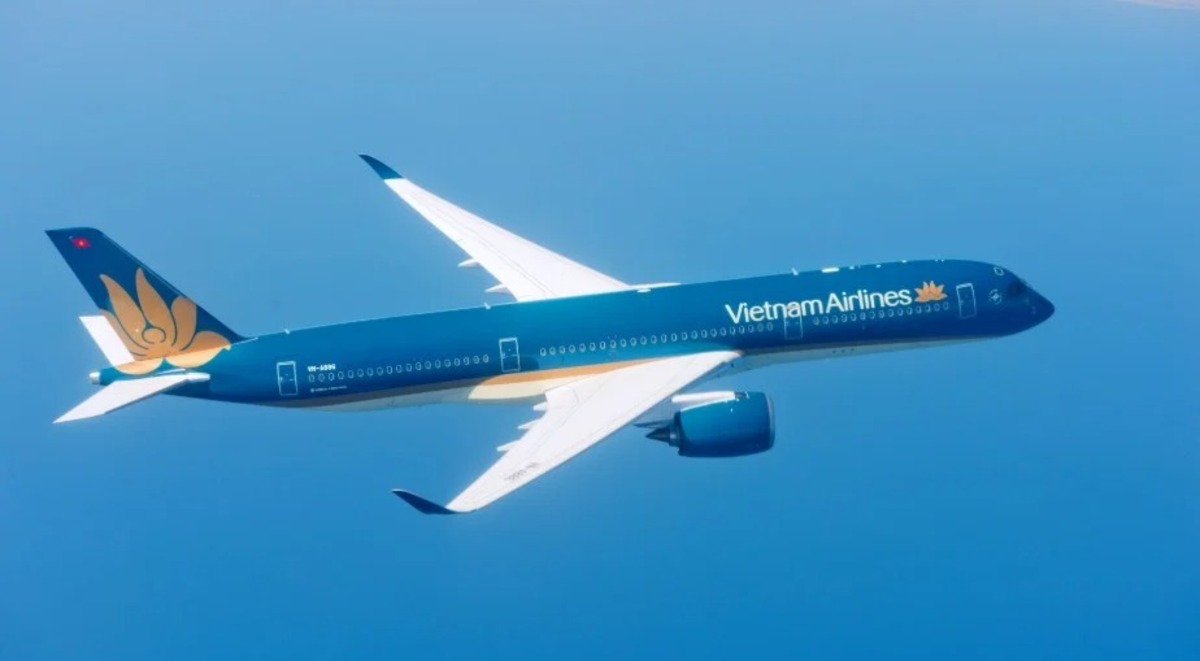
Vietnam Airlines has strengthened its long-term international expansion strategy after signing a memorandum of understanding with Airbus for five additional A350-900 wide-body aircraft. The agreement marks another major step in the airline’s future fleet development plans and reinforces its long-standing cooperation with the European aircraft manufacturer.
The memorandum was exchanged in Paris in the presence of Vietnamese General Secretary and President To Lam and French President Emmanuel Macron, reflecting the importance of the aviation partnership between Vietnam and France.
The planned aircraft acquisition is expected to support Vietnam Airlines’ long-term growth ambitions beyond 2030, as the carrier prepares to increase capacity across medium- and long-haul international routes.
Vietnam Airlines Plans Major Wide Body Fleet Expansion Beyond 2030
The agreement with Airbus forms part of Vietnam Airlines’ wider strategy to modernise and expand its international fleet. The airline has identified the investment in 30 additional wide-body aircraft after 2030 as a key priority in its future development roadmap.
Advertisement
Advertisement
The planned expansion is designed to provide greater operational flexibility as international aviation continues to recover and passenger demand develops across global markets.
Wide-body aircraft play an essential role in supporting long-distance connectivity because they allow airlines to operate routes linking major cities across continents. For Vietnam Airlines, strengthening its wide-body fleet is considered an important step towards improving international network capacity and maintaining competitiveness in the global aviation market.
Advertisement
Advertisement
The memorandum signed with Airbus does not represent a final aircraft purchase agreement but provides a framework for both sides to continue discussions and assess the commercial, technical and operational requirements associated with the potential acquisition.
Before any final investment decision is completed, Vietnam Airlines will need to complete the necessary procurement procedures and evaluate factors including financing, aircraft delivery planning, operational requirements and regulatory approvals.
Advertisement
Advertisement
Airbus A350 Remains Central to Vietnam Airlines International Operations
The proposed five A350-900 aircraft build on Vietnam Airlines’ existing experience with the Airbus wide-body model.
The airline currently operates 14 Airbus A350 aircraft, which have become an important part of its long-haul operations. The aircraft has been deployed on international services connecting Vietnam with key overseas markets, supporting the carrier’s efforts to maintain efficient and modern long-distance operations.
Vietnam Airlines introduced the A350-900 into its fleet in 2015 and became the second airline in the world to operate the aircraft type.
Since entering service, the A350 has helped Vietnam Airlines strengthen its international network while offering operational advantages associated with newer-generation wide-body aircraft. The aircraft is recognised for its fuel efficiency, advanced technology and suitability for long-haul operations.
Advertisement
Advertisement
The continued focus on the A350-900 also allows Vietnam Airlines to build on its existing technical knowledge and operational experience rather than introducing an entirely new wide-body aircraft type.
Fleet Stability Supports Future International Growth
As Vietnam Airlines prepares for future network expansion, maintaining fleet stability has become a central part of its long-term planning.
Introducing new wide-body aircraft requires extensive preparation. Airlines must consider multiple operational areas, including aircraft financing, maintenance capability, pilot training, cabin crew preparation, spare parts management and airport infrastructure requirements.
By continuing to invest in a familiar aircraft family, Vietnam Airlines can benefit from greater operational consistency. Existing experience with the A350 can support smoother integration of additional aircraft into the airline’s future fleet structure.
The proposed fleet expansion is expected to provide additional capacity options as the airline evaluates opportunities across international markets.
Vietnam Airlines has also continued using leased aircraft to meet shorter-term capacity requirements. Leasing provides airlines with greater flexibility by allowing them to adjust capacity according to market conditions while preparing larger fleet investments over the long term.
Advertisement
Advertisement
This balanced approach enables Vietnam Airlines to address immediate operational needs while continuing strategic planning for future growth.
Strong Vietnam Airlines Airbus Partnership Continues
The latest memorandum further strengthens the relationship between Vietnam Airlines and Airbus, which has developed over several years through aircraft operations, technical cooperation and fleet support.
Vietnam Airlines currently operates 81 Airbus-built aircraft. The fleet includes 67 aircraft from the A320 family and 14 A350 aircraft, highlighting the airline’s significant experience with Airbus products.
The continued partnership provides advantages in areas such as aircraft maintenance, technical support and operational planning.
Fleet commonality is also an important consideration for airlines because operating similar aircraft types can simplify training programmes, maintenance procedures and technical management.
For Vietnam Airlines, expanding its A350 fleet could help maintain a consistent wide-body operating structure while supporting future international route development.
Advertisement
Advertisement
The airline’s existing Airbus fleet experience provides a strong foundation as it evaluates additional aircraft investments for the next phase of growth.
Airbus A350 Strengthens Position in Global Aviation Market
The A350 remains one of Airbus’ leading long-haul aircraft programmes and has established a strong presence among international airlines.
By the end of August 2026, 733 A350 aircraft were reported to be in service worldwide, demonstrating the aircraft’s importance in the global wide-body aviation sector.
The aircraft has been selected by airlines seeking modern long-range capabilities, improved efficiency and greater passenger comfort.
For Vietnam Airlines, the continued adoption of the A350-900 reflects its focus on maintaining a modern international fleet capable of supporting future travel demand.
The proposed aircraft agreement with Airbus therefore represents more than a fleet addition. It forms part of a broader strategy aimed at preparing the airline for long-term international growth and improving connectivity between Vietnam and global markets.
Advertisement
Advertisement
Future Fleet Strategy Supports Vietnam Airlines Global Ambitions
The memorandum between Vietnam Airlines and Airbus highlights the carrier’s commitment to developing a stronger long-haul network in the years ahead.
The five proposed A350-900 aircraft will now undergo further evaluation as both sides continue discussions on commercial and technical details.
As international aviation becomes increasingly competitive, airlines are focusing on fleet efficiency, operational reliability and network expansion to meet changing passenger expectations.
For Vietnam Airlines, future wide-body investment will remain a key component of its strategy to strengthen international connectivity and support sustainable growth beyond 2030.
The agreement with Airbus represents an important milestone in that journey, providing the foundation for continued cooperation and future fleet development.
Advertisement
