

Canada And US Releases Another Travel Advisory For Saudi Arabia Following Flight Cancellations And Escalating Security Threats

Published
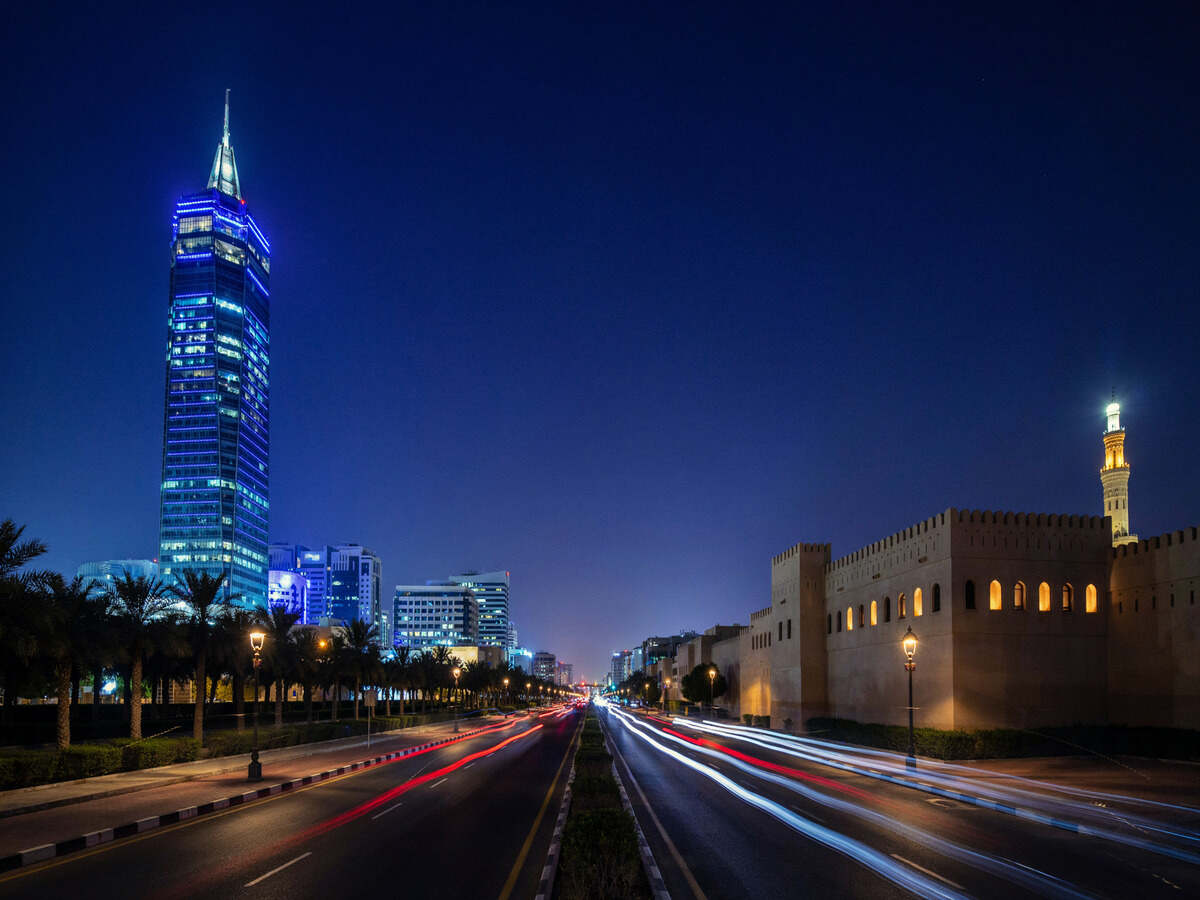 Image generated with Ai
Canada & US issue Travel Advisories as yet Another Missile Attack Hits Riyadh Airport. There has been an immense change in the travel world during the past week due to a very tense security situation in the Middle Eastern region. Following the massive military attack carried out on King Khalid International Airport (RUH) in Riyadh, both the Canadian government and the US Department of State have issued travel advisories.
For corporate expatriates, international tourists, and transit passengers, the message from North American authorities is unequivocal: the operational and security environment in Saudi Arabia is highly volatile, and immediate precautions must be taken. With hundreds of flights canceled, civilian casualties mounting, and airspace becoming increasingly hazardous, here is a comprehensive breakdown of the escalating threats, the precise directives issued by the US and Canada, and what travelers need to know to stay safe.
Advertisement
Advertisement
The Catalyst: The October 2026 Riyadh Airport Attacks
The immediate trigger for these emergency travel alerts was a catastrophic escalation in regional hostilities. On October 10, 2026, a deadly missile strike directly hit a complex housing Terminals 3 and 4 at King Khalid International Airport, designated primarily for domestic flights.
The aftermath of the strike was chaotic and deeply tragic. According to verified reports from the ground, the attack resulted in 12 fatalities. The casualties highlight the international nature of the airport, claiming the lives of four Saudi citizens, two Bangladeshi nationals, and one citizen each from the United States, Jordan, Palestine, Syria, Sudan, and Egypt.Over 300 individuals were injured in the blast and the subsequent panic, prompting a massive emergency response as dozens of ambulances flooded the tarmac.
Advertisement
Advertisement
This was not an isolated incident. The October 10 tragedy followed a harrowing week for Saudi aviation. Just days prior, on October 8, a Saudia Airbus A320 was heavily damaged and burned out while parked at a terminal after being struck by what Houthi rebels claimed was a ballistic missile.Earlier strikes on October 6 and 7 targeted both Riyadh and Abha International Airports, resulting in additional casualties.
Paralyzed Airspace: Mass Flight Cancellations
The immediate consequence of the terminal strikes has been the near-total paralysis of one of the Middle East’s busiest aviation hubs.
Advertisement
Advertisement
Following the October 10 attack, airport operations were completely suspended. Flight-tracking platforms like Flightradar24 and FlightAware recorded massive disruptions, with incoming flights being abruptly diverted to alternate destinations.
❖ 225+ Cancellations: Within a single 24-hour period, over 225 flights bound for or departing from Riyadh were canceled outright.
❖ International Carrier Pullouts: Major European and international carriers, including the Lufthansa Group, immediately suspended all flights to Riyadh.
❖ Airspace Warnings: Rebel military spokespersons have issued broad warnings to global airlines, declaring Saudi airspace a theater of military operations and urging a total cessation of commercial flights.
Both US and Canadian authorities are strictly advising their citizens not to travel to the airport to check on the status of their flights. All inquiries must be handled remotely via airline portals or travel agents to avoid crowding the hazardous airport perimeter.
How the United States is Alerting Travelers
In response to the fatal strike that claimed an American life, the U.S. Mission in Saudi Arabia and the Department of State have moved aggressively to lock down the movements of U.S. personnel and warn private citizens.
Advertisement
Advertisement
The United States has maintained its overarching Level 3 Travel Advisory (Reconsider Travel) for the entirety of Saudi Arabia. However, the granular directives issued in the October emergency alert reveal a much stricter reality on the ground.
Stringent Protocols for U.S. Government Employees
The U.S. has placed severe geographical leashes on its official personnel, signaling the high threat level:
- The 20-Mile Rule:U.S. government employees are strictly forbidden from traveling within 20 miles of the Yemen border.
- Airport Authorization: Official personnel can no longer freely use King Khalid International Airport; they must obtain special security authorization prior to any travel through RUH.
- Restricted Provinces:Special permission is now explicitly required for U.S. staff to enter the provinces of Jizan, Asir, and Najran, as well as the coastal and inland cities of Qatif, Yanbu, and Taif.
Actionable Directives for U.S. Citizens
For private American citizens, expats, and tourists, the U.S. Embassy has outlined critical survival and evasion tactics during this period of heightened aerial bombardment:
- Shelter Dynamics: In the event of an aerial attack or the sound of sirens, citizens are instructed to immediately distance themselves from glass doors, large windows, and outdoor spaces where shrapnel from intercepted missiles could fall.
- Crowd Evasion: Travelers must avoid all large gatherings, public demonstrations, and areas exhibiting a heavy police or military presence.
- Communication Readiness: Phones must remain fully charged at all times, pre-programmed with the emergency contact numbers for the U.S. Embassy in Riyadh and the Consulates General in Jeddah and Dhahran.
How Canada is Alerting Travelers
The Government of Canada has mirrored the urgency of its southern neighbor, updating its own risk assessments and providing stark warnings to Canadians currently residing in or traveling to the Kingdom.
Advertisement
Advertisement
Canada’s official stance has been elevated to advise against all non-essential travel to Saudi Arabia, citing the volatile regional security situation, the ongoing Iran conflict spillover, and the unpredictable nature of drone and missile strikes.
Canada’s “Avoid All Travel” Red Zones
While the national advisory suggests reconsidering travel, the Canadian government has designated specific “Red Zones” where they mandate citizens avoid all travel unconditionally:
- King Khalid International Airport:Avoid the entire airport facility and its immediate surrounding perimeters in Riyadh due to active military threats.
- The Southwestern Provinces:Absolute travel bans are recommended for the provinces of Asir, Jazan, and Najran.The risk of falling military debris from intercepted drones is critically high in these areas.
- The Yemen Border:Canadians are instructed to stay at least 30 kilometers away from any area bordering Yemen, citing cross-border skirmishes, violent clashes, and unpredictable spillovers.
Furthermore, Canada has urged its citizens to establish robust contingency plans that do not rely on the Canadian government for emergency evacuation. Should commercial airspace close entirely, citizens are expected to shelter in place and secure their own safety until commercial routes reopen.
The Hidden Threat: Social Media and Military Debris Laws
Beyond the physical danger of falling rockets, both the U.S. and Canadian advisories have highlighted a severe legal threat that many travelers overlook: Saudi Arabia’s strict laws regarding digital conduct and military debris.
Following the surge in aerial interceptions, Saudi authorities issued a stern public warning regarding the documentation of attacks.
Advertisement
Advertisement
❖ The Debris Mandate: If a traveler encounters military debris, drone fragments, or unexploded ordnance on the street or near a facility, they must move away immediately and notify local authorities.
❖ The Filming Ban: It is strictly illegal to film, photograph, or document the impact sites of missiles, drones, or the activation of Saudi air defense systems.
❖ Severe Legal Liability: Both the U.S. and Canada warn that publishing, sharing, or even “liking” content related to these attacks on social media can result in immediate arrest.Saudi cybercrime laws are vigorously enforced, and travelers can face deportation, massive financial penalties, or prison sentences extending up to 45 years for social media activity deemed disruptive to public order or national security.
Foreign passports offer no immunity from these laws. Both North American governments have clearly stated they cannot guarantee the release of citizens detained under Saudi cybercrime or national security legislation.
The joint updates from Canada and the United States paint a picture of a region on high alert. The tragic events at King Khalid International Airport serve as a grim reminder that aviation hubs and civilian infrastructure remain deeply vulnerable to the broader geopolitical conflicts gripping the Middle East.
For anyone currently in Saudi Arabia, or possessing upcoming travel itineraries, the time for complacency has passed.
Advertisement
Advertisement
- Register with your Embassy:U.S. citizens should immediately enroll in the Smart Traveler Enrollment Program (STEP), and Canadians should utilize the Registration of Canadians Abroad (ROCA) service.
- Rethink the Itinerary: Cancel any non-essential business or leisure trips to the Kingdom until the airspace stabilizes and the threat of drone strikes diminishes.
- Stay Offline: Erase or refrain from posting any content related to the military conflict, the airport strikes, or the Saudi government.
New travel warnings have been issued for Saudi Arabia by both Canada and the US due to the attacks and mass cancellation of flights at the Riyadh airport.
The message coming out of Washington and Ottawa in light of these attacks and mass cancellation of flights is clear and straight forward – your safety is paramount; avoid the targeted areas at all cost.
Advertisement
