
Epochal GCC Tourism Visitor Growth Reshapes Sovereign Frontiers Across Qatar, Saudi Arabia And Other Countries

Published
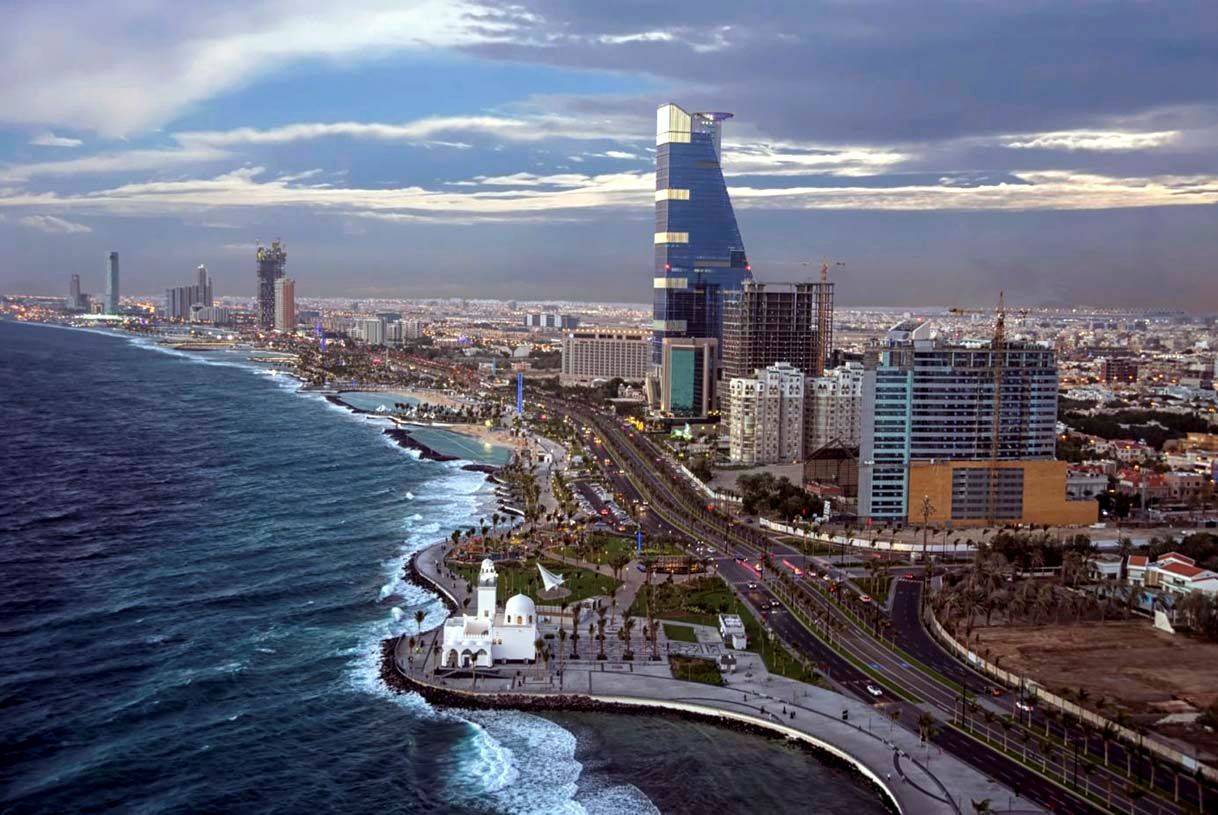
The latest GCC tourism visitor growth data reveals historic arrivals across Qatar, Saudi Arabia, UAE, Oman, and Bahrain. Intra-regional travel drives this significant economic momentum. Official data from regional statistical authorities confirms sustained expansion. Overseas feeder markets like Europe and Asia also show strong increases. Regional cooperation frameworks have systematically boosted cross-border travel.
Saudi Arabia Leads Regional Expansion
Saudi Arabia records consecutive record-breaking quarterly inbound tourism figures. Data from the Ministry of Tourism confirms expanding leisure and religious travel. The ambitious Vision 2030 strategy underpins this rapid sector transformation. GCC countries represent the primary driver of inbound international arrivals. Regional land and air routes account for over 35 to 40 percent of total visitors.
Advertisement
Advertisement
Asia and Oceania form the second-largest feeder market for the Kingdom. Key source countries include India, Pakistan, and Bangladesh. European and American markets follow closely in total arrival share. The expansion of the Saudi Instant e-Visa accelerates international bookings. Transit visa schemes further boost short-stay passenger numbers.
United Arab Emirates Records Sustained Growth
Dubai Department of Economy and Tourism reports steady year-on-year visitor increases. International overnight visitors grew consistently throughout recent reporting periods. Department of Culture and Tourism Abu Dhabi confirms matching positive trends. The GCC and MENA region maintains a dominant market share of 28 to 32 percent. Regional travellers view the UAE as a premier leisure destination.
Advertisement
Advertisement
Western Europe and South Asia remain the top non-GCC source regions. The Americas and Eastern Europe contribute substantial visitor volumes as well. Luxury hospitality infrastructure continues attracting high-spending international tourists. Expanded flight connectivity supports strong long-haul passenger arrival numbers.
Sultanate Of Oman Capitalises On Regional Mobility
National Centre for Statistics and Information data confirms sustained arrival growth. Land border checkpoints and international airports report rising passenger numbers. Peak winter months generate substantial tourist traffic across northern provinces. The Dhofar Khareef season attracts thousands of regional visitors annually.
Advertisement
Advertisement
GCC nationals constitute over 50 percent of total inbound visitors to Oman. Land border entry points like Hafeet and Wajajah handle heavy traffic volumes. Asian residents form the second-largest tourist demographic visiting the Sultanate. European tourists represent a major share of winter charter arrivals. Cruise ship calls at Muscat and Salalah boost seasonal visitor tallies significantly.
Kingdom Of Bahrain Sees Strong Causeway Traffic
Bahrain Tourism and Exhibitions Authority data reveals strong year-on-year growth. Inbound traffic increased across air, sea, and land border entries. The Information and eGovernment Authority verifies these positive arrivals figures. The King Fahd Causeway remains the primary entry conduit for regional visitors.
Advertisement
Advertisement
GCC countries dominate Bahrain inbound tourist traffic overall. Saudi Arabia heads the regional source market mix for short-stay leisure travel. Regional visitors account for roughly 75 to 80 percent of total arrivals. Asia and Europe represent the fastest-growing non-GCC secondary markets. MICE events and long-haul air connectivity propel this secondary growth.
Qatar Tourism Sets New Benchmarks
Qatar Tourism official reports confirm 2.614 million visitors during early 2026. Inbound visitors arrived through land, air, and sea entry points. September visitor numbers rose 1.1 percent year-on-year to 276,000 travellers. GCC nations led overall arrival share with 1.069 million visitors. Regional travellers comprised 40.9 percent of total inbound tourist traffic.
Asia and Oceania formed the second-largest market block at 21 percent. European markets generated 20.6 percent of total visitor volume. The Americas contributed 7.3 percent of international arrivals to Qatar. Continuous promotional efforts strengthen Qatar position as a cultural destination.
Official Regional Tourism Data Summary
This data reflects official filings from regional ministries and national statistical agencies.
Advertisement
Advertisement
| Member State | Primary Authority | Dominant Source Region | Key Entry Conduits |
| Saudi Arabia | Ministry of Tourism / STA | GCC (35–40%), South Asia | Land borders, Regional flights, E-Visa |
| UAE (Dubai/Abu Dhabi) | DET Dubai / DCT Abu Dhabi | GCC/MENA (28–32%), W. Europe | DXB/AUH Airports, Regional air corridors |
| Oman | NCSI / Ministry of Heritage | GCC (>50%), South Asia, Europe | Hafeet/Wajajah borders, Cruise ports |
| Bahrain | BTEA / iGA | GCC (75–80%), Asia, Europe | King Fahd Causeway, BAH Airport |
| Qatar | Qatar Tourism | GCC (40.9%), Asia (21%), Europe | Abu Samra border, Hamad Intl Airport |
Key Structural Drivers Behind Gulf Mobility
Streamlined border controls systematically enhance cross-border travel efficiency. The unified GCC Tourist Visa framework simplifies multi-destination itineraries. This initiative replicates the European Schengen visa model for Gulf nations. Seamless travel agreements connect Saudi Arabia, UAE, Qatar, Oman, Kuwait, and Bahrain.
Modern land border infrastructure handles substantial overland traffic volumes. Abu Samra border post facilitates high-volume transit into Qatar. The King Fahd Causeway connects Saudi Arabia directly to Bahrain. Rub al-Khali border crossing links Saudi Arabia with Oman directly. Targeted airline route expansions boost long-haul passenger inflows into the region.
Traveller Helpfulness
How does this regional trend assist modern international travellers? Unified visa policies reduce administrative paperwork for multi-country trips. Tourists can explore multiple Gulf nations on a single visa application. Enhanced land border checkpoints cut waiting times for cross-border road trips. Increased airline competition provides more flight choices and competitive fares.
Industry stakeholders gain valuable market intelligence from these official figures. Hotel chains can optimize seasonal inventory based on GCC holiday calendars. Tour operators can design joint multi-destination packages for European visitors. Infrastructure planners use border flow metrics to guide capital investments.
Conclusion On Regional Economic Synergies
Economic diversification programmes continue transforming the Gulf travel ecosystem. Intra-regional travel strengthens local economies and protects against global volatility. National tourism strategies align to create an integrated regional destination. Official data confirms sustained GCC tourism visitor growth across all member states. The region solidifies its status as a major global travel crossroads.
Advertisement
