
Belize Economic Booms And Sustainable Travel Strategies Are Redefining Modern Caribbean Luxury And Global Tourism Standards Forever

Published
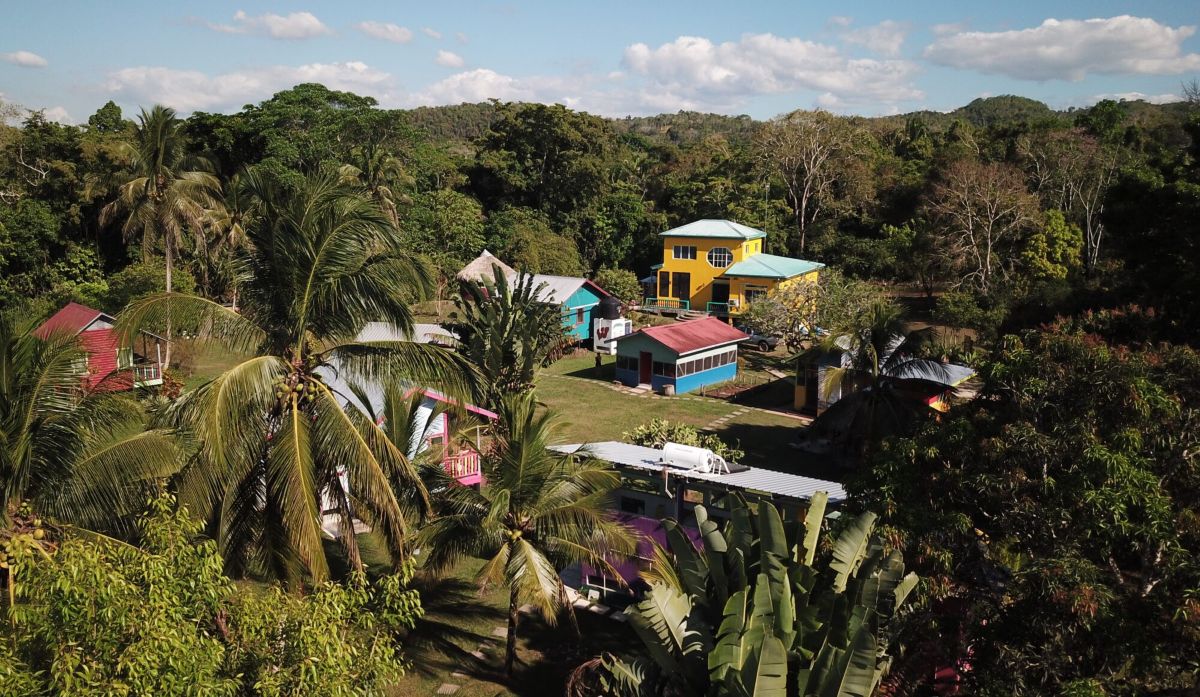
I remember stumbling onto a dock in Central America many years ago watching the sun melt into water that was so blindingly turquoise it seemed almost unreal. That raw heart-stopping magic is what is driving an economic awakening across Belize today. Far from falling into the trap of mass tourism this lush coastal paradise is rewriting the rules of modern wealth. By weaving ecological conservation directly into its national GDP strategy Belize proves that breathtaking beauty and booming business can share the same breath. The transformation, in Belize is high-stakes and you cannot afford to ignore the transformation.
How Is The Macroeconomic Impact Of GDP And Employment Growth Reshaping Belize?
Tourism functions as one of Belize’s primary export economies and foreign exchange earners. According to economic evaluations and multilateral assessments, travel and tourism directly and indirectly account for a substantial share of Belize’s GDP. The direct contribution hovers around 12% to 15%, while the total contribution incorporating supply chains, capital investment, and induced income pushes past 35% to 40% of total economic activity.
Following broader post-pandemic economic recoveries, Belize’s GDP growth surged significantly, supported by a robust growth rate driven predominantly by tourism, trade, and transport sectors. The sector remains a massive employer, supporting over a third of the nation’s total labor force when combining direct hospitality roles with indirect sectors like food production, transport, and leisure. Consequently, thousands of families across urban hubs and rural enclaves alike now rely on this thriving economic engine for their daily livelihoods.
Advertisement
Advertisement
Beyond primary financial numbers, the expansion generates powerful multi-sector multiplier effects across regional supply chains. Agricultural producers, local transport networks, artisanal craftspeople, and coastal fisheries directly profit from elevated tourism demands, which distributes wealth beyond major municipal centers.
This widespread employment growth effectively stabilizes household incomes and supports continuous public investment in critical infrastructure, healthcare, and education throughout the country.
Advertisement
Advertisement
What Strategic Partnerships Are Driving The Unstoppable Rise Of Belize?
Belize’s tourism resurgence is deeply anchored in deliberate structural frameworks and cooperative partnerships. Collaborations with institutions like the Inter-American Development Bank and the Food and Agriculture Organization have supported the execution of the National Sustainable Tourism Master Plan.
Advertisement
Advertisement
Public-private partnerships play an equally vital role, with the Belize Tourism Board collaborating closely with private hotel conglomerates, local tour operator cooperatives, and conservation NGOs to ensure that expansion does not compromise ecological assets. Strategic alliances with major international legacy carriers and regional tourism boards have expanded direct flight frequencies from key hubs in the United States and Canada, easing access for high-value overnight visitors. Ultimately, these synchronized global networks ensure that Belize maintains its competitive edge while keeping its infrastructure meticulously regulated and resilient.
These collaborative networks extend further into institutional capacity building and technical resource allocation. Multilateral partners provide structural funding for sustainable civil projects, climate resilience assessments, and workforce training programs tailored to ecotourism.
Simultaneously, co-managed conservation initiatives ensure that tourism revenue directly finances marine and terrestrial protection strategies, establishing a self-sustaining financial cycle between visitor growth and environmental preservation.
Why Is Sustainable Travel Transformation At The Core Of Belize’s Success?
Advertisement
Advertisement
Unlike destinations that lean into mass tourism, Belize has made conservation its defining market differentiator. Belize leverages its world-famous natural assets—including the Belize Barrier Reef Reserve System and the Great Blue Hole—under strict marine protection frameworks. Sustainable tourism guidelines protect these UNESCO World Heritage sites from over-exploitation, ensuring their breathtaking beauty remains pristine for generations to come.
Rather than concentrating visitors solely in high-traffic coastal zones like Ambergris Caye, the National Sustainable Tourism Master Plan actively promotes distinct regional nodes such as the Cayo District and Placencia. This thoughtful decentralisation distributes economic benefits equitably to rural and indigenous communities while mitigating environmental strain. Furthermore, Belize enforces stringent environmental compliance measures for new hospitality builds, championing low-impact infrastructure, renewable energy integration, and waste-reduction mandates across resorts and tour providers.
This structural focus on low-volume, high-impact travel protects vulnerable habitats while increasing average visitor spending. By enforcing strict environmental standards, Belize attracts conscious international travelers who value eco-friendly accommodations and authentic cultural experiences.
Moreover, community-led tourism initiatives empower local custodians to protect inland rainforests, ancient Mayan heritage sites, and fragile coastal mangroves, ensuring long-term ecological balance and lasting national prosperity.
How Has Expanded Air Connectivity And Airport Infrastructure At Philip Goldson International Airport Fueled Record-Breaking Inbound Visitor Growth In Belize City?
Airline logistics serve as the absolute backbone of the national tourism boom across Belize City. Philip Goldson International Airport manages approximately 105 international arrivals each week across direct routes connecting 20 major global cities. Direct flight integration seamlessly links critical international hubs like Seattle, Los Angeles, New York JFK, Toronto, and Calgary via major legacy carriers such as American, Delta, United, and WestJet. Consequently, this robust logistical framework drastically reduces travel friction for international travelers seeking pristine Caribbean escapes. Furthermore, ongoing runway modernizations and terminal expansions ensure that the country can comfortably accommodate high-volume passenger influxes without compromising service quality.
Advertisement
Advertisement
The strategic enhancement of aviation capacity directly correlates with rising high-yield overnight tourism metrics. By streamlining inbound transit corridors, visitors from North America and beyond can easily reach coastal getaways and interior rainforest lodges. This uninterrupted connectivity forms an essential pillar of the broader national economic strategy. Ultimately, efficient airport infrastructure transforms geographical isolation into an accessible luxury market.
Why Is International Source Market Diversification Across North America And Europe Protecting Belize From Global Economic Volatility?
Targeted source market diversification prevents economic vulnerability by distributing visitor demographics across multiple international regions. While the United States remains the dominant market accounting for roughly 70% of overnight arrivals, strategic expansion efforts recently generated a 28.5% spike in Canadian travelers and a 2.4% rise in European visitors. Total tourist arrivals crossed the impressive 1.37 million threshold nationally, demonstrating robust global appeal. Consequently, this multi-market strategy buffers the local economy against localized recessions or currency fluctuations within any single feeder nation.
Broadening the visitor base encourages longer average lengths of stay and more stable year-round occupancy rates for local hoteliers. Tourism boards actively tailor marketing campaigns to distinct cultural preferences, highlighting eco-adventure for Europeans and seamless winter getaways for Canadians. This deliberate geographic spread optimizes foreign exchange earnings while stabilizing the national labor force. Ultimately, a diversified tourist portfolio guarantees steady financial inflows across every fiscal quarter.
What Financial Differences Exist Between High-Yield Overnight Stopover Travelers And Cruise Ship Passengers Across Coastal Ports Like Belize City And Harvest Caye?
Monetization metrics vary sharply between transient cruise passengers and long-term stopover guests exploring coastal ports like Belize City and Harvest Caye. Stopover overnight visitors accounted for over 187,290 arrivals in a single quarter, with overnight tourists staying an average duration of 10.6 days and generating over 80% of total tourism expenditure. Conversely, cruise passengers contribute shorter, high-density foot traffic with significantly lower daily per-capita spending footprints. Consequently, national policymakers prioritize overnight infrastructure to maximize sustainable economic yield without overwhelming municipal resources.
Advertisement
Advertisement
Understanding these expenditure dynamics allows tourism planners to optimize resource allocation across different hospitality sectors. Overnight visitors patronize local independent restaurants, guided jungle excursions, and boutique eco-lodges, directly enriching grassroots communities. Meanwhile, regulated cruise tourism provides supplementary baseline income for coastal craft vendors and port operators. Ultimately, balancing these two distinct traveler segments ensures comprehensive financial distribution across the entire service economy.
How Are Strict Environmental Protection Frameworks Protecting The UNESCO-Listed Belize Barrier Reef Reserve System From Over-Exploitation?
Environmental management frameworks safeguard critical UNESCO World Heritage natural assets against the pressures of rapid tourism expansion. Strict marine reserves and protection zones carefully shield the Belize Barrier Reef Reserve System—spanning nearly 7 distinct conservation sites—and the iconic Great Blue Hole. These legally binding guidelines prevent commercial over-exploitation, ensuring that delicate coral ecosystems and marine biodiversity thrive amidst rising visitor numbers. Consequently, ecological preservation directly reinforces the country’s reputation as a pristine, unblemished diving and snorkeling sanctuary.
Active marine zoning mandates strict catch-and-release protocols, mooring buoy usage, and vessel speed limits within sensitive reef perimeters. Conservation rangers collaborate closely with local tour cooperatives to monitor water quality and coral health metrics continuously. This proactive environmental defense guarantees that natural capital remains intact for future generations of travelers. Ultimately, strict regulatory compliance proves that ecological stewardship and lucrative tourism can harmoniously coexist.
In What Ways Is Decentralized Regional Tourism Across The Cayo District And Placencia Distributing Economic Wealth To Indigenous Communities?
Regional decentralization channels economic benefits away from saturated coastal hubs into vibrant interior and southern districts. The National Sustainable Tourism Master Plan actively redirects investments away from high-density hotspots like Ambergris Caye which holds over 21% of national hotel rooms—toward emerging nodes like the Cayo District and Placencia. This intentional geographic shift empowers rural and indigenous communities by integrating them directly into the cultural and eco-tourism supply chain. Consequently, economic prosperity reaches deep into agricultural villages and remote valley settlements rather than concentrating solely in beach resorts.
Advertisement
Advertisement
Decentralized nodes offer diverse travel experiences ranging from ancient Mayan archaeological tours to immersive agro-tourism farm stays. Travelers seeking authentic cultural engagement spend money locally on hand-carved crafts, traditional dining, and community-led river expeditions. This grassroots distribution mitigates environmental strain on fragile marine ecosystems by dispersing foot traffic across diverse terrestrial landscapes. Ultimately, regional inclusion fosters long-term social stability and equitable national development.
What Green Building Standards And Room Capacity Targets Are Reshaping The Eco-Resort And Hospitality Real Estate Market Across Belize?
Hospitality real estate scaling requires rigorous adherence to modern green building codes and sustainable accommodation targets. Master plan projections target hotel infrastructure expanding toward 13,754 total hotel rooms nationwide, backed by strict eco-certification mandates. These mandates require mandatory renewable energy integration, low-impact structural footprints, and advanced waste-reduction systems across all newly approved builds. Consequently, developers must prove environmental responsibility before breaking ground on any coastal or rainforest property.
Eco-certification programs elevate the global standing of local resorts, attracting conscious travelers willing to pay premium rates for sustainable lodging. Properties implement solar power arrays, rainwater harvesting systems, and organic on-site permaculture gardens to minimize their carbon footprint. This forward-thinking real estate strategy protects surrounding natural habitats while elevating the luxury benchmark of the destination. Ultimately, sustainable infrastructure ensures long-term environmental viability for the entire hospitality sector.
How Are Strategic Financial Partnerships With The Inter-American Development Bank Shaping Long-Term Economic Resilience In Belize?
Multilateral institutional financing provides the fiscal backbone necessary for large-scale public sector tourism planning. Collaborations involving the Inter-American Development Bank and the Food and Agriculture Organization have injected multi-million-dollar structural frameworks into regional development initiatives. These funds optimize tourism’s long-term economic contribution toward a projected US$1.2 billion annual ceiling. Consequently, public infrastructure projects such as upgraded sanitation facilities, paved access roads, and heritage site preservation proceed with guaranteed financial backing.
Advertisement
Advertisement
Strategic public-private partnerships unite government regulators, conservation NGOs, and private hotel conglomerates under a unified vision of sustainable growth. Financial grants and technical assistance programs help local small-and-medium enterprises adopt digital booking platforms and eco-friendly operational standards. This institutional backing shields the national economy against external financial shocks by ensuring continuous infrastructure modernization. Ultimately, robust global partnerships solidify the nation’s status as a premier, resilient travel destination.
Why Does The Travel And Tourism Sector Support Over One-Third Of Total Employment Across Urban Centers And Rural Villages In Belize?
National labor force integration relies heavily on the multi-layered supply chains generated by travel and tourism. The sector directly and indirectly supports over one-third, roughly 33% to 38%, of Belize’s entire national workforce. This massive employment footprint underpins thousands of livelihoods spanning culinary arts, professional tour guiding, transport networks, and agricultural supply chains. Consequently, economic stability within households across urban centers and rural villages depends directly on a thriving visitor economy.
Employment opportunities extend far beyond traditional hotel front desks into specialized fields like marine biology, park management, and artisanal food production. Ongoing vocational training programs ensure local workers secure high-paying management positions within international hospitality chains. This widespread job creation fosters upward social mobility and reduces rural-to-urban migration pressures. Ultimately, the human element remains the true heart of the nation’s remarkable economic ascent.
The Final Verdict
Standing on that shore watching the fading light paint the Caribbean in shades of gold you feel it. Belize has done something. Belize is not just about GDP numbers or slick plans. Belize is a letter of love written across the land and sea. It protects its reefs with care. It stands with villages never letting them fall behind. This is not a country. This is a promise, to the earth.
Advertisement
Advertisement
Frequently Asked Questions
What is driving the current economic boom in Belize?
The economic surge is primarily powered by a thriving tourism industry that acts as a vital cornerstone for the national GDP. Strategic partnerships and a firm commitment to sustainable development have amplified this rapid expansion.
How much does tourism contribute to Belize’s GDP?
While direct contributions range between 12% and 15%, the total economic impact—incorporating supply chains and capital investment—exceeds 35% to 40% of total economic activity.
How is Belize protecting its natural environment during this tourism surge?
Advertisement
Advertisement
The nation enforces strict marine protection frameworks around UNESCO World Heritage sites like the Belize Barrier Reef Reserve System, promotes decentralized regional tourism, and mandates eco-certification standards for new developments.
What role do strategic partnerships play in Belize’s tourism strategy?
Collaborations with multilateral organizations like the Inter-American Development Bank and the Food and Agriculture Organization help execute long-term sustainable master plans while boosting international flight connectivity.
Advertisement
