
Tyrol in Autumn Offers Colourful Hiking Trails, Alpine Villages and Quieter Holidays

Published
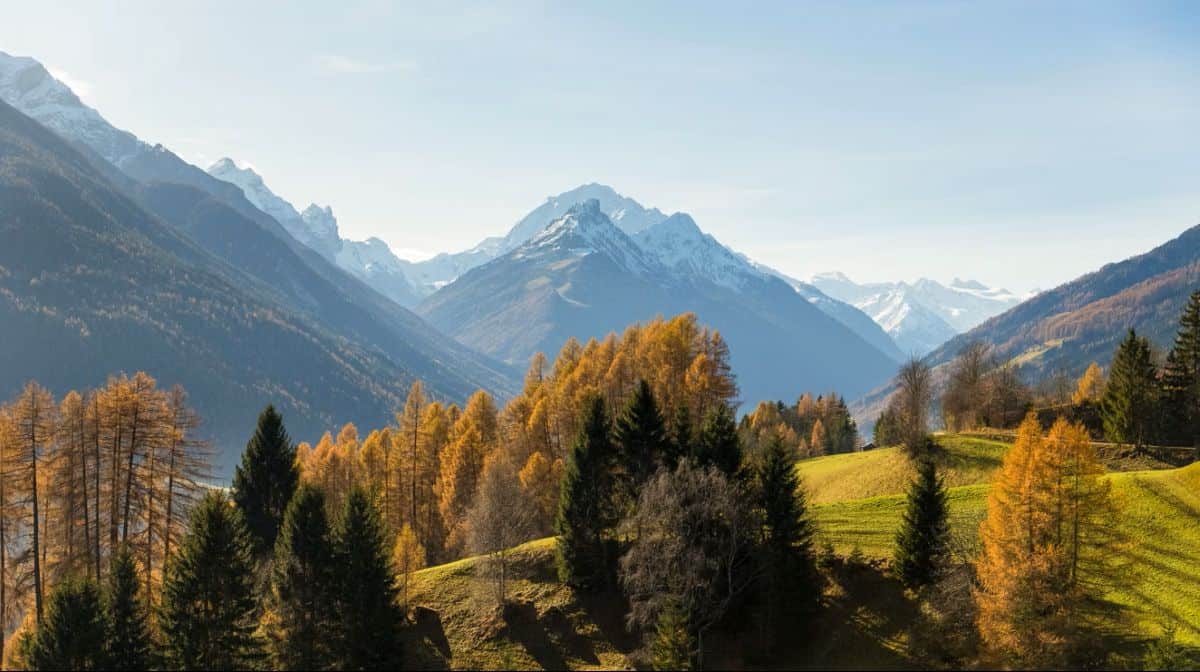
The Austrian region of Tyrol provides a different perspective on an European autumn city break, featuring colourful landscapes and cooler temperatures along walking trails surrounding St Johann in Tirol. The local tourism board says autumn is a particularly satisfying season for walkers exploring lower valleys and south-facing slopes, and conditions often remain favourable until as late as October.
For those travelling from the UK who have the Austrian Alps in mind just for skiing, autumn is a different story. Snow has yet to arrive on the majority of the hiking routes at lower levels, crowds are sparser and the forests are ablaze with orange, yellow and red.
Why Tyrol Works Well for an Autumn Holiday
Tyrol’s biggest advantage in autumn comes from its mix of scenery and accessibility. Travellers can spend the day walking through valleys, forests and alpine landscapes without committing to technical mountaineering.
Official Tyrol tourism guidance describes autumn as a particularly attractive hiking period because of mild conditions, clearer air, colourful woodland and quieter trails. Some higher routes can already receive snow, so visitors should always check local mountain conditions before setting out.
Advertisement
Advertisement
The season also suits travellers who prefer flexible days. A morning walk can lead into lunch at a mountain restaurant, followed by time in a traditional town or village.
October can bring sharp differences between valley and mountain conditions. That makes layered clothing essential rather than optional.
Advertisement
Advertisement
Why St Johann in Tirol Makes a Practical Base
St Johann in Tirol makes it easier to access the numerous walking regions when you’re outdoors without having every day be a strenuous adventure.
One official route leaving from St Johann runs in the direction of Kalkstein and Baumooskogel. The circular trail is around 18.1 kilometres long and has an elevation gain of approximately 762 metres, with a maximum height of 1,419 metres. According to the official Tirol tourist website, it is not too strenuous and autumn is one of the best times for the walk.
Advertisement
Advertisement
For the seasoned hiker, there’s the trail from Niederkaiser to Schleierwasserfall This hike is roughly 16.1 kilometres long with ascents of about 954 metres. Some sections of the trail have narrow mountain paths, so good hiking boots and outdoor clothing are still necessary.
For those travelling with more time on their hands, the Koasa Trail offers some longer stages. The fourth stage of the trail ends in the vicinity of St Johann and covers around 20.6 kilometres, with over 900 metres of ascent.
What Makes Autumn Hiking Different in Tyrol
Autumn changes the visual character of the Austrian Alps.
Official tourism information points to golden larch forests, colourful valleys, mild sunshine and clearer long-distance views as major seasonal draws. Some panoramic routes remain particularly attractive during September and October because the cooler air can improve visibility across surrounding peaks.
Advertisement
Advertisement
Visitors may also find fewer walkers compared with peak summer periods. That creates a slower style of holiday centred on scenery rather than packed itineraries.
Several mountain huts and alpine restaurants remain open into autumn, although opening periods differ sharply by location and altitude. Official Tyrol listings show some huts operating until early or mid-October, while others continue into November. Travellers should check individual opening dates before relying on a hut for food or shelter.
What Travellers Should Pack for an October Trip
Mountain weather can shift quickly, especially as elevation increases.
Visitors should bring:
- Waterproof walking shoes or hiking boots
- A warm mid-layer
- A waterproof outer jacket
- Hat and gloves for colder elevations
- Water and snacks
- A charged mobile phone
- Offline maps or downloaded route information
- Basic first-aid supplies
- https://www.austria.info/en-gb/
Official route guidance repeatedly recommends strong footwear, suitable outdoor clothing, sufficient food and drink, a fully charged phone and route information.
Do not assume that conditions in town match conditions higher on the mountain. Snow, frost or slippery terrain can appear first at altitude.
Advertisement
Advertisement
How to Plan a Safer Tyrol Autumn Break
Start with routes that match your actual fitness level.
Families and casual walkers should favour lower valley paths and easier circular walks. Stronger hikers can move towards longer ridge or mountain routes after checking current conditions.
Travellers should also confirm cable-car schedules, hut opening dates and local transport timetables. Seasonal services can reduce frequency outside the busiest summer and winter periods.
Official Tyrol guidance specifically warns that higher elevations may already see snow in autumn. Visitors should check local weather reports and ask tourism offices or hut operators about trail conditions before attempting more exposed routes.
Why Tyrol Deserves Attention Beyond Ski Season
Packing the punch of many a traveller’s dream, Tyrol’s autumn appeal combines less-travelled trails, breathtaking scenery, classic villages and all levels of walking.
St Johann provides flexibility as some people like easy routes, others mountain days every day – both without changing the place they stay each night.
For those travelers looking to take in the fresh air rather than queues of tourists at sights, a Tyrol autumn break provides a more relaxed, active alternative to discovering Austria before winter hits the Alps.
Advertisement
