
Botswana Tourism Retains New Current Park Fees as Government Extends Industry Consultations on Proposed Safari Charge Increases

Published
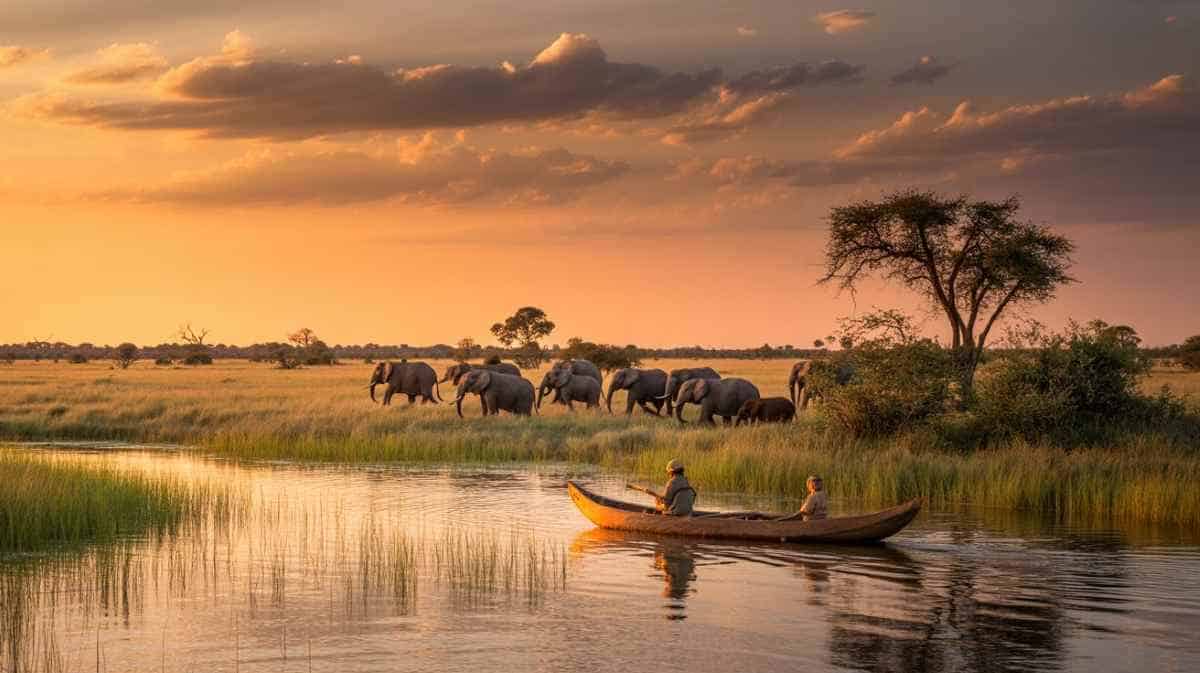
Image generated with Ai
Botswana has confirmed that its existing national park entry fees, permits and tourism charges will remain unchanged for the time being, providing welcome certainty for travellers and the safari industry. The government has continued consultations with tourism stakeholders after postponing the implementation of proposed fee increases that were originally scheduled to take effect on 1 April 2026.
The decision offers reassurance for visitors planning safaris to some of Africa’s most celebrated wildlife destinations, including the Okavango Delta, Chobe National Park and the Moremi Game Reserve. It also gives tour operators, travel advisors and destination management companies valuable time to prepare for any future adjustments while maintaining current pricing for confirmed bookings.
Advertisement
Advertisement
The pause reflects the government’s willingness to engage with industry concerns as it seeks to balance sustainable conservation funding with Botswana’s long-standing reputation as one of Africa’s premier safari destinations.
Current Park Fees Remain in Effect
For now, travellers visiting Botswana’s protected areas can continue budgeting under the existing fee structure.
Advertisement
Advertisement
The planned increases to:
Advertisement
Advertisement
- National park entrance fees.
- Camping permits.
- Tourism user charges.
- Protected area access fees.
have not been implemented.
This means safari packages, wildlife tours and conservation experiences across Botswana continue to operate using the current pricing model, providing much-needed certainty for both domestic and international travellers.
For tour operators selling itineraries months in advance, pricing stability reduces the risk of unexpected cost increases affecting confirmed bookings.
Advertisement
Advertisement
Industry Consultation Continues
Since postponing the proposed fee revision, Botswana’s Ministry of Environment and Tourism has continued discussions with tourism stakeholders to determine an approach that supports both conservation and the tourism economy.
Several key organisations have participated in the dialogue.
Advertisement
Advertisement
Hospitality and Tourism Association of Botswana (HATAB)
HATAB has advocated for a gradual introduction of any future fee adjustments, arguing that phased implementation would allow businesses and international markets sufficient time to adapt.
Botswana Guides Association (BOGA)
BOGA has also called for broader industry engagement, emphasising the importance of consulting professional guides and operators who work directly with visitors across Botswana’s protected areas.
The ongoing discussions highlight the government’s collaborative approach before introducing significant policy changes.
Why Were Fee Increases Proposed?
The government originally proposed revising park fees to generate additional funding for wildlife conservation and protected area management.
Officials have noted that many existing charges have remained unchanged for extended periods despite rising operational costs.
Advertisement
Advertisement
Additional revenue would help support:
- Wildlife conservation.
- Anti-poaching programmes.
- Park infrastructure.
- Road maintenance.
- Visitor facilities.
- Environmental protection initiatives.
Maintaining Botswana’s globally recognised conservation standards requires sustained financial investment, particularly as visitor expectations continue to grow.
Tourism Industry Raises Concerns
While recognising the importance of conservation funding, tourism operators have expressed concerns about the potential impact of substantial fee increases.
Industry representatives argue that sudden pricing changes could:
- Increase the overall cost of safari holidays.
- Affect international booking decisions.
- Reduce competitiveness against neighbouring destinations.
- Complicate long-term tour pricing.
Many businesses have instead encouraged a phased approach that allows international markets to gradually absorb higher costs without discouraging travel demand.
Advertisement
Advertisement
The consultation process aims to find a solution that protects both conservation objectives and tourism growth.
Botswana’s High-Value Tourism Strategy
Botswana has long distinguished itself through a low-volume, high-value tourism model.
Rather than pursuing mass tourism, the country focuses on attracting smaller numbers of visitors who contribute more to conservation through premium safari experiences.
This strategy has helped preserve fragile ecosystems while supporting:
- Community tourism projects.
- Wildlife conservation.
- Sustainable lodge development.
- High-quality visitor experiences.
Any future adjustment to park fees will therefore play an important role in maintaining this carefully balanced tourism model.
Advertisement
Advertisement
Positive News for Travellers
For travellers planning Botswana holidays during the remainder of 2026, the announcement provides welcome clarity.
Visitors can continue planning experiences such as:
- Mokoro canoe safaris in the Okavango Delta.
- Chobe River wildlife cruises.
- Game drives in Moremi Game Reserve.
- Birdwatching expeditions.
- Luxury safari lodge stays.
- Cultural community visits.
Current quotations remain valid under the existing fee structure, helping travellers budget with greater confidence.
What Travel Professionals Should Do
Although no immediate changes have been introduced, travel professionals should continue monitoring developments.
Recommended actions include:
Advertisement
Advertisement
- Confirm current pricing with Botswana suppliers.
- Update clients that existing fees remain unchanged.
- Monitor government announcements regarding future consultations.
- Review quotations before issuing long-term bookings.
- Explain how conservation fees contribute to wildlife protection.
Providing clear and timely information strengthens client confidence while helping travellers understand the value of conservation-focused tourism.
Conservation and Tourism Must Work Together
Botswana’s ongoing consultation demonstrates the close relationship between conservation funding and tourism development.
Protected areas require consistent investment to maintain habitats, safeguard endangered species and provide high-quality visitor experiences.
At the same time, tourism businesses rely on competitive pricing and predictable operating conditions to attract international visitors.
The consultation process seeks to strike a balance between these priorities, ensuring Botswana remains both environmentally sustainable and economically competitive.
Advertisement
Advertisement
Practical Travel Information
Current Status
- Existing park fees and tourism charges remain in effect.
- Proposed fee increases have been postponed pending further consultation.
Major Safari Destinations
- Okavango Delta
- Chobe National Park
- Moremi Game Reserve
- Central Kalahari Game Reserve
- Makgadikgadi Pans National Park
Nearest International Airport
- Sir Seretse Khama International Airport (GBE), Gaborone
- Maun International Airport (MUB) serves the Okavango Delta and northern safari circuit.
- Kasane International Airport (BBK) provides convenient access to Chobe National Park.
Currency
Botswana Pula (BWP)
Key Stats
- Botswana postponed proposed park fee increases that were originally scheduled to begin on 1 April 2026.
- Existing entrance fees, permits and tourism charges remain unchanged while consultations continue.
- Industry groups including HATAB and BOGA have advocated for phased implementation and broader stakeholder engagement.
- The review aims to balance conservation funding with Botswana’s competitiveness as a premium safari destination.
FAQ
Have Botswana’s park fees increased?
No. The proposed increases have been postponed, and the current fee structure remains in place until further notice.
Why were higher park fees proposed?
The government intends to generate additional revenue for wildlife conservation, infrastructure maintenance and protected area management while ensuring long-term sustainability.
Will safari bookings be affected?
Current bookings can continue under the existing pricing structure. However, travellers and tour operators should monitor official announcements for any future changes following the consultation process.
Timeline and Events
- 1 April 2026 – Planned increases to Botswana’s park fees and tourism charges were scheduled to take effect but were postponed.
- 2026 – The Ministry of Environment and Tourism continues consultations with industry stakeholders, including HATAB and BOGA, to review the proposed fee structure.
- Future Decision – The government is expected to announce a revised approach after stakeholder discussions, potentially introducing phased adjustments to support conservation while maintaining tourism competitiveness.
Conclusion
Botswana’s decision to retain its current park fees while extending consultations with the tourism industry provides welcome certainty for travellers and businesses alike. By postponing the proposed increases, the government has created space for meaningful dialogue with key stakeholders on how best to fund conservation without undermining the country’s position as one of Africa’s leading safari destinations. For visitors, the message is reassuring: existing fees remain in place, allowing planned adventures in the Okavango Delta, Chobe National Park and Moremi Game Reserve to proceed without unexpected pricing changes. For the travel industry, the consultation process offers an opportunity to contribute to a balanced, sustainable approach that protects Botswana’s extraordinary wildlife while ensuring the long-term competitiveness of its tourism sector. As discussions continue, Botswana’s collaborative approach demonstrates how conservation and tourism can work together to secure a thriving future for one of the world’s most remarkable safari destinations.
Advertisement
