

Canada Takes the Spotlight as Rare Pink Northern Lights Set to Dazzle in 2026, With Alberta’s Maligne Lake Named World’s Best Viewing Spot

Published
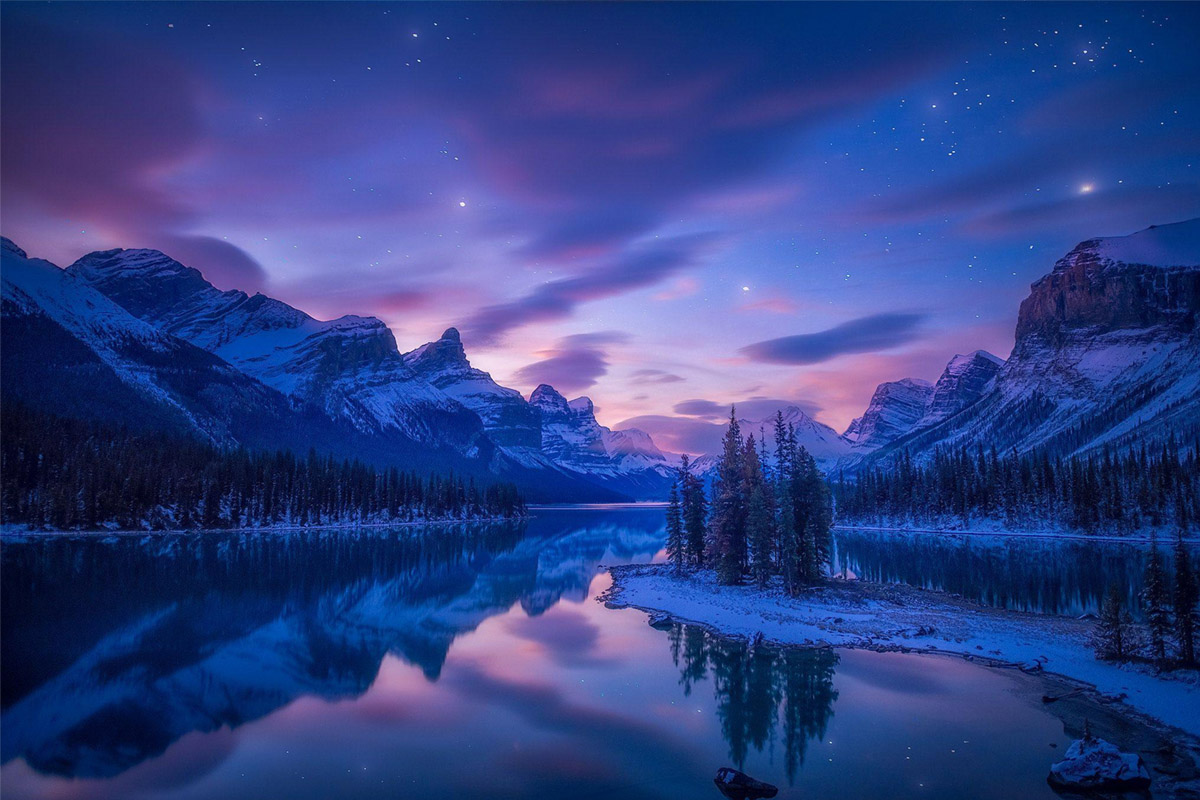
Canada is attracting attention from aurora enthusiasts as 2026 offers promising opportunities to see the Northern Lights in unusual shades of pink. Maligne Lake in Jasper National Park, Alberta, has been ranked the world’s best location for viewing pink auroras in a study by Icelandair, placing Canada at the centre of this emerging winter travel trend.
The research compared 35 aurora-viewing destinations across eight countries, assessing factors including darkness, accessibility, viewing likelihood, scenery and the vividness of pink auroras captured at each location.
Advertisement
Advertisement
For travellers, the findings highlight opportunities to combine natural phenomena with outdoor adventures, landscape photography and visits to some of Canada’s most striking wilderness destinations. However, aurora sightings remain dependent on solar activity, atmospheric conditions, darkness and local weather.
Why Do the Northern Lights Turn Pink?
The Northern Lights, also known as the aurora borealis, occur when energetic particles from space interact with gases in Earth’s upper atmosphere. These interactions release energy as light, producing the coloured displays that appear across polar skies.
Advertisement
Advertisement
Green is the colour most commonly associated with the aurora, while red, blue and purple can also appear under particular atmospheric conditions.
Pink auroras can develop when energetic particles penetrate deeper into the atmosphere and interact with nitrogen molecules. The resulting light can create vivid pink or rose-coloured displays, sometimes appearing alongside green and purple bands.
Advertisement
Advertisement
According to the Canadian Space Agency, auroral colours depend on the atmospheric gases involved, the altitude of the interaction and the energy of the incoming particles.
The combination of these conditions makes vivid pink displays less common than the familiar green aurora. Although 2026 has been highlighted as a promising year for viewing the phenomenon, no destination can guarantee a pink display on a particular night.
Advertisement
Advertisement
What Canada’s Pink Aurora Appeal Means for Tourism
Interest in rare pink auroras creates an opportunity for Canadian destinations to attract travellers seeking distinctive nature-based experiences.
Jasper combines aurora viewing with mountain scenery, hiking opportunities and established visitor infrastructure. Yellowknife offers access to northern landscapes and organised aurora excursions, while Wood Buffalo provides a more remote wilderness experience.
These destinations appeal to different travel styles, from visitors seeking accessible accommodation and guided activities to photographers and experienced outdoor travellers.
The tourism opportunity also extends beyond a single night of aurora viewing. Travellers can combine their trips with local culture, wildlife experiences, winter activities and scenic journeys.
Advertisement
Advertisement
Nevertheless, responsible tourism remains important. Visitors should respect wildlife, follow park regulations, prepare for extreme cold and avoid unsafe roadside stopping while looking for the lights.
Canada’s appeal ultimately rests on more than the possibility of seeing a rare colour in the sky. Its combination of dark-sky locations, accessible tourism hubs and dramatic natural scenery makes it an attractive destination for travellers interested in astronomy and wilderness experiences
Canada Takes the Spotlight as Rare Pink Northern Lights Set to Dazzle in 2026, With Alberta’s Maligne Lake Named World’s Best Viewing Spot
Advertisement
