
Indonesia Resort Honours Reveal the Community Story Behind Sumba’s Luxury Stays

Published
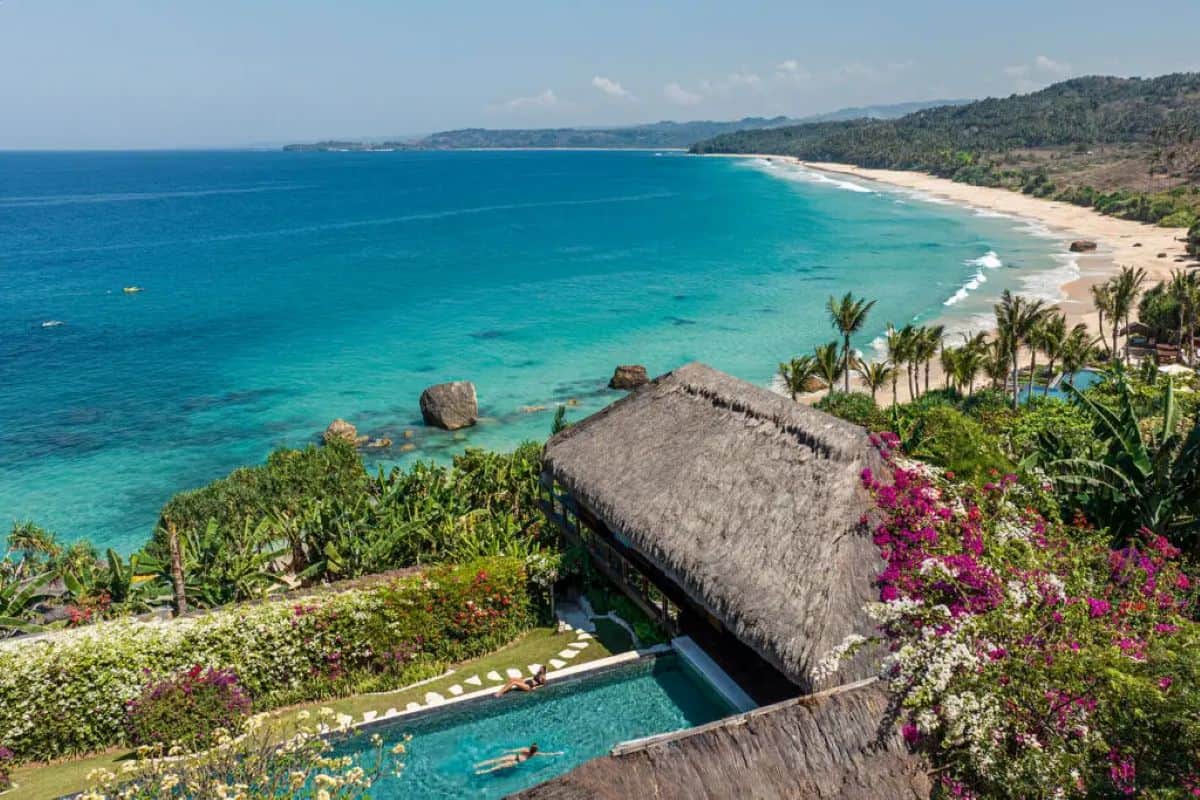
The Indonesia Resort Honours highlight the community story of the luxurious stays of Sumba, yet there is much more to the island besides its award-winning hotels. In 2026, two Sumba resorts featured on the UK list of Condé Nast Traveller’s picks for Indonesia. Cap Karoso makes connections between their resort experience and agriculture, locally-sourced food, and skill development. NIHI Sumba promotes the development of hospitality education and the community initiatives. On the other hand, the development plans of the Indonesian government mention Sumba as a place for cultural, nature-based, and community-led tourism. All these make it possible to pay attention to the questions of whose interests can be served by the arrival of tourists. Do the local people receive permanent employment opportunities? Are farmers and craftspeople provided with customers? Investigating these issues allows us to consider the community story of luxurious stays.
Why are Sumba’s resorts drawing attention now?
The UK edition of Condé Nast Traveller’s 2026 Readers’ Choice Awards placed Cap Karoso third and NIHI Sumba fourth among Indonesian resorts. Bali properties filled the top two positions, with Four Seasons Resort Bali at Jimbaran Bay first and Buahan, a Banyan Tree Escape, second. The awards were published on 6 October and were based on votes from UK readers.
Advertisement
Advertisement
The rankings give Sumba a clear place in a conversation often centred on Bali. Yet readers should not mistake the awards for an official rating of environmental performance or community benefit. They show which resorts voters favoured. They do not measure how much income stays on the island, how many local people gain long-term work or how tourism affects nearby communities.
That gap creates a useful angle for a travel story. The awards can introduce the resorts, while reporting explores how each property connects with its setting.
Advertisement
Advertisement
What makes the UK and US results different?
The 2026 rankings vary between the UK and US editions. In the UK list, Cap Karoso placed third and NIHI Sumba fourth. In the US edition’s Indonesia category, NIHI Sumba ranked eighth. Mandapa, a Ritz-Carlton Reserve, led that list.
That distinction matters because the results reflect different readerships and separate award lists. They should not be combined into a single ranking or described as one global verdict. A clear article can state which edition it uses and name the country category being discussed.
Advertisement
Advertisement
The difference also gives the story a small but useful point of context: resort recognition depends on the survey and its voters. The rankings are a strong news hook, but they cannot alone explain what makes a resort successful for local residents or its wider destination.
Why does Indonesia’s tourism growth matter?
Indonesia’s national tourism figures show that travel remains a major and expanding part of the economy. Statistics Indonesia, known as BPS, reported that international visitor arrivals reached 1.60 million in August 2026, up 6.27% from a year earlier. Domestic trips reached 104.30 million, an 11.47% increase. Occupancy at star-rated hotels stood at 52.52%, rising 2.01 percentage points year on year.
These are national figures. They do not show how many travellers went to Sumba or how much they spent there. Still, they help explain why the question of local benefit matters. When visitor numbers grow, the effects can reach beyond hotels and transport. Farms, restaurants, guides, artists and small businesses may also gain, depending on how tourism is organised.
The useful question is not only how many people travel. It is also what they buy, how long they stay and which local businesses receive their spending.
How does Sumba fit the government’s tourism plans?
Indonesia’s Ministry of Tourism has described Sumba as part of a wider plan to develop East Nusa Tenggara around nature, culture, adventure and community-based experiences. The ministry’s 2026 tourism discussion outlined an “Exotic Sumba” cluster built around traditional villages, weaving, cultural rituals and international resort accommodation.
This gives the island a distinct story beyond luxury stays. Sumba’s identity includes its communities, traditions and landscapes. Resorts can help bring visitors to the island, but the long-term value of that attention depends on how local people take part in the tourism economy.
Advertisement
Advertisement
The ministry’s plans are policy aims, not proof of results. A careful report can explain the strategy and then ask how it is being carried out. Who leads cultural visits? How are craftspeople paid? Do local suppliers secure regular orders? These questions turn broad promises into practical areas for investigation.
Can Cap Karoso connect resort dining with local farming?
Cap Karoso’s official farm page describes how the resort has turned rocky, unused land into gardens. The operator says the farm supplies some ingredients for its menus and uses composting, mulching and water management. It also runs a training programme in areas such as organic farming, plant care and nursery work. The stated aim is to help local people build skills they can use on their own land or in hospitality landscaping.
The farm offers a strong way to explain how a resort might connect with its surroundings. A dish can lead to questions about who grew the ingredients, where they came from and how the resort buys them. Visitors may see the result on the plate, while the wider story concerns farmers, suppliers and training.
Cap Karoso also reports that an on-site solar installation supplies half of its energy. That claim should be attributed to the resort. Public information reviewed for this research does not provide a detailed, independently verified account of the programme’s long-term results.
What does NIHI Sumba’s certification show?
NIHI Sumba’s operator, PT Indonesia Adventure Sports, became a Certified B Corporation in June 2026, according to B Lab’s official directory. The directory lists an overall B Impact Score of 80.3, above the qualifying threshold of 80. Its assessment covers areas including workers, community, environment, governance and customers.
This is a notable 2026 development because it offers readers a way to look beyond a resort’s ranking. The B Lab record identifies areas that form part of the company assessment, giving the article a more concrete point of reference than broad claims about responsible travel.
Advertisement
Advertisement
Certification still has limits. It does not mean that every part of a guest’s stay has no environmental impact, or that every resident benefits equally from tourism. It is evidence about the assessed company, not a verdict on the whole island. The strongest report explains what the score covers and asks what it can tell us about real outcomes.
How can hospitality training lead to local work?
NIHI’s published information describes its partnership with the Sumba Hospitality Foundation. The foundation provides vocational training for young people from Sumba. Its programme includes hospitality and English lessons, accommodation, medical care, internships and two weeks of cross-training at NIHI. Students also gain practical experience through Maringi, the foundation’s small accommodation business, and Makan Dulu, its restaurant. NIHI says it has employed alumni.
That makes training one of the clearest subjects for a human story. A young person learning front-desk work, food service or English can show what tourism offers beyond a holiday. It also gives the article a chance to examine whether local workers can progress into skilled roles and management.
The public information describes the programme, but it does not provide all the figures needed to measure its reach. Current graduation totals, job placement rates, pay and career progression would help readers understand how many students move from training into sustained work.
Why is Sumba’s October food festival timely?
Cap Karoso is hosting the Sumba Food Festival from 5 to 18 October 2026. The resort says the second edition brings eight chefs from across the Asia-Pacific region to prepare meals using local ingredients. The programme includes farm-to-fire cooking, beach barbecues and intimate dinners.
The timing gives the resort awards an immediate travel connection. Readers can learn about Sumba through its food as well as its beaches and accommodation. The festival also creates a natural reporting opportunity: which ingredients come from local producers, who supplies them, and how do local cooks and food businesses participate?
Advertisement
Advertisement
The event began on 5 October, one day before the UK award results appeared. That is a coincidence in the calendar, not evidence that the awards caused the festival or increased attendance. The festival is best presented as a current event that complements the wider story of Sumba’s food and tourism offer.
What can Bali teach us about the local side of resort tourism?
Bali offers a useful comparison because resorts there show different ways of linking hospitality to local work and sourcing. Buahan, a Banyan Tree Escape, says more than 80% of its team comes from Bali and surrounding villages. It also describes working with local farmers and artisans. These are claims published by the resort and should be attributed as such.
The comparison need not imply that Sumba is replacing Bali or that visitors are moving between the islands. It can instead show how tourism businesses describe their local ties. Employment, food purchases, craft commissions and farmer partnerships are all things that can be examined.
The Ministry of Tourism has also cited challenges for Bali, including traffic, waste, pressure on ecosystems and an uneven spread of tourism between the south and other parts of the island. This makes regional tourism development an important policy issue, while leaving open the question of how well any specific project addresses it.
What should travellers know before visiting Sumba?
Sumba’s appeal is closely tied to its remoteness. Cap Karoso says visitors can fly from Bali to Lede Kalumbang Airport in Tambolaka, then travel for about 50 minutes by road to the resort. Its FAQ notes that there are no commercial establishments nearby and that some ingredients may be hard to find because the island is remote.
These details help set expectations. Travellers may need to plan domestic connections, transfers and meals in advance. Anyone with specific dietary needs should check availability with the resort before departure. Travel information can change, so visitors should confirm transport schedules and arrangements for their dates.
Advertisement
Advertisement
The logistics also help explain why local sourcing and skills deserve attention. Remote resorts may depend on their own supply arrangements, but reporting should establish how those arrangements involve businesses and workers on Sumba.
What evidence would show whether residents benefit?
The public sources reviewed for this article describe programmes, policy aims, certification and events. They do not establish how much of the new attention or resort spending benefits Sumba as a whole. That question calls for more direct evidence.
Useful figures would include the share of food bought from Sumbanese suppliers, the number of local people trained and hired, staff retention, pay, and the income earned by guides and craftspeople. For environmental claims, dated records on energy, water and waste would help show progress over time. For the festival, supplier lists and local employment figures could reveal who takes part.
These are reporting questions, not established findings. Answering them would help distinguish a resort’s stated commitments from measured outcomes. It would also give local residents, workers, farmers and artisans a voice in a story that could otherwise be told only through awards and hotel descriptions.
Why does this story reach beyond a resort ranking?
Sumba’s resorts lead the awards discussion in 2026, but now the real challenge facing the island is whether luxury tourism could be made to work for locals as well as tourists. The Sumba’s resorts have both been high on the UK list by Condé Nast Traveller. The Indonesian government is focusing on Sumba’s cultural, natural, and community tourism experience. Additionally, Cap Karoso’s farm and food festival provide an opportunity to know more about local food products and agricultural expertise. NIHI Sumba’s certification and training programs add yet another element to the mix. But the mere award cannot tell us whether tourists’ money benefits local farmers, employees, and artisans. The proof of success should be in employment, local procurement and long-term business development. This report therefore examines what Sumba’s resorts have to offer and how they relate to the communities, while noting what information we still lack. For tourists, Sumba will mean impressive landscapes and great experiences. For locals, however, the challenge is whether increased attention translates into livelihoods for the people.
Image Source: nihi sumba
Advertisement
