
Vietnam Celebrates Cham Cultural Heritage Through Khanh Hoa Festival, Strengthens Ethnic Tourism, Traditional Arts, Community Travel Experiences and Sustainable Cultural Economy: Latest Update
Published
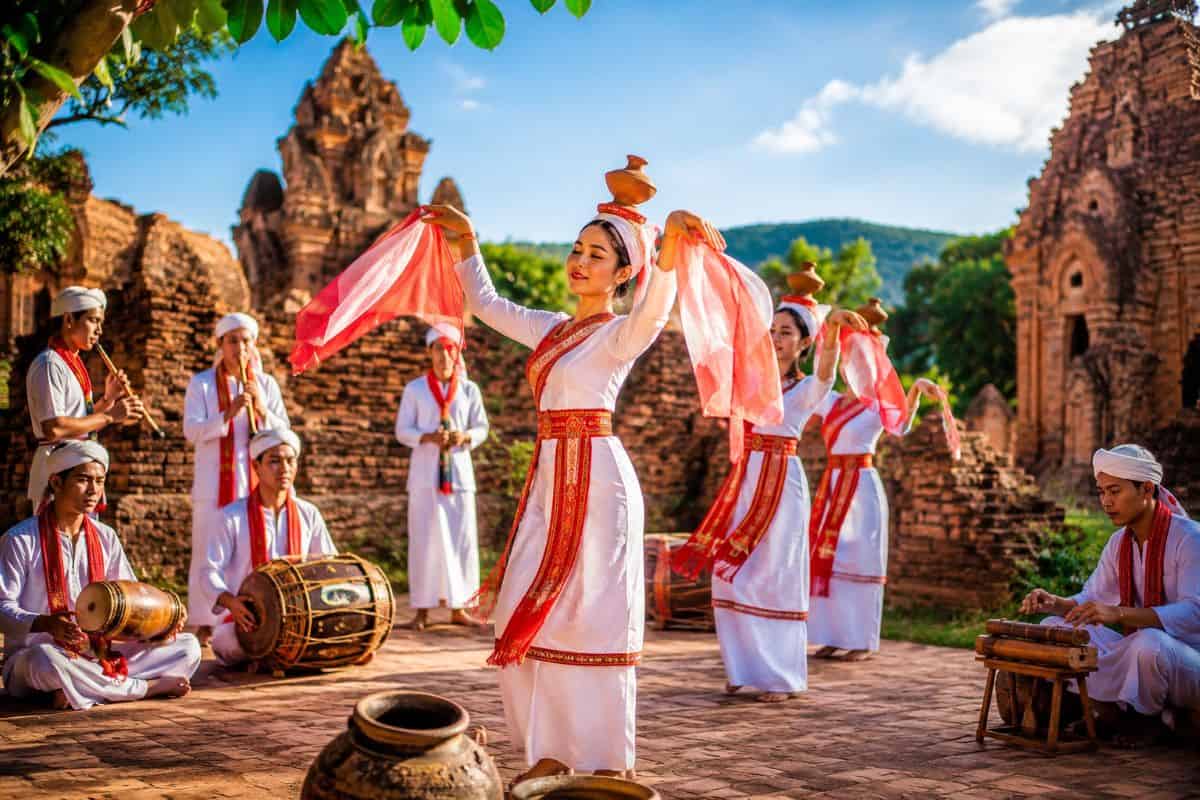
The successful conclusion of the sixth Cham Ethnic Culture Festival 2026 in Vietnam’s Khanh Hoa province has reinforced the country’s commitment to preserving indigenous heritage while transforming cultural traditions into sustainable tourism opportunities. Held over three days in Dong Hai ward, the festival brought together nearly 1,000 artisans, performers, athletes, and cultural practitioners from multiple provinces, showcasing the vibrant identity of the Cham ethnic community through traditional performances, handicrafts, folk games, sports, and cultural exhibitions. Beyond being a celebration of heritage, the event demonstrated how authentic cultural experiences can enrich Vietnam’s tourism landscape, attract domestic and international visitors, and generate new economic opportunities for local communities through cultural industries and traditional crafts. As global travelers increasingly seek meaningful cultural encounters, the festival highlighted Vietnam’s growing focus on community-based tourism that protects living traditions while encouraging responsible visitor engagement with indigenous cultures.
Organized jointly by the Ministry of Culture, Sports and Tourism and the People’s Committee of Khanh Hoa province, the festival emphasized that cultural preservation and tourism development can progress together. Provincial leaders described the event as more than a cultural celebration, noting its role in strengthening public awareness, promoting ethnic identity, encouraging inter-provincial cultural exchanges, and supporting sustainable tourism growth. Through colorful performances, traditional costumes, artisan showcases, and sporting competitions, the festival not only celebrated centuries-old Cham customs but also strengthened national unity among ethnic communities across Vietnam. The event has become an important platform for preserving intangible cultural heritage while positioning Khanh Hoa as a leading destination for travelers interested in authentic cultural tourism, heritage festivals, and immersive local experiences.
Cham Cultural Festival Highlights Vietnam’s Heritage Tourism Vision
The sixth Cham Ethnic Culture Festival concluded on June 28 after three days of celebrations dedicated to preserving one of Vietnam’s oldest living cultures. Hosted in Dong Hai ward of Khanh Hoa province, the festival reflected the country’s long-term strategy of integrating heritage conservation with tourism development.
Provincial leaders stressed that the event’s greatest achievement extended beyond visitor participation. It successfully strengthened awareness of Cham cultural identity while encouraging broader appreciation of Vietnam’s ethnic diversity among domestic and international audiences.
Advertisement
Advertisement
Festival Participation and Cultural Showcase
| Festival Detail | Information |
|---|---|
| Festival Edition | Sixth Cham Ethnic Culture Festival |
| Duration | Three Days |
| Closing Date | June 28, 2026 |
| Host Province | Khanh Hoa |
| Venue | Dong Hai Ward |
| Organisers | Ministry of Culture, Sports and Tourism and People’s Committee of Khanh Hoa |
| Participants | Around 1,000 |
| Represented Regions | Khanh Hoa, Gia Lai, Dak Lak, Lam Dong, An Giang, Tay Ninh and Ho Chi Minh City |
The gathering featured artists, musicians, artisans, amateur athletes, cultural practitioners and community representatives who collectively showcased the richness of Cham traditions through immersive cultural experiences.
Traditional Performances Created Authentic Visitor Experiences
The festival offered visitors an extensive cultural programme that celebrated both tangible and intangible heritage.
Advertisement
Advertisement
| Cultural Activities | Visitor Experience |
|---|---|
| Traditional Art Performances | Live music and dance reflecting Cham heritage |
| Costume Presentations | Traditional Cham attire and cultural symbolism |
| Folk Games | Interactive indigenous recreational activities |
| Sports Competitions | Traditional sporting contests |
| Handicraft Exhibitions | Local craftsmanship and artisan products |
| Cultural Displays | Heritage interpretation and education |
These activities enabled tourists to engage directly with local traditions rather than simply observing cultural performances, creating more meaningful travel experiences.
Heritage Preservation Drives Sustainable Tourism Growth
According to provincial officials, preserving indigenous culture has become a cornerstone of Vietnam’s evolving tourism strategy. Festivals like this not only safeguard traditional customs but also generate economic opportunities for local communities through handicrafts, cultural performances, creative industries and community tourism.
Advertisement
Advertisement
As demand grows for authentic travel experiences, heritage festivals increasingly contribute to destination branding while ensuring cultural traditions remain relevant for younger generations.
Cultural Industries Create New Opportunities for Local Communities
The event also highlighted the expanding role of cultural industries in regional development.
| Economic Benefit | Tourism Impact |
|---|---|
| Traditional Crafts | Increased visitor spending |
| Cultural Performances | Heritage entertainment experiences |
| Community Tourism | Local employment opportunities |
| Artisan Products | Promotion of indigenous craftsmanship |
| Cultural Exchange | Stronger destination appeal |
| Festival Tourism | Seasonal visitor growth |
The combination of heritage preservation and tourism development offers communities sustainable economic opportunities without compromising cultural authenticity.
Awards Recognized Excellence Across Cultural and Sporting Events
The closing ceremony celebrated outstanding achievements throughout the festival.
Advertisement
Advertisement
| Award Category | Number Presented |
|---|---|
| Gold Medals | 117 |
| Silver Medals | 117 |
| Bronze Medals | 234 |
| Category A Awards | 19 |
| Category B Awards | 19 |
| Category C Awards | 20 |
These recognitions rewarded excellence across sports competitions, cultural performances and tourism-related presentations while encouraging continued participation in preserving Cham traditions.
Festival Strengthens National Unity Through Cultural Exchange
One of the festival’s most significant achievements was fostering stronger relationships between the Cham community and other ethnic groups throughout Vietnam. Representatives from multiple provinces exchanged traditions, artistic practices and cultural knowledge, reinforcing national unity through shared heritage.
Such interactions enrich Vietnam’s multicultural identity while creating opportunities for collaborative tourism initiatives that showcase the country’s remarkable ethnic diversity.
Vietnam Expands Its Position as a Cultural Tourism Destination
The Cham Ethnic Culture Festival reflects Vietnam’s broader ambition to diversify its tourism offerings beyond beaches and urban attractions. By investing in indigenous festivals, traditional arts and community-based tourism, the country continues attracting travelers seeking immersive cultural experiences.
As international tourism increasingly values authenticity and sustainability, events celebrating ethnic heritage strengthen Vietnam’s reputation as a destination where living traditions remain central to the visitor experience while supporting local livelihoods and preserving centuries-old customs.
Conclusion
The successful conclusion of the sixth Cham Ethnic Culture Festival demonstrates that cultural preservation and tourism development can successfully complement one another. By celebrating the traditions of the Cham people through performances, handicrafts, sports and community engagement, Vietnam continues building a tourism model rooted in authenticity, sustainability and cultural respect. The festival not only preserved valuable heritage but also created new opportunities for local communities, strengthened national unity and reinforced Khanh Hoa’s growing importance as a leading cultural tourism destination.
Advertisement
Advertisement
Frequently Asked Questions
1. What was the purpose of the Cham Ethnic Culture Festival 2026?
The festival celebrated and preserved Cham cultural heritage while promoting sustainable tourism and cultural exchange.
2. Where was the festival held?
The event took place in Dong Hai ward of Khanh Hoa province, Vietnam.
3. How long did the festival last?
The festival was conducted over three days and concluded on June 28, 2026.
Advertisement
Advertisement
4. Who organized the festival?
The Ministry of Culture, Sports and Tourism jointly organized the event with the People’s Committee of Khanh Hoa province.
5. How many people participated in the festival?
Approximately 1,000 artisans, performers, athletes and cultural practitioners participated.
6. Which regions were represented?
Delegations came from Khanh Hoa, Gia Lai, Dak Lak, Lam Dong, An Giang, Tay Ninh and Ho Chi Minh City.
Advertisement
Advertisement
7. What activities were featured during the festival?
The festival included cultural performances, traditional costume showcases, handicraft exhibitions, folk games and sports competitions.
8. How does the festival support tourism?
It promotes heritage tourism, community-based travel, traditional crafts and authentic cultural experiences for visitors.
9. What awards were presented during the closing ceremony?
The organizers awarded 117 gold, 117 silver and 234 bronze medals, along with 58 cultural and tourism excellence awards.
Advertisement
Advertisement
10. Why is the festival important for Vietnam’s tourism industry?
It strengthens cultural preservation, supports sustainable tourism, boosts local economies and enhances Vietnam’s appeal as a destination for authentic heritage travel.
Advertisement
