
Greece Accelerates National Rail Modernisation Plan, Strengthening its New Infrastructure, Digital Systems, Safety Upgrades and Transport Efficiency Across the Network

Published
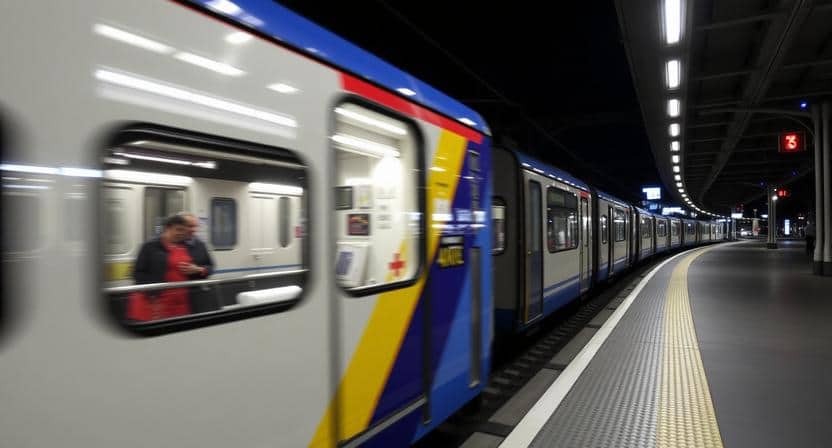
Greece is forging ahead with its new plans for the development of its national rail network by emphasizing infrastructure improvements, advanced technology, network management, security and worker training in the transportation policy. This shift in focus was revealed in the visit of Alternate Transport Minister Giorgos Kotsiras to Hellenic Railways and the Athens Traffic Control Centre at Acharnes Railway Centre.
During the visit, it became clear that Greece aims at creating its rail network that will be safe, reliable and manageable. In addition, it became clear that the Greek government is viewing railway reform not only as a question of transportation but also of travel. The developed railway network can serve residents, tourists, workers and students from all over the country.
Advertisement
Advertisement
Hellenic Railways Moves Into A More Demanding Reform Phase
The meeting at Hellenic Railways headquarters focused on the priorities now shaping the future of Greek rail. These include ongoing infrastructure projects, funding, digital transformation, staffing needs and the daily operational performance of the network. This matters because railway modernisation is not one single project. It depends on several moving parts working together. Tracks must be maintained. Stations must be improved.
Signalling must work. Control centres must have accurate information. Staff must be trained. Security must be visible. Passengers must trust the service. For Greece, this reform phase carries added importance. The country’s railway network connects major cities, regional towns, ports, tourist areas and international corridors. A stronger railway can reduce pressure on roads, make domestic travel easier and support more sustainable tourism.
Advertisement
Advertisement
Athens Traffic Control Centre Shows The New Digital Direction
The visit to the Athens Traffic Control Centre at SKA placed digital operations in the spotlight. Officials reviewed the use of telecommand systems that support the monitoring of train movement. They also examined the role of the railway.gov.gr digital platform, as well as the use of cameras and drones for network supervision.
These tools are important because modern railway management depends on fast visibility. Operators need to know where trains are, how infrastructure is performing and whether risk is developing along the line. Digital platforms and remote monitoring can help reduce blind spots. For travellers, the effect can be direct. Better supervision can support smoother journeys, quicker response to incidents and improved confidence in rail travel. For railway managers, it can support stronger planning, better maintenance and faster decision-making.
Advertisement
Advertisement
Cameras And Drones Add A New Layer Of Network Monitoring
The use of cameras and drones shows how Greece is widening its approach to railway safety. Rail lines cover long distances. They pass through cities, countryside, industrial areas, stations, crossings and remote sections. It is difficult to monitor every part of the network only through traditional patrols.
Drones can support checks over areas that are hard to access. Cameras can help identify problems, trespassing, vandalism or operational risks. Together, these tools can make the network more visible and easier to protect. This has strong travel value. A railway that is watched, maintained and protected can become more reliable. Fewer disruptions mean better journeys for commuters and visitors. It can also help railway teams respond faster when problems appear.
Operation Ariadne Targets Safety And Vandalism Risks
Operation Ariadne is another important part of the safety push. Under this plan, officers from the Hellenic Police are supporting railway protection efforts. The focus includes tackling vandalism, addressing unlawful incidents and strengthening the sense of safety for passengers.
Vandalism can create serious operational problems. It can damage equipment, delay services and increase maintenance pressure. It can also make passengers feel less secure. A visible police role can help protect infrastructure and support confidence across the network. This is especially important for a country that wants more people to choose rail for intercity and regional travel. Safety is not only about trains and tracks. It is also about stations, public spaces, staff presence and the way passengers feel during the journey.
Staff Training Becomes As Important As Technology
The government has also underlined the need to strengthen recruitment and staff training. This point is central. Technology can improve rail operations, but skilled people must manage it, interpret it and act on it. New systems need trained operators. Maintenance teams need technical knowledge.
Control room staff need discipline and judgement. Station teams need passenger service skills. Security teams need coordination. Drivers and network employees need clear procedures. This is why workforce development sits beside digital transformation. A modern railway cannot depend only on equipment. It needs professionalism, operational expertise and a culture of responsibility. The latest visit made that link clear.
Advertisement
Advertisement
Infrastructure Funding Supports The Modernisation Drive
The rail push is also backed by fresh investment activity. One major official step is the inclusion of the second phase of the Palaiofarsalos–Kalambaka railway upgrade in Greece’s Transport 2021–2027 programme. The project also includes work linked to a bypass and platform in the Sofades area, as well as smaller repairs at existing station buildings. This type of investment can support safer, more efficient and more interoperable rail services.
The project carries a total public cost of more than €85.6 million and includes co-financing from the Cohesion Fund. It covers electrification, signalling, telecommand and ETCS Level 1 on the existing single railway line between Palaiofarsalos and Kalambaka, over a length of about 80.4 kilometres.
ETCS And GSM-R Are Key To Greece’s Rail Future
Greece’s wider rail technology direction includes ETCS and GSM-R systems. These are not minor upgrades. They are core tools for modern European rail operations. ETCS, or the European Train Control System, supports train protection and interoperability. GSM-R supports railway communications. Together, they help build a safer and more coordinated network.
Greece’s national implementation plan has long placed emphasis on modernising the main rail axis and wider network sections. The plan includes work linked to the Patras–Athens–Thessaloniki–Eidomeni–Promachonas axis, which forms part of the European transport network. This connects Greek rail policy with wider European mobility and freight goals. For passengers, these systems may sound technical. But their purpose is simple. They help trains move with better control, better communication and stronger safety support.
Rail Modernisation Can Support Tourism Across Mainland Greece
A better rail network can strengthen Greek tourism. The official tourism platform describes Greece’s railway network as covering much of the mainland and highlights routes such as Athens–Thessaloniki, Drama–Xanthi, Diakopto–Kalavryta, Pilio and Nestos as part of the country’s train travel appeal.
This creates a clear opportunity. Visitors often know Greece for islands, beaches and ancient sites. A stronger railway can help them discover inland towns, mountain areas, historic stations, regional cities and scenic routes. Rail can also support slower and greener travel. Tourists can move between Athens, Thessaloniki, central Greece and northern regions with less dependence on cars. This can spread visitor spending and make travel more accessible.
Advertisement
Advertisement
A Reliable Railway Can Help Regional Growth
Modern rail is not only useful for tourism. It can support regional development. Towns connected by safe and predictable rail services can attract more visitors, students, workers and investors. Stations can become local gateways. Small hotels, restaurants, taxis, cultural sites and local shops can benefit when railway access improves.
Regions near major corridors may also gain from better freight and business movement. This is why the government’s focus on maintenance, operations and digitalisation matters. New projects are important, but daily reliability is equally important. Travellers judge rail by whether trains run safely, clearly and on time.
Greece Wants A Safer And More Trusted Railway
The current measures being taken by the government point to a definite direction. Greece would like to have railways that integrate new technology, surveillance through digital means, secure operations through the help of police forces, and efficient management and discipline. It may take some time for these things to happen, but what matters is that there are now definite directions in which things should move.
Greece is developing technology, manpower, and security all at once. For those who travel, it could mean improved means of transport in Greece. For tourists, it could mean more routes to visit other parts of Greece. For the Greek economy, it could mean better connections and environmentally-friendly transportation.
Advertisement
