
Charleston Joins Santa Fe and More in US Travel as St Augustine Highlights Old Town and Adventures

Published
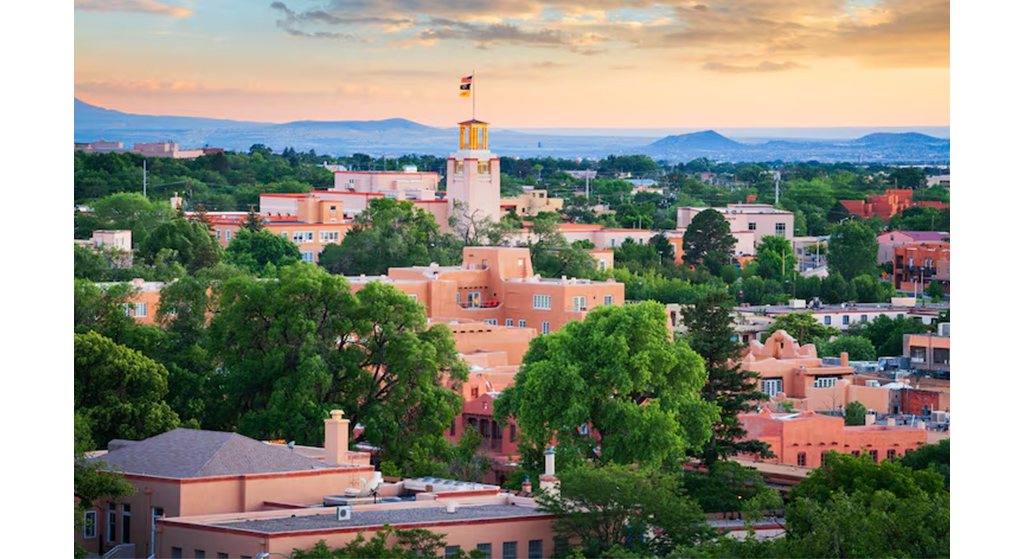
Discovering America heritage alongside thrilling outdoor excursions defines modern travel trends across the United States today As federal preservation initiatives expand rapidly historic US cities adventure tourism 2026 is surging nationwide Travellers increasingly seek destinations where ancient colonial architecture seamlessly merges with rugged wilderness expeditions and pristine coastal waters From Spanish fortifications in Florida to revolutionary trails in Massachusetts official government reports highlight unprecedented visitor engagement This phenomenon revitalises local economies protects invaluable cultural landmarks and promotes sustainable outdoor recreation Understanding these dynamic locations remains vital for planning unforgettable journeys that honour our profound historical legacy and natural wonders today.
The global travel landscape in 2026 has experienced a profound structural evolution, with tourists increasingly gravitating towards destinations that offer a harmonious blend of deep historical resonance and active outdoor exploration. Within the United States, federal agencies, state tourism boards, and municipal governments have documented a massive surge in visitor arrivals across heritage-rich destinations. This phenomenon, widely categorized under historic US cities adventure tourism 2026, represents a vital intersection where centuries-old architectural preservation meets rugged ecological adventure.
According to official statistics released by federal departments and national tourism offices, travellers are no longer satisfied with passive sightseeing. Instead, modern visitors demand immersive experiences that combine architectural appreciation with hiking, kayaking, wildlife observation, and marine conservation activities. This comprehensive report examines how five distinguished American cities—St. Augustine, Charleston, Santa Fe, Savannah, and Boston—have successfully leveraged their historical legacies to foster thriving adventure tourism sectors as of late 2026.
The Economic and Policy Landscape of Historic US Tourism in 2026
Advertisement
Advertisement
Federal Preservation Grants and Infrastructure Funding Initiatives
The economic vitality underpinning historic US cities adventure tourism 2026 is heavily supported by federal policy frameworks and targeted legislative grants. The National Park Service (NPS), in collaboration with the United States Department of the Interior, has administered multi-million-dollar preservation grants aimed at safeguarding colonial-era fortifications, antebellum districts, and indigenous historical sites. These federal investments ensure that the structural integrity of America’s oldest urban centres remains uncompromised despite record-breaking visitor influxes.
Advertisement
Advertisement
Furthermore, municipal governments have leveraged state transportation and conservation funds to construct greenways, bicycle corridors, and eco-friendly maritime docking facilities. These infrastructure projects bridge the gap between historic downtown districts and surrounding natural wilderness areas, enabling tourists to transition effortlessly from touring 17th-century plazas to embarking on coastal kayaking expeditions.
Sustainable Tourism Frameworks and National Park Service Partnerships
Advertisement
Advertisement
Environmental sustainability forms the cornerstone of contemporary US tourism policy in 2026. Recognizing the ecological pressures associated with rising visitor numbers, municipal authorities in historic cities have partnered with environmental protection agencies to implement strict carrying-capacity models and leave-no-trace outdoor recreation campaigns.
Official policy updates emphasize carbon-neutral urban mobility, expansion of protected marine sanctuaries, and rigorous wildlife management protocols. These measures guarantee that adventure tourism activities—such as deep-sea fishing, alpine hiking, and estuarine wildlife watching—operate in strict harmony with regional conservation mandates, preserving natural habitats for future generations.
St. Augustine, Florida: Ancient Spanish Roots Meet Coastal Aquatic Adventures
Preserving 17th-Century Architecture at Castillo de San Marcos
Advertisement
Advertisement
As the oldest continuously occupied European settlement in the United States, St. Augustine, Florida, stands as a crown jewel of historic US cities adventure tourism 2026. Ranked consistently among top small cities by leading travel publications and supported by official Florida tourism statistics, St. Augustine offers a remarkable window into Spanish colonial history.
At the heart of the city’s historic district lies the iconic Castillo de San Marcos, a formidable 17th-century masonry fortress constructed from coquina stone. Maintained under the rigorous preservation standards of the National Park Service, the fortress attracts hundreds of thousands of history enthusiasts annually. Visitors explore its historic bastions, moat, and炮-deck exhibits, gaining profound insight into North America’s early geopolitical struggles while enveloped in authentic Spanish Colonial architecture.
Ecotourism, Kayaking, and Atlantic Marine Conservation
Beyond its rich architectural heritage, St. Augustine provides extraordinary outdoor adventures tailored for the modern eco-tourist. The city’s coastal geography—flanked by the Matanzas River, the Tolomato River, and the Atlantic Ocean—serves as a premier hub for water-based recreation.
Official municipal reports from 2026 highlight a 28% increase in participation across guided wildlife eco-tours, brackish-water kayaking, and paddleboarding expeditions through protected tidal creeks. Tour operators, operating under strict state wildlife permits, guide visitors through salt marshes teeming with bottlenose dolphins, manatees, and diverse wading birds. Additionally, Atlantic beach adventures, including surf instruction and coastal dune conservation hikes, ensure that St. Augustine delivers a balanced itinerary of deep historical immersion and exhilarating outdoor action.
Charleston, South Carolina: Antebellum Elegance and Waterway Expeditions
Advertisement
Advertisement
Condé Nast Traveler’s #1 Top Small City: Architectural Preservation
Charleston, South Carolina, commands global acclaim, having secured the prestigious #1 ranking for Top Small Cities in the United States in the 2026 travel awards. The city’s French Quarter and sprawling historic district showcase some of the finest examples of antebellum and Georgian architecture in North America.
Strict municipal zoning laws and historic preservation ordinances have successfully protected pastel-coloured townhomes, cobblestone alleyways, and ironwork gates from commercial overdevelopment. Official tourism data indicates that heritage tourists spend an average of 4.2 days exploring Charleston’s house museums, historic churches, and storied public markets, making cultural preservation an indispensable driver of the local economy.
Deep-Sea Fishing, Sailing, and Federal Commemorative Events in 2026
Complementing its refined urban elegance, Charleston is surrounded by an intricate labyrinth of waterways, marshes, and barrier islands that cater to outdoor enthusiasts. The city’s coastal positioning makes it a premier destination for deep-sea sportfishing, competitive sailing, and tidal marsh kayaking.
Significantly, 2026 marks a pivotal year for Charleston as it serves as a primary host city for key federal commemorative historical events. These federally sponsored programmes unite historical education with outdoor pageantry, drawing marine vessels and visitors from across the globe to participate in historic harbour regattas, coastal heritage cruises, and guided environmental excursions through Charleston Harbor.
Advertisement
Advertisement
Santa Fe, New Mexico: Pueblo Adobe Heritage and Alpine Wilderness
Historical Significance of the Santa Fe Plaza and Palace of the Governors
Holding the #3 position among top US small cities, Santa Fe, New Mexico, offers a distinct cultural landscape rooted in Native American, Spanish, and Anglo-American traditions. Centred around the historic Santa Fe Plaza, the city preserves centuries of Southwestern heritage.
The crown jewel of this historic core is the Palace of the Governors, constructed in 1610. As the oldest continuously occupied public building in the United States, it houses invaluable historical archives and hosts the traditional Native American Artisans Portal Program, where local tribes showcase authentic pottery, turquoise jewellery, and woven textiles. Official cultural heritage reports emphasize Santa Fe’s unwavering commitment to maintaining its iconic Pueblo-style adobe architecture, prohibiting modern structural incongruities within the historic zone.
Sangre de Cristo Mountains: High-Altitude Hiking and Mountain Biking
For outdoor adventure seekers, Santa Fe acts as an immediate geographical gateway to the majestic Sangre de Cristo Mountains. Situated at an elevation of over 7,000 feet, the city provides instant access to high-altitude wilderness areas managed by the US Forest Service.
Advertisement
Advertisement
Official 2026 regional recreation reports document soaring participation in alpine hiking, technical mountain biking along the Dale Ball Trails, and backcountry equestrian treks. During winter months, the nearby Santa Fe Ski Basin attracts winter sports enthusiasts for premier snowboarding and downhill skiing. This seamless transition from ancient adobe plazas to rugged 12,000-foot mountain peaks epitomizes the ultimate objective of historic US cities adventure tourism 2026.
Savannah, Georgia: Historic Urban Grid Squares and Coastal Marshlands
Architectural Marvels of 22 Garden Squares and Cobblestone Streets
Savannah, Georgia, boasts one of the most celebrated historic urban planning achievements in the Western Hemisphere. Laid out in 1733 by James Oglethorpe, the city’s historic district features a magnificent grid system punctuated by 22 beautifully landscaped garden squares shaded by ancient live oaks draped in Spanish moss.
Municipal conservation boards, operating in conjunction with state heritage foundations, strictly regulate the preservation of Savannah’s Victorian, Gothic, and Federal-style mansions. Visitors traverse cobblestone river streets where 19th-century cotton warehouses have been repurposed into vibrant boutiques, museums, and culinary establishments, reflecting a model of sustainable urban heritage revitalisation.
Tybee Island Beach Sports and Estuary Kayaking Expeditions
Advertisement
Advertisement
Positioned at the mouth of the Savannah River along the Atlantic coast, Savannah offers immediate access to diverse aquatic environments. While the historic squares provide serene pedestrian exploration, the surrounding coastal marshlands invite active adventure.
Official regional tourism updates for 2026 detail expanding ecotourism initiatives allowing visitors to kayak through winding tidal estuaries, observe endangered sea turtle nesting sites on nearby Tybee Island, and embark on dolphin-watching catamaran cruises. This duality ensures that travellers seeking architectural grandeur can simultaneously engage in rigorous coastal water sports.
Boston, Massachusetts: Revolutionary War Legacies and Harbor Explorations
Walking the Freedom Trail Through 16 Revolutionary Epochs
As the premier historic metropolis of the American Northeast, Boston, Massachusetts, anchors the national narrative of the American Revolution. The city’s celebrated Freedom Trail—a 2.5-mile red-brick walking route—guides millions of visitors annually past 16 nationally significant historic sites.
Maintained through partnerships between the National Park Service and municipal historical commissions, landmarks such as the Massachusetts State House, Paul Revere House, Old North Church, and the USS Constitution stand as pristine testaments to the nation’s founding. Official economic reports note that heritage tourism along the Freedom Trail generates substantial municipal revenue, supporting both educational programming and urban infrastructure maintenance.
Advertisement
Advertisement
Boston Harbor Islands, Whale Watching, and Charles River Rowing
Boston brilliantly marries its revolutionary past with dynamic marine and urban outdoor adventures. Serving as a major New England transportation and tourism hub, the city provides direct access to the Boston Harbor Islands National and State Park.
Official state parks data for 2026 indicates rising visitor engagement in ferry-accessed island camping, hiking, and historical lighthouse exploration. Furthermore, Boston Harbour serves as the departure point for regulated marine wildlife safaris and whale-watching excursions into Stellwagen Bank National Marine Sanctuary. Inland, the Charles River Esplanade accommodates extensive urban kayaking, paddleboarding, and rowing sports, proving that major historic urban centres can successfully foster active outdoor lifestyles.
Economic Implications and Industry Impact Across Municipalities
Job Creation, Small Business Resilience, and Hospitality Growth
The financial impact of historic US cities adventure tourism 2026 extends far beyond ticket sales at museums and national monuments. Economic impact assessments published by state commerce departments confirm that heritage-adventure tourism serves as a primary engine for local job creation and small business resilience.
Advertisement
Advertisement
Hotels, tour operators, outfitters, equipment rental agencies, and culinary establishments in St. Augustine, Charleston, Santa Fe, Savannah, and Boston report record employment figures and robust revenue growth. Small businesses specializing in outdoor gear rentals, guided historical walking tours, and eco-excursions have experienced a significant boost, directly contributing to regional economic stability and municipal tax bases.
Public-Private Partnerships and Heritage Investment Metrics
Sustaining the dual pillars of historic preservation and outdoor recreation requires sophisticated financial frameworks. Throughout 2026, public-private partnerships (PPPs) have emerged as the dominant model for funding major tourism infrastructure projects.
Municipal governments routinely collaborate with corporate sponsors, non-profit conservation trusts, and philanthropic foundations to finance greenway expansions, harbor clean-up operations, and historical restoration projects. Official financial audits reveal that every dollar invested in municipal heritage-adventure infrastructure yields a measurable multi-fold return in visitor spending, tax revenues, and long-term community development.
Official Statements and Expert Analysis on 2026 Travel Trends
Authoritative statements released by national tourism directors and international travel bodies underscore the structural permanence of the heritage-adventure tourism trend. In a joint policy briefing issued in mid-2026, tourism officials emphasized that modern consumers prioritize authenticity, environmental consciousness, and educational enrichment over conventional mass tourism.
Advertisement
Advertisement
“The contemporary traveller seeks profound connection with a destination’s past while actively engaging with its natural environment,” stated a leading federal tourism analyst. “Cities that successfully protect their architectural heritage while providing world-class outdoor recreation are setting the gold standard for global sustainable tourism.”
Furthermore, cultural geographers and urban planners note that integrating outdoor adventure spaces within historic city limits discourages urban sprawl and encourages pedestrian-centric mobility. This policy alignment safeguards historical aesthetics while promoting public health and environmental stewardship.
Future Outlook: Sustaining Cultural Heritage and Adventure Tourism Beyond 2026
Looking toward the horizon beyond 2026, the trajectory of historic US cities adventure tourism 2026 points toward deeper technological integration, enhanced conservation protocols, and expanded accessibility. Municipalities are increasingly adopting smart-tourism technologies—such as digital crowd-management applications, augmented reality historical guides, and real-time environmental monitoring sensors—to protect fragile ecosystems and ancient structures from over-tourism.
Federal and state agencies are also expanding grant programmes to secondary and tertiary historic cities, ensuring that the economic benefits of heritage-adventure tourism are distributed equitably across rural and regional corridors. By maintaining stringent preservation standards, prioritizing ecological sustainability, and fostering robust community engagement, American historic cities will undoubtedly remain premier global destinations for discerning travellers seeking both intellectual enrichment and outdoor adventure for decades to come.
Advertisement
