

WTTC Joins ICC in Powerful Global Push to Unlock Growth for Travel and Tourism SMEs

Published
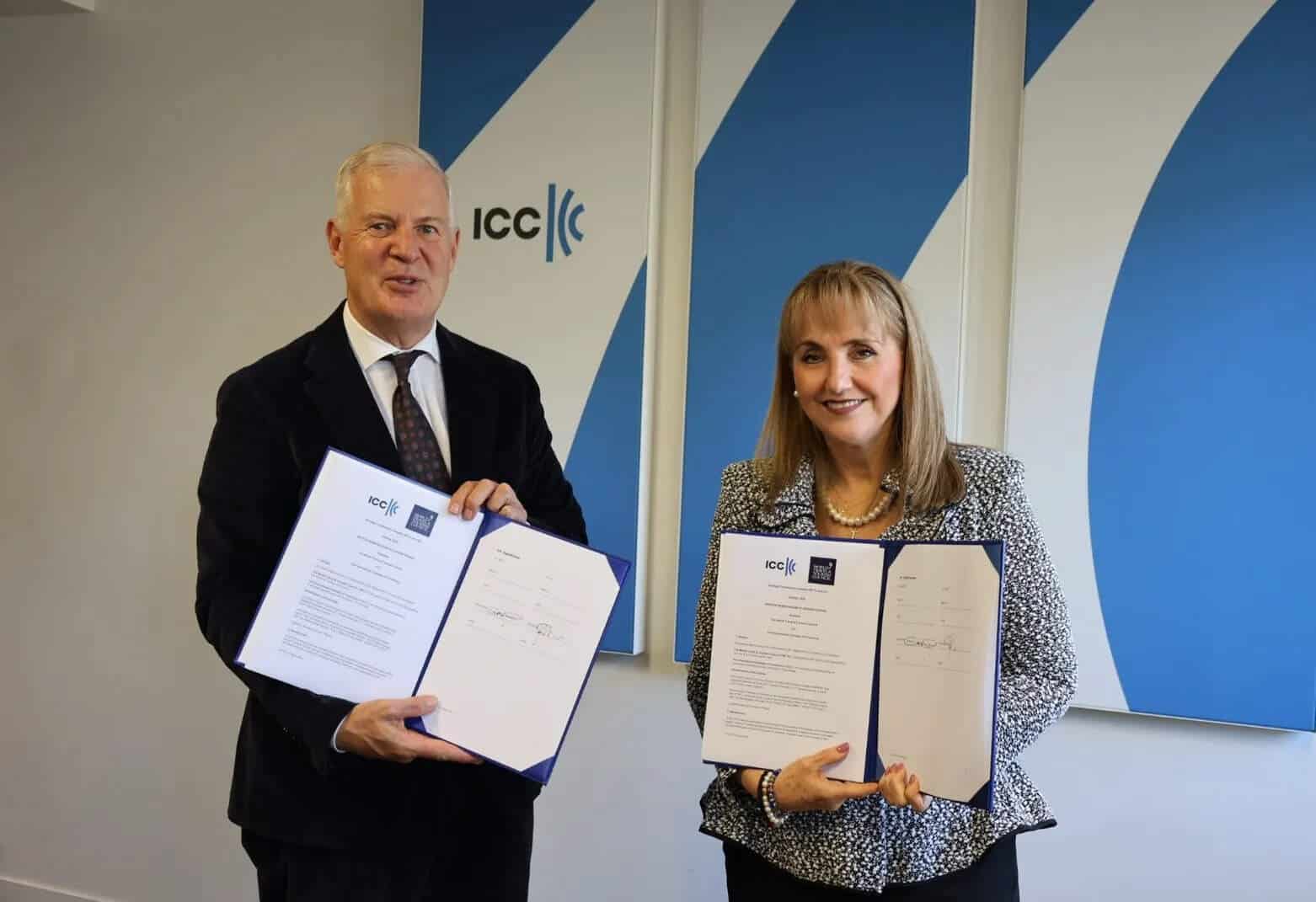
The global Travel and Tourism industry is set to embrace the rise of small business as a new pillar in the world economy, as the World Travel & Tourism Council (WTTC) and International Chamber of Commerce (ICC) announce a major strategic alliance to promote the development of small and medium-sized enterprises.
The two organisations have signed a Memorandum of Understanding (MOU) designed to strengthen the growth, competitiveness and representation of SMEs operating throughout the global Travel and Tourism ecosystem.
The agreement brings together two extensive areas of expertise. WTTC contributes its Travel and Tourism research, economic analysis and knowledge of the sector, while ICC provides access to a vast international business network covering more than 45 million businesses across over 170 countries.
Through the partnership, the organisations intend to provide smaller businesses with stronger access to practical information, business intelligence, useful tools, international connections and opportunities that could help them navigate an increasingly complex global marketplace.
Advertisement
Advertisement
SMEs Form the Backbone of Global Travel and Tourism
Small and medium-sized businesses play an enormous role in keeping the Travel and Tourism economy functioning.
According to the organisations, SMEs account for more than 85% of Travel and Tourism businesses worldwide. Their presence stretches across almost every layer of the visitor economy, making their ability to operate efficiently important to the wider performance of destinations and tourism markets.
Advertisement
Advertisement
These businesses contribute to employment, entrepreneurship and innovation while helping tourism spending circulate through local economies.
Their economic importance is particularly visible at destination level. Tourism does not depend exclusively on major international hotel groups, large transport businesses or multinational travel companies. A significant share of the visitor experience is supported by smaller enterprises embedded within local communities.
As tourism demand expands, the ability of these businesses to remain competitive can therefore have wider implications for employment, investment and local economic development.
Smaller Tourism Businesses Face Significant Barriers
Despite their importance, smaller Travel and Tourism enterprises can encounter obstacles that are considerably more difficult for them to absorb than for large multinational organisations.
Regulatory fragmentation is one major challenge. Businesses operating across borders or serving international travellers can face different rules, administrative procedures and compliance requirements between markets.
Limited access to finance can create another barrier. Smaller businesses may have fewer financial resources available for expansion, technology adoption, workforce development and product improvement.
Advertisement
Advertisement
Skills shortages can also constrain growth, particularly where tourism businesses need employees with specialised hospitality, technology, language or customer-service capabilities.
Digitalisation has introduced another layer of complexity. Modern travellers increasingly discover, compare, reserve and pay for travel products digitally. Businesses without adequate technology, digital expertise or access to suitable platforms may find it harder to compete for international customers.
Connectivity and mobility restrictions can create additional challenges. Complicated visa processes, border procedures and other travel frictions can influence visitor flows, which can ultimately affect the smaller enterprises that depend on tourism expenditure.
The new WTTC-ICC partnership is intended to bring greater attention to these structural issues.
Partnership Will Turn Business Experience Into Policy Evidence
A central element of the agreement will involve gathering information directly from businesses and using those findings to improve understanding of the challenges confronting SMEs.
WTTC and ICC are expected to collaborate on research, business intelligence and industry engagement, creating a broader evidence base that can be presented to governments and policymakers.
Advertisement
Advertisement
ICC’s international network will provide an important channel for engaging businesses across numerous countries and economic environments.
This could allow the partnership to capture experiences from companies operating under very different regulatory, financial and market conditions.
Research gathered through this process is expected to support practical policy recommendations. Instead of considering SME challenges only from a broad economic perspective, the collaboration is designed to bring the operating realities of Travel and Tourism businesses more directly into international policy discussions.
The organisations will also work to bring together public-sector and private-sector stakeholders, creating opportunities for businesses, policymakers and industry organisations to examine common challenges.
Governments Will Be Asked to Address Growth Barriers
The agreement places significant emphasis on the operating environment surrounding smaller tourism businesses.
WTTC and ICC plan to encourage governments to examine barriers that restrict business expansion, investment and competitiveness.
Advertisement
Advertisement
These include regulatory, financial, digital and mobility-related obstacles.
For Travel and Tourism businesses, these areas are closely connected. A small enterprise may have a competitive tourism product but still struggle to reach overseas customers because of digital limitations. Another business may attract international demand but encounter challenges associated with connectivity or complicated travel requirements affecting its target markets.
Financial constraints can meanwhile prevent businesses from investing in technology, recruiting employees or expanding their operations.
Addressing these interconnected issues is therefore expected to form an important component of the partnership’s advocacy work.
Rather than focusing exclusively on business expansion, the collaboration will examine the broader conditions necessary for smaller enterprises to participate effectively in global tourism growth.
Research and Knowledge Sharing Take Centre Stage
Knowledge sharing will form another pillar of the collaboration.
Advertisement
Advertisement
The agreement establishes a framework through which research, economic analysis and practical business information can be exchanged between the organisations and their respective networks.
WTTC’s sector-specific economic research will be combined with insights drawn from ICC’s wider international business community.
This combination could provide policymakers with a more detailed picture of how changes in regulation, investment conditions, technology and mobility affect businesses within Travel and Tourism.
It also provides a mechanism for smaller enterprises to gain access to information that may otherwise be difficult to obtain independently.
Practical guidance and business tools are expected to complement research activity, helping SMEs understand and respond to emerging economic and operational conditions.
The partnership will also seek opportunities to connect Travel and Tourism businesses with broader international commercial networks.
Advertisement
Advertisement
International Networks Could Open New Opportunities
Access to business networks can be particularly important for smaller companies attempting to enter new markets or establish international partnerships.
Through ICC’s reach across more than 170 countries, Travel and Tourism SMEs could gain greater exposure to companies and commercial ecosystems beyond the traditional tourism sector.
Such connections can matter because modern tourism increasingly overlaps with technology, finance, retail, transport, professional services and other industries.
A tourism enterprise seeking to improve digital payments, for example, may need connections within the financial technology sector. Another company expanding internationally may require expertise in regulation, distribution or cross-border commerce.
Creating stronger connections between tourism SMEs and the wider global business community is therefore expected to become another important area of cooperation.
Local Economies Stand to Benefit From Stronger SMEs
The economic implications of the agreement extend beyond individual companies.
Advertisement
Advertisement
Small tourism enterprises frequently operate directly within destinations and communities. Their revenues can support local employment, supply chains and entrepreneurship while helping visitor expenditure spread through regional economies.
When smaller businesses grow, the effects can therefore extend beyond company balance sheets.
New employment opportunities can be created. Local suppliers can receive additional business. Entrepreneurs may gain greater incentives to develop new visitor experiences or services.
This local dimension explains why SME competitiveness has become increasingly important within discussions surrounding sustainable tourism growth.
Ensuring that tourism expansion generates benefits across communities requires an operating environment in which businesses of different sizes can participate.
WTTC and ICC intend to incorporate this perspective into their research and international advocacy.
Advertisement
Advertisement
Travel Friction Remains an Important Business Issue
Mobility will be another area receiving attention under the partnership.
Travel and Tourism is inherently dependent on the movement of people across cities, regions and international borders. Visa requirements, border procedures, transport connectivity and other forms of travel friction can therefore have direct commercial consequences.
Large companies may be able to diversify across numerous markets when demand weakens in one destination. Smaller businesses are often more closely tied to individual locations and specific visitor markets.
Changes affecting international travel flows can consequently have a disproportionate effect on their revenue.
The partnership is expected to use business evidence to highlight these connections when engaging governments and other decision-makers.
Greater consideration of how mobility policy affects SMEs could help integrate tourism business needs into wider discussions surrounding international commerce and economic development.
Advertisement
Advertisement
Digital Competitiveness Becomes Increasingly Important
Digital transformation represents another critical challenge for the global tourism SME sector.
Travel planning has become heavily dependent on online search, digital booking systems, mobile platforms and electronic payment infrastructure. Businesses increasingly need digital capabilities simply to remain visible to potential customers.
For smaller enterprises, however, adopting new systems can involve substantial costs and technical challenges.
The digital divide can consequently become a competitiveness issue.
Through practical guidance, research and knowledge sharing, the new partnership aims to improve the resources available to businesses navigating this transformation.
Digital competitiveness is particularly important as tourism becomes increasingly interconnected with global technology platforms and international distribution networks.
Advertisement
Advertisement
Helping SMEs participate effectively in this environment could become an important factor in determining how broadly future tourism growth is distributed.
A Wider Framework for Tourism Business Growth
The MOU creates a formal framework for continued strategic collaboration rather than establishing a single short-term programme.
Initial activity is expected to concentrate on research, business engagement, policy development and knowledge sharing, alongside initiatives that connect tourism enterprises with wider international business networks.
These areas could evolve as the organisations gather more information about the needs of businesses across different markets.
The partnership ultimately seeks to strengthen the evidence available to policymakers while providing businesses with practical resources that can support growth.
It also reflects growing recognition that the future competitiveness of Travel and Tourism will depend not only on major corporations and infrastructure projects but also on the millions of smaller businesses operating throughout the visitor economy.
Advertisement
Advertisement
With SMEs accounting for more than 85% of Travel and Tourism businesses globally, improving their ability to invest, innovate and reach customers has implications for the entire sector.
By combining Travel and Tourism expertise with an international business network spanning more than 45 million enterprises in over 170 countries, WTTC and ICC are positioning their collaboration around a substantial section of the global economy.
The next stage will centre on converting research and business experience into practical action. That will include identifying obstacles, strengthening knowledge sharing, expanding commercial connections and presenting evidence to governments.
For destinations and tourism economies worldwide, the initiative places smaller businesses at the centre of a wider discussion about competitiveness, employment and sustainable economic growth.
As international tourism continues to connect businesses and communities across borders, the ability of SMEs to participate successfully in that growth will remain critical. The new WTTC-ICC framework is designed to ensure their challenges, experiences and economic contribution receive greater consideration in the policies and business environments shaping the future of global Travel and Tourism.
Advertisement
