
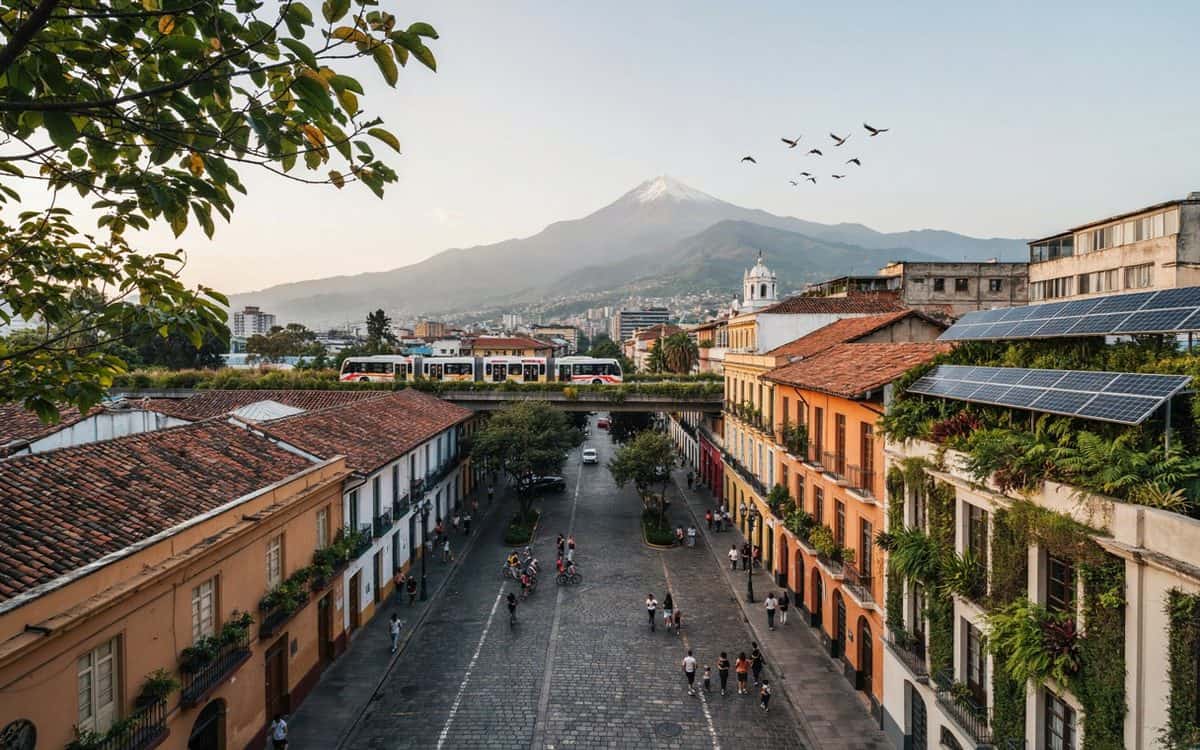
Image generated with Ai
Colombia is entering a new era of tourism where travellers are increasingly searching for destinations such as Cartagena de Indias, Bogotá, Santa Cruz de Mompox, that offer more than sightseeing. They want authentic communities, preserved heritage, environmental responsibility and experiences connected to local traditions. In 2026, several Colombian cities and heritage towns are gaining international attention because they successfully combine historic identity with sustainable tourism models.
From the fortified Caribbean beauty of Cartagena de Indias to the coffee landscapes of the Andes, Colombia is presenting a diverse network of destinations where conservation and tourism growth are developing together. The country’s heritage strategy reflects a wider global movement supported by organisations such as UNESCO’s Sustainable Tourism Programme, which encourages destinations to protect cultural and natural assets while ensuring local communities benefit from tourism.
| City / Heritage Destination | Region | Main Heritage Importance | Sustainability Strengths in 2026 | Key Sustainable Experiences | UNESCO / Heritage Recognition | Best For |
|---|---|---|---|---|---|---|
| Cartagena de Indias | Bolívar, Caribbean Coast | Historic Walled City, colonial forts, churches and Spanish-era architecture | Heritage conservation, pedestrian-friendly historic centre, cultural tourism management | Walking heritage routes, local artisan markets, Afro-Caribbean cultural experiences, responsible coastal tourism | UNESCO World Heritage Site since 1984 for Port, Fortresses and Group of Monuments | Heritage lovers, luxury travellers, cultural tourists |
| Bogotá | Cundinamarca, Andes | La Candelaria historic district, museums, colonial buildings, Indigenous Muisca heritage | Sustainable mobility, cycling infrastructure, green urban planning, sustainable construction initiatives | Bicycle tours, cultural districts, museums, urban nature experiences | UNESCO Culture indicators and recognised historic areas | Eco-conscious city travellers, urban explorers |
| Santa Cruz de Mompox | Bolívar | One of Colombia’s best-preserved colonial river towns | Low-impact tourism, preservation of traditional crafts, community-based tourism | Walking colonial streets, goldsmith workshops, river journeys | UNESCO World Heritage Site since 1995 | Slow travellers, heritage photographers |
| Barichara | Santander | Colonial architecture, cobbled streets, stone houses and traditional craftsmanship | Heritage-based tourism model, conservation of local architecture, low-density tourism | Camino Real hiking trail, artisan workshops, rural experiences | Colombia Heritage Town (Pueblo Patrimonio) | Sustainable luxury, nature and culture travellers |
| Villa de Leyva | Boyacá | Colonial square, historic buildings, fossils and archaeological heritage | Heritage protection, environmental tourism, rural sustainability initiatives | Historic walking tours, ecological reserves, astronomy tourism | Colombia Heritage Town | Families, history travellers, nature visitors |
| Salento | Quindío | Gateway to Colombia’s Coffee Cultural Landscape | Sustainable coffee tourism, biodiversity conservation, farm-based tourism | Coffee farms, Cocora Valley hiking, local farming experiences | Located within UNESCO Coffee Cultural Landscape | Nature travellers, coffee enthusiasts |
| Manizales | Caldas | Coffee-region heritage, mountain culture, traditional architecture | Green mountain-city planning, sustainable agriculture, biodiversity tourism | Coffee routes, ecological parks, mountain experiences | Part of Coffee Cultural Landscape region | Eco-tourism and adventure travellers |
| Popayán | Cauca | White colonial architecture, religious traditions, historic centre | Cultural preservation, traditional festivals, gastronomy and craft protection | Heritage walks, Holy Week traditions, cultural tourism | UNESCO-recognised Holy Week cultural tradition | Cultural heritage travellers |
| Medellín | Antioquia | Transformation from industrial city to innovation hub | Public transport sustainability, green corridors, social urbanism | Metro tours, Comuna cultural experiences, botanical gardens | International model for urban innovation | Sustainable urban tourism |
| Santa Marta | Magdalena | Oldest surviving city in Colombia, Indigenous heritage, gateway to Sierra Nevada | Protected ecosystems, Indigenous tourism, conservation initiatives | Tayrona National Park, Indigenous cultural routes, nature tourism | Linked with Sierra Nevada biosphere heritage | Adventure and nature travellers |
| Guatapé | Antioquia | Colourful colonial streets, traditional zócalos, cultural identity | Community tourism, environmental protection around reservoirs | Walking tours, lake activities, local crafts | National heritage attraction | Short sustainable escapes |
| San Agustín | Huila | Ancient archaeological sculptures and Indigenous heritage | Archaeological conservation, rural tourism | Archaeological park visits, community guides, nature exploration | UNESCO World Heritage Site since 1995 | Archaeology and history travellers |
| Tierradentro | Cauca | Pre-Hispanic underground tombs and Indigenous heritage | Conservation-focused tourism, controlled visitor management | Archaeological exploration, Indigenous cultural experiences | UNESCO World Heritage Site since 1995 | Archaeology enthusiasts |
Colombia’s heritage cities are gaining recognition because they are moving beyond traditional tourism models based only on visitor numbers. Instead, many destinations are focusing on responsible travel, cultural preservation and environmental protection.
The country’s approach combines colonial architecture, Indigenous traditions, agricultural landscapes and biodiversity conservation. This strategy is particularly important because Colombia is one of the world’s most biodiverse nations, offering travellers opportunities to explore historic cities alongside natural environments.
Advertisement
Cartagena, Mompox and Barichara demonstrate how historic towns can preserve centuries-old architecture while creating economic opportunities through tourism. Meanwhile, Bogotá and Medellín represent a modern sustainability approach through public transport improvements, urban regeneration and green initiatives.
The growing popularity of these destinations reflects a shift in global travel preferences. Visitors are increasingly choosing places where their spending supports local businesses, traditional crafts, conservation projects and community-led experiences.
Colombia’s heritage tourism success is also connected to its internationally recognised cultural sites. UNESCO lists several Colombian locations as World Heritage Sites, including Cartagena’s historic fortifications, Mompox’s historic centre, the Coffee Cultural Landscape and archaeological treasures such as San Agustín.
Cartagena de Indias remains Colombia’s most internationally recognised heritage city, combining Caribbean culture, colonial architecture and sustainable tourism efforts. The city’s historic walled centre, colourful buildings and centuries-old fortifications attract millions of visitors seeking cultural experiences.
Advertisement
Advertisement
Recognised by UNESCO as a World Heritage Site since 1984, Cartagena’s historic area represents one of South America’s most important examples of colonial military architecture.
In 2026, the city’s tourism focus is increasingly centred on protecting its cultural identity while managing visitor pressure. Walking experiences, heritage tours, local artisan markets and neighbourhood-based tourism allow travellers to discover Cartagena beyond its famous landmarks.
The city is also strengthening responsible coastal tourism practices, recognising the importance of protecting marine ecosystems and supporting communities dependent on the Caribbean environment.
Cartagena’s challenge remains balancing popularity with preservation. However, its heritage conservation programmes and community-focused tourism initiatives demonstrate how a globally famous destination can evolve towards a more sustainable future.
For international travellers, Cartagena offers a rare combination of history, architecture, Afro-Caribbean culture and coastal experiences, making it one of Colombia’s strongest examples of sustainable heritage tourism.
Bogotá is transforming the idea of what a sustainable capital city can become. While many travellers once viewed the city mainly as a gateway to Colombia, it is now becoming a destination in its own right because of its museums, historic districts, cultural institutions and environmental initiatives.
The city’s La Candelaria district preserves colonial streets, historic buildings and important cultural landmarks. At the same time, Bogotá has developed one of Latin America’s most recognised cycling cultures and sustainable mobility networks.
The capital’s investment in public transport, pedestrian areas and urban green spaces has strengthened its position as a destination for environmentally conscious travellers.
Visitors can explore the city through bicycle tours, cultural walks and neighbourhood experiences that connect tourism with local communities. Museums, galleries and historic attractions provide deeper insight into Colombia’s political, artistic and Indigenous heritage.
Bogotá represents a different type of sustainable heritage destination. Unlike smaller colonial towns, it demonstrates how a large metropolitan area can protect history while adapting to modern environmental challenges.
Barichara has become a symbol of slow travel in Colombia because it protects its colonial character while encouraging low-impact tourism. Located in Santander, the town is famous for its stone streets, traditional architecture and peaceful mountain setting.
Unlike mass tourism destinations, Barichara focuses on authenticity. Visitors arrive to experience craftsmanship, local traditions and rural landscapes rather than fast-paced entertainment.
The town’s preservation model is built around maintaining historic buildings, supporting artisans and encouraging travellers to spend more time exploring local culture.
One of Barichara’s most popular experiences is the Camino Real hiking route, which connects visitors with natural landscapes and historic pathways.
The destination demonstrates that sustainability is not only about environmental protection. It is also about preserving community identity, traditional skills and architectural heritage.
In 2026, Barichara represents the future of responsible tourism where smaller destinations can compete globally by offering meaningful experiences rather than large-scale development.
Santa Cruz de Mompox is one of Colombia’s strongest examples of heritage conservation and slow tourism. Located along the Magdalena River, the historic town has maintained its colonial architecture, traditional crafts and cultural atmosphere.
Recognised by UNESCO as a World Heritage Site in 1995, Mompox reflects centuries of Colombian history through its churches, plazas and preserved buildings.
The town’s tourism model focuses on quality rather than quantity. Visitors are encouraged to explore its streets slowly, meet local artisans and experience traditional goldsmithing techniques.
Mompox demonstrates how heritage protection can support local economies. Small businesses, craft workshops and community experiences benefit from visitors seeking authentic cultural connections.
The destination has become increasingly attractive for travellers who want alternatives to crowded tourist centres. Its river setting, historic charm and peaceful environment make it one of Colombia’s most unique sustainable heritage destinations.
Salento represents Colombia’s connection between agriculture, nature and cultural heritage. Located in the Quindío region, the town is famous for coffee traditions, mountain landscapes and access to the Cocora Valley.
The wider Coffee Cultural Landscape of Colombia is recognised by UNESCO as an outstanding example of sustainable agricultural heritage. It reflects generations of farmers adapting coffee production to challenging mountain environments.
Tourism in Salento focuses on farm experiences, biodiversity, local communities and environmental education. Visitors can learn about coffee production while supporting rural economies.
The destination also attracts hikers, birdwatchers and nature lovers because of its unique ecosystems.
Salento’s success shows that sustainability can protect both landscapes and cultural traditions. The town demonstrates how agriculture can become a tourism asset without losing its original identity.
Medellín and Santa Marta represent two different but equally important sustainability models.
Medellín has become internationally recognised for urban transformation. The city has used innovative transport systems, public spaces and community-focused development to reshape its image. Its combination of culture, technology and social tourism makes it one of Colombia’s most interesting urban destinations in 2026.
Santa Marta follows a nature-based sustainability model. As Colombia’s oldest surviving city, it connects historic heritage with the ecosystems of the Sierra Nevada region. The destination offers access to protected landscapes, Indigenous cultural experiences and coastal conservation areas.
Both cities show that sustainability does not have a single definition. It can mean cleaner urban development, protecting natural areas or supporting communities.
Together, Medellín and Santa Marta represent Colombia’s ability to combine innovation, heritage and environmental responsibility.
| Destination | Main Strength | Sustainability Focus |
|---|---|---|
| Cartagena | Colonial heritage and Caribbean culture | Historic conservation and responsible coastal tourism |
| Bogotá | Sustainable urban development | Green mobility and cultural tourism |
| Barichara | Slow travel experience | Architecture preservation and community tourism |
| Mompox | Colonial river heritage | Low-impact cultural tourism |
| Salento | Coffee and biodiversity | Agricultural sustainability |
| Villa de Leyva | Colonial history and nature | Heritage protection |
| Medellín | Urban innovation | Sustainable city development |
| Santa Marta | Nature and Indigenous culture | Ecosystem conservation |
Colombia’s sustainable heritage cities are proving that tourism growth and preservation can exist together. In 2026, destinations such as Cartagena, Barichara, Mompox, Salento, Bogotá and Santa Marta are attracting travellers because they offer authentic experiences built around history, nature and local communities.
The country’s future tourism success will depend on maintaining this balance. Protecting cultural landmarks, supporting residents and conserving biodiversity will allow Colombia to remain competitive in the global sustainable travel market.
For travellers seeking meaningful journeys, Colombia offers something increasingly valuable: destinations where history is not displayed behind glass but continues to live through communities, landscapes and traditions.
Colombia’s rise as a sustainable heritage destination is driven by one powerful cause: travellers increasingly demand meaningful, responsible and authentic journeys. The answer lies in cities that successfully combine historic preservation, environmental protection and community-focused tourism. Bogotá and other Colombian destinations are gaining global attention because they offer more than attractions; they offer living stories, protected landscapes and cultural connections. The reason behind this success is a balanced approach where innovation supports tradition. As global tourism evolves, Colombia’s heritage cities are positioned to become leading examples of how sustainability and history can create a stronger, more responsible travel future.
Advertisement
Advertisement
Advertisement













Saturday, September 5, 2026

Saturday, September 5, 2026

Saturday, September 5, 2026

Saturday, September 5, 2026

Saturday, September 5, 2026

Saturday, September 5, 2026

Saturday, September 5, 2026

Saturday, September 5, 2026



